How Much Should I Feed a Baby Betta Fish
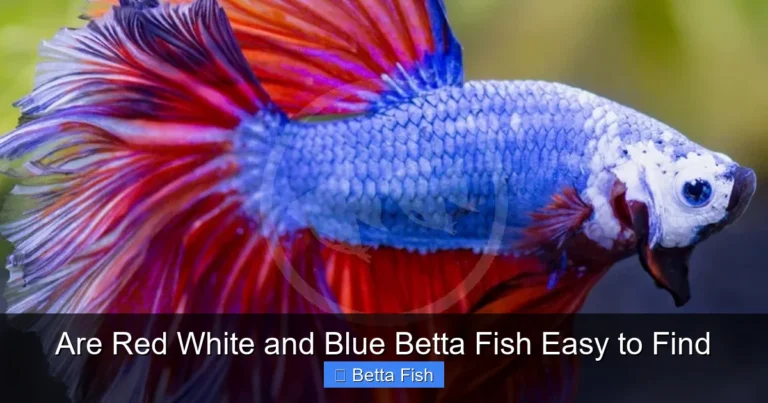
Feeding a baby betta fish the right amount is crucial for healthy growth and development. Baby bettas need small, frequent meals of high-quality food, typically 3 to 5 tiny feedings per day. Overfeeding is the most common mistake new betta owners make, and it can lead to serious health problems. This guide covers exact portion sizes, feeding schedules, and the best foods for your growing betta fry.
Bringing home a baby betta fish is exciting. These tiny, colorful creatures are full of personality, but they need special care. One of the most important things you will do as a betta parent is getting the feeding right. So how much should i feed a baby betta fish? The answer is more nuanced than you might think.
Feeding a baby betta fish the correct amount directly impacts their growth, health, and lifespan. Too little food and your fry stunts. Too much and you risk deadly health issues. This guide breaks down everything you need to know about baby betta fish feeding amounts, schedules, and the best foods to use.
Whether you just hatched your first batch of betta fry or brought home a tiny juvenile, this article has you covered. We will walk through portion sizes, frequency, food types, and common mistakes to avoid. By the end, you will feel confident about your betta fish feeding routine.
Key Takeaways
- Feed baby bettas 3 to 5 times daily with tiny portions no bigger than their eye.
- Use high-quality betta pellets or live food like brine shrimp for optimal nutrition.
- Overfeeding is the biggest risk and can cause bloating, constipation, and poor water quality.
- Remove uneaten food within minutes to keep the water clean and safe for your fry.
- Adjust feeding as your baby betta grows from fry to juvenile stages.
- Watch for hunger cues like searching the substrate or begging at the water surface.
📑 Table of Contents
Understanding Baby Betta Fish Nutritional Needs
Baby betta fish, also called fry, have very different nutritional needs compared to adult bettas. They are growing rapidly and need a diet rich in protein and nutrients. Understanding what goes into their tiny bodies helps you make better feeding decisions.
A baby betta fish stomach is incredibly small. In fact, it is roughly the size of their eye. This means they can only eat tiny amounts at each meal. But because their metabolism is fast, they need to eat very frequently throughout the day.
What Do Baby Bettas Need to Eat?
Baby bettas are carnivores by nature. They need a diet that is high in protein and animal-based nutrients. Here is what works best for growing betta fry:
- Betta fish pellets — specially formulated for bettas, crushed into tiny pieces for fry.
- Baby brine shrimp — a live or frozen food that is perfect for small mouths.
- Micro worms — another excellent live food option for newborn bettas.
- Infusoria — tiny organisms that are ideal for the very first days of a fry’s life.
- Betta fish flakes — crushed into fine powder as a supplemental option.
The key is variety. Rotating between different betta fish food types ensures your baby betta gets a balanced range of nutrients. No single food provides everything your fry needs to thrive.
How Much Should I Feed a Baby Betta Fish
This is the question every betta owner asks, and for good reason. The amount you feed your baby betta depends on their age, size, and development stage. Let us break it down clearly.
Portion Size Guidelines
For baby betta fish, the golden rule is simple: feed only what they can consume in two to three minutes. The portion should be no larger than the size of their eye. Here is a practical guide:
- Newborn fry (0 to 2 weeks): Offer infusoria or liquid fry food in very small amounts, 4 to 5 times a day.
- Young fry (2 to 4 weeks): Switch to baby brine shrimp or crushed pellets, 3 to 4 times daily.
- Juvenile bettas (4 to 8 weeks): Feed small pellets or micro worms, 2 to 3 times a day.
Remember, betta fish portion size matters more than you think. A baby betta stomach is tiny, and large meals can cause serious digestive problems. Always err on the side of less food rather than more.
Feeding Frequency for Baby Bettas
Because baby bettas burn energy quickly and have fast metabolisms, they need to eat more often than adult bettas. While an adult betta does well on two meals a day, a baby betta needs multiple smaller feedings spread throughout the day.
Feeding frequency for baby betta fish should be 3 to 5 times daily for the youngest fry. As they grow, you can gradually reduce this to 2 to 3 times a day. Consistency matters. Try to feed at the same times each day so your betta develops a healthy routine.
If you are wondering about the specifics, how often should I feed my betta fish is a great resource for understanding the full feeding frequency across all life stages.
The Danger of Overfeeding Baby Bettas
Overfeeding is the single biggest mistake people make when caring for baby betta fish. It is easy to think that a hungry baby fish needs more food, but the opposite is almost always true. Too much food causes a cascade of problems that can be fatal for young bettas.
What Happens When You Overfeed
When you give a baby betta too much food, several bad things happen quickly:
- Bloating and constipation: Baby bettas have delicate digestive systems that cannot handle large meals. Bloating can be fatal in fry.
- Poor water quality: Uneaten food decays rapidly in small tanks, spiking ammonia and nitrite levels. This poisons your fish.
- Fungal and bacterial infections: Dirty water from excess food creates the perfect environment for deadly diseases.
- Stunted growth: Ironically, overfeeding can actually slow growth by causing health issues that divert energy from development.
If you want to learn more about this specific risk, check out our article on can you feed a baby betta fish for detailed guidance on safe feeding practices for fry.
Signs Your Baby Betta Is Eating Too Much
Watch for these warning signs after feeding time:
- Food left in the tank after five minutes.
- A swollen or distended belly that does not go down.
- Your betta refusing food at the next feeding.
- Cloudy or dirty water shortly after meals.
- Lethargy or loss of interest in swimming.
If you notice any of these signs, skip the next feeding and let your baby betta’s digestive system recover. Less is always more when it comes to feeding baby bettas.
Best Foods for Growing Baby Bettas
Choosing the right food is just as important as getting the amount right. Not all fish foods are created equal, and baby bettas need specific nutrients to grow into healthy adults.
Top Food Choices Ranked
Here is a ranked list of the best foods for baby betta fish, from most nutritious to acceptable alternatives:
- Baby brine shrimp (live or frozen): The gold standard for betta fry. High in protein and the perfect size for tiny mouths.
- Micro worms: Easy to culture at home and packed with nutrients for growing fish.
- Crushed betta pellets: Convenient and nutritionally complete. Look for high-quality brands with minimal fillers.
- Infusoria: The best first food for brand-new fry that are too small for anything else.
- Crushed flakes: A decent backup option, but not as nutrient-dense as the foods above.
Avoid feeding your baby betta bread, crackers, or human food. These offer no nutritional value and can seriously harm your fish. For more information on what bettas can and cannot eat, see our guide on how much do I feed a betta fish for adult feeding guidelines.
Creating a Feeding Schedule for Your Baby Betta
A consistent feeding schedule helps your baby betta grow strong and healthy. It also makes it easier for you to track how much they are eating and spot problems early.
Sample Daily Feeding Schedule
Here is a practical feeding schedule you can follow for baby bettas aged 2 to 6 weeks:
- 7:00 AM: Small pinch of crushed pellets or baby brine shrimp.
- 10:00 AM: A few drops of liquid fry food or infusoria.
- 1:00 PM: Tiny portion of micro worms or frozen brine shrimp.
- 4:00 PM: Light feeding of crushed pellets or baby brine shrimp.
- 7:00 PM: Final small meal of the day.
As your betta grows past 6 weeks, you can reduce this to 3 feedings a day. Always observe your fish during feeding time. If food is left uneaten after a few minutes, you are giving too much.
For tips on maintaining a clean environment during this frequent feeding routine, how often do I clean a betta fish bowl offers helpful advice on tank maintenance.
Common Feeding Mistakes to Avoid
Even experienced fish keepers make mistakes when feeding baby bettas. Here are the most common errors and how to avoid them:
Mistake 1: Feeding Too Much at Once
This is the number one mistake. Baby bettas cannot handle large meals. Stick to tiny portions and feed more frequently instead of giving one big meal.
Mistake 2: Skipping Feedings
While overfeeding is dangerous, so is underfeeding. Baby bettas need consistent nutrition to support their rapid growth. Do not skip more than one feeding per day.
Mistake 3: Using the Wrong Food
Adult betta food or generic fish flakes are not suitable for fry. The pieces are too large and the nutritional profile is wrong for growing fish.
Mistake 4: Ignoring Water Quality
Frequent feeding in a small tank quickly degrades water quality. Regular water changes and proper filtration are essential. Learn more about filtration needs in our article on should I use a filter for my betta fish.
Mistake 5: Not Adjusting as They Grow
Your feeding approach should change as your baby betta matures. What works for a week-old fry is not appropriate for a two-month-old juvenile. Monitor their size and adjust portions accordingly.
Key Takeaways
- Feed baby bettas 3 to 5 times daily with tiny portions no bigger than their eye.
- Use high-quality betta pellets or live food like brine shrimp for optimal nutrition.
- Overfeeding is the biggest risk and can cause bloating, constipation, and poor water quality.
- Remove uneaten food within minutes to keep the water clean and safe for your fry.
- Adjust feeding as your baby betta grows from fry to juvenile stages.
- Watch for hunger cues like searching the substrate or begging at the water surface.
Frequently Asked Questions
How much should I feed a newborn baby betta fish?
Newborn baby bettas need extremely small amounts of food, such as infusoria or liquid fry food, given 4 to 5 times a day. The portion should be so tiny that it is almost microscopic. They simply cannot handle anything larger at this early stage.
Can I feed my baby betta fish regular betta pellets?
Yes, but only if you crush them into a very fine powder first. Baby bettas have tiny mouths and cannot eat standard-sized pellets. You can also soak the pellets briefly to soften them before feeding.
How do I know if my baby betta is hungry?
Watch for signs like your baby betta actively searching the substrate, swimming to the water surface when you approach the tank, or showing increased activity around feeding time. These are clear hunger cues that it is time for a small meal.
What happens if I overfeed my baby betta fish?
Overfeeding causes bloating, constipation, and poor water quality from uneaten food decaying in the tank. In baby bettas, these problems can become life-threatening very quickly due to their small size and fragile immune systems.
How long can a baby betta fish go without eating?
Baby betta fish should not go more than a few hours without food. Unlike adult bettas, fry have fast metabolisms and need frequent nutrition. Going more than 12 hours without eating can negatively affect their growth and development.
When should I switch from baby food to adult food for my betta fish?
You can gradually transition to adult-sized pellets and fewer feedings when your betta reaches about 8 to 10 weeks old. Start by mixing crushed adult pellets with their current food and slowly increase the proportion over a couple of weeks.
Conclusion
Getting the feeding amount right for your baby betta fish is one of the most important things you will do as a fish owner. Remember to keep portions tiny, feed frequently, and always watch for signs of overfeeding. Your baby betta depends on you for every meal, and getting it right sets the foundation for a long, healthy life.
How much should i feed a baby betta fish comes down to a simple formula: small portions, frequent meals, high-quality food, and clean water. Stick to this approach, avoid the common mistakes we covered, and your baby betta will thrive. The effort you put into proper feeding now pays off with a vibrant, happy betta fish for years to come.