Can a Betta Fish Live After Pineconing
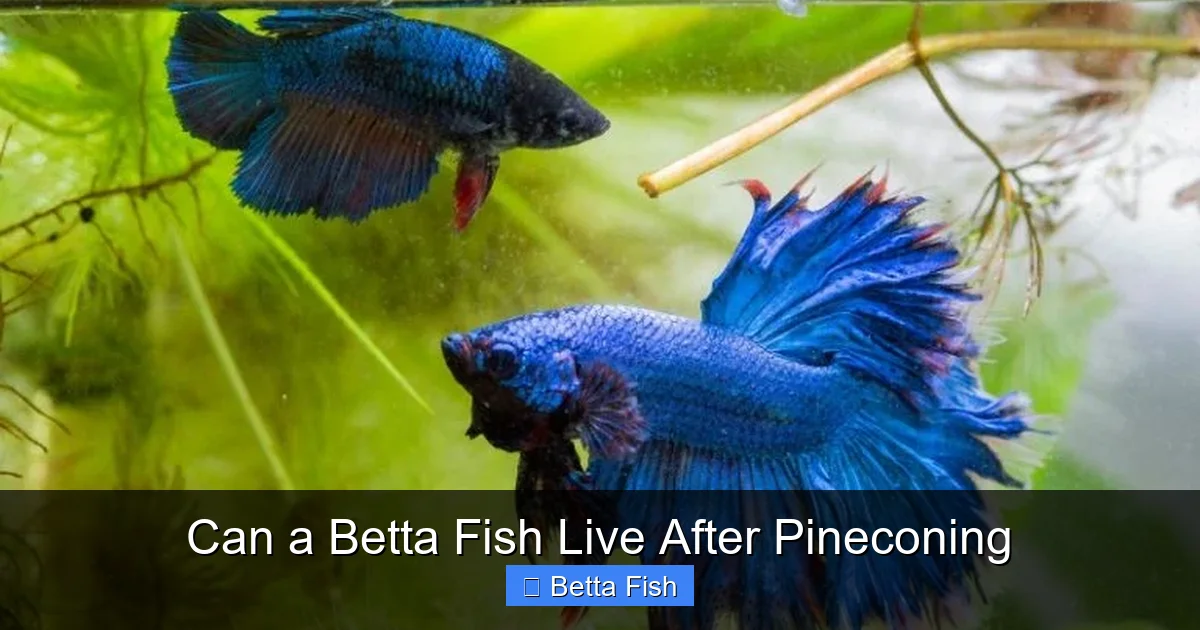
Yes, a betta can survive pineconing with prompt care. Recognizing the symptoms, acting quickly, and providing a clean, stress‑free environment are key to a full recovery. Follow our step‑by‑step guide to give your betta the best chance of bouncing back.
Key Takeaways
- Early detection saves lives: Spotting pinecone‑shaped blisters early lets you treat before infection spreads.
- Water quality is critical: Clean, stable parameters reduce stress and speed healing.
- Medication works: Antifungal and antibacterial baths are effective when used correctly.
- Isolation prevents spread: A quarantine tank keeps other fish safe and gives the betta a stress‑free zone.
- Prevention beats treatment: Proper tank setup and regular maintenance stop pineconing before it starts.
- Recovery time varies: Most bettas improve within 7‑10 days, but full healing can take up to three weeks.
- Know when to seek help: If symptoms worsen after treatment, a vet experienced with fish is the next step.
📑 Table of Contents
- Introduction: What Is Pineconing and Why It Scares Betta Owners?
- 1. Understanding Pineconing: Causes and Symptoms
- 2. Immediate Steps When You Spot Pineconing
- 3. Treatment Options: From Home Remedies to Professional Care
- 4. Supporting Recovery: Nutrition, Environment, and Monitoring
- 5. Preventing Pineconing Before It Happens
- 6. When to Call a Professional
- Conclusion: Hope and Health for Your Betta
Introduction: What Is Pineconing and Why It Scares Betta Owners?
If you’ve ever watched a betta swim and noticed tiny, pinecone‑shaped bumps on its fins or body, you’ve probably wondered what’s happening. This condition, commonly called pineconing, is a fungal or bacterial infection that creates raised, white or grayish lesions. For many hobbyists, the sight is alarming because it can lead to serious health problems or even death if ignored.
In this article we answer the burning question: can a betta fish live after pineconing? We’ll walk you through the science behind the disease, how to spot it early, the best treatment methods, and practical steps to prevent it from ever returning. By the end, you’ll feel confident caring for a betta that’s battling pineconing and know exactly what to do to give it the best chance of a full recovery.
1. Understanding Pineconing: Causes and Symptoms
What actually causes pinecone‑shaped bumps?
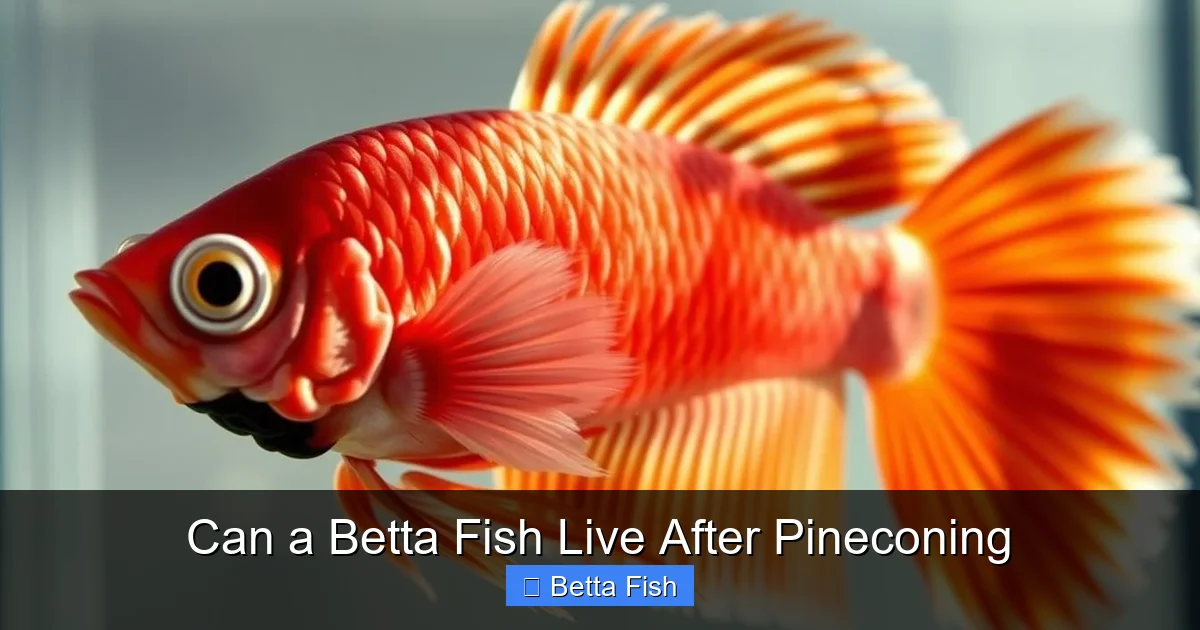
Pineconing is usually the result of a fungal infection, most often caused by Achlya or Saprolegnia species. These fungi thrive in water that is warm, stagnant, or has a high organic load (uneaten food, waste, dead plant matter). Bacterial involvement is also common; a weakened immune system can let bacteria like Aeromonas take advantage of the same conditions.
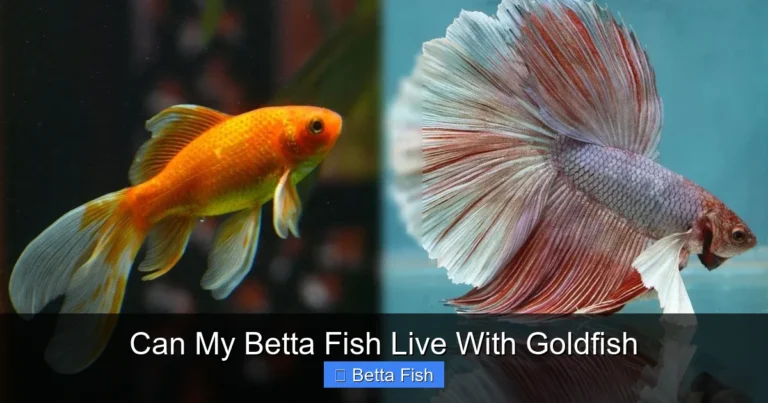
Visual guide about Can a Betta Fish Live After Pineconing
Image source: koibettafish.com
Typical signs to watch for
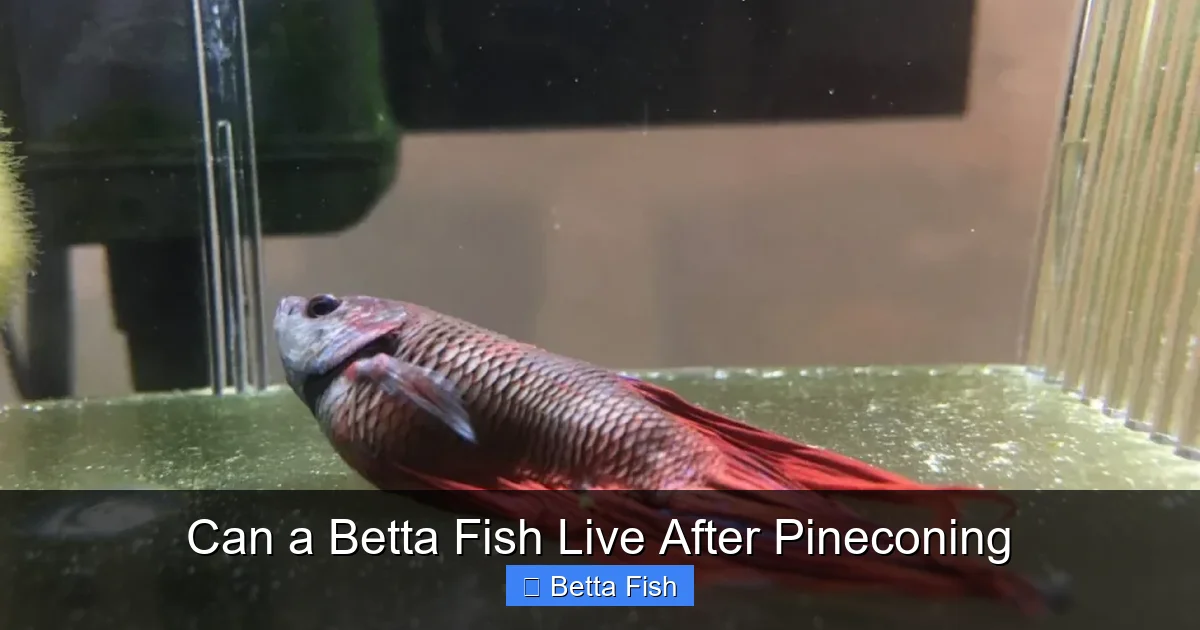
- Small, raised, white or gray bumps that look like pinecones.
- Loss of color or dulling of the betta’s brilliant hues.
- Flared fins that appear ragged or frayed.
- Reduced appetite and lethargy.
- Scratching against tank décor or the surface of the water.
These symptoms can appear suddenly or develop over a few days. The key is to act fast—early treatment dramatically improves the odds that can a betta fish live after pineconing is answered with a confident “yes.”
2. Immediate Steps When You Spot Pineconing
1. Quarantine the affected betta
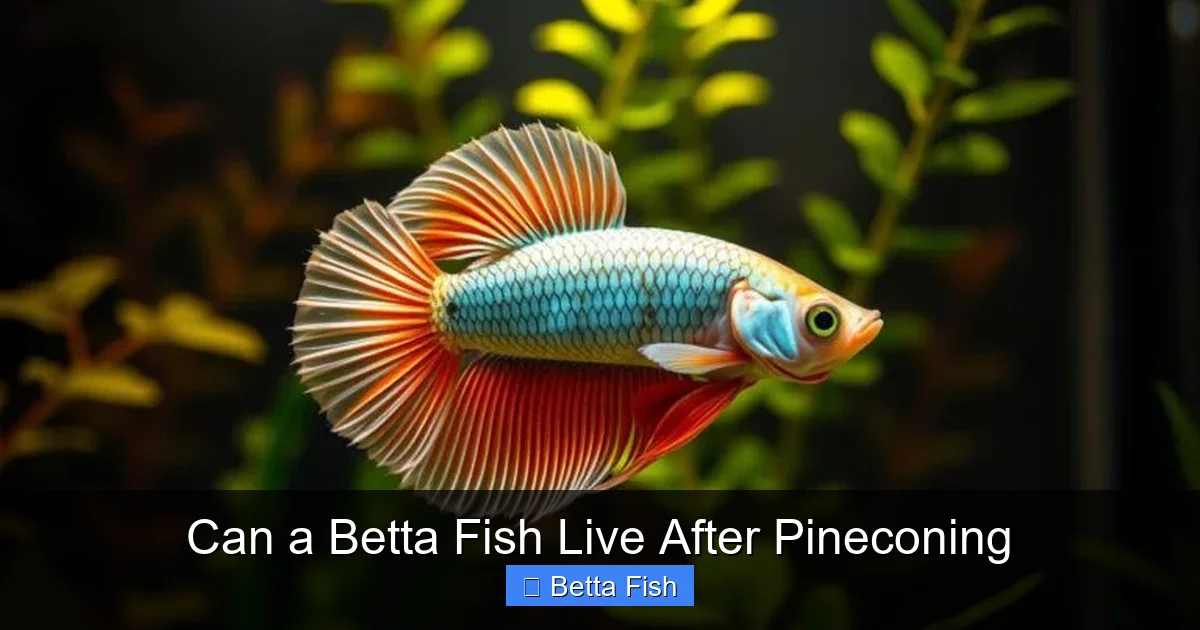
Move the fish to a separate, bare‑bottom tank (about 5‑10 gallons) with clean, dechlorinated water. This prevents the fungus from spreading to tank mates and gives you full control over water parameters.
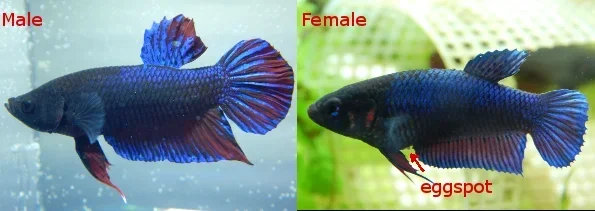
Visual guide about Can a Betta Fish Live After Pineconing
Image source: koibettafish.com
2. Test and adjust water quality
Use a reliable test kit to check temperature, pH, ammonia, nitrite, and nitrate. Ideal betta water: 76‑82°F (24‑28°C), pH 6.5‑7.5, ammonia = 0 ppm, nitrite = 0 ppm, nitrate < 20 ppm. Perform a 25‑30 % water change with conditioned water to lower any harmful spikes.
3. Reduce stressors
Turn off bright lights, remove aggressive décor, and keep the tank in a quiet area. Stress weakens the immune system, making recovery harder.
3. Treatment Options: From Home Remedies to Professional Care
Antifungal baths
Prepare a separate treatment bath with 1 ml of a proven antifungal (e.g., malachite green or formalin) per 10 g of fish weight, diluted in 1 gallon of water. Soak the betta for 5‑10 minutes daily for 3‑5 days. Always follow the product’s dosage instructions.
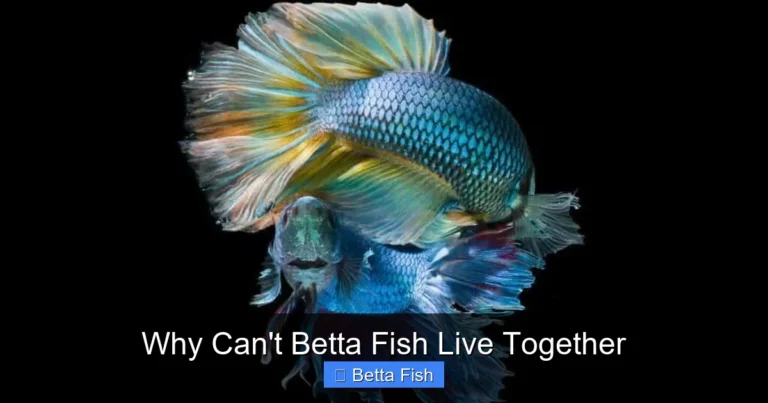
Visual guide about Can a Betta Fish Live After Pineconing
Image source: tankofish.com
Antibacterial medication
If you notice redness, swelling, or a foul smell, add a broad‑spectrum antibacterial like Maracyn 2 (2 ml per 10 g of fish) to the quarantine tank. Continue for 7‑10 days, even if symptoms improve, to ensure hidden bacteria are eliminated.
Natural remedies (when chemicals aren’t an option)
- India ink dip: Add 1 ml of India ink to a small container of water, dip the betta for 30 seconds, then return it to the quarantine tank.
- Garlic extract: Mix a few drops of garlic juice into the tank water; it can boost the fish’s immune response.
These natural options are less potent than pharmaceuticals but can help mild cases when used consistently.
4. Supporting Recovery: Nutrition, Environment, and Monitoring
Feeding a healing diet
Offer high‑protein, easily digestible foods such as frozen or live brine shrimp, bloodworms, and high‑quality betta pellets enriched with vitamins A, C, and E. Feed small amounts 2‑3 times daily to keep the gut moving without overloading the water.
Maintaining optimal water conditions
Continue daily 10‑15 % water changes in the quarantine tank. Use a gentle sponge filter to provide mild water movement without stressing the betta’s delicate fins.
Monitoring progress
Check the fish each day for:
- Reduction in the size or number of pinecone bumps.
- Return of bright coloration and active swimming.
- Improved appetite.
If after 7‑10 days there is no improvement, consider a second round of medication or a visit to an aquatic veterinarian.
5. Preventing Pineconing Before It Happens
Water maintenance is non‑negotiable
Regular water changes (20‑30 % weekly) and a well‑functioning filtration system keep organic waste low. If you wonder why can betta fish live in a bowl, the answer is they can, but only with meticulous water changes—something most hobbyists find easier in a filtered tank.
Tank décor and cleaning
Choose smooth, non‑porous ornaments that won’t trap debris. Scrub the glass and decorations weekly to prevent fungal spores from hiding.
Temperature control
Keep the heater stable; sudden spikes or drops stress the fish and create ideal conditions for fungus.
Quarantine new arrivals
Any new fish, plants, or decorations should spend at least two weeks in a separate tank before joining the main community. This practice also helps answer questions like can a betta fish live with other fish by ensuring no hidden pathogens are introduced.
6. When to Call a Professional
Even the most diligent hobbyist may encounter a stubborn infection. Seek a vet if you notice any of the following:
- Rapid spread of bumps despite treatment.
- Signs of internal infection (e.g., bloating, loss of buoyancy).
- Severe lethargy or refusal to eat for more than 48 hours.
A fish‑savvy veterinarian can prescribe stronger antifungals, perform a microscopic examination, and offer targeted advice.
Conclusion: Hope and Health for Your Betta
The short answer to the headline question is a hopeful “yes.” With quick detection, proper quarantine, effective medication, and diligent after‑care, a betta can not only survive pineconing but often return to its vibrant, active self. Remember that prevention—clean water, stable temperature, and stress‑free surroundings—is the most powerful tool in your arsenal.
Take each step calmly, keep a notebook of water parameters, and treat any new symptom as a warning sign rather than a setback. Your attentive care can turn a scary pinecone outbreak into a success story you’ll be proud to share with fellow betta lovers.
Frequently Asked Questions
What exactly causes pineconing in betta fish?
Pineconing is typically caused by fungal spores (like Saprolegnia) that flourish in warm, dirty water, often aided by bacterial infection when the fish’s immune system is weakened.
How long does it take for a betta to recover from pineconing?
Most bettas show visible improvement within 7‑10 days of proper treatment, but full healing of the skin can take up to three weeks.
Can I treat pineconing without medication?
Natural remedies such as India ink dips and garlic extract can help mild cases, but they are less reliable than antifungal or antibacterial medicines for moderate to severe infections.
Is it safe to keep other fish with a betta that had pineconing?
After the betta has fully healed and the quarantine tank is cleared, you can re‑introduce compatible species. Read more about compatible tank mates in what fish can live with a betta.
Do I need a filter in the quarantine tank?
A gentle sponge filter is recommended to maintain water quality without creating strong currents that could stress the recovering betta.
When should I seek a vet for my betta?
If the pinecone bumps spread despite treatment, or if the fish becomes lethargic, loses buoyancy, or stops eating for more than two days, a fish‑specialized veterinarian should be consulted.