When a Betta Fish Is Dying
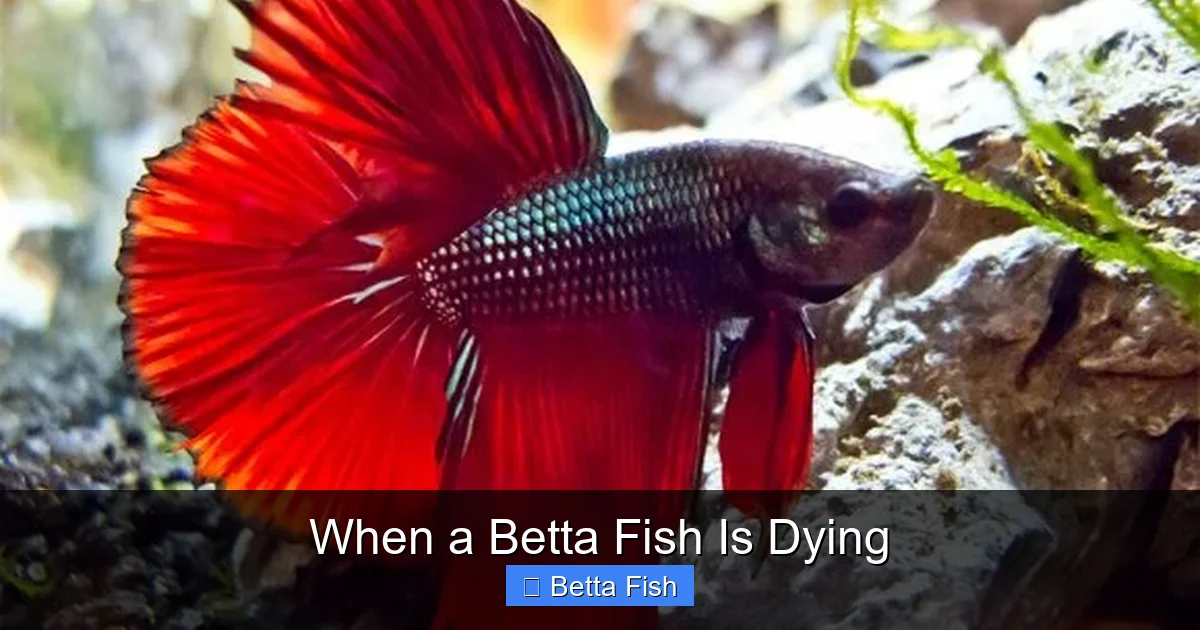
When a betta fish is dying, it often displays distinct physical and behavioral changes like lethargy, loss of appetite, faded colors, and labored breathing. The primary causes are typically poor water quality, incorrect temperature, or untreated disease. Immediate actions such as isolating the fish, performing a partial water change, and adjusting parameters can sometimes reverse decline, but early recognition is critical. Understanding these signs empowers you to provide comfort, make informed decisions about treatment or humane euthanasia, and prevent future tragedies through proper tank maintenance.
Watching your betta fish, that vibrant, personality-filled jewel of the aquarium world, begin to fade is one of the most heartbreaking experiences for a pet owner. Those flowing fins, once billowing like silk scarves in a breeze, become tattered and still. The brilliant reds and blues dull to a listless gray. The curious explorer who greeted you at the glass now floats motionless, a tiny weightless statue. The gut-wrenching question arises: is my betta fish dying? This moment of doubt and potential grief is fraught with worry and a desperate need for answers. This comprehensive guide is designed to be your steady hand in that storm. We will move beyond the panic to clear, compassionate understanding. You will learn to decipher the subtle and overt signs of a betta in its final decline, understand the scientific reasons behind its suffering, and most importantly, discover the concrete steps you can take—whether to potentially save a life or to provide a peaceful, dignified end. Knowledge is the antidote to helplessness. Let’s begin.
Key Takeaways
- Identify Distress Signals: Look for clamped fins, faded colors, lethargy, loss of appetite, and erratic swimming as primary indicators a betta is severely ill or dying.
- Water Quality is Paramount: Ammonia, nitrite, or nitrate poisoning from an uncycled or poorly maintained tank is the #1 cause of premature betta death.
- Temperature Shock is Deadly: Bettas require stable, warm water (78-80°F/25.5-26.5°C). Cold water cripples their immune system, leading to rapid decline.
- Common Diseases are Often Treatable: Conditions like fin rot, velvet, or dropsy are frequently fatal only if caught too late or mismanaged with incorrect medication.
- Immediate Isolation is Critical: A dying or sick betta should be moved to a clean, bare hospital tank to reduce stress, prevent spreading disease, and allow for precise treatment.
- Euthanasia is a Final Act of Kindness: If suffering is evident and irreversible, humane methods like clove oil anesthesia provide a peaceful end, preventing prolonged agony.
- Prevention is the Best Medicine: A properly cycled, heated, filtered tank with regular water changes is the single most effective way to ensure a long, healthy betta life.
📑 Table of Contents
- Recognizing the Signs: Is Your Betta Really Dying?
- The Usual Suspects: Common Causes of a Betta’s Rapid Decline
- Immediate Action Plan: What to Do When You Suspect Your Betta Is Dying
- Common Diseases in Dying Bettas: A Diagnostic Guide
- Prevention: The Lifelong Commitment to a Thriving Betta
- The Inevitable and the Compassionate: End-of-Life Care and Aftercare
Recognizing the Signs: Is Your Betta Really Dying?
Bettas are masters of hiding illness. In the wild, showing weakness means becoming a target. This instinct persists in our home aquariums, meaning by the time you see obvious symptoms, your betta may already be in serious distress. Recognizing the spectrum of symptoms—from early warnings to end-stage signs—is the first and most vital step.
The Physical Tell-Tale Signs
Your betta’s body will often give away its internal struggle. These are not subtle quirks; they are red flags.
- Severe Clamped Fins: Instead of held proudly open or gently flowing, the fins are pulled tightly against the body, like a closed umbrella. This is a classic sign of extreme stress, pain, or systemic infection.
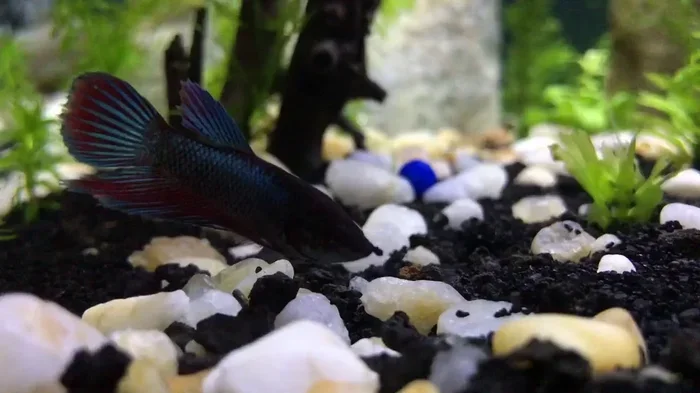
- Profound Color Loss (Fading): Bettas can pale slightly when stressed or sleeping, but a dying betta undergoes a dramatic, uniform fading. Vibrant reds, blues, and greens wash out to a pale, translucent, or muddy gray. This is often accompanied by a loss of the iridescent sheen that makes them so special.
- Body Sores, Lesions, or White Patches: While a few spots can be early-stage disease (like Ich), widespread sores, cotton-like growths (fungus), or a slimy, milky coating (bacterial sepsis) indicate a body succumbing to infection.
- Extreme Emaciation: The body becomes visibly concave, the spine sharply angular, and the head appears disproportionately large. This is “wasting disease,” often a symptom of chronic internal parasites or organ failure.
- Labored Breathing: Watch the gill covers (operculum). Rapid, fluttering movement, or gasping at the surface for air (more than the occasional sip), signals the fish is struggling to oxygenate its blood. This can be due to gill damage, severe anemia, or fluid buildup.
- Swimming Disorders: This includes erratic, corkscrew swimming; floating upside down; sinking and being unable to rise; or constant, frantic swimming followed by sudden collapse. These point to severe neurological damage, swim bladder disorder, or advanced dropsy.
Behavioral Changes: The Mind of a Dying Betta
Behavior is often the earliest indicator. A betta that is simply tired will perk up for food. A dying betta will not.
- Complete Lethargy and Inactivity: The fish rests on the tank bottom, a plant leaf, or the filter outlet for hours on end, making no effort to swim unless prodded. There is no exploration, no flaring at you, no curiosity.
- Total Loss of Appetite: It will ignore even its favorite foods—bloodworms, brine shrimp, high-quality pellets—for 24-48 hours. Force-feeding a dying fish is not recommended and can cause further stress or aspiration.
- No Response to Stimuli: You move your finger outside the tank, and there is no reaction. No flaring, no following. The fish appears disconnected from its environment.
- Hiding in Corners or Darkness: While bettas like resting in plants, a dying betta will seek the darkest, most secluded corner of the tank and stay there, a final attempt to find safety in vulnerability.
- Floating Lifelessly: It may drift at the surface, tilted slightly, barely moving except for the faintest gill movement. This is different from the relaxed, vertical “resting” posture bettas sometimes adopt.
Important Distinction: A betta can be very sick but not necessarily dying. For example, a betta with mild fin rot may still eat and swim actively. The combination of multiple physical signs (like clamped fins + fading + sores) coupled with profound behavioral changes (total lethargy + no appetite) creates a diagnostic picture of a fish in its final stages.
The Usual Suspects: Common Causes of a Betta’s Rapid Decline
Knowing why your betta is dying is just as important as recognizing that it is. Most premature betta deaths are not due to mysterious diseases but to husbandry failures that compromise their immune systems, making them vulnerable to everything.
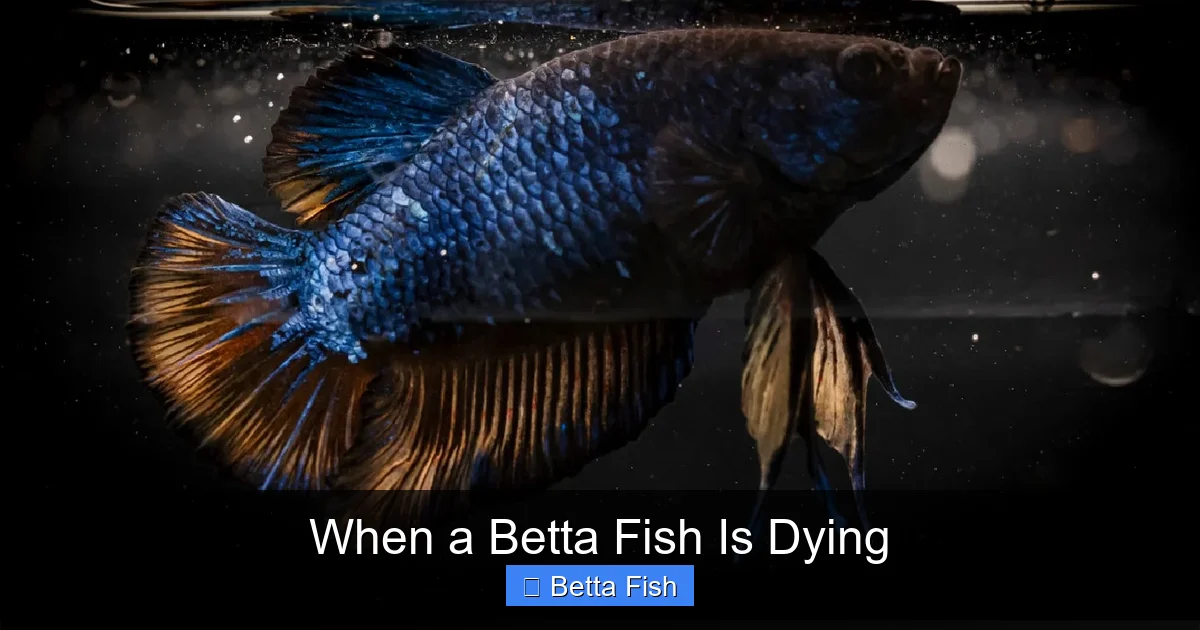
Visual guide about When a Betta Fish Is Dying
Image source: buildyouraquarium.com
Water Quality: The Silent Killer
This cannot be overstated. Bettas are often sold in tiny, uncycled cups. This conditions owners to believe they can live in dirty water. They cannot. A healthy betta lives in a cycled, filtered aquarium where beneficial bacteria convert toxic ammonia and nitrite into less harmful nitrate. In an uncycled tank, or one with infrequent water changes, ammonia burns the gills and skin, leading to respiratory failure, organ damage, and death. Nitrate poisoning causes similar internal stress. The solution is a reliable liquid water test kit (not test strips) and a strict maintenance schedule: weekly 25-50% water changes in a properly cycled 5+ gallon tank.
Temperature Extremes and Shock
Bettas are tropical fish. Their immune system functions optimally between 78-80°F (25.5-26.5°C). Water below 76°F slows their metabolism to a crawl, crippling their ability to fight off pathogens. This is a common issue in small, unheated tanks or rooms that get cold at night. Conversely, sudden temperature spikes from a heater malfunction or direct sunlight can cause fatal shock. Always use an adjustable heater with a separate thermometer to verify accuracy.
Inappropriate Diet and Overfeeding
Malnutrition weakens a betta. A diet of only dried pellets lacks essential vitamins. Conversely, overfeeding leads to constipation (which can cause swim bladder issues) and massive water quality crashes from decaying food. A proper diet is high-quality pellets as a staple, supplemented with occasional frozen or live foods like daphnia or bloodworms.
Aggressive Tank Mates or Bullying
Despite their name, Siamese fighting fish are often shy and stressed by boisterous, nippy tank mates (like tiger barbs or certain tetras). Constant harassment leads to chronic stress, suppressing the immune system and making the betta susceptible to disease. A solitary betta is often the healthiest betta.
Poisoning from Contaminants
This includes soap or chemical residue from cleaning decorations with tap water (always rinse with dechlorinated water), using untreated tap water for water changes, or introducing toxic items like certain rocks or driftwood that leach harmful substances. Always use a water conditioner that neutralizes chlorine, chloramine, and heavy metals.
Immediate Action Plan: What to Do When You Suspect Your Betta Is Dying
Time is of the essence. Do not simply watch and wait. A swift, calm response can mean the difference between life and death, or at the very least, a more peaceful passing.
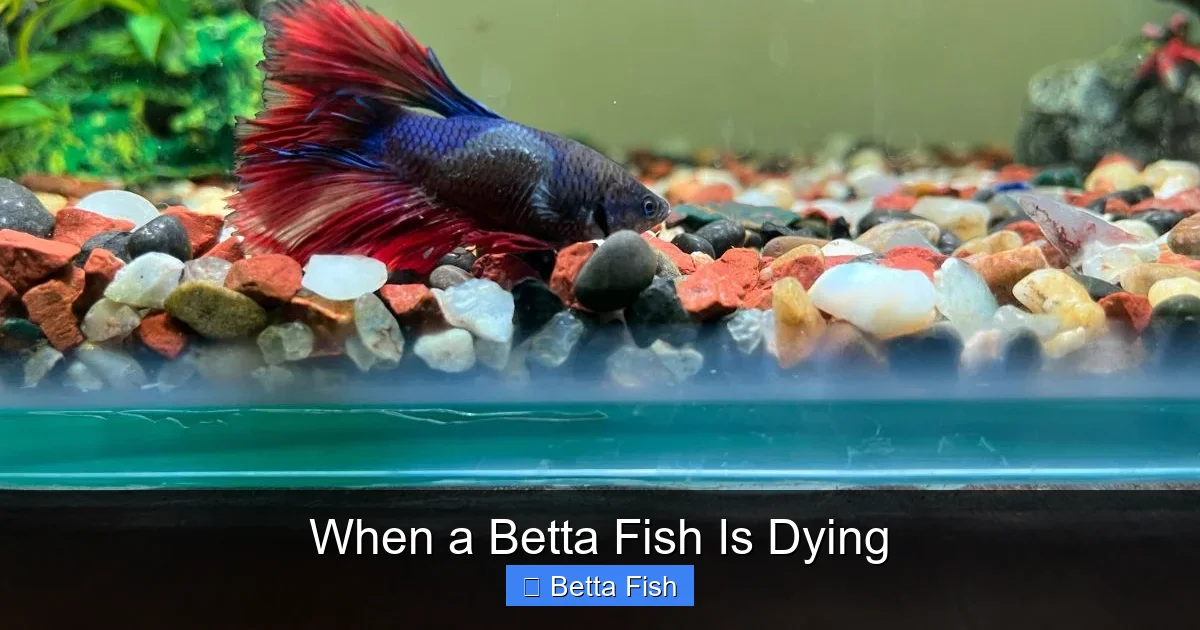
Visual guide about When a Betta Fish Is Dying
Image source: housedpet.com
Step 1: Isolate in a Hospital Tank
Immediately move the betta to a clean, bare quarantine or hospital tank. This should be at least 2-3 gallons. No substrate, no décor that can harbor bacteria, just a heater, a gentle filter (like a sponge filter), and a hiding place like a single PVC pipe or terracotta pot. This eliminates stress from curious tank mates, allows for precise water parameter control, and prevents a potential disease from spreading to other fish. The water should be the same temperature and chemistry as the main tank to avoid further shock.
Step 2: Test and Correct Water Parameters
Using your liquid test kit, check the hospital tank water for ammonia, nitrite, nitrate, and pH. If any are elevated (ammonia/nitrite should be 0, nitrate under 20 ppm), perform a 50% water change with properly dechlorinated, temperature-matched water. Repeat daily until parameters are pristine. Clean water is the single most powerful medicine.
Step 3: Optimize the Environment
Ensure the heater is set accurately to 78-80°F. Reduce or eliminate flow from the filter—bettas are weak swimmers and strong currents cause exhaustion. You can use a sponge filter or baffle a hang-on-back filter with a sponge. Keep the tank in a quiet, low-traffic area with consistent lighting (no sudden flashes). Add a few Indian Almond Leaves or aAPI Stress Coat to help soothe the fish’s slime coat and reduce stress.
Step 4: Observe and Consider Medication (Cautiously)
Based on observed symptoms, you may consider a broad-spectrum antibacterial or antiparasitic medication (like Maracyn 2 for bacterial infections or a formalin dip for external parasites). However, do not shotgun medicate. If the primary issue is water quality, medication will only add toxic load to the fish’s system. Use medication only if you have a strong suspicion of a specific disease and have ruled out environmental causes. Always follow dosing instructions precisely and remove carbon from the filter during treatment.
Step 5: The Decision for Euthanasia
If there is no improvement after 24-48 hours of pristine water and optimal conditions, or if the fish is clearly in distress (gasping, unable to maintain balance, massive sores), consider humane euthanasia. Letting a fish suffer is not kind. The most recommended method is clove oil emulsion. It is a natural anesthetic that, at a high dose, gently stops the heart. It is peaceful and painless. Research the exact protocol (vets and advanced hobbyist forums have reliable guides) before attempting. A swift, physical method (like a sharp blow to the head followed by pithing) is also used by professionals but requires experience and is not for the faint of heart.
Common Diseases in Dying Bettas: A Diagnostic Guide
When water quality is ruled out, disease is the next likely culprit. Here are the conditions that frequently afflict bettas in their final days.
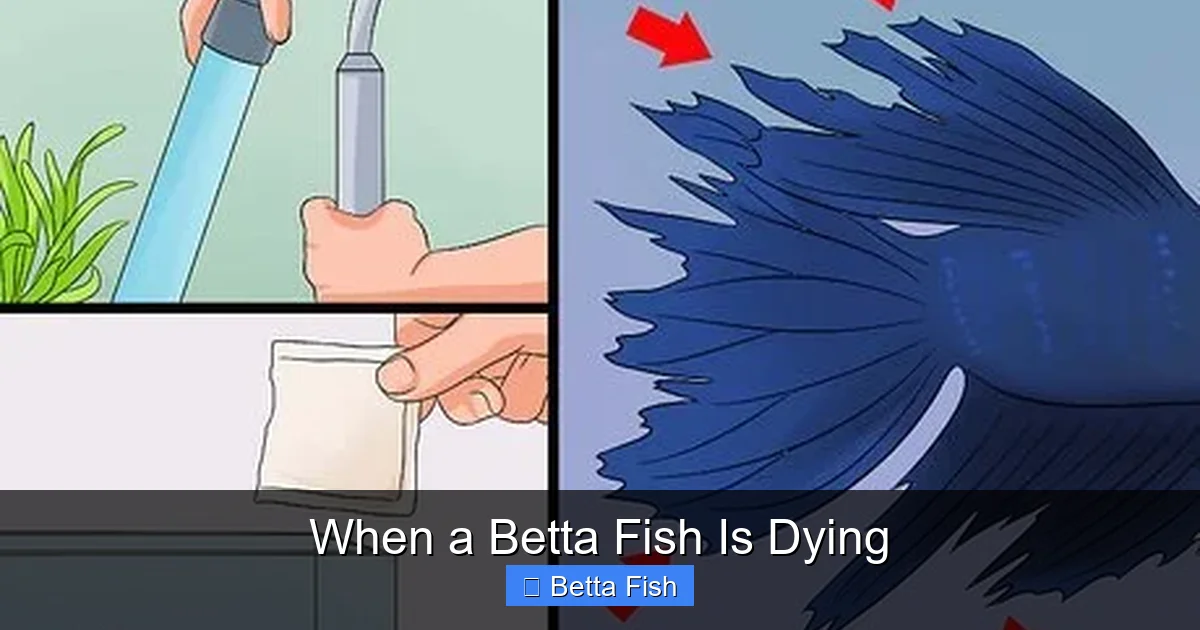
Visual guide about When a Betta Fish Is Dying
Image source: wikihow.com
Fin Rot and Body Rot
Caused by opportunistic bacteria (often Aeromonas or Pseudomonas), this manifests as frayed, blackened, or white-rimmed fins that gradually disintegrate. It starts at the edges but can progress to create large, open sores on the body. It smells foul. It is almost always secondary to poor water quality or physical injury. Treatment: pristine water, antibacterial medication (e.g., Kanamycin, Furan-2), and salt baths (only in a hospital tank, not for egg-bearing females).
Velvet Disease (Oodinium)
A parasitic infection that looks like a fine gold or rust dusting on the fish’s body, especially visible under a flashlight. The fish will scratch against objects (flashing), clamp its fins, and become lethargic. It is highly contagious and fatal if untreated. Treatment: raise temperature to 82-84°F (to speed the parasite’s life cycle), use a copper-based medication or formalin/malachite green treatments (with caution, as they are toxic to invertebrates), and maintain impeccable water quality.
Dropsy (Bacterial Sepsis)
This is not a disease itself but a symptom of severe internal bacterial infection causing fluid buildup. The classic sign is “pineconing”—the scales stand out like a pinecone, giving the fish a bloated, swollen appearance. The fish is lethargic, often with raised scales starting near the head. Dropsy has a very poor prognosis; by the time pineconing is visible, organ failure is advanced. Treatment is aggressive with broad-spectrum antibiotics in a hospital tank, but success is rare at this stage.
Swim Bladder Disorder (SBD)
This affects buoyancy. The fish may float uncontrollably to the top, sink and struggle to rise, or swim sideways/upside down. Causes include overfeeding/constipation, bacterial infection, parasites, or physical injury to the bladder. For constipation, fast for 3 days, then feed a cooked, skinned pea. For suspected infection, treat with an antibiotic like Maracyn 2. SBD itself isn’t always fatal, but an underlying cause like severe infection or dropsy is.
Prevention: The Lifelong Commitment to a Thriving Betta
The ultimate goal is to never reach the point where you are asking “when a betta fish is dying.” Prevention is built on the pillars of proper husbandry.
The Non-Negotiable Tank Setup
Forget the “betta in a vase” myth. A true home is a minimum of 5 gallons, filtered, heated, and cycled. The filter should provide gentle flow; baffle it if needed. Use a secure lid—bettas are notorious jumpers. Provide plenty of soft, silk or live plants (like Anubias, Java Fern) for resting and hiding, which reduces stress. A bare tank is a stressful tank.
The Science of Water Maintenance
Cycle your tank fully before adding a betta. This means establishing colonies of beneficial bacteria by adding an ammonia source and testing until ammonia and nitrite read zero and nitrates are present. Once cycled, perform weekly water changes of 25-50%, vacuuming the substrate to remove waste. Never change 100% of the water at once, as this destroys beneficial bacteria and shocks the fish. Always treat tap water with a complete dechlorinator.
Nutritional Excellence
Feed high-quality pellets as the base (Hikari Betta Bio-Gold is a popular choice). Supplement 2-3 times a week with frozen or live foods. Feed only what the betta can consume in 2-3 minutes, once or twice a day. One day a week can be a “fast” day to aid digestion. Avoid overfeeding at all costs.
Vigilant Observation
Make it a habit to watch your betta for 5-10 minutes each day during feeding. You are looking for changes in appetite, swimming behavior, fin condition, and body shape. Catching a slight clamp or a tiny spot of white early allows for intervention before it becomes a death sentence.
The Inevitable and the Compassionate: End-of-Life Care and Aftercare
Despite our best efforts, bettas have a finite lifespan, typically 2-4 years, though some reach 5 or more. When the time comes, our role shifts from healer to comforter.
Providing Comfort in Final Days
If your betta is terminally ill but not in acute pain, focus on comfort. Lower the water level slightly to make it easier to reach the surface. Use Indian Almond Leaves to soothe the skin and provide a natural, tannin-rich environment. Keep the water exceptionally clean with small, frequent water changes. Minimize all disturbances—no tapping on the glass, no tank rearranging. Just quiet, calm presence.
Making the Humane Choice
This is the hardest part of pet ownership. Quality of life is the metric. Ask: Is my betta still interested in food? Can it swim without visible struggle? Is it free from open, bleeding sores or extreme bloating? If the answer is “no” to most of these, suffering is likely present. Choosing euthanasia is not failure; it is the final, selfless act of love to prevent unnecessary pain.
Aftercare and Grieving
Bettas are more than “just fish.” They have distinct personalities. Allow yourself to grieve. Have a plan for the remains—a small burial in a garden, a keepsake box. Flushing is not respectful. Talk about it. Remember the good times—the flare displays, the eager swimming to the front of the tank. The love you gave it defined its life. That matters.
Conclusion: The journey of “when a betta fish is dying” is a profound lesson in responsibility, observation, and compassion. It teaches us that the beauty of these creatures lies not just in their dazzling colors but in the depth of care we are willing to provide. By mastering the signs of distress, understanding the critical importance of water and temperature, and committing to a pristine tank environment, you arm yourself against most causes of premature death. When the inevitable does arrive, armed with knowledge, you can provide solace, make peaceful decisions, and honor the life of your little aquatic companion with dignity and love. Your betta’s legacy is the care you gave it, from the first vibrant day to the last quiet one.
Frequently Asked Questions
How can I tell if my betta is dying or just sleeping?
Sleeping bettas often rest on plants or the tank bottom but will quickly perk up and swim when gently prodded or when food is offered. A dying betta shows prolonged, unresponsive lethargy, clamped fins, faded color, and will not eat. It may also be breathing rapidly or erratically even while motionless.
Can a betta fish recover if it’s already showing signs of dying?
Recovery is possible but depends entirely on the cause and how quickly you intervene. If the primary issue is poor water quality or temperature, correcting these within hours can lead to a remarkable rebound. If a disease like dropsy or severe velvet has progressed, the prognosis is poor. Immediate isolation and pristine water are the first critical steps.
What is the kindest way to comfort a betta that is clearly dying?
Move it to a clean, bare hospital tank with gentle flow and a stable temperature of 78-80°F. Add Indian Almond Leaves to soothe its skin. Perform small, daily water changes to keep the water immaculate. Reduce all stress—no loud noises, tank tapping, or disturbances. Simply providing a quiet, clean space is the greatest comfort in its final hours.
What’s the single most common mistake betta owners make that leads to their fish dying?
Keeping the betta in an uncycled, unfiltered, and/or unheated small tank (like a vase or bowl). This creates chronically toxic water and cold stress, which crushes the immune system and makes the fish vulnerable to every pathogen in the water. A properly cycled, filtered, and heated tank of at least 5 gallons is non-negotiable for long-term health.
Should I change the water if my betta is dying? Won’t that stress it more?
Yes, absolutely. Dirty water is poisoning the fish. A partial (25-50%) water change with properly dechlorinated, temperature-matched water is one of the most life-saving actions you can take. The stress of clean water is far less than the constant physiological stress of living in toxic water. Do this immediately in a hospital tank.
How long can a betta fish live without food? Is not eating always a death sign?
A healthy betta can go 1-2 weeks without food. Therefore, a temporary loss of appetite (1-2 days) is not, by itself, a death sentence and can be a sign of stress or constipation. However, combined with other symptoms like lethargy, clamped fins, and fading color, a complete refusal to eat for several days is a very serious indicator of a systemic problem or that the fish is dying.