How to Make Betta Fish Grow Bigger
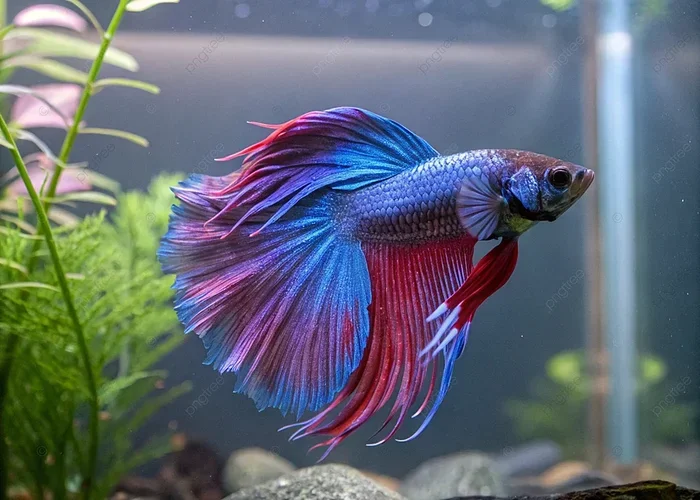
Want to know how to make betta fish grow bigger? The secret lies in proper tank setup, a high-quality diet, clean water, and consistent care. This guide covers everything you need to help your betta reach its full size and live a long, healthy life.
Have you ever wondered how to make betta fish grow bigger? Maybe your betta looks smaller than you expected, or you just want to give your fish the best chance to reach its full potential. Whatever the reason, you are in the right place.
Growing a betta fish bigger is not about magic tricks. It comes down to the basics: the right tank, the right food, clean water, and a little patience. In this guide, we will walk you through every step you need to take. By the end, you will know exactly what to do to help your betta grow to its fullest size.
Betta fish are beautiful, vibrant creatures that bring life to any room. But many fish owners do not realize that tank conditions and feeding habits play a huge role in how big their bettas actually get. Let us change that. Here is everything you need to know about helping your betta fish grow bigger.
Key Takeaways
- Tank Size Matters: A larger tank gives your betta room to grow and thrive.
- Diet Drives Growth: Feeding high-protein foods helps bettas gain size and strength.
- Water Quality Is Critical: Clean, properly heated water supports healthy growth.
- Consistent Care Pays Off: Daily attention and regular maintenance lead to bigger, happier fish.
- Avoid Common Mistakes: Overfeeding, small tanks, and poor water conditions stunt growth.
📑 Table of Contents
Understanding Betta Fish Growth
Before you dive into the tips, it helps to understand how betta fish grow. Bettas go through several stages of development from tiny fry to full-grown adults. Knowing what to expect can help you set realistic goals and track your fish’s progress.
How Fast Do Betta Fish Grow?
Baby bettas, also called fry, grow quickly in their first few months. A healthy betta can reach about 1 to 1.5 inches by the time it is three months old. From there, growth slows down but continues until the fish reaches its full size at around 6 to 12 months.
Most male bettas reach about 2.5 to 3 inches in length. Females tend to be slightly smaller. But with the right care, you can help your betta reach the upper end of that range. The betta fish growth rate depends heavily on environment and nutrition.
What Determines Betta Fish Size?
Several factors determine how big your betta will get:
- Genetics: Some bettas are simply bred to be larger.
- Tank Size: A cramped tank limits growth and overall health.
- Diet: Nutrient-rich food fuels proper development.
- Water Quality: Clean water reduces stress and supports growth.
- Temperature: Warm water keeps metabolism active and healthy.
If you want your betta to grow bigger, you need to optimize all of these factors. Let us get into the details.
Choose the Right Tank Size
The single most important thing you can do for your betta’s growth is to give it enough space. Many people keep bettas in tiny bowls, but this severely limits their potential. A small tank restricts movement, builds up toxins faster, and causes stress.
What Size Tank Does a Betta Need?
Most experts agree that a minimum of 5 gallons is ideal for a single betta. A 10-gallon tank is even better. The more space your fish has, the more it can swim, explore, and grow.
Here is a quick comparison of tank sizes:
- 1-2 Gallons: Too small. Stunts growth and harms health.
- 5 Gallons: Minimum recommended size for a betta.
- 10 Gallons: Ideal size for optimal growth and comfort.
- 20+ Gallons: Excellent if you plan to keep other peaceful fish.
If you are just starting out, check out our guide on how to set up a fish tank for betta fish for step-by-step instructions. A proper tank setup makes a huge difference in your betta’s growth and happiness.
Why Bigger Tanks Help Fish Grow
Larger tanks provide more stable water parameters. They dilute waste products and give your fish room to exercise. Exercise is important for muscle development and overall size. A betta that can swim freely in a spacious tank will always be healthier and bigger than one kept in a cramped bowl.
Feed a High-Quality Diet
Food is fuel. And just like any living creature, a betta needs the right nutrients to grow. Feeding your betta a high-protein diet is one of the most effective ways to promote bigger size.
Best Foods for Betta Growth
Bettas are carnivores by nature. They need protein-rich foods to thrive. Here are the best options:
- Betta Pellets: High-quality pellets formulated for bettas should be your staple food. Look for brands with real fish meal as the first ingredient.
- Frozen or Live Foods: Bloodworms, brine shrimp, and daphnia are excellent protein sources that encourage growth.
- Freeze-Dried Foods: These are convenient and still packed with nutrients.
- Mosquito Larvae: A natural treat that bettas love and that boosts their protein intake.
Feeding Schedule and Portions
How you feed matters just as much as what you feed. Overfeeding is one of the most common mistakes betta owners make. It leads to obesity, poor water quality, and actually slows down growth.
Follow these simple feeding tips:
- Feed your betta 2 to 3 small meals per day.
- Only give what your fish can eat in 2 to 3 minutes.
- Remove any uneaten food after feeding.
- Skip one feeding day per week to support digestion.
Want to make your own betta food at home? Check out our article on how to make betta fish food at home for easy, healthy recipes your fish will love.
Maintain Excellent Water Quality
Clean water is the foundation of a healthy betta. Dirty water causes stress, disease, and stunted growth. If you want to know how to make betta fish grow bigger, keeping the water pristine is non-negotiable.
Water Parameters for Optimal Growth
Bettas thrive in specific water conditions. Here is what you should aim for:
- Temperature: 76-82°F (24-28°C). Use a reliable tank heater to maintain stable warmth.
- pH Level: 6.5 to 7.5 is ideal.
- Ammonia: 0 ppm (parts per million). Any ammonia is harmful.
- Nitrite: 0 ppm. Toxic to fish even in small amounts.
- Nitrate: Below 20 ppm. Keep it as low as possible.
Regular water changes are essential. Aim for a 25-30% water change every week. This removes waste buildup and keeps the environment fresh. If you are unsure how to prepare the right water, read our guide on how to prepare water for a betta fish.
Why Water Quality Affects Growth
When water quality drops, your betta’s body goes into stress mode. Instead of growing, it focuses on survival. Stress hormones suppress the immune system and slow down physical development. Clean water keeps your fish relaxed and focused on growing.
Also, make sure your tank has a gentle filter. Bettas do not like strong currents, but a sponge filter helps keep water clean without stressing your fish. Learn more about how to properly care for betta fish for more water maintenance tips.
Create a Stress-Free Environment
Stress is the enemy of growth. A stressed betta will not grow properly, no matter how well you feed it. Creating a calm, comfortable environment is key to helping your fish reach its full size.
Tank Setup Tips
Here are some ways to make your betta’s tank a peaceful place:
- Add Plants: Live or silk plants give your betta places to hide and explore. They also help oxygenate the water.
- Use Soft Lighting: Bright lights can stress bettas. Keep the lighting moderate.
- Avoid Aggressive Tank Mates: Bettas are solitary fish. Keep them away from fin-nipping or aggressive species.
- Provide Hiding Spots: Caves and decorations give your betta a sense of security.
If you are thinking about adding plants, our guide on how to setup a betta fish bowl with a plant can help you get started. A well-decorated tank makes for a happy, growing betta.
Signs of a Stressed Betta
Watch for these warning signs that your betta may be stressed:
- Clamped fins (fins held close to the body)
- Loss of color or fading
- Hiding constantly
- Refusing food
- Rapid breathing or gasping at the surface
If you notice any of these signs, check your water parameters first. Then look at the tank setup and make adjustments. Reducing stress will unlock your betta’s natural growth potential.
Keep the Water Warm and Stable
Bettas are tropical fish. They need warm water to stay active and grow properly. Cold water slows down their metabolism and can make them sluggish and small.
A good aquarium heater is essential. Set it to maintain a steady temperature between 78 and 80°F. Fluctuations in temperature cause stress, so try to keep the environment as stable as possible.
If you are struggling to keep your tank warm, our article on how to make my betta fish tank warmer offers practical solutions. A warm tank supports a strong appetite and active growth.
Common Mistakes That Stop Betta Growth
Many betta owners unknowingly make mistakes that hold their fish back. Here are the most common ones to avoid:
Overfeeding
It is tempting to give your betta too much food. But uneaten food rots in the tank and pollutes the water. This leads to health problems and stunted growth. Stick to small, measured portions.
Keeping Bettas in Tiny Bowls
Those small decorative bowls look cute, but they are terrible for betta growth. A bowl under 3 gallons limits your fish’s potential significantly. Upgrade to at least a 5-gallon tank.
Ignoring Water Changes
Even with a filter, waste builds up over time. Skipping water changes allows toxins to accumulate. Your betta will suffer, and its growth will slow down.
Feeding the Wrong Foods
Feeding your betta only flakes designed for tropical community fish is not enough. Bettas need protein-rich, species-specific nutrition. Invest in quality betta pellets and supplement with frozen or live foods.
How to Track Your Betta’s Growth
Once you start implementing these tips, you will want to track your betta’s progress. Here is how to do it effectively:
- Measure Weekly: Use a small ruler or measuring tape to record your betta’s length from nose to tail.
- Take Photos: Weekly photos help you visually see the changes over time.
- Note Appetite: A healthy appetite often correlates with steady growth.
- Monitor Behavior: Active, curious behavior usually means your betta is thriving.
Tracking gives you motivation and helps you catch any problems early. If growth stalls despite your best efforts, it is time to review water quality, diet, and tank conditions.
For more tips on boosting your betta’s development, also check out our guide on how to make betta fish grow faster for additional strategies that complement the advice in this article.
Conclusion
Helping your betta fish grow bigger is a rewarding journey. It all comes down to giving your fish the right environment, the right food, and the right care. A spacious tank, clean warm water, a protein-rich diet, and a stress-free home are the foundations of big, healthy bettas.
Remember, growth takes time. Do not expect overnight results. Be patient, stay consistent, and enjoy watching your betta thrive. Your efforts will pay off with a vibrant, energetic fish that reaches its full, beautiful size.
Start implementing these tips today. Your betta will thank you with bigger fins, brighter colors, and a longer, happier life. The journey to a bigger betta starts with the choices you make right now.
Frequently Asked Questions
How big can betta fish actually get?
Most male bettas reach 2.5 to 3 inches in length, while females are typically 2 to 2.5 inches. With optimal care, some bettas can exceed these sizes. Genetics, diet, and tank conditions all play a role in determining your betta’s final size.
How long does it take for a betta fish to reach full size?
Bettas reach their full size within 6 to 12 months. Growth is fastest in the first 3 to 4 months when they are young. After that, growth slows but continues as the fish matures into adulthood.
Can a small tank make a betta fish stop growing?
Yes, keeping a betta in a tank that is too small can stunt its growth. Small tanks accumulate toxins faster and cause chronic stress, both of which limit physical development. A 5-gallon tank or larger is recommended for healthy growth.
What is the best food to make betta fish grow bigger?
High-protein foods like quality betta pellets, bloodworms, brine shrimp, and daphnia are the best for promoting growth. A varied diet that includes both pellets and frozen or live foods gives your betta the nutrients it needs to reach its full size.
Does water temperature affect betta fish growth?
Yes, water temperature has a direct impact on betta growth. Warm water between 76 and 82°F keeps their metabolism active, which supports healthy development. Cold water slows their system down and can lead to stunted growth and health problems.
How often should I change the water in my betta tank?
A 25 to 30 percent water change every week is ideal for most betta tanks. This removes harmful waste buildup without disrupting beneficial bacteria. Consistent water changes keep the environment clean and support steady, healthy growth.