What Can I Put in with My Male Betta Fish
The best additions to a male betta fish tank include peaceful community fish, cherry shrimp, snails, and live plants. Understanding your betta’s territorial nature helps you choose companions that won’t trigger aggression. This guide covers everything from the safest tank mates for male betta fish to common mistakes you should avoid.
Key Takeaways
- Male bettas need careful tank mate selection: Their territorial nature means not every fish works well together in a shared aquarium.
- Peaceful community fish like guppies make great companions: They share similar water conditions and temperaments with male bettas.
- Invertebrates like cherry shrimp and snails are safe additions: They stay out of your betta’s way and help keep the tank clean.
- Live plants and decorations reduce stress: They create hiding spots and break up lines of sight between fish.
- Tank size matters enormously: A minimum of 10 gallons gives everyone room to thrive without feeling crowded.
- Watch for signs of stress after adding new tank mates: Early detection prevents serious health problems and aggression.
📑 Table of Contents
Understanding Male Betta Fish Behavior
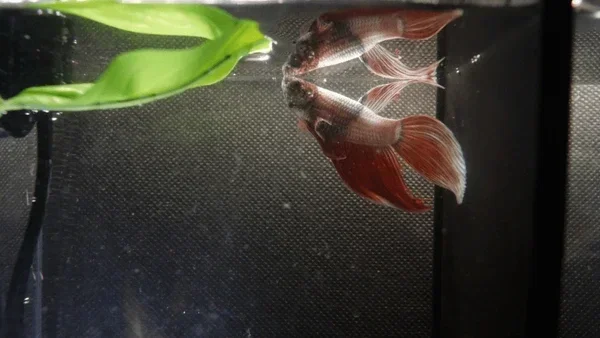
Male betta fish are stunning creatures with flowing fins and vibrant colors. But they also carry a reputation for being aggressive. This reputation comes from their natural instincts. In the wild, male bettas defend their territory fiercely from other males. They see bright, long-finned fish as potential rivals.
Understanding this behavior is the first step toward picking the right companions. A male betta will flare its gills and spread its fins when it feels threatened. This display is meant to scare off rivals. But in a small aquarium, it can cause constant stress. Stressed bettas get sick more easily. They may stop eating or develop fin rot. A happy betta, on the other hand, is curious and active.
So what can you do? The answer lies in choosing the right tank mates for your male betta. Not every fish will trigger aggression. Some species are calm enough to coexist peacefully. The key is knowing which ones work and which ones don’t. Let’s explore this in detail.
Why Male Bettas Are Territorial
Male bettas go by the name “Siamese fighting fish” for a reason. They were bred for centuries to fight each other. This genetic history makes them naturally defensive of their space. Even in a well-set-up aquarium, a male betta will claim a certain area as its own.
Territorial behavior shows up in different ways. Some bettas flare at every movement near the tank. Others chase fish that swim too close to their favorite spot. The good news is that not all male bettas are equally aggressive. Some are laid-back and tolerant. It all depends on the individual fish and how it was raised. A betta that was raised in a community setting may be more accepting of tank mates than one raised in isolation.
What Territorial Behavior Means for Tank Mates
When you add companions to a male betta’s home, you need to think carefully. Fish that look similar to bettas often trigger the most aggression. Bright colors and long fins are red flags. Fish that swim fast and invade personal space are also problematic.
Instead, look for companions that are peaceful and non-confrontational. Fish that stay in different areas of the tank work best. Bottom dwellers, for example, rarely cross paths with a betta that stays near the top. This separation reduces the chance of conflict. It also gives your betta a sense of security. A secure betta is a healthy betta.
What Can I Put in with My Male Betta Fish: Best Tank Mates
Now that you understand betta behavior, let’s talk about the best companions. Choosing the right tank mates for male betta fish can transform your aquarium into a vibrant community. The right friends bring energy and interest without the stress.
If you want to explore more options, check out our full guide on what fish can I put with my betta. It covers a wide range of compatible species in detail.
Peaceful Community Fish That Work
Several peaceful fish species make excellent companions for male bettas. These fish share similar water preferences and temperaments. They also tend to stay in their own part of the tank, which minimizes conflict.
Guppies are one of the most popular choices. They are small, colorful, and very active. Guppies stick to the middle and top of the tank, which keeps them away from the betta’s favorite spots. Learn more about keeping bettas with guppies in our article on can I put my betta fish with guppies.
Neon tetras are another great option. They are small, fast, and stay in tight schools. Their speed helps them avoid betta attention. Corydoras catfish are bottom dwellers that mind their own business. They scavenge for food without bothering the betta. Ember tetras add a warm orange glow to any betta tank. Harlequin rasboras are calm and hardy, making them reliable companions.
Here is a quick comparison of the best community fish for male bettas:
- Guppies: Easy to care for, colorful, and active. Best kept in small groups of three to five.
- Neon tetras: Peaceful schooling fish that stay in the middle water column and avoid the betta’s territory.
- Corydoras catfish: Bottom dwellers that help clean leftover food from the substrate without bothering the betta.
- Ember tetras: Small, orange-colored fish that add warmth and movement to a betta tank.
- Harlequin rasboras: Calm and hardy schooling fish that coexist well with male bettas.
Fish to Avoid With Male Bettas
Not every fish belongs in a betta tank. Some species will trigger aggression or stress. Avoiding these fish keeps your betta healthy and happy. If you are unsure about compatibility, always research before adding a new fish.
Avoid other bettas unless you have a very large tank with lots of hiding spots. Male bettas will fight other males to the death. Even with dividers, the stress of seeing another male nearby can harm their health. Female bettas can sometimes live together, but this requires a carefully planned setup with plenty of space.
Fish with bright colors and long fins are also risky. Fish like angelfish or fancy guppies with elaborate tails might be mistaken for rival bettas. Fin nippers like tiger barbs should also be avoided. They will harass your betta and damage its beautiful fins over time.
For more specific guidance on smaller species, read our piece on can I put smaller fish with a male betta. It covers which small species are safe and which are not.
Invertebrates and Snails as Betta Companions
Fish are not the only option for tank mates. Invertebrates like snails and shrimp can make wonderful additions. They stay out of the betta’s way and provide useful benefits to the tank. Many aquarists find that these creatures add a unique dimension to their aquarium.
If you’re curious about shrimp specifically, our article on can I put my betta fish with cherry shrimp goes into great detail on this topic.
Cherry Shrimp and Other Shrimp Species
Cherry shrimp are tiny and peaceful. They spend most of their time grazing on algae and leftover food. Because they are so small, they know how to stay out of a betta’s way. Most male bettas ignore them completely. The shrimp go about their business while the betta patrols its territory.
Some bettas might try to snack on baby shrimp, though. This is natural behavior and not a cause for alarm. The adult shrimp usually reproduce fast enough to maintain their population. Other shrimp species like amano shrimp are larger and harder for bettas to catch. Amano shrimp are also excellent algae eaters, which means they help keep your tank clean.
When adding shrimp, make sure your tank has plenty of moss and plants. These give the shrimp hiding spots where they can feel safe. A well-planted tank benefits both the shrimp and your betta.
Snails That Work Well With Bettas
Snails are excellent tank mates for male bettas. They are slow-moving and peaceful. They won’t compete with your betta for food or territory. Instead, they help keep the tank clean by eating algae and decaying plant matter. This natural cleaning service is a huge bonus for any betta owner.
Nerite snails are a top choice. They are hardy, stay small, and won’t reproduce in freshwater. This means you won’t end up with a snail overpopulation. Mystery snails are another popular option. They are larger and more visible, which some betta owners find entertaining to watch. Just make sure your tank has enough algae or supplemental food for the snails. A well-fed snail is a healthy snail.
Plants and Decorations for Your Betta Tank
While not living creatures, plants and decorations play a huge role in your betta’s comfort. The right setup reduces stress and gives your betta a sense of security. A well-decorated tank also makes it easier to introduce tank mates safely. Plants and décor create the environment where peaceful coexistence becomes possible.
Live Plants That Benefit Your Betta
Live plants are the best choice for a betta tank. They improve water quality and provide natural hiding spots. Bettas love to rest on broad leaves like those of amazon sword plants and anubias. Floating plants like frogbit and salvinia are also great because they diffuse light and create a natural feel. Bettas especially appreciate the dim lighting that floating plants provide, since they come from slow-moving, heavily vegetated waters in the wild.
Plants also give shy tank mates a place to hide. This is especially important when you first introduce new fish. The plants break up lines of sight, which reduces territorial aggression from your betta. Over time, the plants establish themselves and become a natural part of the aquarium ecosystem.
Decorations That Create Safe Zones
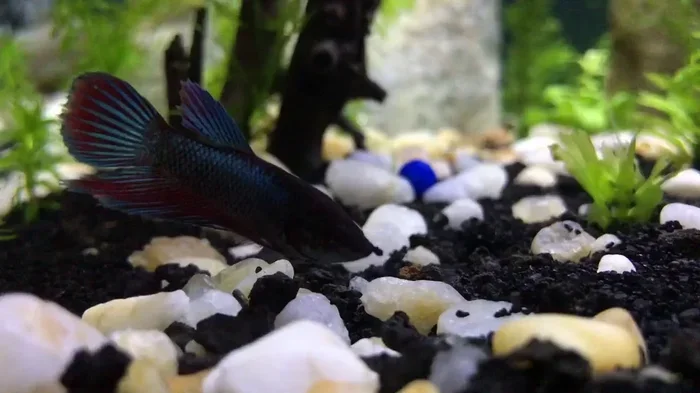
Decorations like caves, driftwood, and rocks serve a practical purpose. They create territories within the tank. Your betta can claim a favorite spot without feeling the need to chase other fish away. This reduces overall aggression and makes the tank more peaceful for everyone.
Use caves and overhangs to give smaller fish escape routes. If a fish feels threatened, it can retreat to a safe spot. This simple addition can make the difference between a peaceful tank and a stressful one. Soft substrate like sand is also a good choice, as it protects the barbels of bottom-dwelling fish like corydoras.
Common Mistakes When Adding Tank Mates
Even with the best intentions, mistakes happen. Many betta owners learn the hard way that not every addition works out. Knowing these common pitfalls helps you avoid them and set up a successful community tank from the start.
Overcrowding the Tank
One of the biggest mistakes is adding too many fish at once. Overcrowding leads to poor water quality and increased aggression. A small tank cannot handle the waste produced by too many inhabitants. Ammonia and nitrite levels can spike quickly, putting all your fish at risk.
As a general rule, stick to one or two new tank mates at a time. Give your betta time to adjust before adding more. A 10-gallon tank is the minimum recommended size for a betta with a few companions. Larger tanks are always better because they provide more stable water conditions and more space for everyone to establish their own territories.
Ignoring Signs of Stress
After adding new tank mates, watch your betta closely. Signs of stress include clamped fins, loss of color, and hiding more than usual. If you notice these behaviors, something is wrong and needs attention.
Sometimes the new fish is bullying the betta. Other times, the betta is chasing the new arrival. In either case, you may need to separate the fish. A divider or a backup tank can save lives. Do not wait too long to act. Stress weakens the immune system and leads to disease. A stressed betta is far more susceptible to infections like fin rot and ich.
Final Thoughts
Adding companions to your male betta’s tank is a rewarding experience. The right tank mates for male betta fish bring life and movement to your aquarium. They also create a more natural and engaging environment for your fish. With careful planning, you can build a thriving community tank that showcases your betta’s beauty.
Start with peaceful species that stay in their own part of the tank. Cherry shrimp, snails, and small community fish are all excellent choices. Always monitor your betta’s behavior after introductions. Patience and observation are your best tools for success.
Remember that every betta is an individual. What works for one fish might not work for another. Pay attention to your betta’s personality and adjust accordingly. With the right setup and companions, your male betta can thrive in a beautiful community aquarium. The key is to take it slow, research every addition, and always prioritize the health and comfort of your fish.
Frequently Asked Questions
Can I put two male bettas in the same tank?
No, two male bettas should never share a tank. They will fight aggressively and can seriously injure or kill each other. Even with dividers, the stress of seeing another male nearby can harm their health. Always keep male bettas in separate tanks.
What is the best tank size for a male betta with tank mates?
A minimum of 10 gallons is recommended for a male betta with companions. Larger tanks provide more space and reduce territorial behavior. A 20-gallon tank gives you more flexibility when choosing tank mates and makes the environment more stable for all inhabitants.
Can I add tank mates to a male betta right after setting up the tank?
No, you should wait at least two to four weeks after setting up the tank. This allows beneficial bacteria to establish and water parameters to stabilize. Adding fish too early can lead to ammonia spikes and stressed fish. Patience pays off in the long run.
Do bettas get lonely if kept alone?
Bettas are solitary by nature and do not get lonely in the same way social fish do. They prefer their own territory and can live happily alone. However, a well-planted tank with interesting decorations can provide mental stimulation and enrichment for a solo betta.
Are betta fish aggressive toward all other fish?
No, not all bettas are aggressive toward every other fish. Many male bettas coexist peacefully with peaceful community fish and invertebrates. The key is choosing compatible species and monitoring behavior closely. Some bettas are naturally more tolerant than others.
How do I introduce new tank mates to my male betta safely?
Start by placing the new fish in a quarantine tank or breeder box inside the main tank for a few days. This lets both parties get used to each other’s presence without direct contact. Watch for signs of aggression from the betta. If all goes well, release the new fish and continue monitoring closely for the first week.