How Much Should I Feed a Small Betta Fish
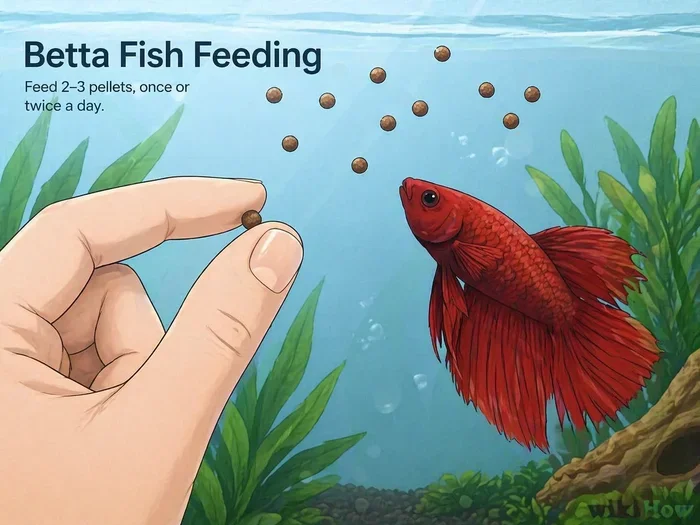
Knowing how much to feed a small betta fish is one of the most important parts of betta care. A tiny stomach the size of their eye means small portions go a long way. Overfeeding is the fastest way to cause health problems, while underfeeding can leave your fish weak and stressed. This guide covers the right amount, how often to feed, and simple tips to keep your betta thriving.
You love your betta fish. You want to give them the best life possible. But when it comes to food, more is not better. How much should I feed a small betta fish? This is a question almost every new betta owner asks. And the answer might surprise you. Bettas have tiny stomachs that can only handle a small amount of food at a time. Feed them too much, and you risk serious health problems. Feed them too little, and they miss out on essential nutrients. In this guide, we will walk through everything you need to know about feeding your small betta fish the right way. You will learn portion sizes, feeding schedules, and common mistakes to avoid.
Getting the feeding amount right is the single most impactful thing you can do for your betta’s health. A well-fed betta fish is a happy betta fish. They will have bright colors, steady energy, and a strong immune system. On the other hand, an overfed betta can develop swim bladder disease, bloating, and other painful conditions. The good news is that feeding your betta correctly is simple once you understand their needs. Let us dive in.
Key Takeaways
- Small bettas need tiny portions: 2-3 pellets or a small pinch of food per meal is enough.
- Feed 2 times a day: Morning and evening is the ideal feeding schedule for adult bettas.
- Overfeeding is the #1 danger: It causes bloating, constipation, and dirty tank water.
- Watch for hunger cues: A betta that begs for food may still be full, so resist overfeeding.
- Variety matters: Rotate between pellets, frozen bloodworms, and daphnia for balanced nutrition.
- Fasting days help digestion: Skip one feeding per week to keep the digestive system healthy.
- Small tank = smaller portions: Less water means waste builds up faster, so keep portions extra small.
📑 Table of Contents
- Understanding Your Small Betta Fish’s Stomach
- How Much Should I Feed a Small Betta Fish? Portion Sizes
- How Often Should You Feed a Small Betta Fish?
- Common Feeding Mistakes to Avoid
- Tips for Perfect Betta Fish Feeding
- How Feeding Affects Betta Fish Health
- Special Considerations for Small Bettas
- Final Thoughts on Feeding Your Small Betta Fish
Understanding Your Small Betta Fish’s Stomach
Before we talk about portion sizes, it helps to understand how a betta’s digestive system works. A betta fish stomach is roughly the size of their eye. That is tiny. Many people do not realize this and end up feeding their betta far too much. Small betta fish are even more sensitive because their stomachs are proportionally smaller than a full-grown betta’s.
When a betta eats too much food at once, the excess sits in their stomach and begins to ferment. This causes bloating and discomfort. Over time, chronic overfeeding leads to constipation and swim bladder issues. The stomach simply cannot process large amounts of food quickly. This is why betta fish feeding schedule and portion control go hand in hand. Less food, more frequently, is the key principle to remember.
Why Size Matters for Small Bettas
A small betta fish, especially one under 2 inches, has even less digestive capacity than a larger betta. Juvenile bettas are still growing and need slightly more protein-rich food, but the portions should still be tiny. A good rule of thumb is to offer only what your betta can consume in under two minutes. If food floats to the bottom and sits there, you have given too much. Uneaten food decays quickly and pollutes the water, which creates a harmful cycle for your fish.
How Much Should I Feed a Small Betta Fish? Portion Sizes
This is the core question every betta owner needs answered. The right portion depends on the type of food you are using. Different foods have different sizes and nutritional densities, so the amount varies slightly.
Betta Pellets
High-quality betta pellets are the staple food for most bettas. For a small betta fish, 2 to 3 pellets per feeding is the sweet spot. Do not eyeball it and just dump a handful in. Betta pellets expand in water, so they look smaller before they hit the tank. Start with 2 pellets and watch your fish eat. If they finish quickly and seem eager for more, you can add one more pellet. If they ignore food after a few minutes, you have gone too far.
If you are unsure about the brand or size of your pellets, check the packaging for feeding guidelines. Many quality betta pellet brands recommend 1 to 3 pellets depending on fish size. For a small betta, always lean toward the lower end. How much to feed a betta fish really comes down to observing your individual fish and adjusting accordingly.
Flakes and Other Foods
Some betta owners use flakes instead of pellets. Flakes are trickier because they are thin and hard to portion. A small pinch, roughly the size of a pea, is enough for one feeding. Flakes also dissolve faster, which can cloud the water. If you use flakes, remove any uneaten bits after a few minutes to keep the tank clean.
Frozen or live foods like bloodworms and brine shrimp are excellent treats. For a small betta, 1 to 2 bloodworms per feeding is sufficient. These should be given as a supplement, not a main meal, because they are high in fat and low in the balanced nutrition pellets provide.
How Often Should You Feed a Small Betta Fish?
Frequency is just as important as portion size. How often should I feed my betta fish? For adult bettas, twice a day is the standard recommendation. Once in the morning and once in the evening works well. This mimics their natural feeding pattern in the wild, where they would eat small meals throughout the day.
For small bettas that are still juvenile, you can feed them 3 times a day in even smaller portions. Growing fish need more frequent nutrition, but each meal should be tiny. As your betta matures, scale back to two feedings per day.
The Importance of Consistency
Bettas thrive on routine. Feeding at the same times each day helps regulate their metabolism and reduces stress. Try to feed your betta at roughly the same hour every morning and evening. This also makes it easier to monitor their appetite. If your betta suddenly stops eating at their usual feeding time, that is a sign something may be wrong.
Many owners ask, how many times a day to feed a betta fish. The answer is simple: twice a day for adults, three times for juveniles. Some experienced keepers also recommend one fasting day per week, where you skip feeding entirely. This gives the digestive system a break and helps prevent constipation.
Common Feeding Mistakes to Avoid
Even the most loving betta owners make feeding mistakes. The good news is that most of these are easy to fix once you know what to look for.
Overfeeding
Overfeeding is the number one killer of betta fish. It is also the most common mistake new owners make. Bettas are voracious eaters and will beg for food even when they are full. Do not mistake begging for hunger. A betta that swims to the top and dances around the food ring is excited, not starving. Can you feed a betta fish too much? Absolutely yes, and the consequences are serious. Bloating, constipation, and fatty liver disease all stem from chronic overfeeding.
Signs of overfeeding include:
- A swollen or distended belly
- Food left uneaten after several minutes
- Cloudy or dirty tank water shortly after feeding
- Lethargy or loss of interest in swimming
- Floating at the top of the tank or difficulty swimming upright
Underfeeding
Underfeeding is less common but still a concern. A betta that does not get enough food will lose color, become lethargic, and eventually waste away. If you are worried about underfeeding, look for a visibly thin body shape and faded colors. The solution is straightforward: slightly increase portion size or add an extra small feeding during the day. But always make adjustments gradually.
Feeding the Wrong Foods
Not all fish food is created equal. Bettas are carnivorous and need a protein-rich diet. Feeding your betta goldfish food or tropical community flakes will not meet their nutritional needs. Some owners wonder, can I feed a betta fish bread? The answer is a firm no. Bread has no nutritional value for bettas and can cause serious digestive blockages. Stick to high-quality betta pellets and occasional protein-rich treats.
| Food Type | Portion for Small Betta | Frequency |
|---|---|---|
| Betta Pellets | 2-3 pellets | Twice daily |
| Flakes | Small pinch (pea-sized) | Twice daily |
| Bloodworms (frozen/live) | 1-2 worms | 2-3 times per week |
| Brine Shrimp | 2-3 small shrimp | 2-3 times per week |
| Daphnia | 2-3 pieces | 1-2 times per week |
| Peas (shelled) | Half a pea, mashed | As needed for constipation |
This betta fish feeding guide table gives you a quick reference to keep on hand. Adjust portions slightly based on your individual fish’s size and appetite.
Tips for Perfect Betta Fish Feeding
Once you understand the basics, a few simple tips can take your feeding routine to the next level. These small adjustments make a big difference in your betta’s overall health and happiness.
Pre-Soak Dry Foods
If you use pellets or flakes, consider soaking them in tank water for a few seconds before adding them to the aquarium. This helps the food sink faster and prevents it from expanding in your betta’s stomach. Expanded food in the gut is one of the leading causes of bloating in bettas.
Watch and Learn Your Fish
Every betta has a unique personality and appetite. Spend time watching your fish during feeding. Learn how fast they eat and how much they consume. Some bettas are greedy eaters and will eat everything you offer, even if they do not need it. Others are picky and may only eat half their portion. Adjust based on what you observe. The more you know your fish, the easier it becomes to get the portions just right.
Keep the Tank Clean
Uneaten food is the primary source of ammonia spikes in betta tanks. Even a few leftover pellets can foul the water in a small tank. Always remove any uneaten food after 3 to 5 minutes. This keeps the water quality high and your betta healthy. If you do not already have a filter, you might want to consider one. Should I use a filter for my betta fish? Yes, a gentle filter helps maintain clean water between feedings and reduces the risk of ammonia buildup.
Use a Feeding Ring or Target Spot
Betta fish are visual hunters. They love to chase and grab food. Using a feeding ring or targeting food to a specific spot makes mealtime more engaging and helps you control how much food is in the tank at any given time. It also prevents food from floating into the filter or settling in hard-to-clean corners.
How Feeding Affects Betta Fish Health
The connection between food and health in bettas is direct and powerful. Proper betta fish nutrition supports vibrant colors, active behavior, and a long lifespan. Bettas that are fed correctly can live 3 to 5 years, sometimes even longer. On the flip side, poor feeding habits can cut a betta’s life short by years.
A balanced diet does more than just fill your betta’s belly. It supports their immune system, helps with digestion, and keeps their swim bladder functioning properly. The swim bladder is a small organ that controls buoyancy. When it becomes damaged from overfeeding or constipation, your betta may float sideways or struggle to stay upright. This condition is painful and stressful for the fish.
Water quality is another critical factor tied directly to feeding. Every time you feed your betta, there is leftover food that decomposes in the water. In a small tank, this happens fast. If you are keeping your betta in a bowl or a tank under 5 gallons, you need to be especially careful about portion sizes. How much space does a betta fish really need? At minimum 5 gallons, but even in a properly sized tank, uneaten food must be removed promptly.
If you ever plan to go on vacation, you might wonder how to handle feeding. How do I feed my betta fish on vacation? For trips under a week, most bettas can skip feedings without issue. For longer trips, an automatic feeder set to a small portion works well. Just make sure to test it before you leave.
Signs Your Betta Is Getting the Right Amount of Food
A well-fed betta shows clear signs of good health. Look for these positive indicators:
- Bright, vivid colors, especially on the fins and body
- Active swimming and exploration of the tank
- Healthy appetite at feeding times without obsessive begging
- Normal, rounded body shape without bloating
- Consistent waste production (a sign of a working digestive system)
- Upright swimming posture without floating or sinking issues
If your betta shows any of these signs, you are likely getting the feeding amount just right. If not, review the portion sizes and frequency and make small adjustments.
Special Considerations for Small Bettas
Small betta fish, particularly those under 2 inches, need extra care when it comes to feeding. Their tiny bodies process food more slowly, and they are more vulnerable to the effects of both overfeeding and underfeeding.
Feeding Baby and Juvenile Bettas
Young bettas, especially fry and juveniles, need more frequent feedings to support their rapid growth. You can feed baby bettas 3 to 4 times a day in micro-portions. Crushed pellets or baby brine shrimp work well for tiny fish. The key is to provide small, frequent meals rather than one large one.
Betta Fish in Small Tanks
If your betta lives in a small tank or bowl, portion control becomes even more critical. Small volumes of water cannot dilute waste effectively. Even a slight overfeeding can cause a spike in ammonia, which is toxic to fish. Always feed the smallest possible portion and remove uneaten food immediately. A small tank betta benefits from a consistent cleaning routine as well. How often do I clean a betta fish bowl? At minimum, a partial water change once a week helps maintain safe water conditions.
When to Adjust Portions
There are times when you should adjust your betta’s food intake. If the water temperature drops, bettas become less active and their metabolism slows. Reduce portions during cooler periods. If your betta is recovering from illness, offer smaller portions and consider soaking food in aquarium salt water for added healing support. During breeding season, you can slightly increase food to support the extra energy demands on the fish.
Final Thoughts on Feeding Your Small Betta Fish
Getting the feeding amount right for your small betta fish is simpler than most people think. The secret is less food, more often, with plenty of variety. Stick to 2 to 3 pellets or a small pinch of flakes twice a day. Watch your fish closely and adjust as needed. Avoid the trap of overfeeding, even when your betta gives you those big, pleading eyes. A healthy feeding routine is one of the greatest gifts you can give your betta fish.
Remember that every betta is different. What works perfectly for one fish might need slight tweaking for another. Use this guide as a starting point, then fine-tune based on your fish’s behavior, body condition, and appetite. With patience and attention, you will find the perfect balance that keeps your small betta fish healthy, colorful, and active for years to come.
If you want to dive deeper into betta care, check out our guide on how to take care of a betta fish for a complete overview of tank setup, water parameters, and daily maintenance routines.
Frequently Asked Questions
How much food should a small betta fish eat per meal?
A small betta fish should eat 2 to 3 pellets or a small pinch of flakes per meal. The food should be something the fish can finish in under two minutes. If there is leftover food after that time, you have given too much.
Can I feed my small betta fish once a day instead of twice?
Twice a day is the recommended feeding frequency for adult bettas. Feeding once a day can work in a pinch, but it may leave your fish underfed over time. If you must feed once a day, slightly increase the portion size and make sure the food is high quality and protein-rich.
What happens if I overfeed my small betta fish?
Overfeeding causes bloating, constipation, and swim bladder problems in bettas. Excess food also decays quickly and pollutes the water, raising ammonia levels. This can lead to infections, lethargy, and in severe cases, death. Always feed small portions and remove uneaten food promptly.
How do I know if my small betta fish is still hungry?
Bettas often beg for food by swimming to the top and hovering near the food ring. However, begging does not always mean hunger. A betta that has recently eaten may still beg out of habit or excitement. Wait at least a few hours between feedings and only offer a small amount if your fish shows genuine hunger cues like active searching for food.
Can I give my small betta fish treats every day?
Treats like bloodworms and brine shrimp should be given 2 to 3 times per week, not daily. They are high in fat and lack the balanced nutrition of staple pellets. Daily treat feeding can lead to nutritional imbalances and obesity in bettas. Use treats as a supplement, not a replacement for their main diet.
Should I skip feeding my small betta fish if the water is cloudy?
Yes, if the water is cloudy or has high ammonia levels, skip feeding for 24 hours. This gives the tank’s beneficial bacteria a chance to process the existing waste. You can also do a partial water change before feeding again. A clean tank is just as important as proper feeding for your betta’s health.