Can Betta Fish Die from Overfeeding
Yes, can betta fish die from overfeeding is a real concern that every betta owner should know about. Overfeeding leads to bloating, constipation, and deadly diseases like swim bladder disorder. In this guide, you’ll learn the warning signs, how much to feed, and simple steps to protect your fish.
Key Takeaways
- Overfeeding is a leading killer: Can betta fish die from overfeeding? Absolutely. Excess food causes bloating, constipation, and fatal diseases.
- Watch for symptoms: Look for bloating, lethargy, floating at the surface, and loss of appetite as warning signs.
- Feed small amounts: Two to three small pellets twice a day is usually enough for a healthy betta.
- Skip the feeder fish: Live feeder fish are often contaminated and contribute to overfeeding problems.
- Act fast if overfed: Skip feeding for a day and add peas to your betta’s diet to reverse mild symptoms.
📑 Table of Contents
How Overfeeding Can Kill Your Betta Fish
Let’s get one thing straight right away. Can betta fish die from overfeeding? The short answer is yes, and it happens more often than most people realize. Many betta owners love their fish so much that they can’t resist tossing in a few extra pellets. After all, how harmful could a couple of tiny pieces of food be?
The truth is that overfeeding a betta fish is one of the most common mistakes new and experienced keepers make. It’s also one of the most preventable. When your betta eats more than its tiny stomach can handle, the food builds up and causes a chain reaction of health problems. Some of these problems can be deadly if you don’t act quickly.
Bettas have very small stomachs. They are roughly the size of their eye. That means they don’t need much food at all. In the wild, bettas eat small insects and larvae that float to the surface. They don’t have access to unlimited food, and they certainly don’t eat three meals a day with snacks in between. Can my betta fish die from eating too much? This is a common concern, and the answer is deeply tied to how we feed them at home.
When you overfeed, the leftover food sinks to the bottom of the tank. It rots, fouls the water, and spikes ammonia levels. Now your betta is dealing with both an internal problem and a toxic environment. That double whammy is what makes overfeeding so dangerous.
The Real Danger of Excess Food
Think of it this way. A betta fish eating too much is like a person eating five large meals every single day. The body can’t process it all. Things start to go wrong fast. The stomach stretches, the digestive system slows down, and toxins build up. In a small fish bowl or tank, those toxins spread quickly because there’s very little water to dilute them.
Over time, the water quality drops. Beneficial bacteria get overwhelmed. Your betta stops swimming properly. It stops eating. By that point, serious damage may already be done. This is why understanding the risks of overfeeding harm to betta fish is so important from day one.
Betta Fish Overfeeding Symptoms to Watch For
Catching the problem early can save your betta’s life. The tricky part is that betta fish overfeeding symptoms often look like other illnesses. That’s why many owners miss the signs until things get serious. Here’s what to look for.
Bloating and Swollen Belly
This is the most obvious sign. If your betta’s belly looks round, puffy, or unusually large, food is likely backed up inside. Bloating in betta fish is not normal. It means the digestive system is struggling to process what’s been eaten. A healthy betta should have a slim, streamlined body, not a balloon shape.
Constipation and Lack of Poop
Keep an eye on your betta’s waste. If you haven’t seen any poop in a day or two, constipation is probably setting in. Can betta fish die from constipation? Yes, and it often starts with overfeeding. The food hardens inside the intestines and creates a blockage. Your betta may appear to be trying to poop but nothing comes out.
Floating at the Surface or Lying on Its Side
A betta that can’t swim properly is a betta in trouble. Overfeeding often leads to swim bladder disease, a condition where the fish loses control of its buoyancy. It may float near the surface, sink to the bottom, or lay sideways. Can a betta fish die from swim bladder disease? Without treatment, absolutely. This condition is directly linked to overfeeding in many cases.
Lethargy and Loss of Appetite
If your betta stops swimming around and exploring, something is wrong. A healthy betta is curious and active. When it becomes sluggish, hides, or refuses food, overfeeding may be the hidden cause. The fish feels full and uncomfortable, so it simply gives up eating.
Cloudy Tank and Bad Smell
Sometimes the symptoms show up in the tank itself. If your water looks murky or smells off, uneaten food is likely decomposing on the substrate. This points to a betta fish water quality problem caused by overfeeding. The tank becomes a hostile environment very fast.
Why Overfeeding Is So Dangerous
Understanding the “why” behind the danger helps you avoid the problem altogether. Here’s a deeper look at what actually happens inside your betta’s body and tank when too much food enters the system.
Stomach Overload and Organ Damage
A betta’s stomach is tiny. When it fills up with more food than it can process, the stomach stretches beyond its limits. This puts pressure on nearby organs. The liver and kidneys have to work overtime to deal with the excess. Over time, this leads to betta fish health problems that can shorten its betta fish lifespan significantly.
Swim Bladder Dysfunction
The swim bladder is a gas-filled organ that helps your betta control its depth in the water. When the stomach is overloaded with food, it presses against the swim bladder. This disrupts its function and causes buoyancy issues. Swim bladder disease is one of the most common results of chronic overfeeding. It’s painful and debilitating for your fish.
Dropsy and Bacterial Infections
One of the most feared outcomes of overfeeding is dropsy. This is a condition where the fish’s body swells with fluid. It often starts when the kidneys fail due to poor water quality and internal stress caused by excess food. Can overfeeding cause dropsy in betta fish? Research and owner experiences confirm that it absolutely can. Dropsy is often fatal, even with treatment.
Bacterial infections also thrive in dirty water. When food decomposes, bacteria multiply rapidly. Your betta’s immune system weakens under the stress of digestion and poor conditions. Now it’s vulnerable to infections it could normally fight off. Can humans contract bacterial infections from betta fish? While this risk exists, the bigger concern is the infection harming your fish directly.
Ammonia Spikes and Tank Crash
Every piece of uneaten food adds to the ammonia load in your tank. In a small bowl or unfiltered tank, this can cause an amonia spike within hours. Ammonia burns a betta’s gills and skin. It causes chemical burns that make the fish gasp at the surface. Many owners don’t realize the food they dropped is silently poisoning their fish.
How Much Should You Feed Your Betta Fish?
Now that you know the risks, let’s talk about the right way to feed your betta. Getting the betta fish feeding schedule and portions correct is the single best thing you can do for your fish.
The Two-Pellet Rule
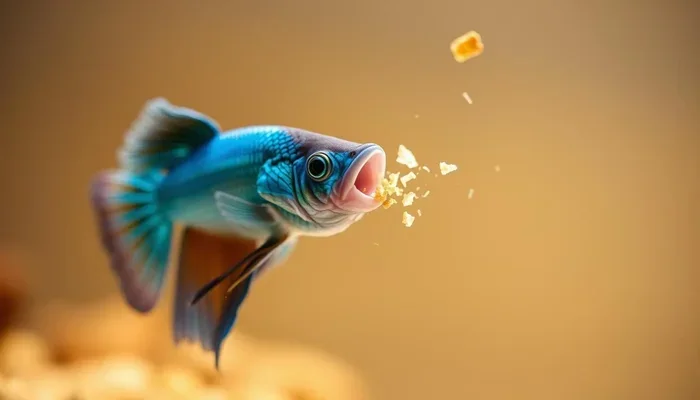
As a general guideline, feed your betta two to three pellets twice a day. That’s it. Some experienced keepers even recommend feeding once a day with a day off on weekends. The goal is to keep your betta slightly hungry rather than overly full. A hungry betta is an active, healthy betta.
What to Feed Your Betta
High-quality betta fish pellets should make up the bulk of the diet. Look for pellets that sink slowly, since bettas are surface feeders but need to eat at a natural pace. You can supplement with frozen or freeze-dried bloodworms and brine shrimp, but only as treats. These should be given no more than once or twice a week.
Avoid feeding your betta live feeder fish. They carry parasites and bacteria. They also encourage overeating because they move around and trigger your betta’s hunting instincts. Skip the feeder fish entirely and stick to controlled portions of quality food. Can you kill a betta fish by overfeeding? It’s more possible than you think, especially when you add high-calorie, low-nutrient foods to the mix.
Betta Fish Diet Comparison Table
| Food Type | Frequency | Portion | Notes |
|---|---|---|---|
| High-quality pellets | 2x daily | 2-3 pellets | Staple diet, most balanced |
| Frozen bloodworms | 1-2x per week | 1-2 worms | Great treat, high protein |
| Freeze-dried shrimp | 1x per week | 1-2 pieces | Hydrate before feeding |
| Live feeder fish | Avoid | N/A | Risk of parasites and overfeeding |
| Boiled peas (no skin) | As needed | Half a pea | Remedy for constipation |
Fasting Days Are Healthy
Here’s a tip many people don’t know. Giving your betta a fasting day once a week is actually beneficial. It gives the digestive system a complete rest. It helps clear out any residual food. It also resets the appetite and makes your betta more active when feeding resumes. Fasting won’t harm your fish. In fact, it supports a longer, healthier life.
Tips to Prevent Overfeeding Your Betta
Prevention is always better than cure. Here are practical, proven strategies to make sure overfeeding harm to betta fish never becomes a problem in your home.
Measure Your Food
Don’t eyeball it. Use tweezers or a feeding tool to count out the exact number of pellets before dropping them in. This removes guesswork and keeps portions consistent. It also makes feeding time more interactive and fun to watch.
Feed on a Schedule
Set a routine. Feed at the same times every day, such as morning and evening. A consistent betta fish feeding schedule helps regulate metabolism and prevents accidental extra feedings from well-meaning family members or roommates.
Remove Uneaten Food Promptly
If your betta doesn’t finish its food within two to three minutes, scoop it out. Use a small net or turkey baster. Don’t let leftover food sit in the tank. This single habit dramatically improves betta fish water quality and prevents ammonia buildup.
Use a Quality Filter
A good filter helps break down waste before it turns toxic. If you’re keeping your betta in a bowl without a filter, consider upgrading to a small, sponge-filtered tank. This gives you a safety net against betta fish tank maintenance mistakes. It also provides a more comfortable and stimulating environment for your fish.
Educate Everyone in the Household
Make sure everyone who interacts with the fish knows the feeding rules. Kids, partners, and visitors often add extra food because they think the fish looks hungry. A quick conversation about proper portions goes a long way toward preventing overfeeding.
What to Do If You Overfed Your Betta Fish
Mistakes happen. If you’ve overfed your betta, don’t panic. There are steps you can take right now to reverse the damage.
Stop Feeding for 24 Hours
The first and most important step is to skip a full day of feeding. This gives the stomach time to empty and the digestive system a chance to recover. Make sure your betta has clean, warm water during this period. Can betta fish die from not eating for two days? The answer is no, not at all. A healthy betta can easily go a day or two without food without any harm.
Offer a Pea
After the fasting period, feed your betta half of a boiled and peeled green pea. Peas are a natural laxative. They help soften any impacted food in the intestines and promote bowel movements. Mash the pea slightly so your betta can eat it easily. This is one of the oldest and most effective home remedies for overfeeding-related constipation.
Clean the Tank
Do a partial water change, replacing about 30 to 50 percent of the water. This removes excess waste and brings down ammonia levels. Wipe down the glass and vacuum the substrate if possible. A clean environment helps your betta recover faster and reduces the risk of secondary infections.
Monitor Your Betta Closely
Watch for changes in behavior over the next 48 hours. If the bloating goes down, your betta starts swimming normally again, and it resumes eating, you’re on the right track. If symptoms persist or worsen, consider consulting a fish health expert or vet who specializes in aquatic animals.
When to Seek Help
Sometimes home treatment isn’t enough. If your betta shows signs of dropsy, persistent swim bladder issues, or refuses to eat for more than three days, it’s time to get professional help. Early intervention makes a huge difference. You can also read about how to save a betta fish from dying for additional guidance on emergency care.
Conclusion
So, can betta fish die from overfeeding? The answer is clear and serious. Yes, they absolutely can. Overfeeding causes bloating, constipation, swim bladder disease, dropsy, and toxic water conditions. All of these can be fatal if left unchecked. The good news is that this problem is almost entirely preventable.
Feed small amounts on a consistent schedule. Skip the feeder fish. Remove uneaten food. Give your betta a fasting day each week. These simple habits will keep your fish healthy and active for years. A well-fed betta is not one that eats the most. It’s one that eats the right amount. Take that message to heart, and your betta will thank you with vibrant colors and lively behavior.
Start applying these tips today. Your betta’s life depends on it.
Frequently Asked Questions
Can betta fish die from overfeeding in a single meal?
In most cases, a single overfeeding episode won’t kill a healthy betta immediately. However, it can cause severe bloating and constipation that leads to serious complications. Repeated overfeeding is far more dangerous and can be fatal within days or weeks.
How do I know if I’m feeding my betta too much?
Look for bloating, a swollen belly, uneaten food in the tank, and constipation. If your betta floats at the surface or lies on its side, overfeeding is likely the cause. A simple rule is to feed less than you think your betta needs.
Is it okay to feed my betta twice a day?
Yes, feeding twice a day is standard and healthy as long as portions are controlled. Two to three small pellets per feeding is ideal. You can also feed once a day with a fasting day once a week for best results.
What happens if a betta fish eats too much food at once?
Eating too much at once stretches the stomach and can block the intestines. The fish may become constipated, develop bloating, or lose the ability to swim properly. In severe cases, it can lead to organ failure if not addressed quickly.
Can overfeeding cause dropsy in betta fish?
Yes, chronic overfeeding weakens the kidneys and immune system. This creates conditions where dropsy can develop. Dropsy causes the fish’s body to fill with fluid and is often fatal. Maintaining proper feeding habits is the best prevention.
How long can a betta fish go without food after being overfed?
A betta can safely go 24 to 48 hours without food after being overfed. This fasting period allows the digestive system to clear out excess food. Always provide clean, warm water during the fast and resume feeding with small portions afterward.