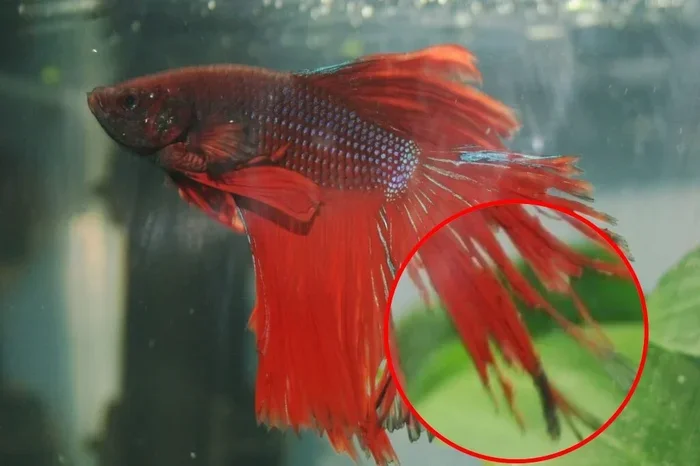
Are Male Betta Fish Aggressive to Females

Male betta fish can be aggressive toward females, especially during breeding or territorial disputes. Understanding betta fish aggression helps you create a safer tank environment. Knowing the signs of aggression and how to manage them makes all the difference in keeping both male and female bettas healthy and happy.
Key Takeaways
- Male bettas can show aggression toward females: Territorial behavior and breeding instincts often trigger hostility.
- Signs of aggression are easy to spot: Flaring, chasing, fin nipping, and color changes are clear warning signals.
- Tank setup matters a lot: Proper hiding spots and space reduce conflict significantly.
- Not all male-female pairings work: Individual temperament plays a big role in compatibility.
- Monitoring is essential: Regular observation helps you catch problems before they escalate.
- Separate tanks may be necessary: Sometimes the safest option is keeping males and females apart.
📑 Table of Contents
- Are Male Betta Fish Aggressive to Females?
- Why Are Male Betta Fish Aggressive?
- Signs of Aggression Between Male and Female Bettas
- How to Safely House Male and Female Bettas Together
- Male Betta Temperament and Individual Differences
- When to Keep Male and Female Bettas Separate
- Common Mistakes People Make With Male-Female Betta Pairings
- Expert Insights on Betta Fish Cohabitation
- Conclusion
Are Male Betta Fish Aggressive to Females?
If you own betta fish or are thinking about adding a female to a male’s tank, you might wonder about betta fish aggression. The short answer is yes, male betta fish can be aggressive toward females. But the full picture is more nuanced than that. Understanding male betta behavior helps you make smarter decisions for your fish.
Male bettas are known for their vibrant colors and flowing fins, but they also carry a strong territorial instinct. This instinct drives much of their behavior, especially around other fish. When a female enters a male’s space, things can get tense quickly. Let’s explore why this happens and what you can do about it.
Betta fish aggression is not random. It follows patterns tied to territory, breeding, and stress. By learning these patterns, you can better manage your tank and keep your fish safe. This guide covers everything you need to know about how male bettas behave around females.
Why Are Male Betta Fish Aggressive?
Understanding the root causes of aggression in betta fish is the first step toward prevention. Male bettas have evolved to be fiercely territorial. In the wild, they defend small patches of rice paddies and shallow waters. This natural drive doesn’t disappear in captivity.
Territorial Instincts
Male bettas see their tank as their personal kingdom. Anything that enters this space is a potential threat. A female betta swimming nearby can trigger this territorial response. The male may flare his gills, chase the female, or even bite at her fins.
This behavior is deeply wired into their biology. It’s not about being “mean.” It’s about survival and dominance. When you understand this, it’s easier to see why certain setups lead to conflict.
Breeding Behavior
During breeding, male bettas become even more aggressive. A male builds a bubble nest and waits for a female to approach. If the female isn’t ready or if the male feels stressed, he may attack her instead of courting her.
Betta fish fighting between males and females during breeding is surprisingly common. The male might chase the female relentlessly or nip at her fins. This is why many breeders introduce the female carefully and monitor them closely.
Stress and Overcrowding
A cramped or stressful tank makes aggression worse. When a male betta feels crowded, he becomes defensive. Adding a female to a small tank can push him over the edge. Stress signs in betta fish include clamped fins, loss of color, and rapid breathing.
Overcrowding also increases waste in the water. Poor water quality adds to stress, which fuels aggression. Keeping the tank clean and spacious helps reduce these triggers.
Signs of Aggression Between Male and Female Bettas
Spotting betta fish aggression signs early can save your female from serious harm. Male bettas show their aggression in clear, visible ways. Learning these signs helps you intervene before things escalate.
Flaring
Flaring is when a male betta spreads his gills and fins wide. He does this to look bigger and more intimidating. Occasional flaring is normal. But constant flaring at a female is a red flag.
If you notice the male flaring every time the female swims near, that’s a sign of persistent betta fish aggression. It means he sees her as a threat, not a mate.
Chasing and Nipping
Chasing is one of the most obvious signs. The male will swim after the female relentlessly. This can exhaust her and cause physical injuries. Fin nipping is another common behavior. The male may bite at the female’s long fins, tearing them or causing open wounds.
If you see chasing happening multiple times a day, you need to act fast. Prolonged chasing can lead to severe stress and even death for the female.
Color Changes and Hiding
A stressed female betta may lose her vibrant colors. She might become pale or dull. She may also hide behind plants or decorations constantly. These are stress signs that tell you the male is making her feel unsafe.
Some females try to appease the male by displaying submissive behavior. They may keep their fins closed and avoid swimming freely. This is not a healthy state for any fish.
How to Safely House Male and Female Bettas Together
If you want to keep male and female bettas in the same tank, you need a solid plan. Not every setup will work, but many can succeed with the right approach. The key is reducing triggers for betta fish aggression.
Tank Size Matters
A larger tank gives both fish room to establish their own spaces. A tank of at least 20 gallons is ideal for a male-female pair. This extra space reduces the chances of constant confrontation.
In a small tank, there’s nowhere to hide. The male can corner the female easily. A bigger tank allows the female to escape and find safe zones. This simple change can make a huge difference.
Add Plenty of Hiding Spots
Plants, caves, and decorations give both fish places to retreat. Live plants like java moss or anubias work great. The female needs spots where she can disappear when the male gets too aggressive.
Arrange the tank so there are multiple hiding areas spread throughout. This ensures the female isn’t trapped in one corner. Good hiding spots also reduce overall stress levels for both fish.
Use a Breeder Box or Divider
A breeder box or tank divider lets the fish see each other without direct contact. This is a great middle-ground solution. You can monitor their reactions and gradually adjust the setup.
Some aquarists start with a divider and remove it slowly over time. This lets both fish get used to each other’s presence. It’s a patient approach, but it works well for cautious setups.
Male Betta Temperament and Individual Differences
Not all male bettas are the same. Some are naturally more docile, while others are highly aggressive. Understanding male betta temperament helps you predict how a specific fish will behave around a female.
Some males are calm enough to coexist with females peacefully. These fish may ignore the female most of the time or even show mild interest during breeding. Other males are territorial bullies who chase anything that moves.
Are male betta fish aggressive to females? The answer depends heavily on the individual fish. A male’s past experiences, genetics, and current environment all play a role. There’s no one-size-fits-all answer.
If you’re considering a male-female pairing, observe the male’s behavior first. Watch how he reacts to other fish through the glass. A male who flares at everything may not be a good candidate for a shared tank. A male who stays calm is more likely to adjust.
When to Keep Male and Female Bettas Separate
Sometimes the best choice is to keep males and females apart. This isn’t a failure as a fish keeper. It’s actually a responsible decision that prioritizes fish welfare.
You should separate them if you notice any of these signs:
- The male chases the female constantly throughout the day.
- The female shows visible injuries like torn fins or missing scales.
- The female stops eating or hides all the time.
- The male’s aggression escalates despite changes in tank setup.
- The female appears stressed, pale, or lethargic.
Keeping them in separate tanks ensures both fish live long, healthy lives. You can still enjoy watching both genders without the risk of betta fish fighting. Many experienced aquarists maintain separate tanks and only introduce fish for brief breeding sessions.
Remember, are betta fish meant to be alone? Male bettas are often happiest on their own. They don’t need a female companion to thrive. Your job as a fish keeper is to give each fish the environment it needs to be healthy and comfortable.
Common Mistakes People Make With Male-Female Betta Pairings
Even well-meaning fish keepers make mistakes that lead to aggression. Learning from these common errors can save you a lot of trouble.
Underestimating the Male’s Territory
Many beginners think a small bowl or tank is fine for a male-female pair. It’s not. A tiny space amplifies territorial behavior. The male has nowhere to escape, and the female has no room to get away. Always choose a tank that’s large enough to give both fish personal space.
Skipping the Introduction Process
Throwing a female into a male’s tank without preparation is a recipe for disaster. A proper introduction should be gradual. Use a divider first, then allow brief supervised interactions. Rushing this process often leads to injury for the female.
Ignoring Water Quality
Poor water quality increases stress for all fish. When water parameters are off, aggression rises. Test your water regularly and keep ammonia and nitrite levels at zero. A clean, well-maintained tank is one of the best defenses against betta fish aggression.
Expert Insights on Betta Fish Cohabitation
Experienced fish keepers agree that male-female betta pairings require careful planning. The general consensus is that success depends on three factors: tank size, individual temperament, and monitoring.
Many experts recommend starting with a sorority tank of female bettas instead. Female bettas tend to be less aggressive toward each other than males are toward females. A group of females can create a beautiful and peaceful community tank.
If you do pair a male and female, never leave them unattended during the first few weeks. Watch for signs of trouble and be ready to separate them at the first sign of serious aggression. Patience and observation are your best tools.
Some aquarists also suggest that the female should be introduced when the male is well-fed and relaxed. A full, content male is less likely to view the female as a threat. Feeding the male before any introduction can help set a calmer tone.
Conclusion
So, are male betta fish aggressive to females? The answer is yes, they can be. Betta fish aggression toward females is driven by territory, breeding instincts, and stress. However, not every male will behave the same way. Individual temperament, tank setup, and your management approach all matter.
By recognizing the signs of aggression early and taking proactive steps, you can create a safer environment for both male and female bettas. Whether you choose to house them together or separately, the goal is the same: healthy, happy fish.
Always prioritize the well-being of your fish over aesthetics or assumptions. A well-planned tank with proper space, hiding spots, and monitoring can make cohabitation work. But when it doesn’t, separating the fish is always the right call. Your attention and care make all the difference in the life of your betta fish.
Frequently Asked Questions
Why is my male betta fish chasing the female constantly?
Constant chasing usually means the male sees the female as a threat or is overly territorial. This can happen if the tank is too small or if the male is naturally aggressive. Try adding more hiding spots or consider separating them if the chasing doesn’t stop.
Can male and female betta fish live together peacefully?
Yes, but it depends on the individual fish and the tank setup. A large tank with plenty of hiding places gives both fish room to coexist. Some male-female pairs do well together, while others don’t. Always monitor their behavior closely.
What should I do if my male betta is biting the female’s fins?
Fin biting is a serious sign of aggression. Separate the fish immediately to prevent injury. Assess your tank size and setup before trying again. A female with torn fins is vulnerable to infection and stress.
How long should I introduce a female to a male betta?
The introduction should be gradual over several days to weeks. Start with a divider so they can see each other. Then allow brief supervised meetings. If any aggression occurs, slow down the process or stop entirely.
Are female betta fish less aggressive than males?
Generally, yes. Female bettas tend to be less aggressive than males, but they can still show territorial behavior. A group of females can sometimes live together in a sorority setup, though individual personalities vary.
Is it better to keep male bettas alone?
Many experts agree that male bettas are often happiest alone. They are territorial fish that do well in single-species tanks. Keeping a male alone eliminates the risk of betta fish aggression and ensures a stress-free environment.