Why Is My Betta Fish Spitting His Food Out
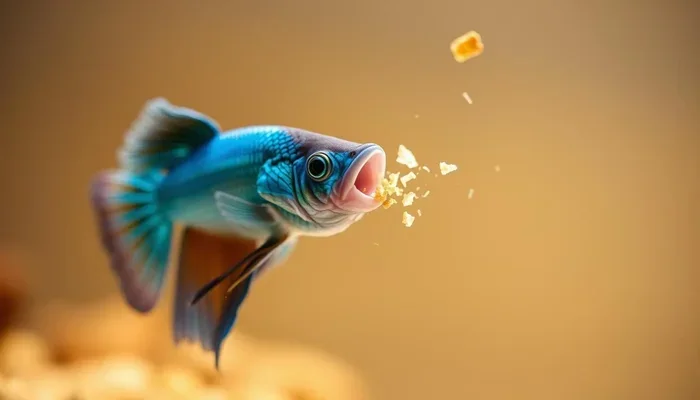
Why is my betta fish spitting his food out? This common behavior usually stems from simple causes like food size, overfeeding, or water quality issues. Understanding the root reason helps you fix the problem quickly and keep your betta healthy and happy.
Key Takeaways
- Food size matters: Betta fish have small mouths, and pellets that are too large can cause them to spit food out immediately.
- Overfeeding is a common culprit: Feeding too much or too often leads to digestive discomfort and causes bettas to reject food.
- Water quality affects appetite: Poor tank conditions stress your fish and can directly impact their desire to eat.
- Health issues can be the cause: Mouth infections, swim bladder disorder, and constipation all lead to spitting behavior.
- Behavioral factors play a role: Stress, boredom with the same food, and poor tank conditions can all trigger spitting.
- Most cases are fixable at home: Simple changes to feeding routine, food type, and tank maintenance resolve the issue in most cases.
- Know when to see a vet: If spitting persists alongside other symptoms like lethargy or swelling, professional help is needed.
📑 Table of Contents
Why Is My Betta Fish Spitting His Food Out?
Why is my betta fish spitting his food out? This is one of the most common questions betta fish owners ask. The answer is usually simpler than you think. Your fish might be rejecting food because of size, type, or even water conditions. Understanding the real cause helps you fix the problem fast and keep your betta healthy and happy.
When a betta fish spitting his food out, it usually signals something simple. The food might be too big. The water quality could be off. Or your fish might just not be hungry. Understanding the root cause helps you respond the right way instead of panicking.
In this guide, we walk through every reason your betta might be rejecting food. We also share practical fixes you can try today. Whether your fish is spitting out pellets, flakes, or live food, you will find answers here.
Watching your betta push food out of his mouth can be worrying. You want your fish to be happy and healthy, and uneaten food floating in the tank does not look right. The truth is, betta fish spitting food happens more often than most people realize.
It does not always mean something is wrong. Sometimes it is a simple fix like changing the food type or adjusting how much you feed. Other times, it points to a health issue that needs attention. Either way, understanding the cause is the first step toward a solution.
Common Reasons Your Betta Is Spitting Out Food
Most cases of a betta fish spitting his food out come down to a handful of common causes. Let us look at each one closely so you can identify what is happening in your tank.
Overfeeding Is a Top Culprit
Overfeeding is the number one mistake betta owners make. These fish have tiny stomachs, roughly the size of their eye. When you drop too much food in the tank, your betta simply cannot eat it all.
Overfeeding leads to bloating and digestive discomfort. Your fish feels full and has no reason to eat more. This is why many owners notice their betta eating then spitting it out after just a few bites.
- Feed only 2 to 3 pellets per meal, twice a day.
- Remove uneaten food within five minutes.
- Skip one feeding day per week to help digestion.
Many people also deal with the related issue of a betta fish not eating his food after overfeeding. The digestive system gets overwhelmed, and appetite drops for a day or two. This is normal and usually resolves on its own.
Food Size and Type Matter
Betta fish have small mouths. Large pellets can be physically impossible for them to swallow comfortably. When a pellet is too big, your fish will nip at it, taste it, and spit it right back out.
This is very common with cheap generic pellets. These are often designed for larger tropical fish and are simply too big for bettas. If you notice your betta fish spitting out pellets specifically, size is likely the issue.
Consider switching to smaller, betta-specific pellets. Soaking pellets before feeding also helps. They soften and become easier to consume. Some owners prefer betta fish food types like freeze-dried bloodworms or brine shrimp as treats. These are smaller and easier to manage.
Water Quality Affects Appetite
Dirty water is one of the most overlooked causes of betta fish feeding problems. Ammonia and nitrite buildup in the tank stress your fish out. A stressed betta loses interest in food quickly.
You should test your water parameters regularly. Ammonia and nitrite should always read zero. Nitrate should stay below 20 ppm. If these numbers are off, your fish will feel unwell and refuse food.
- Test water weekly with a liquid test kit.
- Perform 25 percent water changes every week.
- Use a gravel vacuum to remove debris from the substrate.
- Make sure your filter is running properly at all times.
Poor betta fish tank conditions do not just affect appetite. They can lead to serious illness over time. Clean water is the foundation of good betta fish care tips and should always come first.
Health Issues Behind the Spitting Behavior
Sometimes the cause goes deeper than feeding habits. Health problems can make your betta reject food entirely. Let us explore the most common medical reasons.
Mouth and Dental Problems
Betta fish can develop mouth infections or blockages. These make it painful or impossible to eat. You might notice your fish opening his mouth oddly or rubbing his face on decorations.
A condition called betta fish mouth infection can cause swelling inside the mouth. This physically prevents your fish from holding food. He will take a bite and spit it out because it hurts.
Columnaris is another bacterial infection that affects the mouth area. It looks like white patches or cotton-like growth. This condition needs prompt treatment with antibiotics. Left untreated, it can become fatal.
Digestive and Swim Bladder Disorders
Constipation is very common in bettas, especially those fed dry flakes or pellets that expand in the stomach. When your fish is constipated, eating becomes uncomfortable. He will take food and spit it out rather than deal with the discomfort.
Betta fish constipation often comes with a swollen belly and reduced activity. The good news is this is usually easy to fix. Feed your fish a single thawed pea (no shell) once a day for two to three days. The fiber helps clear the digestive tract.
Swim bladder disorder is another condition that affects eating. The swim bladder controls buoyancy, and when it is impaired, your fish may struggle to maintain position while eating. This can cause him to spit food out or refuse to eat altogether. You can learn more about related eating behaviors in our article on why is my betta fish eating then spitting it out.
Behavioral and Environmental Factors
Not every case of spitting food is medical. Sometimes the environment or your fish’s personality is to blame.
Stress and Tank Conditions
Bettas are sensitive creatures. They thrive in stable, calm environments. Anything that disrupts their sense of security can cause appetite loss and spitting behavior.
Common stressors include:
- Tankmates that are too aggressive or nippy.
- Strong water flow from filter outlets.
- Bright lights that never dim.
- Lack of hiding spots or plants.
- Sudden changes in water temperature.
Betta fish stress directly impacts their eating habits. A stressed betta may take a bite of food and immediately spit it out. He is not hungry because his body is in fight-or-flight mode. Fixing the environment often resolves this quickly.
Boredom with the Same Food
Yes, bettas can get bored with their food. In the wild, they eat a varied diet of insects, larvae, and small creatures. When captive bettas eat the same pellet every single day, they sometimes lose interest.
Rotating food types keeps mealtimes exciting. Try alternating between high-quality pellets, freeze-dried bloodworms, and frozen brine shrimp. This mimics a natural diet and encourages healthy betta fish eating habits.
If you notice your fish consistently spitting out the same food after weeks of eating it fine, try a change. You can also find helpful advice on persistent food rejection in our guide about why does my betta fish keep spitting out its food.
How to Stop Your Betta from Spitting Out Food
Now that you know the common causes, let us talk about solutions. Here is a step-by-step approach to fixing the problem.
Adjust Your Feeding Routine
The first thing to check is how and when you feed. Are you giving too much food? Too often? A proper betta fish feeding schedule makes a huge difference.
- Feed small amounts twice a day, once in the morning and once in the evening.
- Wait two minutes after dropping food. If your fish is not interested, remove the food.
- Never feed more than your fish can eat in under five minutes.
- Consider one fasting day per week to reset the digestive system.
Following a consistent routine helps your fish feel secure. Bettas thrive on predictability, and a regular feeding schedule reduces betta fish behavior issues around mealtime.
Choose the Right Food
Not all fish food is created equal. Cheap, low-quality pellets are often filled with fillers and air. They expand too much in the stomach and cause digestive problems.
Look for high-quality betta pellets with fish meal as the first ingredient. Brands specifically formulated for bettas are ideal. Soak dry food for a few minutes before feeding to prevent it from expanding in your fish’s stomach.
Also pay attention to betta fish pellet size. Micro-pellets are often the best choice for standard bettas. If your fish is still betta fish spitting food despite the right pellet size, try a different brand or food type entirely.
Improve Tank Conditions
A clean, stable tank is the foundation of a healthy appetite. Here are the key parameters to maintain:
- Temperature: 78 to 80 degrees Fahrenheit.
- pH: 6.5 to 7.5.
- Ammonia: 0 ppm.
- Nitrite: 0 ppm.
- Nitrate: Below 20 ppm.
Use a gentle filter to avoid strong currents. Bettas prefer slow-moving water. Add plants or decorations to create hiding spots. These simple changes reduce stress and encourage natural betta fish appetite.
When to Visit a Vet
Most cases of spitting food resolve with simple adjustments. But sometimes, professional help is necessary. You should see a vet if your betta shows additional symptoms alongside the spitting behavior.
Watch for these warning signs:
- Swollen or distended belly lasting more than two days.
- White patches or cotton-like growth around the mouth.
- Loss of color or fading scales.
- Lethargy and inability to stay upright.
- Gills that appear red or inflamed.
- Refusing all food for more than three days.
If you notice any of these, do not wait. Early treatment for betta fish health issues leads to much better outcomes. A qualified fish vet can diagnose infections, parasites, or internal blockages that home care cannot fix.
You might also notice that your betta is betta fish not eating entirely, which is different from just spitting food out. Complete appetite loss is more concerning and warrants a vet visit sooner rather than later.
Conclusion
Why is my betta fish spitting his food out? The answer is usually one of several simple causes. Overfeeding, wrong food size, poor water quality, stress, or a minor health issue can all be to blame. The good news is that most of these problems have straightforward solutions.
Start by reviewing your feeding routine and food type. Make sure your tank water is clean and stable. Watch for any additional symptoms that might point to a health problem. In most cases, a few small changes are all it takes to get your betta eating normally again.
Remember, patience is key. Your fish may need a few days to adjust to new food or improved conditions. Keep observing, keep the tank clean, and trust the process. A well-fed, healthy betta is a joy to watch, and solving the spitting problem gets you one step closer to that goal.
Frequently Asked Questions
Why does my betta fish keep spitting out his pellets?
This usually means the pellets are too large or too dry. Betta fish have small mouths, and oversized pellets are hard to swallow. Try switching to micro-pellets or soak the pellets in tank water for a few minutes before feeding. This softens them and makes them easier to consume.
Is it normal for a betta fish to spit out food occasionally?
Yes, occasional spitting is completely normal. Bettas are curious eaters and sometimes taste food before deciding to swallow. If your fish spits out a bite or two but eats the rest, there is no reason to worry. This is just part of normal betta fish behavior.
Can overfeeding cause a betta to spit out food?
Absolutely. Overfeeding is one of the top reasons bettas reject food. Their stomachs are very small, and too much food causes bloating and discomfort. Feed only 2 to 3 pellets per meal, twice a day, and remove any uneaten food within five minutes.
How do I know if my betta’s spitting is caused by a health problem?
Look for additional symptoms like a swollen belly, white patches around the mouth, lethargy, or loss of color. If spitting persists for more than a few days alongside any of these signs, it is time to consult a vet. Early diagnosis of conditions like mouth infections or swim bladder disorder leads to better recovery.
What is the best food for betta fish that tend to spit out their meals?
High-quality betta-specific pellets are the best staple food. Look for brands with fish meal as the first ingredient. You can also offer variety with freeze-dried bloodworms, frozen brine shrimp, and soaked pellets. Avoid cheap generic flakes, as they are often too large and low in nutrition.
How long can a betta fish go without eating before I should worry?
A healthy adult betta can go 3 to 5 days without food without any issues. Some owners even fast their fish once a week for digestive health. However, if your fish refuses food for more than 5 days or shows other symptoms like clamped fins or lethargy, it is time to investigate further and possibly see a vet.