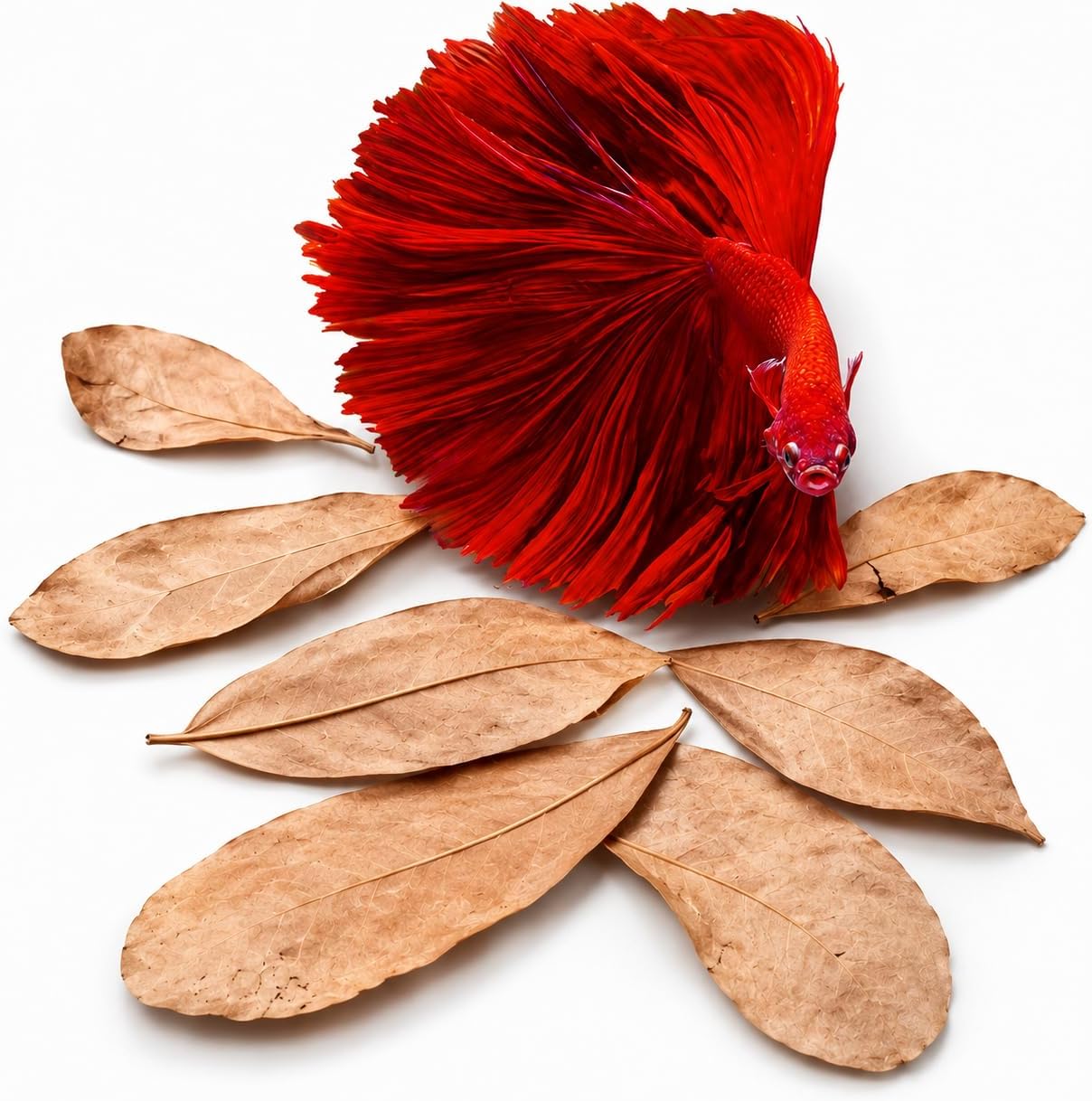
Can Humans Contract Bacterial Infections from Betta Fish
Can humans contract bacterial infections from betta fish? The short answer is yes, but it’s rare. While betta fish can carry bacteria that may cause illness in humans, the risk is extremely low with proper hygiene and tank maintenance. This article breaks down everything you need to know about staying safe while enjoying your beautiful betta fish.
Key Takeaways
- Yes, but it’s rare: Humans can contract bacterial infections from betta fish, though documented cases are extremely uncommon.
- Main culprits: Bacteria like Mycobacterium marinum, Salmonella, and Aeromonas are the primary concerns for betta fish owners.
- Open wounds are the gateway: Most infections occur when bacteria enter through cuts, scrapes, or broken skin during tank maintenance.
- Immunocompromised individuals are at higher risk: People with weakened immune systems, the elderly, and young children should take extra precautions.
- Prevention is simple: Wearing gloves, washing hands thoroughly, and maintaining a clean tank dramatically reduce any risk.
- Symptoms to watch for: Skin infections, redness, swelling, or unusual sores after handling tank water should prompt a visit to your doctor.
- Don’t panic: Millions of people keep betta fish safely every year with zero health issues when basic hygiene is practiced.
📑 Table of Contents
- Can Humans Contract Bacterial Infections from Betta Fish? What Every Owner Needs to Know
- Understanding the Bacteria That Betta Fish Can Carry
- How Bacterial Transmission from Betta Fish to Humans Actually Happens
- Recognizing Symptoms of Bacterial Infections from Aquarium Fish
- Prevention: How to Protect Yourself While Enjoying Your Betta Fish
- Special Considerations for Betta Fish Owners
- Debunking Myths About Betta Fish and Human Health
- Conclusion: Enjoy Your Betta Fish Without Fear
Can Humans Contract Bacterial Infections from Betta Fish? What Every Owner Needs to Know
If you’re a betta fish owner or thinking about becoming one, you’ve probably wondered about the health risks. After all, you’re reaching into tank water, cleaning gravel, and handling equipment regularly. It’s a fair question to ask — can humans contract bacterial infections from betta fish?
The honest answer is yes, it’s technically possible. But before you panic and rehome your beautiful betta, let me put your mind at ease. The risk is incredibly low, and with a few simple precautions, you can enjoy your fish-keeping hobby without worry. Millions of people around the world keep betta fish in their homes, offices, and apartments, and the vast majority never experience a single health issue related to their aquatic pets.
In this article, we’re going to dive deep into the types of bacteria that betta fish can carry, how transmission happens, who’s most at risk, and most importantly — how to protect yourself. Whether you’re a first-time betta owner or a seasoned aquarist, this information is essential for keeping both you and your fish healthy and happy.
Understanding the Bacteria That Betta Fish Can Carry
Mycobacterium marinum — The Most Common Concern
When people talk about bacterial infections from aquarium fish, Mycobacterium marinum is usually the first one that comes up. This bacterium is naturally found in many aquatic environments, including the tanks where we keep our betta fish. It’s the same family of bacteria that causes tuberculosis in humans, but it’s a different species and behaves quite differently.
Mycobacterium marinum thrives in warm, freshwater environments — exactly the kind of conditions betta fish love. The bacteria can live on tank surfaces, in gravel, on decorations, and in the water itself. For healthy individuals, exposure to this bacterium rarely causes any problems. However, if it enters the body through a cut or abrasion, it can cause a skin infection commonly known as “fish tank granuloma” or “aquarium granuloma.”
The good news is that this infection, while annoying, is treatable with antibiotics. It’s also worth noting that Mycobacterium marinum grows slowly, so symptoms might not appear until two to four weeks after exposure. This delayed onset can make it tricky to connect the infection back to your betta fish tank.
Salmonella and Other Bacterial Threats
Another bacterium that can be associated with aquarium fish is Salmonella. While it’s more commonly linked to reptiles, fish tanks can also harbor this bacteria. Salmonella typically causes gastrointestinal symptoms like diarrhea, fever, and stomach cramps. The risk of contracting Salmonella from a betta fish tank is very low, but it’s still worth being aware of, especially if you have young children in the household.
Other bacteria that can be present in betta fish tanks include Aeromonas, Pseudomonas, and Vibrio species. These are naturally occurring aquatic bacteria that usually don’t cause problems for healthy people. However, they can pose a risk to individuals with compromised immune systems or open wounds. Aeromonas, in particular, is worth mentioning because it can cause skin infections and, in rare cases, more serious systemic infections.
How Bacteria Thrive in Betta Fish Tanks
Here’s something many new betta owners don’t realize — bacteria are a natural part of every aquarium ecosystem. A healthy betta fish tank actually contains beneficial bacteria that help break down waste and maintain water quality. The nitrogen cycle, which every fish keeper learns about early on, depends entirely on good bacteria doing their job.
The problem arises when harmful bacteria outnumber the beneficial ones. This usually happens when tank maintenance is neglected. Overfeeding, infrequent water changes, overcrowding, and poor filtration can all create an environment where dangerous bacteria flourish. This is one of the many reasons why regular tank maintenance isn’t just good for your betta fish — it’s good for you too.
If you’re curious about proper tank setup and maintenance, understanding whether betta fish can live in small bowls is a great starting point. Proper tank size and filtration play a huge role in maintaining a healthy bacterial balance.
How Bacterial Transmission from Betta Fish to Humans Actually Happens
The Role of Open Wounds and Broken Skin
The single most important factor in whether you’ll contract a bacterial infection from your betta fish is the condition of your skin. Intact, healthy skin is an excellent barrier against the types of bacteria found in aquarium water. The vast majority of infections occur when bacteria enter the body through cuts, scrapes, hangnails, or other breaks in the skin.
Think about it — when you’re doing tank maintenance, your hands are submerged in water that contains various types of bacteria. If you have a small cut on your finger that you didn’t even notice, that’s an open door for bacteria to enter. This is why wearing waterproof gloves during tank cleaning is one of the simplest and most effective precautions you can take.
It’s not just direct contact with tank water that poses a risk. Handling tank decorations, gravel, and equipment can also expose you to bacteria, especially if you have any abrasions on your hands. Even something as minor as a paper cut can be enough for bacteria like Mycobacterium marinum to gain entry.
Splashes, Sprays, and Indirect Contact
While less common, bacterial transmission can also occur through indirect contact. Splashing tank water into your eyes, nose, or mouth during cleaning can potentially introduce bacteria to mucous membranes. This is another reason to be mindful during water changes and tank maintenance.
Some people also develop reactions from simply being around a poorly maintained aquarium. Bacterial blooms can release airborne particles that may irritate the respiratory system, particularly in individuals with asthma or allergies. While this isn’t a direct infection, it’s another reason to keep your betta fish tank clean and well-maintained.
Who Is Most at Risk?
Not everyone faces the same level of risk when it comes to bacterial infections from betta fish. Certain groups of people should be more cautious:
- Immunocompromised individuals: People undergoing chemotherapy, those with HIV/AIDS, organ transplant recipients, and anyone taking immunosuppressive medications are at significantly higher risk.
- Elderly adults: As we age, our immune systems naturally weaken, making us more susceptible to infections.
- Young children: Kids under five have developing immune systems and are more likely to touch their faces after handling aquarium items.
- People with chronic conditions: Diabetes, liver disease, and other chronic illnesses can impair the body’s ability to fight off infections.
- Those with skin conditions: Eczema, psoriasis, or other skin conditions that cause breaks in the skin barrier increase vulnerability.
If you fall into any of these categories, it doesn’t mean you can’t enjoy keeping betta fish. It just means you should be extra diligent about hygiene and protective measures. Wearing gloves, washing hands thoroughly, and avoiding tank maintenance during periods of illness are all smart strategies.
Recognizing Symptoms of Bacterial Infections from Aquarium Fish
Skin Infections and Granulomas
The most common sign of a bacterial infection from a betta fish tank is a skin lesion or granuloma. With Mycobacterium marinum, this typically appears as a slow-growing, reddish-purple bump or nodule on the skin. It most often shows up on the hands, fingers, or forearms — the areas most likely to come into contact with tank water.
These lesions can be painless or slightly tender, and they may ulcerate over time if left untreated. Because the bacteria grow slowly, the infection might not become noticeable for several weeks after exposure. If you notice any unusual skin changes after working on your betta fish tank, it’s worth mentioning it to your doctor — especially if you have any cuts or abrasions that were exposed to tank water.
Gastrointestinal Symptoms
If you’ve been exposed to Salmonella or other harmful bacteria from your aquarium, you might experience gastrointestinal symptoms. These typically include nausea, vomiting, diarrhea, abdominal cramps, and fever. Symptoms usually appear within 6 to 48 hours after exposure and can last up to a week.
While these symptoms are unpleasant, they’re usually self-limiting in healthy adults. However, if symptoms are severe, persistent, or if you’re in a high-risk group, seek medical attention promptly. Dehydration from prolonged diarrhea can be dangerous, especially for young children and elderly individuals.
When to See a Doctor
Most minor skin irritations from aquarium exposure will resolve on their own. However, you should see a doctor if you experience:
- A skin lesion that doesn’t heal within two weeks
- Increasing redness, swelling, or warmth around a wound
- Fever accompanied by skin changes
- Persistent gastrointestinal symptoms lasting more than a few days
- Any signs of infection spreading up the arm (red streaks)
When you visit your doctor, be sure to mention that you keep betta fish and have been in contact with aquarium water. This information can help them make an accurate diagnosis and choose the right treatment. Some antibiotics commonly used for skin infections don’t work against Mycobacterium marinum, so knowing the source of exposure is crucial for proper treatment.
Prevention: How to Protect Yourself While Enjoying Your Betta Fish
Wear Gloves During Tank Maintenance
This is the single most effective thing you can do to prevent bacterial infections from your betta fish. A simple pair of waterproof aquarium gloves creates a barrier between your skin and the bacteria in your tank water. You can find these at most pet stores or online, and they’re inexpensive.
Make it a habit to put on gloves every single time you reach into your betta fish tank — whether you’re doing a water change, rearranging decorations, or cleaning the gravel. It takes just a few seconds and can save you from a potentially serious infection. If you don’t have gloves available, at minimum, make sure you don’t have any open cuts or wounds on your hands before reaching into the water.
Practice Thorough Hand Washing
Even if you wear gloves, you should always wash your hands thoroughly after handling your betta fish tank or any aquarium equipment. Use warm water and soap, and scrub for at least 20 seconds. Pay special attention to the areas between your fingers and under your nails, where bacteria can hide.
Hand washing is especially important before eating, drinking, or touching your face. It’s a simple habit that goes a long way in preventing not just aquarium-related infections, but all kinds of illness. Make it a non-negotiable part of your fish-keeping routine.
Maintain a Clean and Healthy Tank
A well-maintained betta fish tank is less likely to harbor harmful bacteria. Regular water changes, proper filtration, and avoiding overfeeding all contribute to a healthy aquatic environment. Aim to change 25-30% of the water weekly for a filtered tank, and remove any uneaten food promptly.
Testing your water parameters regularly can also help you catch problems before they become serious. High levels of ammonia, nitrite, or nitrate can stress your betta fish and create conditions where harmful bacteria thrive. A stressed fish is also more likely to carry higher bacterial loads, which increases the risk to you.
Proper tank size matters too. While betta fish are often sold in tiny bowls, they actually do much better in larger, filtered tanks. A larger volume of water is more stable and less prone to bacterial imbalances. If you’re wondering about the best setup for your betta, there’s plenty of information available about creating an ideal environment that keeps both you and your fish safe.
Keep Tank Water Away from Open Wounds
If you have any cuts, scrapes, or open wounds on your hands or arms, avoid contact with tank water entirely until they’ve healed. This might mean skipping a water change or asking someone else to handle tank maintenance for you. It’s a minor inconvenience that can prevent a major health issue.
The same goes for any skin conditions that cause breaks in the skin barrier. If you have eczema that’s flaring up on your hands, or a healing surgical wound on your arm, take extra precautions. Your betta fish will be fine for a week or two while you let your skin heal.
Special Considerations for Betta Fish Owners
Handling Betta Fish Safely
While the risk of infection from simply touching your betta fish is extremely low, it’s still a good idea to be cautious. If you need to move your betta — for example, during a tank cleaning — use a clean net rather than your bare hands. This protects both you and your fish. Betta fish have delicate scales and fins that can be damaged by rough handling, and your hands can transfer oils and contaminants to your fish.
If you do handle your betta fish with your hands, make sure they’re clean and free of soap, lotion, or other chemicals. Rinse your hands with plain water before reaching into the tank, and wash them thoroughly afterward. This two-way protection keeps both you and your betta healthy.
What About Other Fish in the Tank?
If you keep other fish or aquatic creatures with your betta, the same precautions apply. In fact, having more animals in the tank can increase the bacterial load, making good hygiene even more important. Before adding any tank mates, it’s worth researching what other fish can live with betta fish to ensure a peaceful and healthy community tank.
Adding invertebrates like snails or shrimp can also affect the bacterial ecosystem in your tank. While these creatures can help with algae control and tank maintenance, they can also carry their own bacteria. Always wash your hands after handling any aquarium inhabitants, not just your betta fish.
Children and Betta Fish
Betta fish are often chosen as first pets for children because they’re relatively low-maintenance and don’t require walking or litter box cleaning. However, children are at higher risk for bacterial infections from aquariums due to their developing immune systems and tendency to touch their faces.
If your child helps with tank maintenance, make sure they wear gloves and wash their hands thoroughly afterward. Supervise young children around the tank, and teach them not to put their hands in their mouths after touching aquarium water or equipment. These early lessons about hygiene will serve them well throughout their lives.
Debunking Myths About Betta Fish and Human Health
Myth: Betta Fish Are Dangerous to Keep in the Home
This is perhaps the most common misconception about betta fish. Some people believe that keeping any aquarium fish poses a significant health risk to humans. The truth is that millions of households safely keep betta fish and other aquarium fish without any health issues. The risk of contracting a serious bacterial infection from a betta fish is extremely low when basic hygiene practices are followed.
To put it in perspective, you’re far more likely to get a bacterial infection from handling raw chicken or gardening without gloves than from maintaining a betta fish tank. The key is awareness and simple precautions — not avoidance.
Myth: You Need to Sterilize Everything
While cleanliness is important, you don’t need to sterilize your betta fish tank or equipment. In fact, over-cleaning can be counterproductive because it disrupts the beneficial bacterial colonies that keep your tank healthy. Regular water changes, gravel vacuuming, and filter maintenance are all you need to maintain a safe environment.
Using harsh chemicals or bleach in your tank can also harm your betta fish and create other health risks. Stick to aquarium-safe cleaning products and plain water for routine maintenance. If you do need to disinfect something, rinse it thoroughly and let it dry completely before returning it to the tank.
Myth: If Your Betta Is Healthy, There’s No Risk
Even a perfectly healthy betta fish can carry bacteria that might cause infections in humans. Many of the bacteria we’ve discussed are naturally present in aquatic environments and don’t necessarily make your fish sick. This is why hygiene precautions are important regardless of how healthy your betta appears.
That said, a healthy betta fish in a well-maintained tank does present a lower risk than a sick fish in poor water conditions. Keeping your betta healthy through proper nutrition, clean water, and appropriate tank conditions is always a good idea. If you’re unsure about your betta’s diet, learning about what betta fish can eat is a great way to ensure your fish stays in top condition.
Conclusion: Enjoy Your Betta Fish Without Fear
So, can humans contract bacterial infections from betta fish? Yes, it’s possible, but the risk is remarkably low when you follow basic hygiene practices. Wearing gloves during tank maintenance, washing your hands thoroughly, and keeping your tank clean are simple steps that virtually eliminate any danger.
Betta fish are wonderful pets that bring beauty, tranquility, and joy to millions of homes worldwide. They’re relatively easy to care for, fascinating to watch, and can live for several years with proper care. Don’t let the fear of bacterial infections keep you from enjoying this rewarding hobby.
The key takeaway is this: be informed, be cautious, but don’t be afraid. With a little common sense and good hygiene, you can safely enjoy your betta fish for years to come. If you ever do notice unusual symptoms after handling your tank, don’t hesitate to see a doctor and mention your aquarium exposure. Early treatment leads to the best outcomes.
Your betta fish is counting on you for a clean, healthy home — and taking care of yourself is part of taking care of your fish. Happy fish keeping!
Frequently Asked Questions
Can you get sick from betta fish tank water?
Yes, it’s possible but rare. Betta fish tank water can contain bacteria like Mycobacterium marinum and Salmonella that may cause infections, especially if you have open cuts or a weakened immune system. Wearing gloves and washing hands after contact reduces the risk significantly.
What is fish tank granuloma?
Fish tank granuloma is a skin infection caused by Mycobacterium marinum, a bacterium found in aquarium water. It typically appears as a slow-growing, reddish bump on the hands or arms and is treatable with specific antibiotics. It usually occurs when bacteria enter through cuts or abrasions.
Should I wear gloves when cleaning my betta fish tank?
Absolutely. Wearing waterproof gloves during tank maintenance is the best way to prevent bacterial infections. Even small cuts or hangnails can serve as entry points for harmful bacteria, so gloves provide an important protective barrier.
Can children get infections from betta fish?
Children can be at higher risk due to their developing immune systems and tendency to touch their faces. Supervise children during tank maintenance, ensure they wear gloves, and make sure they wash their hands thoroughly afterward to minimize any risk.
How do I know if I have an infection from my aquarium?
Watch for slow-growing skin lesions, redness, swelling, or unusual bumps on your hands or arms that appear weeks after tank contact. Gastrointestinal symptoms like diarrhea and fever can also indicate exposure. See a doctor if symptoms persist or worsen.
Does a clean betta fish tank reduce infection risk?
Yes, a well-maintained tank with regular water changes, proper filtration, and no overfeeding significantly reduces harmful bacteria levels. Clean water benefits both your betta fish and your health, making routine maintenance essential for everyone’s safety.