Can a Betta Fish Die from Swim Bladder Disease

Swim bladder disease can be deadly for bettas if left untreated, but with quick action you can often save your fish. This guide explains why the condition occurs, what to watch for, and easy home‑care steps that give your betta the best chance of recovery.
Key Takeaways
- Early detection saves lives: Spotting wobble, floating, or sinking symptoms early can prevent death.
- Water quality is critical: Poor parameters stress the bladder and make disease more likely.
- Diet matters: Over‑feeding dry pellets or feeding too many live foods can cause constipation and bladder issues.
- Most cases are treatable: Simple fasting, Epsom salt baths, and proper feeding often restore normal buoyancy.
- Seek professional help when needed: Persistent or severe cases may require a vet or experienced aquarist.
- Prevention beats cure: Regular tank maintenance and a balanced diet keep swim bladder problems at bay.
- Understanding the disease reduces panic: Knowing that “can a betta fish die from swim bladder disease” is rare when you act fast helps you stay calm.
📑 Table of Contents
- Introduction: Why This Question Matters
- What Is the Swim Bladder and Why Does It Matter?
- Recognizing the Signs: Can a Betta Fish Die From Swim Bladder Disease?
- Immediate First‑Aid Steps
- Home Treatment Options
- Long‑Term Prevention Strategies
- Case Studies: Real Stories of Recovery
- Conclusion: Stay Calm, Act Fast
Introduction: Why This Question Matters
Anyone who has ever watched a betta fish glide gracefully across the water knows how mesmerizing those flowing fins can be. So when a beloved betta starts to float upside‑down or sink to the bottom, a wave of worry hits fast. The most common question that follows is, can a betta fish die from swim bladder disease? The short answer is yes—if the problem is ignored, it can be fatal. But the good news is that most cases are preventable and many are easily treated at home.
In this article we’ll break down everything you need to know: what the swim bladder is, why it fails, how to recognize the warning signs, step‑by‑step treatment, and long‑term prevention. By the end, you’ll feel confident handling the issue and giving your betta the best chance of a full recovery.
What Is the Swim Bladder and Why Does It Matter?
Location and Function
The swim bladder is a small, gas‑filled sac located just behind a betta’s spine. It works like a tiny balloon, allowing the fish to control its buoyancy—whether it wants to hover near the surface, swim in the middle of the tank, or rest at the bottom.
Visual guide about Can a Betta Fish Die from Swim Bladder Disease
Image source: petshun.com
How It Regulates Buoyancy
Betta fish adjust the amount of gas in the bladder by either secreting gas into it or releasing it through a tiny duct called the pneumatic duct. This delicate balance lets them stay level without constantly flapping their fins.
Common Reasons the Bladder Fails
- Constipation: Over‑feeding dry pellets can block the intestines, pressing against the bladder.
- Over‑inflated stomach: Feeding too many live or frozen foods can cause a bloated belly that pushes on the bladder.
- Physical injury: Rough handling or a hard tank decoration can damage the bladder wall.
- Genetic defects: Some bettas are born with malformed bladders.
- Water quality issues: High ammonia or nitrite levels stress the fish and make the organ more vulnerable.
Recognizing the Signs: Can a Betta Fish Die From Swim Bladder Disease?
Typical Symptoms
When a betta’s swim bladder isn’t working, you’ll notice odd swimming patterns:
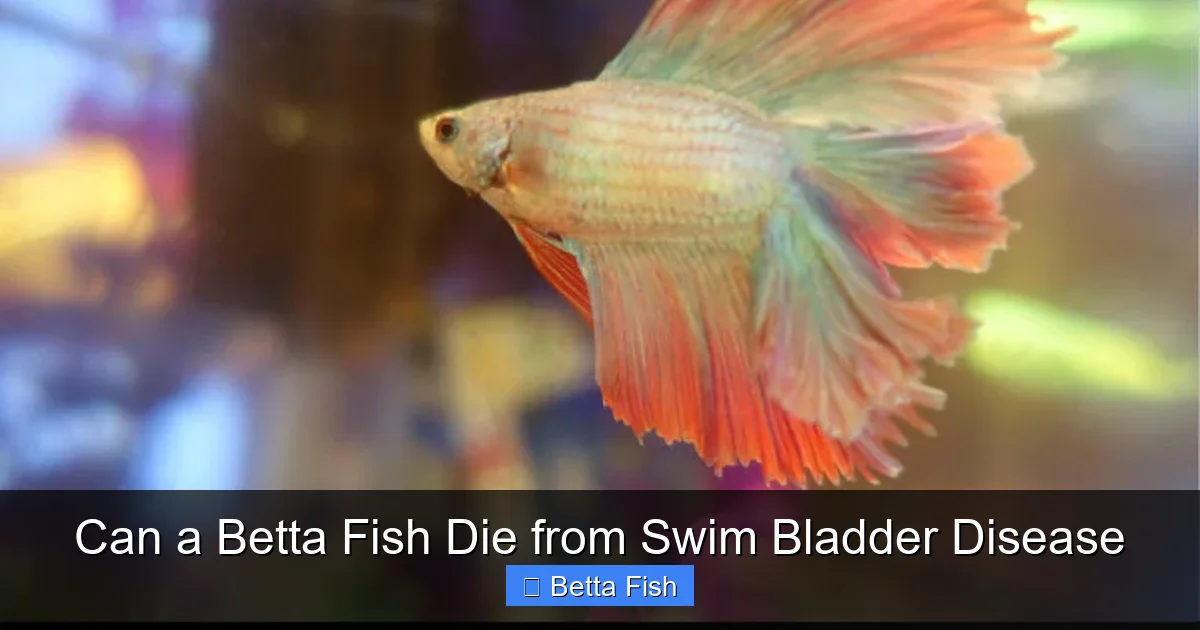
Visual guide about Can a Betta Fish Die from Swim Bladder Disease
Image source: buildyouraquarium.com
- Floating at the surface and “bouncing” off the water‑line.
- Sinking to the bottom and staying there.
- Swirling in circles or moving sideways.
- Inability to maintain a normal upright position.
When to Panic
If your betta can’t reach the surface to gulp air (bettas are surface‑breathers) and appears lethargic, the condition can become life‑threatening within hours. That’s when the answer to “can a betta fish die from swim bladder disease” is a definite “yes” if you don’t intervene quickly.
Distinguishing From Other Issues
Some illnesses, like fin rot or ich, also affect swimming, but they usually come with visible spots, frayed fins, or cloudy eyes. Swim bladder problems are primarily about buoyancy, not external lesions.
Immediate First‑Aid Steps
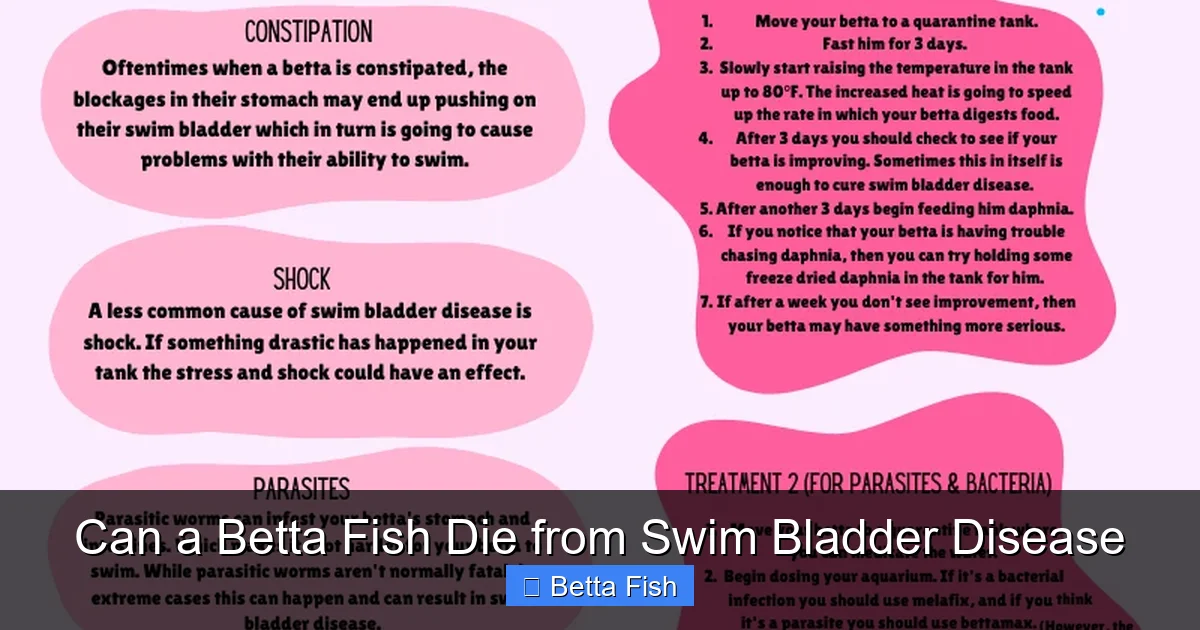
1. Fast Your Betta
Stop feeding for 24–48 hours. This gives the digestive tract a chance to clear and reduces pressure on the bladder. Keep fresh, clean water in the tank during this period.
Visual guide about Can a Betta Fish Die from Swim Bladder Disease
Image source: i.pinimg.com
2. Adjust Water Temperature
Raise the temperature slightly (by 2‑3 °F) to 78–80 °F. Warm water speeds up metabolism, helping the fish pass waste more quickly.
3. Use an Epsom Salt Bath
Mix 1 teaspoon of Epsom salt per gallon of dechlorinated water and place the betta in the solution for 15‑20 minutes. The magnesium sulfate can reduce swelling and aid gas release.
4. Offer a Gentle Food Alternative
After the fast, feed a small amount of a high‑fiber, easily digestible food. A pea (shelled and blanched) is a classic remedy—its mild fiber helps push out constipation. Cut the pea into tiny bite‑size pieces and watch your betta eat it.
5. Monitor and Record
Write down the time you started treatment and any changes in behavior. This log helps you see if the condition improves or if you need to seek professional help.
Home Treatment Options
Dietary Tweaks
Switch to a high‑quality betta pellet that sinks slowly, and feed only what your fish can eat in two minutes, twice a day. Add occasional treats of daphnia or bloodworms, but keep portions small.
Water Quality Management
- Test ammonia, nitrite, and nitrate weekly; keep ammonia and nitrite at 0 ppm.
- Perform 25‑30 % water changes every 2‑3 days during recovery.
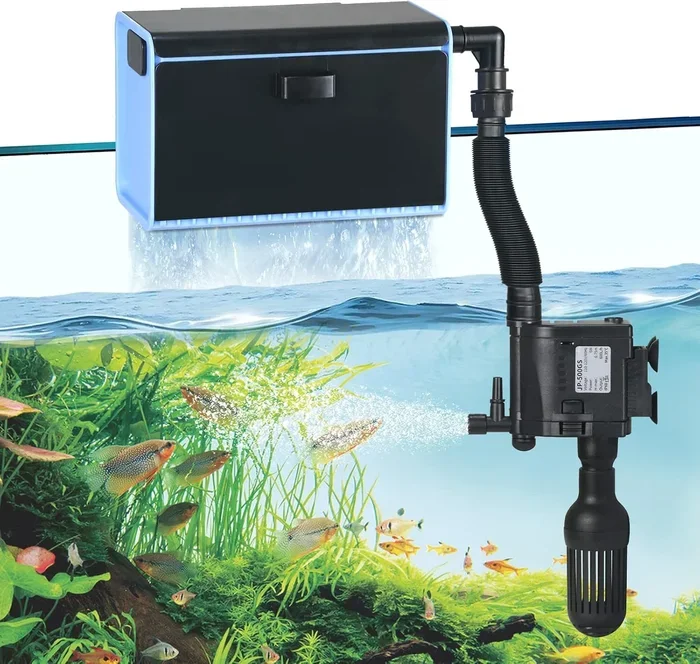
- Use a gentle filter that creates little current; strong currents can stress a weak betta.
Medication (When Needed)
If constipation is severe, a mild over‑the‑counter aquarium remedy containing mild laxatives can be used. Follow the product instructions carefully—over‑medicating can cause more harm.
When to Call a Vet or Expert
If after 48‑72 hours there is no improvement, or if the fish shows signs of infection (redness, foul odor, rapid breathing), it’s time to consult a vet who specializes in fish or an experienced aquarist. You can also read more detailed treatment steps in our guide How To Fix Swim Bladder Disease In Betta Fish.
Long‑Term Prevention Strategies
Maintain Optimal Tank Conditions
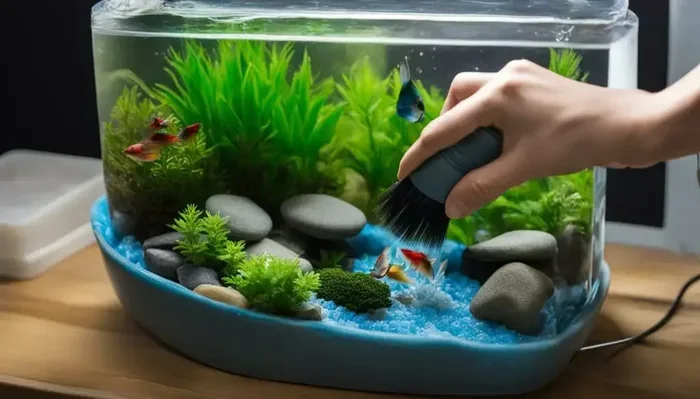
Clean the tank regularly, vacuum the substrate, and replace filter media as recommended. A stable environment reduces stress, which is a major trigger for swim bladder problems.
Feed a Balanced, Varied Diet
Offer a mix of high‑quality pellets, frozen or live foods, and occasional vegetables like blanched peas. Avoid over‑feeding; a pinch of food per feeding is enough for most bettas.
Choose the Right Tank Size
Even though many people keep bettas in small bowls, a 5‑gallon tank provides better water stability and more swimming space, which helps keep the bladder healthy. Read more about tank choices in our article Can You Keep Betta Fish In A Bowl.
Regular Health Checks
Spend a few minutes each day watching your betta’s swimming pattern. Early detection of a wobble or tilt can save you a lot of worry.
Case Studies: Real Stories of Recovery
Case 1: The Over‑Fed Betta
Emma noticed her betta floating upside‑down after feeding a large amount of frozen bloodworms. She fasted the fish for 24 hours, gave a pea snack, and raised the temperature. Within two days the betta swam normally again. This quick response prevented a fatal outcome.
Case 2: The Poor Water Quality Scenario
Mark’s tank had a strong ammonia spike due to infrequent water changes. His betta started sinking and gasping at the surface. After performing a 50 % water change, adding an Epsom salt bath, and installing a better filter, the fish recovered after three days. The key was fixing the water first.
Case 3: The Genetic Issue
Lena’s betta was born with a slightly misshapen bladder, causing chronic slight sinking. She couldn’t cure it, but by providing a gentle current‑free tank and regular pea feedings, the fish lived a full, happy life for over two years. Some conditions are not curable, but they can be managed.
Conclusion: Stay Calm, Act Fast
The short answer to “can a betta fish die from swim bladder disease” is that death is possible, but it’s far from inevitable. By recognizing the signs early, applying simple home remedies, and maintaining excellent water quality, you give your betta the best odds of bouncing back. Remember, prevention is the most powerful tool—keep a clean tank, feed wisely, and watch your fish daily. If you ever feel stuck, don’t hesitate to read more detailed instructions in our article How To Cure Swim Bladder Disease In Betta Fish or seek professional advice.
Frequently Asked Questions
Can swim bladder disease be fatal for bettas?
Yes, if left untreated a severe swim bladder issue can lead to death, especially because bettas need to reach the surface to breathe.
How long should I fast my betta when I suspect swim bladder disease?
Fast for 24–48 hours, then re‑introduce a small amount of high‑fiber food like a blanched pea.
Is a small bowl safe for a betta with swim bladder problems?
A bowl offers limited water stability, making recovery harder. A larger, filtered tank is recommended for treatment.
Can I use medication to treat swim bladder disease?
Mild over‑the‑counter laxatives can help with constipation, but always follow the dosage instructions and consider a vet’s advice for severe cases.
Will my betta’s swim bladder ever fully heal?
Many bettas recover completely with proper care, but some genetic or chronic cases may require ongoing management.
What other health issues can mimic swim bladder disease?
Illnesses like ich, fin rot, or even poor water quality can affect swimming, but they usually show additional signs such as spots, frayed fins, or clouded eyes.