Can I Put Betta Fish with Other Fish
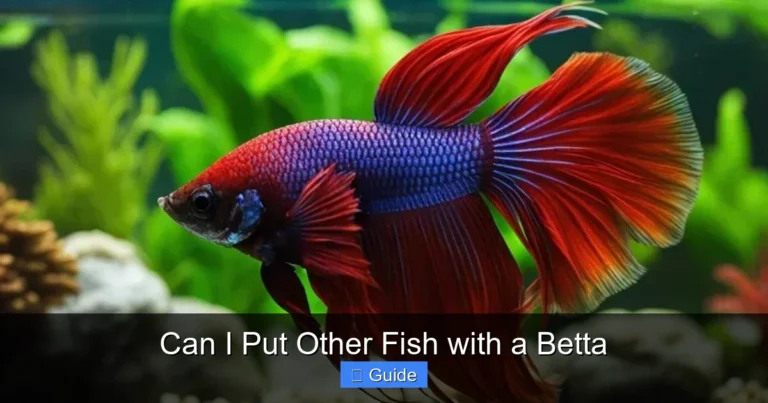
Betta fish can sometimes live with other fish, but it requires careful planning. Their famous aggression means not all species are safe tank mates. Success depends on your Betta’s individual personality, a sufficiently large tank (20+ gallons), and choosing peaceful, fast-swimming fish that won’t trigger territorial behavior. Always have a backup plan to separate fish if conflicts arise, as a stressed Betta is a common outcome of incompatible pairings.
Key Takeaways
- Betta temperament varies: Some are aggressive, some are docile; you must observe your specific fish’s personality before attempting community housing.
- Tank size is non-negotiable: A minimum of 20 gallons is essential for a community tank to provide enough space and territorial boundaries.
- Choose the right tank mates: Peaceful, fast-swimming, non-flashy fish from the bottom and mid-levels of the tank are the safest choices.
- Avoid fin-nippers and flashy fish: Guppies, fancy guppies, and other Bettas are almost always a recipe for disaster due to fin-nipping or territorial rivalry.
- The introduction process is critical: Using a divider or separate quarantine tank for initial observation prevents immediate violence and allows for a safer, slower introduction.
- Always have a backup plan: Be prepared to move your Betta to a solo tank immediately if stress or aggression is observed, as this is often the kindest outcome.
- Non-fish tank mates can work: Ghost shrimp, Amano shrimp, and snails are often successful, but your Betta may still see them as food.
📑 Table of Contents
- Can I Put Betta Fish with Other Fish? The Complete Truth
- Understanding Betta Temperament: The Legacy of the Fighter
- The Ideal Tank Setup: It’s All About Space and Structure
- Best Tank Mates for Betta Fish (and Species to Absolutely Avoid)
- The Step-by-Step Introduction Process: Patience is Everything
- Common Mistakes and How to Avoid Them
- Special Cases: Female Bettas, Sororities, and Non-Fish Tank Mates
- The Final Verdict: Should You Try It?
Can I Put Betta Fish with Other Fish? The Complete Truth
So you’ve fallen in love with the flowing fins and vibrant colors of a Betta fish. You’ve set up a beautiful, heated tank with plants and hiding spots. But then a thought creeps in: “Can I put my Betta with other fish?” It’s a common and excellent question. The short, honest answer is: sometimes, but it’s a calculated risk that depends entirely on your Betta, your tank setup, and your chosen tank mates. The myth that Betta fish (also known as Siamese fighting fish) must always live alone is just that—a myth. But the opposite myth, that they easily make friends with anyone, is equally dangerous. This guide will walk you through everything you need to know to make an informed, safe decision about creating a community tank with a Betta.
We’ll start by understanding the root of the Betta’s reputation. Then, we’ll dive into the absolute requirements for a successful community tank. You’ll learn which fish have the highest chance of coexisting peacefully and which are guaranteed trouble. Most importantly, we’ll cover the precise, step-by-step process for introducing your Betta to other fish to give you the best shot at success. Remember, the goal is a thriving, stress-free aquarium for all inhabitants, not just a hope that they won’t kill each other.
Understanding Betta Temperament: The Legacy of the Fighter
To predict if your Betta can live with others, you need to understand where their behavior comes from. Betta splendens were selectively bred for centuries for aggression in fighting matches. This history has hardwired them with strong territorial instincts, especially towards other fish that look like them—long fins, bright colors, or similar body shapes. This doesn’t mean every Betta is a villain. Decades of selective breeding for the aquarium trade have also produced many individuals with milder dispositions. But the genetic potential for aggression is always there, like a switch that can be flipped by the wrong environment or neighbor.
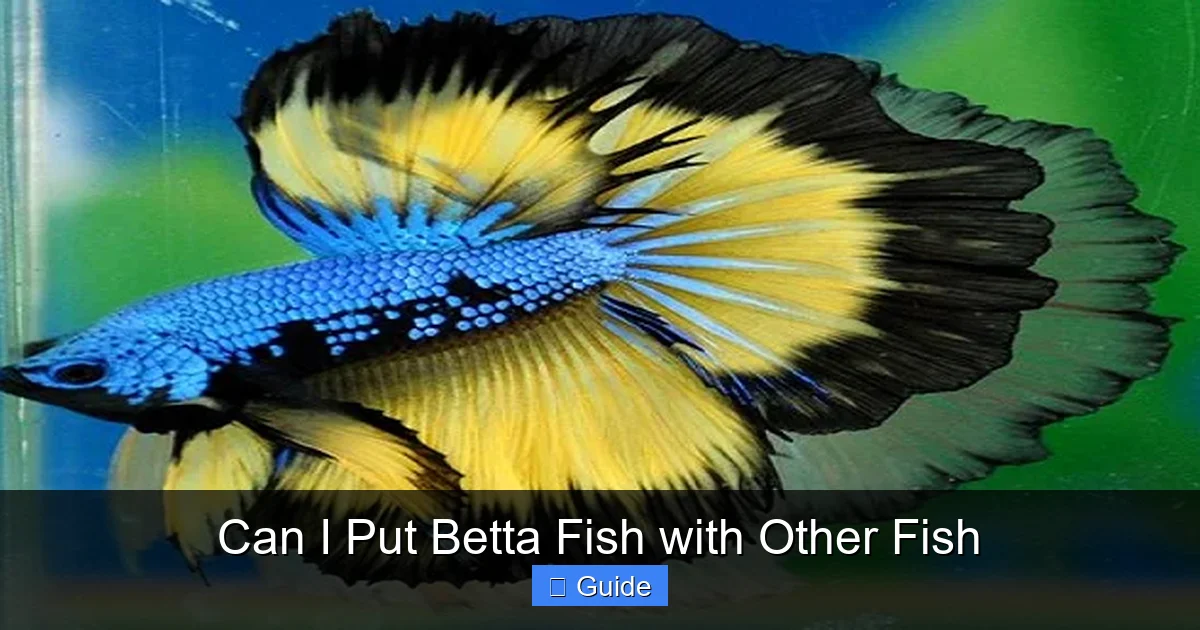
Visual guide about Can I Put Betta Fish with Other Fish
Image source: aniimad.com
The “Betta Personality” Spectrum
Think of Betta temperament not as a single trait but as a wide spectrum. On one end, you have the “Nemo” Betta: curious, calm, and seemingly unbothered by the activity of other fish. On the other end is the “Dragon” Betta: flaring at its own reflection, charging the glass at any movement, and ready to attack anything that enters its perceived territory. Most fall somewhere in the middle. Your job is to become a Betta behavior detective. Before you even consider tank mates, spend at least a week just observing your Betta in its own tank. How does it react to you? Does it flare at your finger? Does it hide constantly? A confident, active Betta that doesn’t over-react to outside stimuli is a better candidate for community life than a chronically stressed, hiding one.
Triggers for Betta Aggression
Certain things are almost guaranteed to set off a Betta’s territorial instincts. Knowing these helps you choose appropriate tank mates and design the tank layout.
- Other Male Bettas: The absolute #1 rule. Never, under any circumstances, house two male Bettas together. They will fight to the death.
- Fish that look like them: Guppies (especially males with long, colorful fins), some fancy goldfish, and other Bettas are seen as direct rivals. Female Bettas are also risky due to competition.
- Slow, long-finned fish: Bettas are slow, deliberate swimmers with long, flowing fins. They may see a slow-moving fish with flowing fins (like a male guppy or a fancy goldfish) as a rival or an easy target to nip at.
- Bright colors: While not a sole trigger, intense reds and blues can sometimes provoke a reaction, especially in a more aggressive individual.
- Invading its bubble nest: If your Betta is a male and has built a bubble nest (a collection of bubbles on the water’s surface), it will be in a highly protective, territorial state. This is not the time to introduce new fish.
The Ideal Tank Setup: It’s All About Space and Structure
You cannot put a Betta in a 5-gallon tank with other fish and expect peace. That setup is a recipe for disaster and is fundamentally unfair to all the animals involved. The single most important factor for a successful Betta community is space. More space dilutes territorial boundaries and allows fish to establish their own areas.
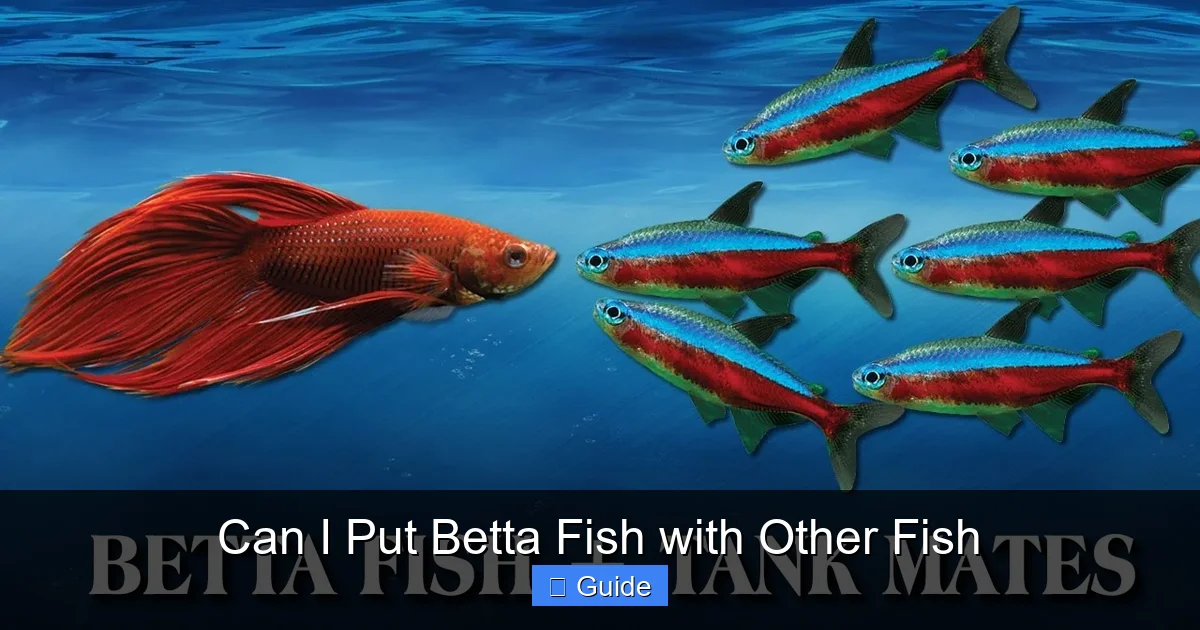
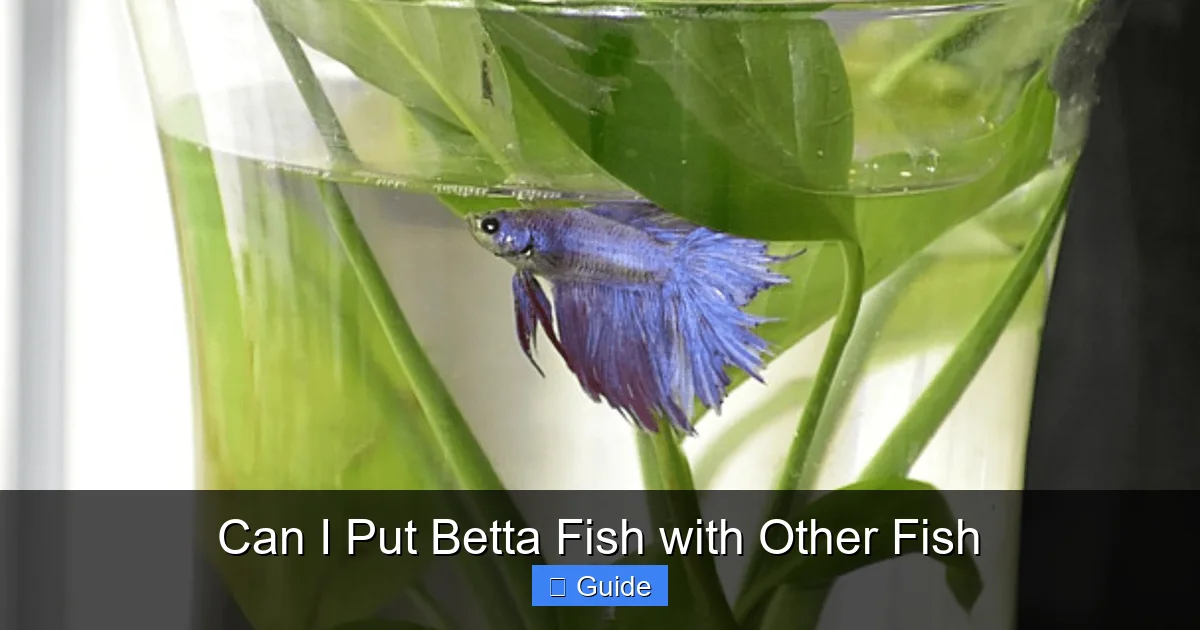
Visual guide about Can I Put Betta Fish with Other Fish
Image source: i.ytimg.com
Tank Size: The Golden Rule
The absolute minimum tank size for attempting a Betta community is 20 gallons. This is not a suggestion; it is the baseline. A 10-gallon tank is only suitable for a single Betta. A 20-gallon long tank provides a larger footprint (more horizontal swimming space) which is far more important than height. This space allows you to create distinct zones: a Betta’s territory on one end, and territories for other fish on the other. In a small tank, there is no escape, and the Betta will inevitably see any other fish as an intruder in its entire domain.
Tank Layout: Creating Visual Barriers
You must design the tank to break line-of-sight. A Betta that can see another fish constantly will perceive it as a constant threat. Use your aquascaping to create hiding spots and separate the tank into sections.
- Dense Plant Life: Use live plants like Java fern, Anubias, and cryptocorynes, or high-quality silk plants. Create thick “forests” of vegetation, especially in the middle and at the ends of the tank.
- Hardscape is Key: Driftwood, large rocks, and ceramic castles provide solid, physical barriers. Position them to create nooks and crannies where fish can disappear from view.
- Floating Plants: These are fantastic for Betta tanks. They diffuse light, provide a sense of security under the canopy (mimicking their natural habitat), and help break the surface line-of-sight. Betta fish often love resting under them.
- Substrate Variation: While less critical, using different substrate types in different zones (sand in one area, gravel in another) can subtly help define spaces.
The goal is that a fish should not be able to see from one end of the tank to the other without a plant or decoration blocking the view.
Best Tank Mates for Betta Fish (and Species to Absolutely Avoid)
Now, let’s get specific. Which fish have the best chance? The ideal Betta tank mate is peaceful, fast-swimming, and non-flashy. They should occupy different levels of the tank than the Betta, who is a top- and mid-level swimmer. They should also be sturdy enough to not be bullied if a minor spat occurs.
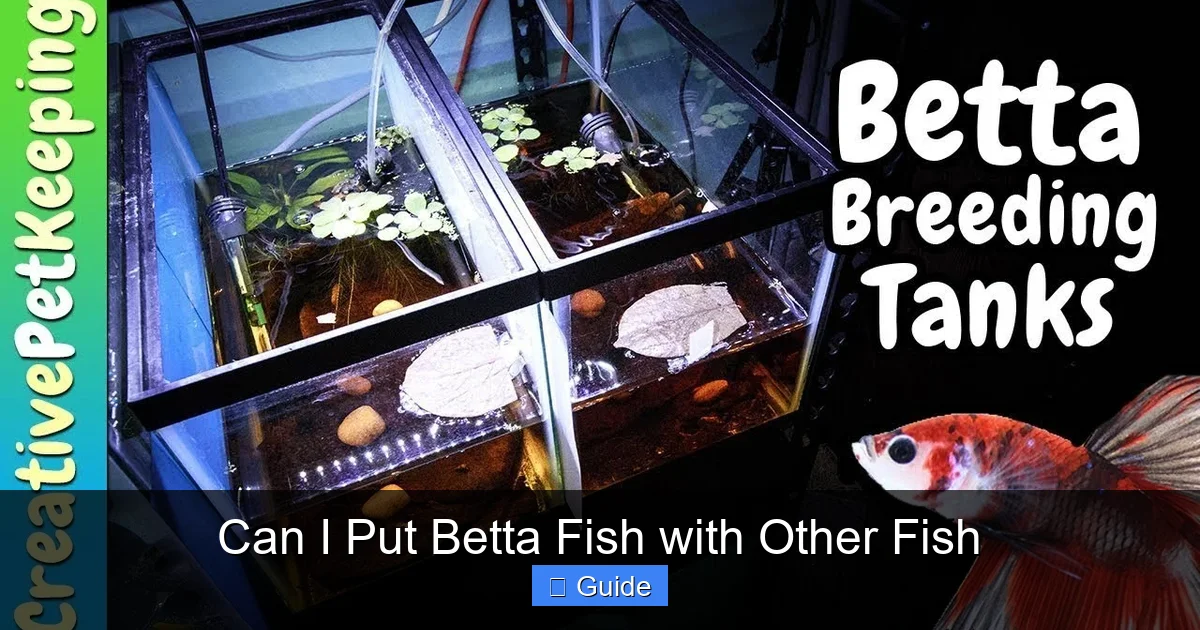
Visual guide about Can I Put Betta Fish with Other Fish
Image source: i.ytimg.com
Top-Tier Candidates (Higher Success Rate)
- Neon Tetras & Other Small Tetras (Ember Tetras, Cardinal Tetras): These are the gold standard for a reason. They are fast, schooling fish that stay in the mid-to-upper levels. They are peaceful, not brightly colored in a “Betta-challenging” way (their blue/red stripe is a thin line, not a large patch), and they thrive in groups of 6+. Their speed allows them to evade a curious Betta.
- Harlequin Rasboras: Similar to tetras. They are active, peaceful, and prefer to school in the mid-levels. Their orange/red coloration is usually not provocative, and their speed is an asset.
- Corydoras Catfish (Cories): These are the perfect bottom-dwellers. They are armored, peaceful, and spend all day sifting through the substrate for food. They are completely different in shape and behavior from a Betta. Keep them in groups of 5+.
- Kuhli Loaches: If your tank has a fine substrate, these eel-like, nocturnal loaches are excellent. They are incredibly peaceful, stay on the bottom, and are mostly active at night when the Betta is resting.
- Bristlenose Plecos (Ancistrus): A small, armored pleco species. They are algae eaters that stick to the glass and decorations. Their bony plates and different shape make them uninteresting to most Bettas. Avoid common plecos, which grow huge.
- Giant Danios (in a large, active tank): This is for a 30+ gallon tank with a very active Betta. Giant Danios are fast, active, and somewhat bold. They are too fast to be caught and too busy to bother the Betta. They can, however, sometimes be a little too boisterous for a very shy Betta.
- White Cloud Mountain Minnows: Cold-water fish that are peaceful and active. Their subtle coloration and speed make them good candidates. Ensure your tank is at the warmer end of their range (72-76°F).
The “Maybe” Category (Proceed with Extreme Caution)
- Ghost Shrimp, Amano Shrimp, Cherry Shrimp: These are invertebrates, not fish. They can work brilliantly as a “clean-up crew.” However, many Bettas will hunt and eat them, especially smaller cherry shrimp. Larger Amano and Ghost shrimp have a better chance. It’s a risk, not a guarantee.
- Nerite Snails, Mystery Snails: Snails are generally safe because they are not fish and have a hard shell. A Betta might investigate one, but it will quickly lose interest. They are excellent algae eaters. Mystery snails are larger and more noticeable, but their shells protect them.
- Otocinclus Catfish (Otos): These tiny, schooling algae eaters are very delicate. They require pristine water and a well-established tank with algae. A stressed Betta might harass them, and they are so small they can easily be injured. Only attempt with a proven, calm Betta in a heavily planted tank.
Species to AVOID at All Costs
- Any other Betta fish: Male with male is death. Male with female is long-term stress and potential injury (the female may eat the male’s fins, or vice versa). Female sororities (groups of females) are a separate, advanced topic requiring a minimum 40+ gallon, heavily planted tank and are not for beginners.
- Fancy Guppies, Endlers Guppies: Their long, flowing tails are an irresistible target for a Betta to nip. They are seen as rival males. Avoid entirely.
- Angelfish, Discus, other large cichlids: These are often semi-aggressive and can grow large enough to bully or eat a Betta. The size mismatch is dangerous.
- Tiger Barbs, Serpae Tetras, other known fin-nippers: These fish are infamous for nipping at the long, flowing fins of slow-moving fish. Your Betta will be a prime target, leading to a shredded, stressed Betta.
- Goldfish (any kind): Different temperature requirements (goldfish are cold-water), and goldfish are messy, producing a lot of ammonia that can harm a Betta. Fancy goldfish have the same fin-nipping problem as guppies.
- Any fish with long, flowing fins or bright, solid colors: Use this as a general rule. If it looks like a Betta, it’s a risk.
The Step-by-Step Introduction Process: Patience is Everything
You have a 20+ gallon, heavily planted tank. You’ve chosen a school of neon tetras or a group of corydoras. Now comes the most critical phase: the introduction. Never, ever just drop new fish into the Betta’s established tank. This is the fastest way to cause a bloodbath. You must use a slow, controlled process to allow the Betta to get used to the idea of the new fish without being able to attack them immediately.
Step 1: The Quarantine and Observation Tank
First, your new tank mates must be quarantined in a separate tank for at least 2-4 weeks. This is to ensure they are not carrying diseases that could infect your Betta. This separate tank is also your observation tank. Place your Betta’s tank next to the quarantine tank (or use a clear divider within your large community tank). Let them see each other through the glass for several days. Watch for intense flaring (gills and fins puffed out) and charging from your Betta. Some flaring is normal investigation; constant, violent flaring is a bad sign.
Step 2: The “Divided Tank” Method (Highly Recommended)
If your tank is large enough (20+ gallons), use a permanent or temporary divider. Place the Betta on one side and the new fish on the other. The divider should be opaque or heavily planted so they can’t see each other constantly, but they will sense each other’s presence through water movement and smell. Keep them separated for 1-2 weeks. Monitor both sides for stress. Then, you can try removing the divider for short, supervised periods (30 minutes to 1 hour). Be ready with a net and a separate holding container. If the Betta chases relentlessly, the divider goes back up for another week. If there is mild curiosity but no attacks, you can extend the free-swim time. Eventually, if interactions are peaceful, you can leave the divider down permanently.
Step 3: The “Rearrange & Add” Method
If you don’t have a divider, you can use tank rearrangement. Move all the plants and decorations around completely, effectively “resetting” the tank’s layout. This destroys the Betta’s established territory. Then, add the new fish first and let them explore and claim spots for 15-20 minutes. Finally, using a cup, gently net your Betta from its old hiding spot and release it into the newly arranged tank. The disorientation often reduces immediate territorial aggression because the Betta is now the one in a new environment. This method is more stressful for the Betta and has a lower success rate than the divider method.
Step 4: Post-Introduction Monitoring
For the first 72 hours after full cohabitation, watch the tank like a hawk. Look for:
- Flaring: Occasional flaring is ok. Constant flaring, especially with extended fins, is stress.
- Chasing: A few curious chases are normal. relentless, high-speed chasing that tires one fish out is not.
- Nipping: Any visible torn fins on the Betta or the new fish means immediate separation.
- Hiding: If the new fish are permanently hiding and not coming out to eat, the Betta is bullying them.
- Loss of Appetite: If your Betta stops eating, it is stressed.
Have a “hospital tank” or a 5-gallon cycled tank on standby to instantly remove either the Betta or the new fish if problems arise. Sometimes, despite your best efforts, personalities simply clash, and that’s okay. A solo Betta in a well-decorated tank is a happy, healthy Betta.
Common Mistakes and How to Avoid Them
Even with good intentions, many hobbyists sabotage their Betta community tank from the start. Here are the most frequent errors.
Mistake 1: Starting with a Tank That’s Too Small
This is the #1, all-encompassing mistake. A 10-gallon “community” tank with a Betta and a few neon tetras is a guaranteed failure. The tetras will have no space to school and escape, the Betta will feel cornered, and water quality will suffer. Solution: Start with a 20-gallon long tank as your baseline project. You will have a dramatically higher chance of success and a more stable ecosystem.
Mistake 2: Introducing Fish Too Quickly
Adding a school of fish directly to the Betta’s tank is like walking into a stranger’s house unannounced and starting to rearrange the furniture. It triggers immediate defense. Solution: Use the divider or quarantine/observation method for at least a week. Let the Betta see the other fish without being able to reach them. This desensitization is key.
Mistake 3: Choosing Incompatible Species Based on Looks Alone
That beautiful, flashy male guppy looks like it would complement your red halfmoon Betta. It absolutely will not. The Betta will see it as the male rival it visually resembles and will attack it. Solution: Base your choices on the criteria of peacefulness, speed, and different body shape. Research each species’ temperament thoroughly. Look for community tank lists, not just “pretty fish.”
Mistake 4: Not Providing Enough Hiding Spops and Plants
A bare tank with a Betta and a few other fish is a stress factory. With no place to hide, the submissive fish will be constantly harassed, and the Betta will have no break from seeing them, fueling its anxiety. Solution: Overstock your tank with plants and decorations. It should look “busy” to our eyes. This provides security for the shy fish and visual barriers for the Betta.
Mistake 5: Assuming All Bettas Will Behave the Same
Your friend has a peaceful Betta with neon tetras. That does not mean yours will. Betta personalities are individual. Solution: Go into the process with zero expectations. Your Betta’s behavior is the final authority. Be prepared to be the one who ends the community experiment if it’s not working. A solo, enriched life is always better than a stressful one.
Special Cases: Female Bettas, Sororities, and Non-Fish Tank Mates
There are a few other common scenarios we should address separately.
Female Betta Fish: Easier, But Not Easy
Female Bettas are generally less aggressive and have shorter fins, making them slightly better candidates for community tanks. However, they still have the same territorial instincts. The same rules apply: large tank (20+ gallons), careful selection of tank mates, and a proper introduction. A female Betta can often do well with the same peaceful, fast-swimming fish listed above. Some aquarists find females are less likely to nip at guppy-like fish, but it’s still not recommended due to individual variation.
Betta Sororities (Groups of Female Bettas)
A “sorority” is a group of 4-6 female Bettas kept together. This is an advanced setup only. It requires a minimum of a 40-gallon long tank, heavily planted with visual barriers, and all females must be introduced simultaneously. It is not a beginner project and carries a high risk of injury and death if not done perfectly. It is a very different challenge from adding other species to a single Betta.
Non-Fish Tank Mates: Shrimp and Snails
As mentioned, ghost shrimp, Amano shrimp, and various snails (nerite, mystery, ramshorn) are the safest “tank mates” to start with. They occupy a different niche and are often ignored. They also serve a practical purpose: cleaning the tank. Start with a few shrimp or a couple of snails. Observe closely. If your Betta hunts them, you’ll know quickly. If it ignores them, you have a successful, low-risk addition. Remember, even if the Betta doesn’t eat them, it might still “play” with them by nipping, which can stress and kill the shrimp.
The Final Verdict: Should You Try It?
So, can you put Betta fish with other fish? Yes, you can. But the better question is: should you? The answer depends on your goals, your patience, and your willingness to be adetective and a referee.
If you want a vibrant, active community tank and are willing to invest in a proper 20+ gallon setup, research species meticulously, and follow a slow introduction protocol, then you have a good chance of success. A well-chosen community can actually reduce a Betta’s stress by providing activity and distraction, while the Betta’s presence can add a stunning centerpiece.
If you want a simple, low-maintenance pet and are drawn to the Betta’s personality, keeping it solo in a 5- or 10-gallon beautifully planted tank is a perfectly valid and often more humane choice. A solo Betta will be the center of all your attention and will likely live a longer, less stressful life.
There is no moral high ground in either choice. The high ground is in providing the best possible environment for the animal, whether that’s with carefully chosen company or in peaceful solitude. Observe your Betta, respect its instincts, and prioritize its wellbeing above your desire for a community. If you do that, you can’t go wrong.
Frequently Asked Questions
How can I tell if my Betta is stressed by tank mates?
Look for constant flaring (gills and fins extended), relentless chasing of other fish, hiding all day, loss of appetite, faded colors, and torn fins on itself or its tank mates. Any of these signs mean you need to separate the fish immediately.
What is the absolute minimum tank size for a Betta with other fish?
The absolute minimum is 20 gallons, and even then, you must be very selective with tank mates and have a heavily planted tank. A 10-gallon tank is only suitable for a single Betta fish.
Can Betta fish live with shrimp or snails?
Yes, shrimp like ghost shrimp or Amano shrimp and snails like nerite or mystery snails are often successful tank mates because they are not fish and occupy a different niche. However, many Bettas will hunt and eat smaller shrimp like cherry shrimp, so it’s not a guarantee.
Can I put a male and female Betta together?
No. Male and female Bettas should not be kept together long-term. They will harass each other, and the male may try to build a bubble nest and become extremely territorial. Any temporary contact should only be for controlled breeding by experts.
Is it ever better to keep a Betta alone?
Absolutely. Many Betta fish, especially those with more aggressive personalities, are far happier and healthier in a solo, well-decorated tank. A solo Betta will not face stress from rivals and will often display its best colors and behavior. It is a valid and often preferable choice.
What should I do if my Betta starts fighting with a new tank mate?
Separate them immediately. Have a backup “hospital” tank ready. You must remove either the Betta or the new fish to prevent injury or death. Do not hope they will work it out; Betta aggression is serious and often escalates quickly. Once separated, it is usually best to keep them apart permanently.