Are Guppies Betta Fish

Are guppies betta fish? No — guppies and betta fish are two completely different species, but many fish keepers wonder if they can share a tank. This guide breaks down the differences, compatibility, and practical tips for keeping guppies and betta fish together safely. You will learn about temperament, tank setup, feeding, and common mistakes to avoid.
Have you ever walked into a pet store and stared at a beautiful betta fish swimming next to a colorful guppy? Maybe you thought, “Wait, are guppies betta fish?” It is an easy question to ask. Both fish are popular, vibrant, and common in home aquariums. But here is the short answer: guppies and betta fish are not the same species. They are two completely different types of fish with unique needs, temperaments, and appearances.
Despite being different species, many aquarium owners want to keep them together. The idea of a mixed tank with bright guppies and flowing betta fins sounds amazing. But can it work? That depends on several factors, including tank size, temperament, and setup. This guide will walk you through everything you need to know about are guppies betta fish, whether they can share a tank, and how to keep both species happy and healthy.
If you are new to fish keeping or thinking about adding both species to your aquarium, you are in the right place. We will cover the differences, compatibility, feeding, and common mistakes. By the end, you will have a clear picture of what it takes to create a peaceful community tank with guppies and bettas.
Key Takeaways
- Guppies and betta fish are not the same species: They belong to different families and have distinct traits.
- Compatibility depends on setup: A well-planned tank can help guppies and bettas coexist peacefully.
- Male bettas are more aggressive: They may chase or nip at guppy fins, so choosing tank mates carefully matters.
- Tank size and décor make a difference: Plenty of hiding spots and open swimming space reduce stress for both species.
- Feeding needs differ: Guppies are omnivores while bettas are carnivores, so a shared diet requires balance.
- Watch for signs of stress: Clamped fins, hiding, and loss of color can mean your fish are not getting along.
- Always research before adding new fish: Understanding each species ensures a healthy, happy aquarium.
📑 Table of Contents
What Are Guppies?
Guppies are small, lively tropical fish that belong to the Poeciliidae family. They are also known as millionfish or rainbow fish because of their stunning colors. Guppies are native to South America, especially in countries like Trinidad, Barbados, and Venezuela.
Here are some key facts about guppies:
- Size: Most guppies grow to about 1.5 to 2.5 inches long.
- Lifespan: They typically live 2 to 3 years in captivity.
- Temperament: Guppies are peaceful and social. They enjoy swimming in groups.
- Diet: Guppies are omnivores. They eat flakes, small pellets, brine shrimp, and even algae.
- Breeding: Guppies are livebearers, meaning they give birth to live fry instead of laying eggs.
One reason guppies are so popular is their variety. You can find guppies in almost every color — red, blue, orange, green, purple, and even solid black. Their tails come in many shapes too, from fan tails to sword tails. This diversity makes them a favorite among beginner and experienced fish keepers alike.
What Are Betta Fish?
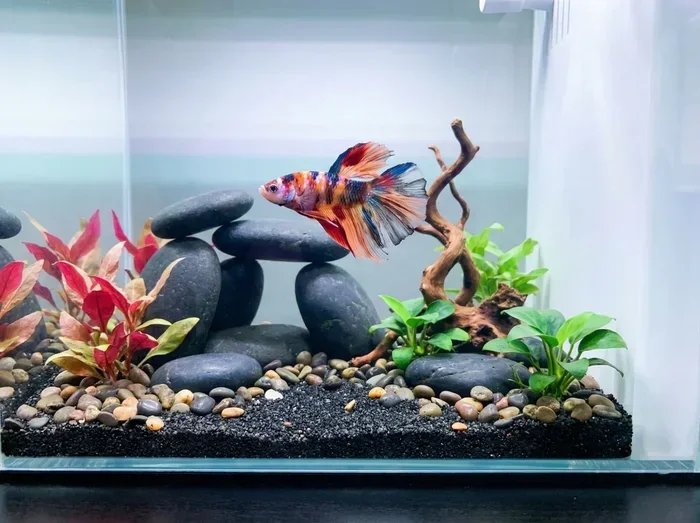
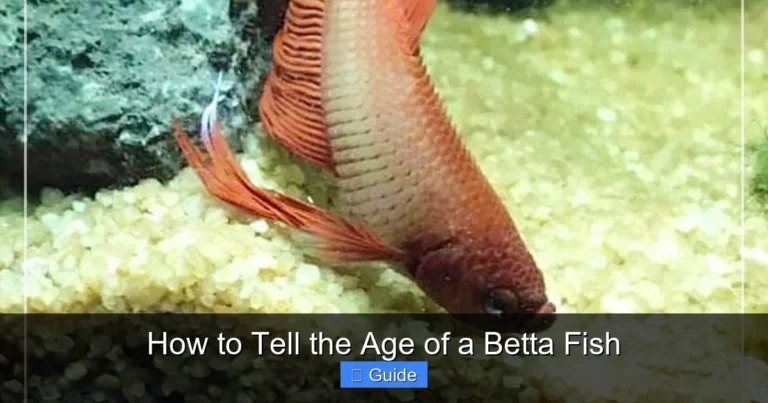
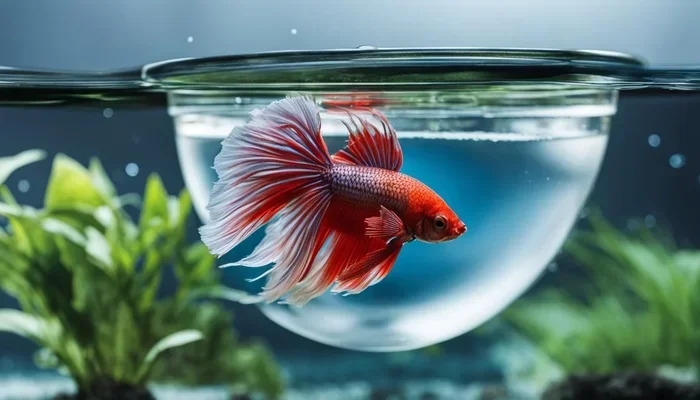
Betta fish, also known as Siamese fighting fish, belong to the Osphronemidae family. Their scientific name is Betta splendens. Bettas originate from the warm, slow-moving waters of Southeast Asia, including Thailand, Cambodia, and Vietnam.
Here are some key facts about betta fish:
- Size: Bettas typically grow to 2 to 3 inches long.
- Lifespan: With proper care, bettas can live 3 to 5 years.
- Temperament: Male bettas are known for being aggressive, especially toward other bettas and fish with long, flowing fins.
- Diet: Bettas are carnivores. They prefer protein-rich foods like bloodworms, daphnia, and betta pellets.
- Breeding: Male bettas build bubble nests to protect their eggs and fry.
Betta fish are famous for their long, flowing fins and brilliant colors. Each fish looks like a tiny work of art. However, their beauty comes with a reputation. Male bettas can be territorial and may attack other fish that invade their space. This is the main reason many people wonder about keeping bettas with other species like guppies.
Are Guppies Betta Fish? Understanding the Key Differences
The question “are guppies betta fish” comes up often, and the answer is a clear no. Guppies and bettas are entirely different species. Here is a side-by-side comparison to help you understand the main differences.
| Trait | Guppies | Betta Fish |
| Scientific Family | Poeciliidae | Osphronemidae |
| Size | 1.5 to 2.5 inches | 2 to 3 inches |
| Lifespan | 2 to 3 years | 3 to 5 years |
| Temperament | Peaceful and social | Territorial (especially males) |
| Diet | Omnivore | Carnivore |
| Breeding Style | Livebearers | Bubble nest builders |
| Fin Type | Varied, shorter fins | Long, flowing fins |
| Best Tank Mates | Peaceful community fish | Peaceful fish in large tanks |
As you can see, guppies and bettas differ in almost every way. Their temperaments are the biggest factor when deciding whether they can live together. Guppies are calm and get along with most peaceful fish. Bettas, especially males, can be territorial and may see guppies as intruders.
That said, many fish keepers successfully house guppies and bettas in the same tank. It takes the right setup and careful planning. If you are considering this, learning about guppy and betta fish compatibility is essential before you make any decisions.
Can Guppies and Betta Fish Live Together?
This is the question most fish keepers want answered. The truth is that it depends. While guppies and bettas are not the same species, they can share a tank under the right conditions. But it is not always a guaranteed success.
Many experienced aquarists have successfully kept guppies and bettas together. The key is understanding each species’ needs and creating an environment where both feel safe. A cramped tank with no hiding spots is a recipe for stress and conflict.
Factors That Affect Compatibility
Several factors determine whether guppies and bettas can coexist peacefully:
- Tank size: A tank of at least 20 gallons gives both species enough space to establish their own territories.
- Tank layout: Plenty of plants, caves, and decorations break up lines of sight and reduce aggression.
- Betta temperament: Some bettas are more peaceful than others. A calm betta is more likely to tolerate guppies.
- Guppy gender ratio: Having more female guppies than males can reduce chasing and fin-nipping behavior.
- Water parameters: Both species prefer warm water between 75 and 82 degrees Fahrenheit, so maintaining stable conditions is important.
If you want to try keeping these two species together, it helps to learn more about putting guppies with betta fish and understanding their specific needs. Some owners also find it helpful to research whether betta fish fight with guppies, since aggression is the biggest risk in a shared tank.
For a deeper look at compatibility, you can also explore articles about guppies and betta fish living in the same tank to get more practical advice from experienced keepers.
When It Might Not Work
There are situations where keeping guppies and bettas together is a bad idea:
- Small tanks: Anything under 10 gallons increases stress and territorial behavior.
- Male bettas with long-finned guppies: Bettas may mistake flowing guppy fins for rival bettas and attack them.
- Overcrowded tanks: Too many fish in a small space leads to competition and aggression.
- No hiding spots: Without plants or décor, fish have nowhere to retreat, which raises stress levels.
If you notice your betta chasing guppies constantly or if guppies look stressed, it is best to separate them. Not every combination works for every fish, and that is okay. The health and safety of your fish should always come first.
Setting Up a Tank for Guppies and Bettas
If you decide to keep guppies and bettas together, the tank setup plays a huge role in their success. A well-designed aquarium reduces stress, prevents aggression, and keeps both species healthy.
Tank Size and Shape
Aim for a tank of at least 20 gallons. A longer tank is better than a tall one because it provides more horizontal swimming space. Both guppies and bettas enjoy room to move around. A larger tank also dilutes aggression, making it less likely that a betta will focus its territorial behavior on one fish.
Plants and Decorations
Live plants are your best friend when keeping guppies and bettas together. Plants like java moss, Amazon sword, and anubias provide natural cover and break up sightlines. Floating plants like frogbit or water lettuce add extra shade, which bettas love.
Add caves, driftwood, and rocks to create hiding spots. These decorations give guppies a place to retreat if a betta becomes territorial. They also give bettas a sense of territory without making them overly aggressive.
Water Conditions
Both species thrive in similar water conditions, which makes them somewhat compatible:
- Temperature: Keep water between 75 and 82 degrees Fahrenheit.
- pH Level: Aim for a pH between 6.8 and 7.5.
- Filtration: Use a gentle filter. Bettas do not like strong currents, and guppies prefer calm water too.
- Water Changes: Perform 25% water changes weekly to keep the tank clean and healthy.
Stable water conditions are crucial. Sudden changes in temperature or pH can shock both species and lead to illness. Investing in a good heater and thermometer is a smart move.
Feeding Guppies and Bettas Together
Feeding two different species in one tank can be tricky. Guppies and bettas have different dietary needs, so you need to balance their food carefully.
Bettas are carnivores and need protein-rich foods. High-quality betta pellets, bloodworms, and daphnia should form the core of their diet. Guppies are omnivores and eat both plant-based and protein-rich foods. Flakes, small pellets, blanched vegetables, and occasional treats like brine shrimp work well for guppies.
Here are some feeding tips for a shared tank:
- Feed bettas first: Bettas are slower eaters and may miss out if guppies gobble all the food.
- Use sinking pellets for guppies: This ensures guppies at the bottom of the tank get enough to eat.
- Avoid overfeeding: Excess food pollutes the water and can cause health problems for both species.
- Offer variety: Rotating between flakes, pellets, and frozen or live foods keeps both species healthy and active.
Some fish keepers also wonder if bettas will eat guppies. While bettas are not typically interested in eating healthy adult guppies, they may eat very small guppy fry. If you plan to breed guppies, you will need extra hiding spots or a separate breeding tank to protect the fry.
Common Mistakes to Avoid
Even with the best intentions, mistakes happen when keeping guppies and bettas together. Here are some common pitfalls to watch out for:
- Starting with too small a tank: A 5-gallon tank is not enough for both species. Always go bigger when mixing fish.
- Ignoring aggression signs: If your betta flares constantly or chases guppies, the tank is not a good fit for them together.
- Skipping hiding spots: Without plants and décor, fish have no escape routes, which increases stress.
- Overstocking the tank: More fish means more waste and more competition for food and space.
- Not monitoring water quality: Poor water conditions affect both species and can trigger illness and aggression.
Avoiding these mistakes sets you up for success. A little planning goes a long way toward creating a harmonious aquarium where both guppies and bettas thrive.
Final Thoughts
So, are guppies betta fish? No, they are not. Guppies and bettas are two distinct species with different needs and temperaments. But that does not mean they cannot live together. With the right tank size, proper setup, and careful observation, many fish keepers enjoy a peaceful community tank with both species.
The most important thing to remember is that every fish has its own personality. Some bettas are calm and tolerant, while others are aggressive no matter what you do. Guppies are generally peaceful, but even they have limits. Pay attention to how your fish behave and be ready to adjust your setup if needed.
If you are new to keeping both species, start slow. Add fish gradually and watch for signs of stress or aggression. A successful shared tank is built on patience, knowledge, and care. With the tips in this guide, you are well on your way to creating a beautiful aquarium that both guppies and bettas will enjoy.
Remember, the goal is a healthy, happy environment for all your fish. Whether you keep them together or in separate tanks, understanding each species is the first step toward being a great fish keeper.
Frequently Asked Questions
Can male betta fish live with guppies?
Male bettas can live with guppies in some cases, but it depends on the individual fish and the tank setup. Male bettas are more territorial and may chase or nip at guppies, especially those with long fins. A tank of at least 20 gallons with plenty of plants and hiding spots gives both species room to coexist. Always monitor their behavior closely and be ready to separate them if aggression occurs.
What happens if a betta fish eats a guppy?
Betta fish are unlikely to eat healthy adult guppies, but they may consume very small guppy fry. Bettas are carnivores and prefer protein-rich foods like pellets, bloodworms, and daphnia. If your betta seems interested in eating a guppy, it is usually a sign of territorial aggression rather than hunger. Providing enough food and space helps reduce this behavior.
How many guppies can you keep with a betta fish?
A good starting point is a group of 4 to 6 guppies with one betta in a 20-gallon tank. More guppies can dilute the betta’s attention and reduce aggression. Make sure there are plenty of plants and hiding spots so guppies can retreat if needed. Watch the tank closely during the first few weeks to ensure everyone is getting along.
Do betta fish and guppies need the same water conditions?
Yes, both species prefer similar water conditions, which is one reason they can sometimes share a tank. They both thrive in warm water between 75 and 82 degrees Fahrenheit and prefer a pH between 6.8 and 7.5. Stable water quality is important for both, so regular water changes and gentle filtration are key to keeping them healthy.
Can female betta fish live with guppies?
Female bettas are generally less aggressive than males, making them better candidates for community tanks with guppies. However, individual temperament varies, so it is still important to monitor their behavior. A well-planted tank with plenty of space gives female bettas and guppies the best chance of coexisting peacefully. Always have a backup plan in case separation is needed.
Are guppies and bettas good tank mates?
Guppies and bettas can be good tank mates when the setup is right. A large enough tank, plenty of hiding spots, and careful observation all contribute to a peaceful environment. Not every combination will work, but many fish keepers have success keeping these two species together. Research each species’ needs and be prepared to adjust your setup if problems arise.