Can a Betta Fish Die from Cold Water
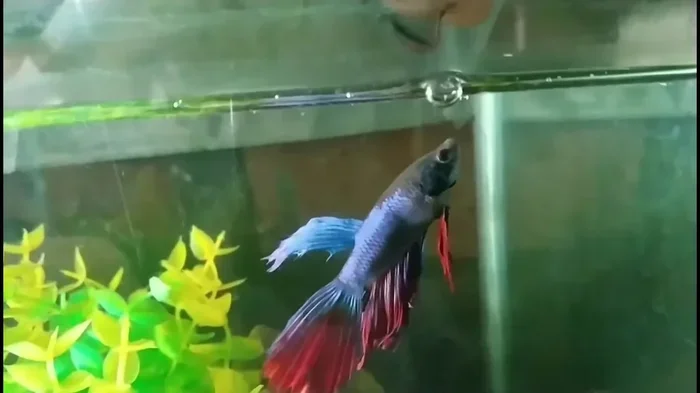
Can a betta fish die from cold water? Yes, cold water can seriously harm or even kill your betta fish. Betta fish are tropical creatures that need warm, stable water between 76°F and 82°F to stay healthy. When temperatures drop too low, their immune system weakens, their metabolism slows, and they become vulnerable to deadly diseases. The good news is that with proper heating, daily temperature monitoring, and a few simple precautions, you can fully protect your betta from cold water dangers.
Cold water is one of the biggest hidden dangers for betta fish. Many new owners do not realize that betta fish cold water can cause serious health problems fast. These beautiful fish come from warm tropical climates. So when the temperature drops, their bodies struggle to function properly.
The question can a betta fish die from cold water is one every betta owner should know the answer to. The short answer is yes. Cold water can weaken your fish, make them sick, and in severe cases, it can be fatal. But the good news is that you can prevent this with the right knowledge and tools.
In this guide, we will walk you through everything you need to know. You will learn what happens when the water gets too cold, how to spot the warning signs early, and exactly what you can do to keep your betta safe and warm. Let us dive in.
Key Takeaways
- Cold water can kill betta fish: Prolonged exposure to temperatures below 74°F weakens their immune system and can lead to organ failure and death.
- The ideal temperature range is 76°F to 82°F: Keeping your tank within this range ensures your betta stays active, healthy, and vibrant.
- Watch for warning signs: Lethargy, faded colors, clamped fins, loss of appetite, and hiding are all signs your betta may be too cold.
- A reliable heater is essential: Never skip using an aquarium heater. It is the single most important tool for maintaining safe water temperatures.
- Recovery is possible with quick action: Mild cold exposure is often reversible. Gradually raise the temperature and monitor your fish closely.
- Prevention is always better than treatment: Daily temperature checks and proper tank placement can prevent cold water problems before they start.
📑 Table of Contents
- What Happens When a Betta Fish Gets Too Cold
- The Ideal Temperature Range for Betta Fish
- Signs Your Betta Fish Is Too Cold
- Common Causes of Cold Water in Betta Tanks
- How to Keep Your Betta Fish Warm and Safe
- Can a Betta Fish Recover From Cold Water Exposure?
- Final Thoughts on Cold Water and Betta Fish Safety
What Happens When a Betta Fish Gets Too Cold
Understanding what cold water does to a betta fish is the first step in protecting your pet. Betta fish cold water affects their body in several ways, and the damage can happen faster than you might think.
How Cold Water Affects Betta Fish Biology
Betta fish are tropical creatures. They thrive in warm, stable water. When the temperature drops below their comfort zone, their metabolism slows down significantly. This means their body processes slow, including digestion and immune response.
A betta fish in cold water may stop eating. Its immune system becomes weak, leaving it vulnerable to diseases. Bacteria and parasites that the fish could normally fight off start to take over. This is why betta fish cold water exposure is so dangerous.
If you are wondering whether a betta fish can die in cold water, the answer is absolutely yes. Prolonged exposure to low temperatures can lead to organ failure and death.
The Role of Temperature in Betta Fish Immune Function
Your betta’s immune system depends heavily on water temperature. Warm water keeps their body functioning at an optimal level. When the water cools down, the immune system weakens.
Here is what happens step by step:
- The betta’s metabolism slows as the water cools.
- Digestive processes become sluggish, leading to bloating and constipation.
- The immune system weakens, making the fish susceptible to infections.
- Diseases like ich and fin rot take hold more easily.
- If the cold exposure continues, the fish may stop eating entirely.
- Without food and a weakened immune system, the fish’s health declines rapidly.
Even a few degrees below the ideal range can cause stress. Stress leads to a cascade of health problems. This is why monitoring your tank temperature should be a daily habit for every betta owner.
Cold Water Shock and Its Immediate Effects
Sudden drops in temperature are even more dangerous than gradual cooling. Cold water shock happens when the water temperature falls quickly, such as during a power outage or a large water change with cold water.
Signs of cold water shock include rapid gill movement, erratic swimming, and lying on the bottom of the tank. A betta experiencing cold shock may also dart around the tank erratically before becoming lethargic. This is a clear emergency that needs immediate attention.
The betta fish survival rate after cold shock depends on how low the temperature dropped and how long the exposure lasted. Acting quickly can make all the difference.
The Ideal Temperature Range for Betta Fish
Knowing the right temperature is essential for every betta owner. So what is the ideal temperature range? Let us break it down.
Recommended Temperature Range
The best temperature range for a betta fish tank is between 76°F and 82°F (24°C to 28°C). This range keeps your betta active, healthy, and comfortable. Within this range, their immune system works at full strength and their colors stay vibrant.
Most experts agree that 78°F (25.5°C) is the sweet spot. At this temperature, bettas are alert, eat well, and display their full personality. It also supports healthy digestion and strong immune function. This is the gold standard for betta fish care.
What Happens at the Lower End of the Spectrum
Water temperatures below 74°F start to become problematic for bettas. At this point, you may notice your fish becoming less active. Their colors may fade, and they may spend more time hiding or resting at the bottom of the tank.
If the temperature drops further into the 60s, the danger increases significantly. Can you keep betta fish in cold water? The honest answer is no. Extended time in cold water will harm your fish.
Temperatures below 65°F are life-threatening. At this point, your betta is in serious danger. Immediate action is required to save its life. Do not wait if you find your tank at this temperature.
What Happens at the Upper End of the Spectrum
While this guide focuses on cold water, it is worth noting that water that is too warm also poses risks. Water above 85°F can reduce oxygen levels and stress your betta. The key is maintaining a stable temperature within the ideal range.
Fluctuations are just as bad as being consistently too warm or too cold. Bettas need a stable water temperature for betta fish to thrive. Avoid placing the tank near heat sources that cause sudden temperature spikes as well.
Signs Your Betta Fish Is Too Cold
Catching the signs of cold stress early can save your betta’s life. But many of these symptoms are easy to miss if you do not know what to look for.
Behavioral Signs of Cold Stress
Your betta will tell you when something is wrong. Here are the behavioral signs to watch for:
- Lethargy: Your betta stays still most of the time and shows little interest in food or movement. This is one of the earliest signs of cold stress.
- Hiding: Bettas that feel cold often hide behind decorations or stay in one spot. They seek shelter because they feel vulnerable.
- Slow swimming: Instead of their usual energetic swimming, cold bettas move slowly and weakly. They may barely swim at all.
- Loss of appetite: A cold betta may refuse food entirely or eat very little. This is a serious sign that should not be ignored.
- Resting on the bottom: While bettas do rest, staying on the bottom for long periods is a red flag for cold stress.
Physical Signs of Cold Stress
Beyond behavior, there are physical changes you can observe:
- Faded colors: A healthy betta has bright, vivid colors. Cold stress causes colors to dull and fade significantly.
- Clamped fins: When a betta holds its fins close to its body, it is a sign of discomfort and stress.
- Rapid breathing: Cold water holds more dissolved oxygen, but a stressed betta may still breathe rapidly due to the strain on its body.
- White spots: Cold-stressed fish are more prone to ich, which appears as white spots on the body and fins. This is a clear sign of a weakened immune system.
If you notice any of these signs, check your water temperature immediately. The sooner you act, the better the chances of recovery. Early intervention is the key to saving your fish.
Common Causes of Cold Water in Betta Tanks
Understanding what causes cold water in your tank helps you prevent the problem before it starts. Several common factors can lower your tank temperature unexpectedly.
Room Temperature Changes
The temperature of the room where your tank sits has a direct effect on the water. During winter months, room temperatures can drop significantly, especially in homes without central heating. Even a few degrees drop in the room can translate to a dangerous drop in tank water.
If your tank is near a window, drafty door, or exterior wall, it is especially vulnerable to temperature fluctuations. Can water be too cold for betta fish? Absolutely, and room temperature changes are one of the most common causes of cold tank water.
Lack of a Heater
Many beginners make the mistake of not using a heater in their betta tank. Some people believe bettas can survive in room temperature water. While bettas might survive for a short time without a heater, they will not thrive.
A reliable aquarium heater is essential for maintaining a stable temperature. Without one, your tank is at the mercy of the surrounding environment. This is especially risky during seasonal temperature changes when room temperatures fluctuate.
Air Conditioning and Fans
During hot months, you might use fans or air conditioning to cool your home. While this keeps you comfortable, it can also cool your tank water too much. Direct airflow from fans or AC vents can cause the water temperature to drop unevenly.
Similarly, placing your tank near an air conditioning vent or drafty window can create cold spots in the tank. These cold spots are particularly dangerous because your betta may swim through them without you noticing. Always position your tank away from direct airflow sources.
Water Changes with Cold Water
When you do water changes, the temperature of the new water matters a lot. If you add cold tap water without letting it warm up to match the tank temperature, you create a sudden temperature drop. This cold shock can be very harmful to your betta.
Always use a thermometer to check the temperature of new water before adding it to your tank. Matching the temperature takes only a few minutes and can prevent a lot of problems. This is one of the simplest yet most overlooked aspects of betta fish care.
How to Keep Your Betta Fish Warm and Safe
Prevention is always better than treatment. Here are practical steps you can take to keep your betta fish warm and safe from cold water dangers.
Use a Reliable Aquarium Heater
The single best investment you can make for your betta fish is a quality aquarium heater. A heater keeps the water temperature stable and within the ideal range, even when room temperatures fluctuate.
Look for a heater with a thermostat that automatically adjusts the temperature. For a small betta tank, a 25-watt to 50-watt heater usually works well. Make sure the heater is the right size for your tank volume.
Place the heater near the filter output so the warm water circulates evenly throughout the tank. This prevents hot and cold spots that can stress your fish. A good heater is the foundation of a healthy betta habitat.
Monitor Temperature Daily
Checking your tank temperature should become a daily habit. Use an aquarium thermometer to monitor the water. Digital thermometers are more accurate and easier to read than traditional stick-on models.
Place the thermometer in a visible spot where you can check it quickly. If you notice the temperature dropping, you can take action before it becomes a serious problem. A few seconds of checking each day can save your fish’s life.
Insulate Your Tank
During colder months, you can insulate your tank to help maintain a stable temperature. Simple steps like moving the tank away from exterior walls and windows can make a big difference.
You can also place a tank cover or hood on top of the aquarium. This reduces heat loss from the water surface and helps trap warmth inside the tank. Some betta owners even place a small towel or blanket around the back and sides of the tank during winter months. These small steps add up to big protection.
Warm Water During Water Changes
When performing water changes, always match the temperature of the new water to the tank water. Use a thermometer to check both. If the new water is too cold, let it sit at room temperature or gently warm it in a separate container before adding it to the tank.
This simple step prevents cold shock and keeps your betta comfortable during what can otherwise be a stressful experience for the fish. Consistency in water temperature is one of the most important aspects of maintaining a healthy aquarium environment.
Quick Tips for Keeping Your Betta Warm
- Always use a heater in your betta tank, regardless of the season.
- Check the temperature at the same time every day.
- Keep the tank away from drafty areas and exterior walls.
- Use a tank lid or hood to reduce heat loss.
- Warm new water to match tank temperature before adding it.
- Avoid placing the tank near air conditioning vents or fans.
Can a Betta Fish Recover From Cold Water Exposure?
The good news is that betta fish can often recover from cold water exposure, especially if you catch the problem early. But recovery depends on several factors, including how cold the water was and how long the fish was exposed.
Mild Cold Exposure
If your betta was briefly exposed to slightly cool water, it will likely recover on its own once the temperature is corrected. Watch your fish closely for a few days after adjusting the temperature. Offer small, easy-to-digest foods to support recovery.
Most bettas bounce back quickly when the water is returned to the ideal range. Their energy levels return, appetite comes back, and colors brighten up again. The key is catching it early and correcting the temperature before lasting damage occurs.
Severe Cold Exposure
For more serious cases, recovery takes more effort. If your betta has been in cold water for an extended period, you need to act fast.
Here is what you should do:
- Gradually raise the water temperature by 1-2 degrees per hour. Do not raise it too quickly, as this can shock the fish further.
- Move the fish to a quarantine tank if possible, where you can control the temperature precisely.
- Add aquarium salt to the water to help reduce stress and support gill function.
- Monitor the fish closely for signs of disease, as a weakened immune system makes bettas vulnerable to infections.
- Offer small amounts of food once the fish shows interest in eating again.
Recovery from severe cold exposure can take one to two weeks. Be patient and keep the water conditions stable throughout this period. Your patience and care will give your fish the best chance at a full recovery.
When Recovery Is Not Possible
Unfortunately, not all cases of cold water exposure end well. If a betta has been in extremely cold water for a prolonged time, organ damage may already be done. In these cases, despite your best efforts, the fish may not survive.
This is why prevention is so important. Catching the problem early and maintaining proper water temperatures is always the best approach. Can a betta fish die from cold? Yes, but with proper care, you can greatly reduce the risk and give your fish a healthy, happy life.
Final Thoughts on Cold Water and Betta Fish Safety
The answer to can a betta fish die from cold water is a clear and serious yes. Cold water weakens your betta’s immune system, slows down its body functions, and can ultimately lead to death if left unchecked. But with the right knowledge, you can protect your fish from this entirely preventable danger.
Keep your tank in the ideal temperature range of 76°F to 82°F. Use a reliable heater. Monitor the temperature daily. Watch for the signs of cold stress. These simple steps go a long way in keeping your betta healthy and happy.
Your betta fish depends on you for its environment. By taking the time to understand and manage water temperature, you are giving your fish the best chance at a long and vibrant life. Stay warm, stay vigilant, and enjoy the beauty of your betta.
Frequently Asked Questions
What temperature is too cold for a betta fish?
Water temperatures below 74°F are too cold for a betta fish. At this point, the fish begins to experience stress, lethargy, and a weakened immune system. Temperatures below 65°F are life-threatening and require immediate action to save the fish.
Can betta fish survive in cold water overnight?
A brief, mild drop in temperature overnight may not kill a betta fish immediately, but it still causes stress and weakens its immune system. Repeated overnight cold exposure can lead to illness over time. Always use a heater to maintain a stable temperature around the clock.
How do I know if my betta fish is cold?
Look for signs like lethargy, hiding, slow swimming, loss of appetite, faded colors, and clamped fins. If your betta is staying at the bottom of the tank and not moving much, the water may be too cold. Check the temperature with a thermometer right away.
What should I do if my betta fish is in cold water?
First, check the current temperature. Then gradually raise it by 1-2 degrees per hour until it reaches the ideal range of 76°F to 82°F. Avoid raising the temperature too quickly, as this can cause additional stress. Monitor your fish closely for the next few days.
Do betta fish need a heater in warm climates?
Yes, even in warm climates, a heater helps maintain a stable temperature. Room temperatures can fluctuate due to air conditioning, seasonal changes, or nighttime cooling. A heater with a thermostat ensures your betta always stays in the safe temperature range.
Can I use a blanket to keep my betta tank warm?
Wrapping a towel or blanket around the back and sides of the tank can help insulate it during very cold periods. However, this should only be a temporary measure and never cover the entire tank, as it can block airflow and trap too much heat. A proper aquarium heater is always the best long-term solution.