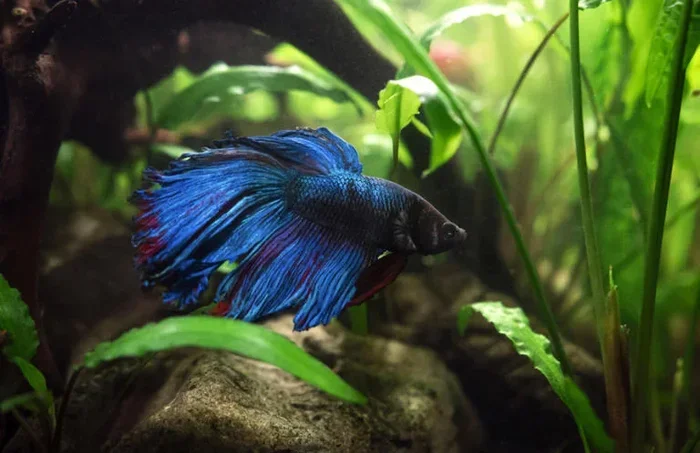
Are Betta Fish Social with Humans

Are betta fish social with humans? While bettas are known for their solitary nature, many owners wonder about their interaction with people. The truth is that betta fish can recognize their owners, show curiosity, and even develop unique personalities over time. Understanding betta fish social behavior helps you create a better environment for your aquatic companion.
Key Takeaways
- Betta fish can recognize their owners through sight and routine, often swimming to the front of the tank when they see you.
- Betta fish social with humans varies by individual personality — some bettas are curious and interactive, while others prefer to be left alone.
- Building trust with your betta takes patience, consistency, and gentle interaction over several weeks.
- Betta fish behavior like flaring, following your hand, or hovering near the surface can signal interest in human interaction.
- Overhandling and tapping the glass are common mistakes that can stress your betta and damage trust.
- A proper tank setup with hiding spots and enrichment keeps your betta happy and more responsive to interaction.
- Betta fish companionship doesn’t always mean tank mates — quality interaction with their owner can fulfill their social needs.
📑 Table of Contents
- Are Betta Fish Social with Humans? The Real Truth
- Do Betta Fish Recognize Their Owners?
- Understanding Betta Fish Behavior Around Humans
- How to Build Trust with Your Betta Fish
- Betta Fish Temperament and What Makes Them Unique
- Common Mistakes When Interacting with Betta Fish
- How to Create a Happy Environment for Your Betta
- Conclusion
Are Betta Fish Social with Humans? The Real Truth
If you own a betta fish, you have likely wondered about are betta fish social with humans. These colorful fish sit in their tanks all day, and it can be hard to tell what they are thinking. Do they notice you? Do they care that you are there? The answer might surprise you.
Bettas are often called solitary fish. They do not school like tetras or swim in groups like guppies. But that does not mean they are completely disconnected from the world around them. Betta fish interaction with humans is real, and many owners report that their fish respond to them in unique ways. Some bettas follow your finger around the tank. Others flare up when you walk by. And some simply seem calm and relaxed when you sit nearby.
Understanding betta fish behavior around people can help you become a better owner. You will learn what your fish is trying to tell you. You will also discover simple ways to build a stronger bond. So let us dive in and explore the fascinating world of betta fish and human relationships.
Do Betta Fish Recognize Their Owners?
This is one of the most common questions betta owners ask. The short answer is yes. Betta fish recognition is a real thing. These fish are smarter than most people give them credit for. They can learn to identify the people who feed them and interact with them regularly.
How Betta Fish Show Recognition
So how do you know if your betta recognizes you? Watch for these clear signs:
- Swimming to the front of the tank when you approach. This is the biggest giveaway. Your betta associates you with food and attention.
- Following your finger along the glass. Some bettas will track your movement for several seconds. This shows curiosity and awareness.
- Responding to your voice. While bettas do not hear like humans do, they can feel vibrations. Talking softly near the tank can get their attention.
- Showing excitement at feeding time. If your betta gets active and eager when you pick up the food jar, that is a strong sign of recognition.
Research on betta fish intelligence supports these observations. Bettas can be trained to follow objects, navigate mazes, and even push balls. Their brain power is often underestimated. The key is consistency. If you interact with your betta regularly, they will learn your patterns and recognize you as part of their daily life.
Can Betta Fish Bond with People?
Now you might wonder: can betta fish bond with humans the way a dog or cat does? The answer is more nuanced. Bettas do not form emotional bonds the way mammals do. They lack the brain structure for complex emotions like love or loyalty. But they do form attachments based on routine and positive experiences.
Think of it this way. Your betta learns that you bring food. You bring a calm and safe environment. You do not threaten them. Over time, they grow comfortable with your presence. This is a form of bonding, even if it is not the same as what you feel with a furry pet. If you want to learn more about this topic, check out our detailed guide on can betta fish bond with humans.
Some owners even report that their bettas seem to have distinct betta fish personality traits. One betta might be shy and stay hidden. Another might be bold and always swim to the top when you walk in the room. These differences show that each fish is an individual with its own temperament.
Understanding Betta Fish Behavior Around Humans
Reading your betta’s body language is the best way to understand their feelings about human interaction. Betta fish social behavior can be tricky to interpret at first. But once you learn the signals, you will know when your fish is happy, curious, or stressed.
Signs of a Social Betta Fish
Not all bettas are the same. Some are naturally more curious and outgoing. Here are signs that your betta enjoys human interaction:
- Approaching the glass when you come near the tank. This shows interest and anticipation.
- Watching you closely with wide, alert eyes. Bettas that feel safe will observe their surroundings, including you.
- Gentle fin movement. A relaxed betta with flowing fins is a happy betta. If they swim near you without showing aggression, they are comfortable.
- Eating readily in your presence. A stressed betta often refuses food when you are nearby. If they eat normally, they trust you.
Many people also ask about are betta fish social animals in general. While bettas do not need other fish for company, they can certainly enjoy human presence. Their betta fish temperament often depends on how they were raised and their individual genetics.
Signs of a Stressed Betta Fish
On the flip side, watch for these warning signs that your betta is uncomfortable:
- Hiding behind plants or decorations for long periods. This means they feel unsafe.
- Rapid fin clamping. When a betta tightens their fins close to the body, it signals stress or illness.
- Flaring at every movement. Some flaring is normal. But constant flaring means your betta feels threatened.
- Refusing to eat when you are near. This is a clear sign that your presence is causing anxiety.
If you notice these behaviors, take a step back. Give your betta some space. Avoid sudden movements near the tank. Over time, they should warm up to you again.
How to Build Trust with Your Betta Fish
Building trust with a betta is not hard, but it does take time. You cannot rush the process. Think of it like earning the respect of a cautious but friendly cat. Patience is everything.
Steps to Create a Strong Relationship
Follow these simple steps to improve your betta fish owner relationship:
- Spend time near the tank. Sit close to your betta’s tank for a few minutes each day. Let them get used to your presence without doing anything. Just being there builds familiarity.
- Talk softly to your fish. While they do not understand words, the vibrations of your voice are calming. Use a gentle tone every time you feed or clean the tank.
- Feed by hand (carefully). Once your betta is comfortable, try feeding them from your fingers. Start by placing food near your hand at the water surface. This creates a strong positive association.
- Use slow movements. Quick hand movements can startle your betta. Always move deliberately and calmly around the tank.
- Maintain a consistent schedule. Feed at the same times each day. Do tank maintenance regularly. Bettas thrive on routine, and predictability builds trust.
The question are betta fish social with humans really comes down to individual experience. A betta that has been handled gently and fed consistently will almost always be more responsive than one that has been neglected or startled.
How Long Does Bonding Take?
Every betta is different. Some start showing interest in their owners within a few days. Others take several weeks. On average, expect about two to four weeks of consistent interaction before your betta truly recognizes you. The key is daily involvement. Even just five minutes of sitting by the tank each day can make a huge difference.
Betta Fish Temperament and What Makes Them Unique
One reason the question are betta fish social with humans is so popular is because bettas have such strong personalities. They are not blank slates. Each one has preferences, quirks, and a distinct way of reacting to the world.
Why Betta Fish Are Unique
Bettas were originally found in the shallow rice paddies of Southeast Asia. Living in small, isolated bodies of water shaped their betta fish solitary nature. Unlike schooling fish, bettas evolved to survive on their own. This is why they are so territorial, especially males.
But being solitary does not mean being antisocial. It simply means they do not need others of their kind. When it comes to humans, bettas can adapt surprisingly well. Their betta fish curiosity drives them to explore and investigate anything new in their environment, including a familiar face peering into their tank.
Some people look into whether are betta fish okay with orchids in the bowl leaves or other plants nearby. Adding live plants can actually help your betta feel more secure, which in turn makes them more open to interaction. A comfortable fish is a social fish.
There is also growing interest in whether betta fish help with anxiety in their owners. Watching a betta swim calmly can be meditative. The simple act of caring for another living creature brings purpose and routine. While the fish may not understand human emotions, the relationship is mutually beneficial in many ways.
Male vs. Female Betta Behavior
It is worth noting that male and female bettas can behave differently around humans. Male bettas tend to be more territorial and aggressive. But they are also more likely to show off for their owners, displaying their fins and colors. Female bettas are generally less aggressive but may be less interested in interaction.
If you are considering adding tank mates, you might wonder about are male betta fish compatible with other fish. This is a separate topic, but it affects how social your betta appears. A betta that is stressed by a tank mate will be less likely to engage with you.
Common Mistakes When Interacting with Betta Fish
Even well-meaning owners can make mistakes that hurt their relationship with their betta. Avoiding these common errors will keep your fish happy and responsive.
Things to Avoid
- Tapping the glass. This is the number one mistake. Tapping scares bettas and makes them associate you with stress. Never do it.
- Reaching into the tank. Your hands can disturb the water and stress your fish. Avoid putting fingers in unless absolutely necessary.
- Making sudden movements. Quick actions near the tank can trigger a flaring response. Always be slow and deliberate.
- Overhandling during feeding. While feeding by hand is great, do not do it too often. Too much attention can overwhelm a shy betta.
- Ignoring water quality. A stressed or sick betta will never be social. Poor water conditions cause health problems and behavioral changes. Regular betta fish care is essential.
Quick Tips for Better Interaction
Here are some fast tips to improve your daily routine:
- Dim the lights before sitting by the tank. Bettas are more active in low light.
- Use a mirror briefly to see your betta’s natural flaring behavior. This is fun and stimulating for them, but do not overdo it.
- Try training your betta to follow a finger or bead on a string. This is great mental stimulation and strengthens your bond.
- Observe your betta at the same time each day. You will start to notice patterns in their behavior.
How to Create a Happy Environment for Your Betta
A happy betta is a social betta. If your fish lives in a stressful or boring environment, they will not be interested in interacting with anyone. The right tank setup makes all the difference.
Tank Setup Tips
Follow these guidelines for the best environment:
- Minimum 5-gallon tank. A small bowl is not enough space for a betta to feel comfortable. Bigger tanks lead to happier fish.
- Gentle filter and heater. Bettas hate strong currents. Use a sponge filter and keep the water warm at 78-80°F.
- Live or silk plants. These provide hiding spots and make your betta feel secure. Avoid sharp plastic plants that can tear their fins.
- Open swimming areas. Bettas like to have some open space to swim freely. Do not clutter the tank completely.
- Dark resting spots. A hammock or leaf bed near the surface gives your betta a place to rest close to the air they breathe from.
Keeping Your Betta Stressed-Free
Reducing stress is the most important thing you can do for your betta’s social behavior. A stressed fish will hide, refuse food, and avoid interaction. Here is how to keep stress low:
- Do not keep two male bettas together. They will fight and become extremely stressed.
- Keep the tank away from loud noises and direct sunlight.
- Do water changes of 25-30% weekly to maintain clean water.
- Monitor for signs of betta fish stress like color fading, lethargy, or clamped fins.
- Provide a consistent daily routine. Bettas are creatures of habit.
When your betta feels safe and comfortable, their natural curiosity comes out. That is when the real betta fish social behavior begins. You will see them watching you, following your movements, and even waiting by the surface when you approach with food.
Conclusion
So, are betta fish social with humans? The answer is a qualified yes. Bettas may not crave attention the way a dog does, but they absolutely notice and respond to their owners. They can recognize you, learn your routines, and show signs of comfort and curiosity around familiar people. Building trust takes patience, but the rewards are clear: a more active, responsive, and happier fish.
Remember that every betta is different. Some are naturally bold and interactive. Others are more reserved. Respect your fish’s individual betta fish personality and never force interaction. The best approach is consistency, gentle behavior, and a well-designed tank environment.
By understanding your betta’s needs and behavior, you create the foundation for a meaningful connection. You do not need to treat them like a mammal. Simply being present, calm, and reliable is enough. Your betta will let you know they appreciate you in their own quiet way.
Frequently Asked Questions
How do I know if my betta fish likes me?
Watch for signs like swimming to the front of the tank when you approach, following your finger along the glass, eating readily in your presence, and showing relaxed fin movement. These behaviors indicate your betta is comfortable with you and enjoys your company.
Can betta fish feel emotions toward humans?
Bettas do not experience complex emotions like love or loyalty. However, they do form associations based on positive experiences. They learn to connect your presence with food, safety, and calm environments. This creates a form of attachment that can feel like an emotional bond.
Why does my betta fish flare at me sometimes?
Flaring is a natural response to perceived threats. Your betta might flare if you make sudden movements, tap the glass, or if their reflection appears. Occasional flaring is normal, but constant flaring means your fish feels stressed. Slow down your movements and avoid tapping the glass.
Do betta fish get bored with their owners?
Bettas can lose interest if the environment becomes too repetitive or if interaction stops. Keep things fresh by changing tank decorations occasionally, trying new training activities, and maintaining a consistent feeding schedule. Your betta thrives on mental stimulation and routine.
Is it okay to touch my betta fish?
It is best to avoid touching your betta directly. Reaching into the tank can stress them and remove their protective slime coat. Instead, try feeding by hand or placing your finger on the outside of the glass. These methods let you interact safely without causing harm.
Can betta fish recognize their owners by sight?
Yes, bettas have decent vision and can learn to identify their owners over time. They associate specific visual cues, like your face and clothing, with feeding and positive experiences. Consistent daily interaction helps speed up this recognition process significantly.Yes, bettas have decent vision and can learn to identify their owners over time. They associate specific visual cues, like your face and clothing, with feeding and positive experiences. Consistent daily interaction helps speed up this recognition process significantly.

Similar Posts
Are There Toys for Betta Fish
Discover if betta fish need toys and explore the best toys for betta fish to keep them entertained, active, and happy in their home aquarium.
What Water Do I Use for Betta Fish
Confused about betta fish water? Discover the exact water parameters, treatments, and sources for a thriving Betta. Your complete guide inside!
Are Betta Fish Easy to Breed
Are betta fish easy to breed? Learn the step-by-step process, tank setup tips, and common challenges. Find out if breeding betta fish is right for you!
Can Shrimp Be with Betta Fish
Wondering if shrimp can live with betta fish? Our complete guide covers compatible species, tank setup, and crucial tips for a peaceful community tank.
Do Betta Fish Have to Be Alone
Find out if do betta fish have to be alone. Learn about betta behavior, tank setup, and whether your fighting fish needs tank mates or a solo home.
Can a Betta Fish and a Goldfish Live Together
Find out if a betta fish and a goldfish can live together. We cover tank setup, water conditions, risks, and tips to keep both fish healthy and happy.