Can a Betta Fish Live in a 2.5 Gallon Tank
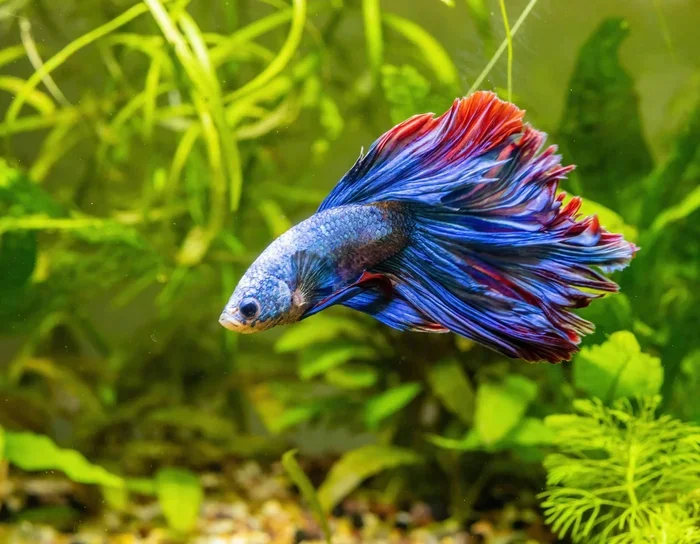
Yes, a betta fish can live in a 2.5 gallon tank, but it requires careful setup and consistent maintenance. A 2.5 gallon aquarium can work for a single betta if you add a filter, heater, and live plants. This guide covers everything you need to know about creating a safe and comfortable home for your betta in a 2.5 gallon tank.
So you are thinking about keeping a betta fish in a 2.5 gallon tank. Maybe you have a small desk, a tight budget, or limited space. The good news is that can a betta fish live in a 2.5 gallon tank? Yes, it can. But there is a lot more to it than just filling a small aquarium with water and dropping your fish in.
A 2.5 gallon setup can work for a single betta, but it comes with real challenges. Water quality drops fast in small volumes. Temperature swings happen quickly. And your fish has less room to swim and explore. This does not mean a 2.5 gallon tank is a bad choice. It just means you need to be more attentive and proactive as a fish keeper.
In this guide, we will walk through everything you need to know. From tank setup and water parameters to feeding, maintenance, and common mistakes. By the end, you will have a clear picture of whether a 2.5 gallon tank is the right home for your betta.
Key Takeaways
- A betta fish can survive in a 2.5 gallon tank: but it is not the ideal long-term setup. Bigger is always better for your fish.
- You must install a filter and heater: bettas need stable water conditions, and a 2.5 gallon tank changes temperature and chemistry fast.
- Frequent water changes are essential: expect to do 25-50% water changes every week to keep ammonia and nitrite levels safe.
- Avoid keeping multiple bettas in a 2.5 gallon tank: a single betta needs all the space and territory available.
- Live plants and gentle décor help: they reduce stress and improve water quality in a small tank environment.
- A 2.5 gallon tank limits your fish tank mate options: most community fish need more space than 2.5 gallons provide.
📑 Table of Contents
- Understanding the 2.5 Gallon Tank for Bettas
- Setting Up a 2.5 Gallon Betta Tank
- Water Quality and Maintenance in a 2.5 Gallon Tank
- Feeding Your Betta in a 2.5 Gallon Tank
- Can You Keep Other Fish With a Betta in 2.5 Gallons?
- Common Mistakes to Avoid in a 2.5 Gallon Betta Tank
- Is a 2.5 Gallon Tank Right for Your Betta?
Understanding the 2.5 Gallon Tank for Bettas
A 2.5 gallon tank is considered a small aquarium for most fish species. But bettas are often sold as “small tank fish,” which can be misleading. In the wild, bettas live in warm, slow-moving waters in Southeast Asia. These environments are not tiny. They are connected to larger water systems with stable conditions.
A 2.5 gallon tank gives your betta a small footprint to live in. It is bigger than a one gallon bowl, which is a common mistake many beginners make. Can a betta fish live in a 2.5 gallon tank more comfortably than in a one gallon tank? Absolutely. But it still falls short of the ideal tank size most experts recommend.
Why Tank Size Matters for Bettas
Tank size affects everything about your betta’s life. The water volume determines how stable your water parameters stay. Ammonia and nitrite build up faster in smaller tanks. Temperature fluctuates more easily without enough water mass to buffer changes. And your betta needs space to swim, explore, and display its fins.
Here is a quick comparison of common tank sizes for bettas:
- 1 gallon: Too small for long-term health. Water changes must happen very frequently.
- 2.5 gallon: A minimum acceptable size for a single betta with proper equipment.
- 5 gallon: The most recommended size. Offers more stability and swimming room.
- 10 gallon and above: Ideal for a single betta or a small peaceful community.
If you want to learn more about how tank size affects betta lifespan, check out our article on how long betta fish live in a 5 gallon tank. The principles apply to smaller tanks as well.
Setting Up a 2.5 Gallon Betta Tank
Setting up a 2.5 gallon tank properly is the most important step you will take. A rushed or incomplete setup can lead to health problems for your betta within days. Here is what you need to do right.
Essential Equipment for a 2.5 Gallon Tank
You cannot skip key equipment just because the tank is small. A 2.5 gallon aquarium still needs the basics that keep water safe and stable.
- Filter: A small sponge filter or a hang-on-back filter rated for 5 gallons works well. Avoid strong outflow filters that create too much current. Bettas are not strong swimmers and prefer gentle water movement.
- Heater: Bettas need warm water between 76 and 82 degrees Fahrenheit. A 25 watt submersible heater is perfect for a 2.5 gallon tank. Without a heater, temperature drops at night can stress your fish and weaken its immune system.
- Thermometer: A simple stick-on or digital thermometer helps you monitor temperature daily. Small tanks can change temperature fast.
- Substrate: Fine gravel or sand works well. Avoid rough substrates that can damage your betta’s delicate fins.
- Lighting: A basic LED aquarium light is enough. Bettas do not need intense lighting. Dim or moderate light keeps them comfortable.
You may also wonder about using a filter in a tiny tank. Can a betta fish live in a filtered tank even at 2.5 gallons? Yes, a filter is essential regardless of tank size. It helps remove harmful toxins and keeps the nitrogen cycle running.
Decorations and Plants
Your betta needs places to hide and rest. Live or silk plants are the best choice. Avoid sharp plastic decorations that can tear fins. Bettas love floating plants like frogbit or water lettuce because they create shaded areas and help calm the fish.
Adding a few pieces of driftwood or smooth rocks gives your betta territory and exploration opportunities. Just make sure nothing has rough edges or points. A happy betta in a decorated 2.5 gallon tank will show better color and behave more naturally.
Water Quality and Maintenance in a 2.5 Gallon Tank
This is where most small tank owners struggle. Water quality in a 2.5 gallon tank changes quickly. There is less water to dilute waste products. This means you must stay on top of maintenance.
The Nitrogen Cycle in Small Tanks
Every aquarium needs to cycle before adding fish. Cycling means building beneficial bacteria that convert toxic ammonia into less harmful nitrate. In a 2.5 gallon tank, this process is more fragile. A single mistake can spike ammonia levels fast.
Here is what you need to test regularly:
- Ammonia: Should be 0 ppm at all times. Even low levels are toxic to bettas.
- Nitrite: Should be 0 ppm. Nitrite damages the gills and causes breathing problems.
- Nitrate: Should stay below 20 ppm. Regular water changes keep nitrate in check.
- pH: Bettas prefer a pH between 6.5 and 7.5. Stable pH matters more than hitting a perfect number.
Water Change Schedule
In a 2.5 gallon tank, you should do partial water changes at least once a week. Many experts recommend changing 30 to 50 percent of the water weekly. Some experienced keepers do two smaller changes per week to keep conditions extra stable.
Always use a water conditioner when adding tap water. Chlorine and chloramine in untreated tap water can harm your betta’s gills and stress its immune system. If you are unsure about your water source, can you use bottled water in a betta fish tank as an alternative? Yes, but it is not cost-effective long term. A simple water conditioner is the best solution.
Feeding Your Betta in a 2.5 Gallon Tank
Feeding in a small tank requires extra care. Uneaten food breaks down quickly in 2.5 gallons and pollutes the water fast. This is one of the biggest reasons small tanks crash in water quality.
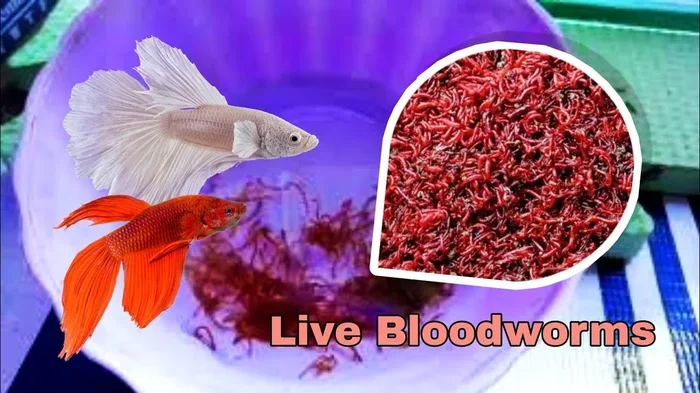
Feed your betta 2 to 3 pellets or a small pinch of food once or twice a day. Remove any uneaten food after 2 to 3 minutes. A varied diet of high-quality betta pellets, frozen bloodworms, and occasional brine shrimp keeps your fish healthy and colorful.
Overfeeding is the most common mistake in small tank setups. It leads to excess waste, ammonia spikes, and cloudy water. Feed less than you think your betta needs and watch how quickly it eats. A healthy appetite is a good sign, but a bloated belly means you are feeding too much.
Can You Keep Other Fish With a Betta in 2.5 Gallons?
This is a question many betta owners ask. The honest answer is that a 2.5 gallon tank is very limited for tank mates. Most community fish need more space than 2.5 gallons can offer.
You might wonder, can betta fish live in a tank with other fish at this size? The reality is that even peaceful fish produce waste. In a 2.5 gallon tank, adding even one extra fish can overload the biological filter and destabilize water parameters.
Your best option for a 2.5 gallon setup is to keep your betta alone. Some keepers add small invertebrates like snails or shrimp, but even these add bioload. If you want to explore tank mates, consider upgrading to a 5 gallon or larger tank where you have more flexibility.
Common Mistakes to Avoid in a 2.5 Gallon Betta Tank
Small tank keeping is rewarding, but it comes with pitfalls. Here are the most common mistakes new betta owners make.
Skipping the Filter
Some people think a 2.5 gallon tank does not need a filter because it is so small. This is wrong. A filter is essential for maintaining the nitrogen cycle and removing debris. Without a filter, you would need to do daily full water changes, which is stressful for the fish and impractical for the owner.
No Heater
Room temperature water is almost never warm enough for bettas. Most homes sit around 68 to 72 degrees Fahrenheit, which is too cold. A betta in cold water becomes sluggish, loses its appetite, and becomes vulnerable to diseases like ich and fin rot.
Overcrowding the Tank
A 2.5 gallon tank is not a community tank. Do not add multiple fish, even small ones. Your betta needs all the space it can get. Overcrowding leads to aggression, stress, and poor water quality.
Neglecting Water Changes
Skipping or delaying water changes is the fastest way to ruin a small tank. In a 2.5 gallon setup, waste builds up quickly. Set a weekly reminder to change water. Your betta’s health depends on it.
Using the Wrong Decorations
Sharp plastic plants, rough gravel, and metal decorations can injure your betta. Always choose soft silk plants, smooth gravel, and aquarium-safe materials. Your betta’s long fins are delicate and tear easily on rough surfaces.
Is a 2.5 Gallon Tank Right for Your Betta?
A 2.5 gallon tank can work as a home for a single betta fish. It is a step up from tiny bowls and one gallon containers. But it is not the ideal setup. If you have the space and budget, a 5 gallon tank will give your betta a much better quality of life.
Think of a 2.5 gallon tank as a temporary or space-limited solution, not a long-term perfect home. With the right equipment, consistent maintenance, and careful attention to water quality, your betta can thrive even in a smaller tank. The key is commitment. You must be willing to test water, change water, and monitor your fish every day.
If you are curious about larger setups, you might enjoy reading about can a betta fish live in a 30 gallon tank for ideas on scaling up in the future.
The bottom line is that can a betta fish live in a 2.5 gallon tank with the right care. Your dedication as an owner makes all the difference. A small tank can still be a beautiful, thriving habitat for your betta when you put in the effort to do it right.
Start with the basics. Add a filter and heater. Choose gentle décor and live plants. Stick to a weekly water change schedule. Feed appropriately. And always watch your fish for signs of stress or illness. A healthy betta in a 2.5 gallon tank is a happy betta. And that is what every fish keeper wants.
Remember that bettas are individual creatures with personalities. Some adapt well to small tanks, while others seem to glow with more energy in larger spaces. Give your betta the best environment you can, and you will be rewarded with a colorful, engaging companion for years to come.
Frequently Asked Questions
Can 2 betta fish live in a 2.5 gallon tank together?
No, you should never keep two bettas in a 2.5 gallon tank. Male bettas are highly territorial and will fight, often with fatal results. Even two females can become aggressive in such a small space. Always keep only one betta per 2.5 gallon tank.
Do betta fish need a filter in a 2.5 gallon tank?
Yes, a filter is essential in any tank size, including 2.5 gallons. A filter helps maintain the nitrogen cycle by housing beneficial bacteria that break down toxic ammonia and nitrite. Without a filter, water quality drops dangerously fast in such a small volume.
How often should I change the water in a 2.5 gallon betta tank?
You should perform a 30 to 50 percent water change every week. Some keepers prefer two smaller changes per week for extra stability. Consistent water changes prevent ammonia buildup and keep your betta healthy in a small tank environment.
Can a betta fish live without a heater in a 2.5 gallon tank?
No, bettas need warm water between 76 and 82 degrees Fahrenheit. A 2.5 gallon tank loses heat quickly without a heater. Room temperature water is usually too cold and can cause stress, illness, and a shortened lifespan for your betta.
What is the minimum tank size for a betta fish?
Most experts agree that a 5 gallon tank is the true minimum for a betta fish. A 2.5 gallon tank can work but requires more frequent maintenance and closer monitoring. A 1 gallon tank or smaller is not recommended for long-term betta health.
Are live plants good for a 2.5 gallon betta tank?
Yes, live plants are excellent for a 2.5 gallon betta tank. They absorb nitrates, produce oxygen, and provide natural hiding spots that reduce stress. Low-light plants like java fern, anubias, and java moss thrive well in small betta tanks.