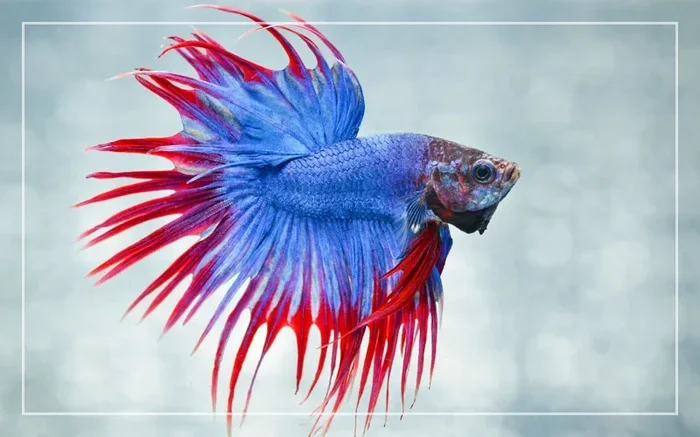
Are Betta Fish Solitary Animals

So, are betta fish solitary animals? The answer is more nuanced than you might think. Betta fish are often called solitary creatures, but their social needs depend on their environment, tank setup, and individual personality. This guide covers everything you need to know about betta fish behavior, whether they need companions, and how to keep them happy in your aquarium.
Key Takeaways
- Betta fish can be solitary: In the wild and in home tanks, many bettas prefer to live alone due to their territorial nature.
- They are not always lonely: A well-setup aquarium with hiding spots and enrichment can keep a single betta perfectly content.
- Tank mates are possible but tricky: Some peaceful species can coexist with bettas, but it requires careful planning.
- Personality matters: Every betta has a unique temperament, so their social needs vary from fish to fish.
- Signs of stress are telltale: Clamped fins, loss of color, and lethargy can signal that your betta needs a change in environment.
- Tank size and layout make a difference: A spacious, well-decorated tank reduces aggression and boredom in bettas.
📑 Table of Contents
Are Betta Fish Solitary Animals?
If you have ever wondered are betta fish solitary animals, you are not alone. This is one of the most common questions new betta owners ask. The short answer is yes, bettas tend to be solitary creatures. But the full picture is much more interesting than a simple yes or no.
Betta fish, also known as siamese fighting fish, have a reputation for being aggressive and antisocial. They are called fighting fish for a reason. Male bettas, in particular, will fight other males to the death if kept in the same tank. But does that mean they are unhappy being alone? Not necessarily.
In this article, we will explore betta fish behavior in depth. We will look at why bettas are considered solitary, whether they can live with other fish, and how to tell if your betta is thriving on its own. By the end, you will have a clear picture of what your betta needs to live a happy, healthy life.
Why Are Betta Fish Considered Solitary?
The term solitary animal describes a creature that prefers to live alone. Bettas fit this description for several reasons rooted in their biology and natural habitat.
In the wild, bettas live in shallow rice paddies, slow-moving streams, and floodplains in Southeast Asia. These environments are often crowded with plants but not with other bettas. Male bettas claim small territories and defend them fiercely. They do not seek out company from other males.
Here are the main reasons bettas are naturally solitary:
- Territorial behavior: Males are highly territorial and will attack other males that enter their space.
- Breeding instincts: Bettas only come together to breed, then separate immediately after.
- Crowded natural habitats: While they live in dense vegetation, each male claims his own patch of territory.
- Aggressive temperament: Their fighting instinct is deeply ingrained, making cohabitation risky.
Understanding these traits helps you see why keeping a single betta is often the best choice. It is not about them being sad or lonely. It is about keeping them safe and comfortable.
The Difference Between Male and Female Bettas
Not all bettas are the same when it comes to social behavior. Male and female bettas have different social needs and tolerances.
Male bettas are the most aggressive and territorial. They are the ones you see in pet stores with their long, flowing fins and vibrant colors. A male betta will flare at his own reflection and attack other males on sight. Keeping two males together is a recipe for disaster.
Female bettas are generally less aggressive, but they can still be territorial. A group of female bettas, called a sorority, can sometimes live together. However, this requires a large tank with plenty of hiding spots and careful introduction. Even then, there is no guarantee that every female will get along.
If you are considering adding a betta to your home, knowing the gender differences is essential. A single male betta in a well-planted tank is a classic and successful setup. A sorority of females can work but demands more experience and a bigger tank.
Can Betta Fish Live With Other Animals?
One of the most frequently asked questions is whether betta fish can share a tank with other species. The answer is sometimes yes, but it comes with caveats.
Are betta fish solitary animals when it comes to other species? The truth is, bettas can sometimes coexist peacefully with certain tank mates. The key is choosing the right companions and setting up the environment properly.
Here are some fish and creatures that are often considered compatible with bettas:
- Neon tetras: Small, peaceful, and fast enough to avoid betta aggression.
- Corydoras catfish: Bottom-dwellers that stay out of the betta’s way.
- Snails: Slow-moving and unlikely to provoke a betta’s territorial instincts.
- Shrimp: Ghost shrimp and cherry shrimp can work, though bettas may see them as food.
- Kuhli loaches: Peaceful, eel-like fish that keep to themselves.
However, compatibility is never guaranteed. Every betta has its own personality. Some bettas are calm and tolerant. Others are aggressive and will chase or nip at any fish that enters their space. This is where the question of whether are betta fish solitary animals gets really personal. Your individual fish may surprise you.
Tank Setup for a Solo Betta
If you decide to keep your betta alone, you can still create a stimulating and enriching environment. A lonely betta is often a bored betta, and boredom can lead to stress and health problems.
Here is how to set up a great solo tank:
- Choose a tank of at least 5 gallons. A larger tank gives your betta room to swim and explore.
- Add live or silk plants. Plants provide hiding spots and make the tank feel natural. Avoid sharp plastic plants that can tear delicate fins.
- Include hiding places. Caves, driftwood, and coconut shells give your betta a sense of security.
- Use a gentle filter. Bettas prefer calm water. A filter with adjustable flow is ideal.
- Keep the water warm. Bettas thrive in temperatures between 76 and 82 degrees Fahrenheit.
A well-decorated solo tank can be just as enriching as a community tank. Your betta will swim through plants, explore caves, and watch the world outside the glass. Many betta owners find that a single fish in a beautifully planted tank is the most rewarding setup of all.
Signs Your Betta Is Happy Living Alone
How do you know if your betta is content without a companion? Betta fish behavior gives you clear clues.
A happy betta is an active betta. Look for these positive signs:
- Bright, vibrant colors: A healthy betta displays rich, vivid colors.
- Active swimming: Your betta should swim around the tank with interest and energy.
- Bubble nest building: Males build bubble nests when they feel safe and content. This is a great sign.
- Healthy appetite: A betta that eagerly eats its food is doing well.
- Relaxed fins: Fins that are open and flowing, not clamped tight against the body.
On the other hand, signs of stress include clamped fins, loss of color, hiding constantly, and refusing food. If you notice these signs, it does not always mean your betta needs a companion. Often, it means something in the environment needs to change.
Before you consider adding tank mates, check the basics first. Is the water temperature correct? Is the tank big enough? Are there too many bright lights? Sometimes a simple adjustment solves the problem.
Common Mistakes People Make With Betta Social Needs
Even well-meaning betta owners can make mistakes when it comes to their fish’s social needs. Here are the most common ones to avoid.
Mistake 1: Keeping two male bettas together. This is the number one mistake. Two males will fight, and the outcome can be fatal. No tank is too big to prevent this. Always keep males separated.
Mistake 2: Overcrowding the tank. Adding too many fish to a small tank creates stress for everyone. Bettas need space. A crowded tank leads to poor water quality and increased aggression.
Mistake 3: Ignoring individual personality. Some bettas are just more aggressive than others. You cannot assume every betta will tolerate tank mates. Watch your fish closely and be prepared to separate if needed.
Mistake 4: Assuming a betta needs a companion. Bettas do not get lonely the way humans do. A single betta in a well-maintained tank can live a full, happy life without any tank mates at all.
Learning from these mistakes saves you time, money, and heartache. The best approach is to start with a solo betta and observe its behavior before considering any additions.
Expert Insights on Betta Social Behavior
Many experienced aquarists and fish behaviorists have studied betta fish behavior extensively. Their findings shed light on the social nature of these fascinating creatures.
Dr. Tim Lyons, a veterinarian specializing in fish health, notes that bettas are best understood as territorial fish rather than strictly solitary ones. In their natural habitat, they interact with other species regularly. They only fight with other bettas that look similar and challenge their territory.
Another expert insight comes from experienced betta breeders. They emphasize that bettas respond to their environment more than to the presence or absence of other fish. A stimulating tank with plants, hiding spots, and gentle water flow keeps bettas mentally engaged and physically healthy.
The takeaway is clear. Whether you keep a single betta or introduce carefully chosen tank mates, the environment matters most. Focus on water quality, tank size, enrichment, and observation. These factors determine your betta’s well-being far more than the presence of another fish.
For those interested in learning more about how bettas interact with their own kind, you can read our detailed guide on are betta fish solitary or social to understand the full spectrum of their social behavior.
Final Thoughts
So, are betta fish solitary animals? Yes and no. They are solitary by nature, especially males, but they do not necessarily suffer from being alone. A well-cared-for betta in a properly set up tank can live a rich and fulfilling life on its own.
If you choose to add tank mates, do your research first. Pick peaceful species, provide plenty of space, and monitor interactions closely. And always remember that every betta is an individual with its own personality and preferences.
The most important thing you can do for your betta is to provide a clean, warm, and enriching environment. Whether your fish lives alone or with companions, that foundation of good care is what truly matters. Pay attention to your betta’s behavior, respond to its needs, and you will have a happy, healthy fish for years to come.
For more information about betta social behavior and how they interact with other species, check out our article on are betta fish social animals to deepen your understanding of their social needs.
Frequently Asked Questions
Do betta fish get lonely?
Betta fish do not experience loneliness the way humans do. They are solitary by nature and generally do not need the company of other fish. A well-setup tank with plenty of enrichment keeps a single betta happy and stimulated.
Can two male bettas live in the same tank?
No. Two male bettas should never be kept together. They are highly territorial and will fight aggressively, often resulting in serious injury or death. Always keep male bettas in separate tanks.
What is the best tank mate for a betta fish?
Peaceful, non-confrontational species like corydoras catfish, neon tetras, and snails make the best tank mates. Always introduce companions carefully and monitor their interactions closely. Some bettas may still not tolerate any tank mates.
How big should a tank be for a solo betta?
A minimum of 5 gallons is recommended for a single betta. Larger tanks provide more swimming space and better water stability. A 10-gallon tank is an excellent choice for a solo betta with room for plants and decorations.
Can female bettas live together?
Female bettas can sometimes live together in a group called a sorority. This requires a tank of at least 20 gallons with plenty of hiding spots and plants. Even with the right setup, aggression can still occur, so close monitoring is essential.
How can I tell if my betta is stressed?
Signs of stress in bettas include clamped fins, loss of color, hiding constantly, loss of appetite, and lethargy. If you notice these signs, check your water parameters, temperature, and tank setup. Often, improving the environment reduces stress quickly.
=== CONCLUSION ===
Are betta fish solitary animals? The evidence points to yes. Bettas are naturally solitary and territorial, especially males. They do not need the company of other fish to thrive. A single betta in a well-maintained, enriched tank can live a full and happy life.
That said, bettas are individuals. Some may tolerate tank mates, while others will not. The key is to know your fish, provide excellent care, and make decisions based on your betta’s unique personality. Focus on water quality, tank size, and enrichment, and your betta will reward you with vibrant colors and lively behavior.
Whether you keep your betta alone or with carefully chosen companions, the most important thing is to give it the best life possible. Your betta depends on you for everything. With the knowledge you have gained from this guide, you are well on your way to being a great betta owner.
For a deeper dive into the social nature of bettas, be sure to read our article on can betta fish live with other animals for more practical advice on creating a compatible community tank.