How Many Times Does Betta Fish Eat
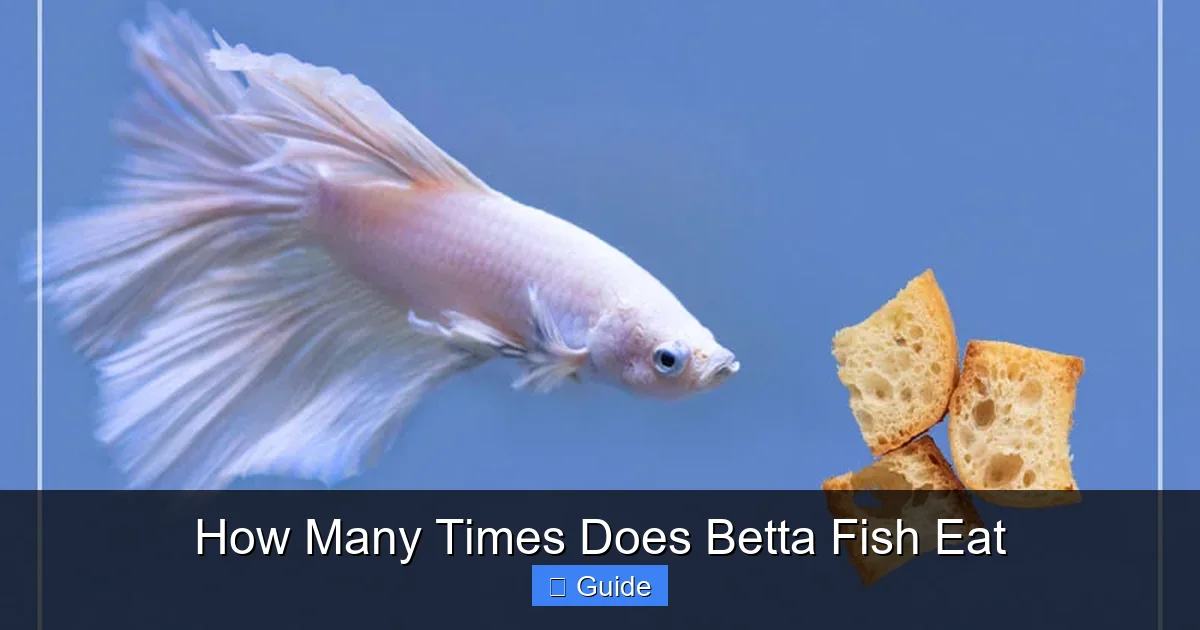
Betta fish should typically be fed once or twice a day, with a small portion they can consume in 2-3 minutes. Overfeeding is the most common mistake, leading to serious health issues like constipation, swim bladder disease, and toxic water conditions. Their carnivorous nature means high-quality protein is key, but their slow metabolism requires careful portion control. Implementing a weekly fasting day and observing your fish’s behavior are essential practices for a long, healthy life. Always remember: it’s better to underfeed than overfeed a betta.
Key Takeaways
- Feed Once or Twice Daily: A healthy adult betta thrives on 1-2 small meals per day, not multiple feedings.
- Portion Size is Crucial: A meal should be no larger than the betta’s eye (approx. 2-3 pellets or a pinch of frozen food).
- Overfeeding is Dangerous: It causes constipation, swim bladder disorders, obesity, and rapidly fouls tank water with ammonia.
- Fasting is Beneficial: Skipping one meal per week (a “fasting day”) aids digestion and mimics their natural feast-or-famine environment.
- Food Quality Matters: Prioritize high-protein, betta-specific pellets or frozen foods (brine shrimp, daphnia) over generic tropical flakes.
- Observe and Adjust: Watch your fish eat. If food hits the bottom uneaten, you are overfeeding. Adjust based on age, activity, and health.
- Special Cases Exist: Young fry need 3-4 small meals daily, while sick or elderly bettas may require adjusted schedules and easily digestible foods.
[FEATURED_IMAGE_PLACEHOLDER]
📑 Table of Contents
- Debunking the Myths: Why “How Many Times” Is the Wrong First Question
- Betta Fish Biology: The Carnivorous Predator in Your Living Room
- Establishing the Ideal Feeding Schedule: Frequency and Timing
- The Golden Rule: Mastering Portion Control
- The Perils of Overfeeding: Recognizing and Preventing Disaster
- Special Considerations: Age, Health, and Activity Level
- Conclusion: Feeding as an Act of Observation and Care
Debunking the Myths: Why “How Many Times” Is the Wrong First Question
If you’re a new betta fish owner, or even a seasoned one, the question “how many times does a betta fish eat?” is probably at the top of your mind. You’ve seen those vibrant, flowing fins in the pet store cup, and you want to keep that beauty. But here’s the critical secret: focusing solely on frequency is a trap. The more important, life-saving question is: “How much should I feed my betta fish?”
The pet industry, with its small, frequent-feeding advice for many fish, has done bettas a disservice. Bettas are not goldfish. They are not constantly grazing herbivores. They are intelligent, surface-dwelling predators from the warm, shallow waters of Thailand (formerly Siam, hence “Siamese fighting fish”). Their natural environment is full of insects, larvae, and small crustaceans—meals that are protein-rich but not constantly available. This biology dictates their dietary needs. Understanding this is the first step to moving from a generic feeding schedule to a truly healthy one for your specific betta.
The Dangerous Legacy of “Feed What They Can Eat in Two Minutes”
That old aquarium mantra—”feed what they can eat in two minutes”—is perilously vague for a betta. Two minutes for a hungry, active betta can mean a devastatingly large amount of food. For a slower, older fish, it might be too little. This one-size-fits-all advice leads directly to the number one cause of captive betta health problems: overfeeding. The consequences aren’t just a chubby fish; they are severe, painful, and often fatal. Constipation blocks the digestive tract. Swim bladder disease, where the fish floats upside down or sinks, is almost always diet-related. And the uneaten food decays into ammonia, which poisons your fish and ruins water quality faster than almost any other factor. So, before we talk frequency, we must master portion control.
Betta Fish Biology: The Carnivorous Predator in Your Living Room
To understand the “how many times” question, you must first understand the betta’s stomach. It is roughly the size of its eye. That’s not a cute anecdote; it’s a vital biological fact. A betta’s digestive tract is short and designed for processing meat, not plant matter. In the wild, a successful hunt might yield a single insect or a few mosquito larvae. That’s a full meal. They do not scour the riverbed for algae all day.
Visual guide about How Many Times Does Betta Fish Eat
Image source: smartaquariumguide.com
Metabolism: Slow and Steady Wins the Race
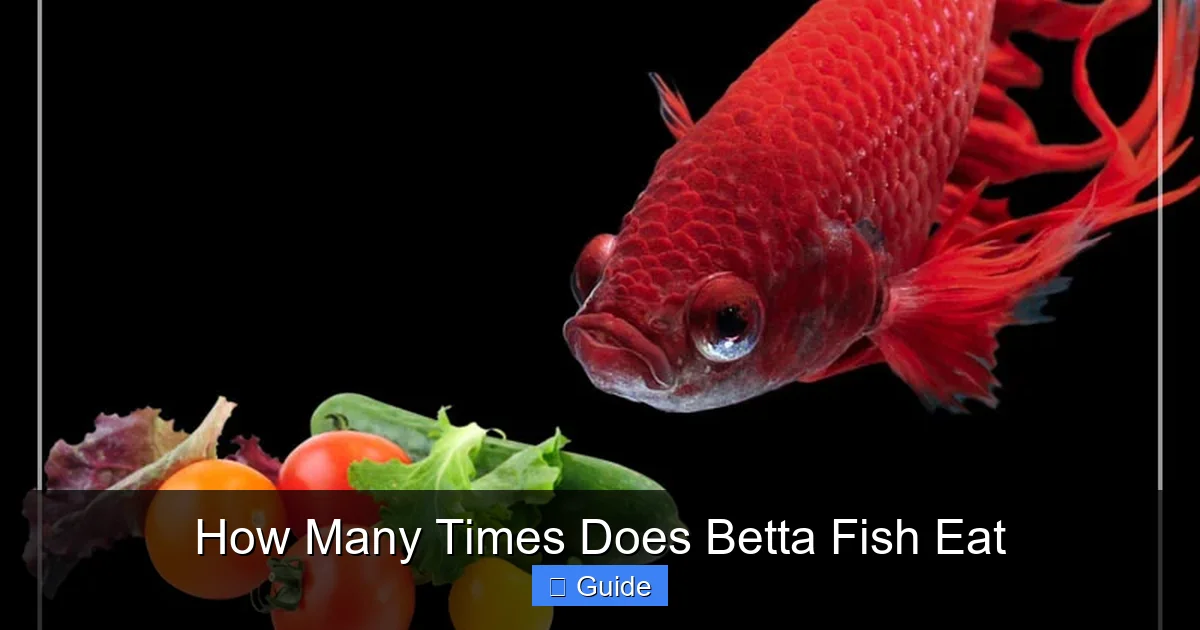
Contrary to their fiery reputation, bettas have a relatively slow metabolism. They are ambush predators, conserving energy between sporadic bursts of hunting. This means their system does not require, nor can it efficiently process, large volumes of food. Think of it like a high-performance sports car—it needs premium fuel (high-quality protein) in very specific, measured amounts. Flooding the tank with food three times a day is like putting sugar in the gas tank. It might run for a bit, but it will clog the system and cause catastrophic failure.
The Insectivore’s Diet: Protein is Non-Negotiable
A proper betta diet must be animal-protein based. Look for pellets or flakes where the first three ingredients are specific fish or seafood meals (e.g., salmon meal, shrimp meal, krill meal). Avoid products with fillers like wheat, soy, or potato starch as primary ingredients. These are indigestible and contribute to digestive issues. Supplement this staple with occasional treats of high-quality frozen or live foods: Artemia (brine shrimp), Daphnia (water fleas), or mosquito larvae. These are not only nutritious but also provide essential fiber that can help prevent constipation. Even with perfect food, however, the amount you give is what determines health.
Establishing the Ideal Feeding Schedule: Frequency and Timing
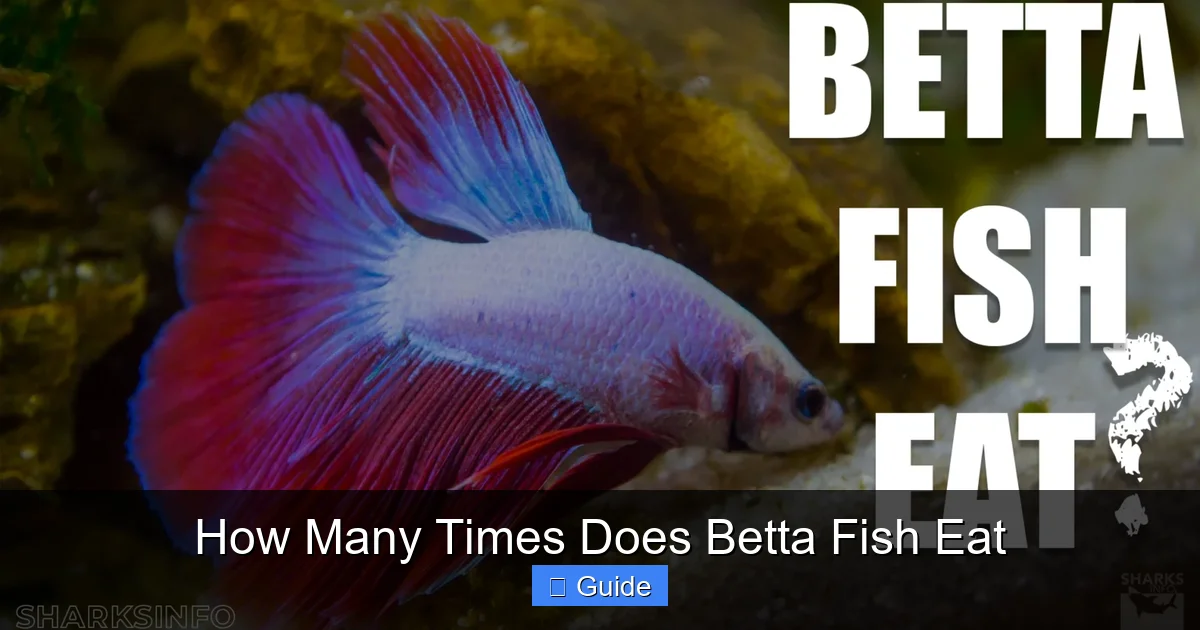
Now, to the heart of the question. For the average, healthy adult betta (over 6 months old), once-daily feeding is perfectly sufficient and often ideal. Many dedicated keepers feed twice a day, but the total daily amount must still be the same tiny portion. The twice-daily method can be useful for bonding (morning interaction) and for very active, larger bettas, but it carries a higher risk of accidental overfeeding if you’re not meticulously measuring. For most people, once a day simplifies routine and eliminates doubt.
Visual guide about How Many Times Does Betta Fish Eat
Image source: sharksinfo.com
A Sample Weekly Schedule for Success
Here is a practical, sustainable schedule that promotes health:
- Monday: 1-2 high-quality pellets (soaked if dry) or a small pinch of frozen food.
- Tuesday: Same as Monday.
- Wednesday: Same as Monday.
- Thursday: Same as Monday.
- Friday: Same as Monday.
- Saturday: Same as Monday.
- Sunday: FASTING DAY. No food. This is a critical practice.
This schedule provides 6 feeding days and 1 full day of rest for the digestive system. It mimics the natural variability of food availability and is a powerful preventative tool against constipation and bloating. You can adjust the fasting day to any day that suits your routine.
Timing is Everything: Feed During Daylight Hours
Bettas are diurnal, meaning they are most active during the day. Always feed during the morning or early afternoon. Never feed right before lights-out. Any food not eaten within 5-10 minutes should be considered waste and removed with a gravel vacuum or turkey baster. This prevents decomposition and ammonia spikes overnight when the tank’s biological filter is less active.
The Golden Rule: Mastering Portion Control
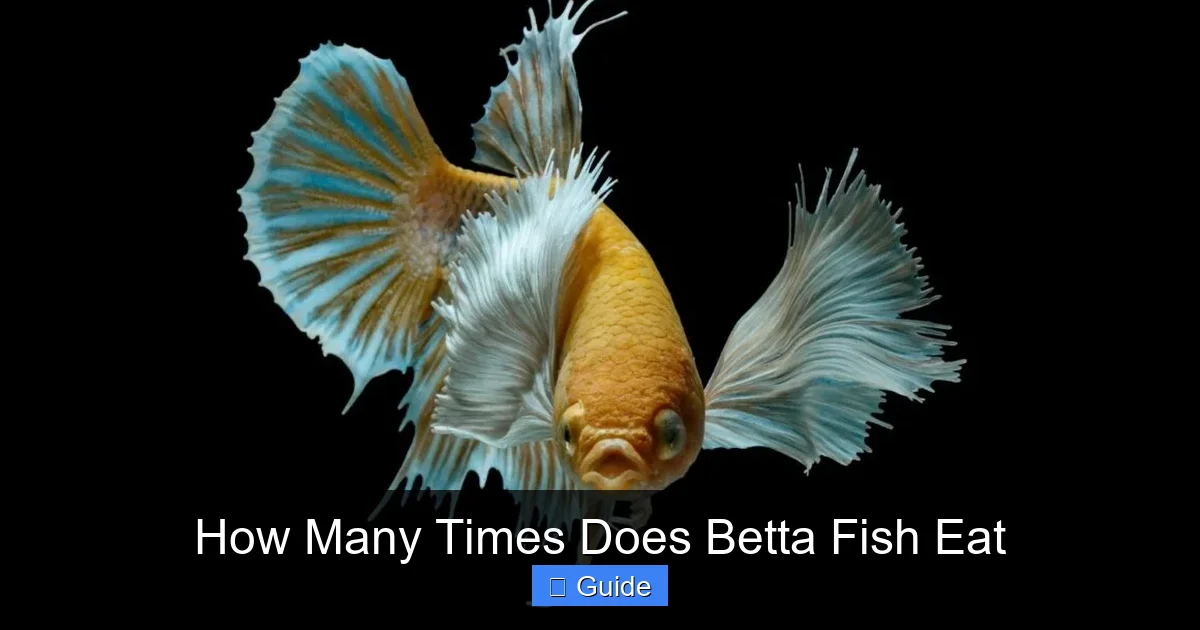
This is the most important skill you will learn as a betta keeper. Forget “a pinch” or “a few.” Get specific. The universal visual guide is: a single meal should be no larger than your betta’s eyeball. For most bettas, this translates to 2-3 standard-sized pellets (about the size of a grain of rice) or a tiny pinch of frozen food that, when thawed and drained, would fit on a thumbnail. If you are using flakes, crumble a tiny piece between your fingers—it should be almost dust-like.
Visual guide about How Many Times Does Betta Fish Eat
Image source: fishtrivia.com
Measuring Made Simple: The “Rice Grain” Method
For pellet feeders, this is the easiest technique. Take 2-3 pellets out of the container. Place them next to a single grain of cooked white rice. They should be similar in size. If your pellets are larger than a rice grain, you must crush them. Many premium betta pellets are too large; breaking them in half or into quarters is standard practice. This single, pre-measured portion is your entire meal. No guessing.
Frozen & Live Foods: The “Pinch and Drain” Technique
Frozen foods like brine shrimp or bloodworms come in cubes. You must break off a tiny fragment—think a piece the size of a pea or smaller for a single betta. Thaw it in a cup of tank water, then use a pipette or eyedropper to administer a few individual shrimp or worms. Watch the betta chase them. Once it has eaten 3-5 items (depending on size), that’s it. Pour the remaining drained water down the sink—do not add it to the tank, as it contains waste from the frozen food. For live foods like mosquito larvae, a small swarm in a container is your “pinch.” Scoop a few with a net and add them. Live foods are a treat, not a staple, due to potential parasite risks.
The Perils of Overfeeding: Recognizing and Preventing Disaster
Overfeeding is a silent killer. It doesn’t happen overnight; it’s a slow creep of worsening water quality and accumulating health problems. Recognizing the signs early is crucial.
Physical Signs of an Overfed Betta
- Constipation: A swollen, bloated abdomen, often near the vent (cloaca). The fish may appear “pregnant.” Feces may be long, stringy, and trailing.
- Swim Bladder Disorder: The fish floats uncontrollably to the top, sinks and struggles to rise, or swims sideways or upside down. This is a direct result of digestive pressure on the swim bladder.
- Lethargy and Loss of Color: The fish sits at the bottom or top of the tank, fins clamped, and may appear pale. This is due to poor water quality and internal stress.
- Obesity: A visibly round, fat body, especially around the head and belly region.
Environmental Signs: Your Water is Screaming for Help
The first and most obvious sign is excess food on the substrate. If you see uneaten pellets or food debris after 10 minutes, you fed too much. Period. The second is rapid cloudiness of the water. This is bacterial bloom from decomposing organics. Third, and most dangerous, is a spike in ammonia or nitrite on your water test kit. Decaying food is a direct source of these toxins. If you are overfeeding, your beneficial bacteria colony cannot keep up. You must reduce food and perform immediate water changes (25-50%) to correct the imbalance.
Special Considerations: Age, Health, and Activity Level
The “once-a-day, eye-sized portion” rule is for a healthy, adult betta in a stable, heated, filtered tank. Your specific fish may need adjustments.
Betta Fry (Babies): The Exception to the Rule
Newly hatched betta fry are a different story. For the first 3-4 days of life, they survive on their yolk sacs. After that, they need tiny, infusoria or microworms 3-4 times a day. As they grow (1-2 weeks), you can introduce baby brine shrimp (BBS) 2-3 times daily. Their stomachs are minuscule, but their growth rate is astronomical, requiring near-constant nutrition. This frequent, small feeding schedule is only for the first 1-2 months of life. As they approach juvenile size (about the size of a full-grown adult’s eye), you must slowly transition them to the adult schedule to prevent future health issues.
The Elderly or Sick Betta
An older betta (2+ years) or one recovering from illness (like dropsy or severe fin rot) often has a diminished appetite and slower metabolism. For these fish, feeding once every 48 hours with an ultra-small portion of easily digestible food is common. Soak pellets until they are soft, or offer a single, tiny piece of frozen daphnia. The goal is minimal digestive effort while providing some nutrition. Always consult an aquatic veterinarian for specific medical conditions, as diet is a key part of treatment.
The Highly Active or “Big” Betta
Some bettas, particularly larger halfmoon or giant varieties, are very active swimmers and may seem perpetually hungry. For these individuals, you may offer a second, equally tiny meal 8-12 hours after the first. The total daily amount must not exceed the eye-sized total. If you give two 2-pellet meals, that’s a 4-pellet day, which is likely too much. Instead, give one 2-pellet meal and one 1-pellet meal. Watch the body condition closely. If the betta starts to develop a pot belly, cut back to one meal.
Conclusion: Feeding as an Act of Observation and Care
So, how many times does a betta fish eat? The definitive answer for the vast majority of captive bettas is: once a day, with a portion no larger than its eye, and with one mandatory fasting day per week. This simple, disciplined routine is the cornerstone of preventive healthcare. It respects their carnivorous, slow-metabolism biology and protects them from the devastating effects of overfeeding. Your feeding routine should not be a mindless task checked off a list. It should be a daily moment of observation. Watch your betta approach the food. Does it devour it eagerly? Does it leave any? How does its body look in the hours after eating? Is it swimming normally? This vigilant, responsive care is what separates simply keeping a fish from truly nurturing a living being. By mastering portion control and embracing strategic fasting, you are not just feeding your betta; you are actively engineering a long, vibrant, and healthy life for one of the aquatic world’s most captivating personalities.
Frequently Asked Questions
Can I feed my betta every day?
Yes, but with a crucial caveat. You should feed a small, appropriate portion once daily. However, implementing a full 24-hour fasting day once a week is highly recommended for digestive health and to mimic natural conditions. Simply feeding every single day without a break can lead to chronic digestive issues.
What is the best time of day to feed a betta fish?
The best time is during the morning or early afternoon when your betta is most active and alert. Avoid feeding late in the evening, as any uneaten food will decompose overnight without your observation, leading to dangerous ammonia spikes. A consistent feeding time also helps establish a routine for your fish.
Is it okay if my betta doesn’t eat all its food?
No, it is not okay. If your betta consistently leaves food, you are almost certainly overfeeding. Remove all uneaten food within 5-10 minutes using a gravel vacuum or net. Persistent refusal to eat can also signal poor water quality, illness, or stress, so investigate the tank conditions and your betta’s behavior if this happens.
Can betta fish eat tropical fish flakes?
They can, but it’s not ideal. Most generic tropical flakes are plant-based fillers with little animal protein. Bettas require a diet high in animal protein. If you must use flakes, choose a high-quality “betta formula” or “color-enhancing” flake where fish meal is the first ingredient. Pellets are generally a better, more controllable staple food.
How long can a betta fish go without food?
A healthy adult betta can comfortably go 7-10 days without food. In fact, a weekly fast is beneficial. This resilience is why overfeeding is so dangerous—their systems are built for irregular meals, not constant grazing. If you are going on vacation, it is safer to leave your betta unfed for a week than to use automatic feeders which often dispense far too much food.
What are the best treats for betta fish?
The best treats are high-protein, easily digestible frozen foods like daphnia, brine shrimp, or bloodworms. Daphnia is particularly excellent as it acts as a natural laxative. Offer these 1-2 times per week instead of their regular pellet meal, not in addition to it. Live foods like mosquito larvae are also excellent but carry a slight risk of introducing parasites, so source them carefully or stick to frozen.