Are Betta Fish Poisonous to Cats
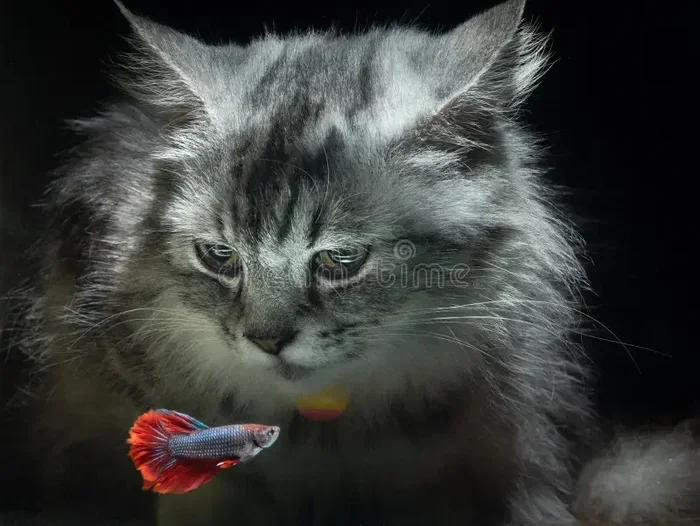
Are betta fish poisonous to cats? The short answer is yes — betta fish produce a toxic substance that can harm cats if ingested or if they come into contact with the fish’s slime coat. While betta fish are popular and beautiful pets, they carry natural defenses that pose real risks to curious cats. This guide covers everything cat owners need to know about betta fish toxicity, symptoms to watch for, and how to keep both pets safe in a multi-pet home.
Key Takeaways
- Betta fish are poisonous to cats: Their slime coat and bodily fluids contain toxins that can cause serious harm if a cat bites or eats a betta.
- Common symptoms include vomiting, drooling, and lethargy: These signs appear quickly after exposure and should never be ignored.
- Immediate veterinary care is crucial: The faster you act, the better the outcome for your cat.
- Prevention is the best strategy: Proper tank placement and covers can prevent most incidents.
- Never assume your cat is safe just because they seem curious: Cats are natural hunters and may attack fish without you noticing.
- Other pets like dogs can also be affected: The same toxins that harm cats can affect dogs too.
- Betta fish are not safe to touch for humans either: Their defenses work on multiple species.
📑 Table of Contents
- Are Betta Fish Poisonous to Cats?
- Why Are Betta Fish Dangerous to Cats?
- What Happens If a Cat Eats a Betta Fish?
- Signs Your Cat Has Been Exposed to Betta Fish Toxins
- How to Keep Your Cat Safe Around Betta Fish
- What to Do If Your Cat Is Poisoned by a Betta Fish
- Are Other Pets at Risk Too?
- Can You Touch a Betta Fish Safely?
- Are Betta Fish Easy to Care For Despite These Risks?
- Conclusion
Are Betta Fish Poisonous to Cats?
If you own both a betta fish and a cat, you might be wondering about the risks. The truth is, betta fish are indeed poisonous to cats. This is not just a rumor or an old wives’ tale. Betta fish have natural defense mechanisms that produce harmful substances. These substances can make your cat very sick.
Many cat owners don’t realize the danger until something bad happens. Cats are curious creatures. They love to bat at moving objects. A shimmering fish in a tank can be irresistible to them. But that curiosity can lead to serious health problems if your cat bites or eats a betta.
The good news is that you can take steps to protect your pets. Understanding the risks is the first step. This guide will walk you through everything you need to know about betta fish toxicity and how to keep your cat safe.
Let’s dive into the details. Whether you are a new cat owner or a seasoned pet parent, this information could save your cat’s life.
Why Are Betta Fish Dangerous to Cats?
Betta fish might look delicate and beautiful, but they are built to survive. In the wild, they face many predators. Over time, they developed strong defense mechanisms. These defenses include toxic compounds in their slime coat and bodily fluids.
The Slime Coat Defense
Betta fish produce a thick slime coat. This coat protects them from bacteria and parasites in the water. But it also contains substances that are harmful to other animals. When a cat bites into a betta fish, these toxins enter the cat’s mouth and digestive system. The result can be poisoning.
Venomous Spines
Betta fish also have small fin rays that can cause irritation. While not as dangerous as a stingray barb, these spines can add to the harm. They can cause minor injuries inside a cat’s mouth or throat. Combined with the toxins, this creates a double threat.
Territorial Aggression
Betta fish are known for being territorial. They may flare and bite when threatened. A curious cat pawing at the tank might trigger this response. A betta fish could bite back, and the cat might then try to eat the fish out of frustration or curiosity.
What Happens If a Cat Eats a Betta Fish?
If your cat manages to eat a betta fish, the effects can be severe. The toxins in the fish can cause a range of symptoms. These symptoms often appear within minutes to hours after ingestion.
Immediate Physical Reactions
The first signs of poisoning usually show up fast. Your cat might start drooling heavily. This is the body’s attempt to flush out the toxin. You may also notice your cat pawing at its mouth or making gagging sounds.
Gastrointestinal Distress
Vomiting and diarrhea are common after a cat eats a betta fish. The digestive system reacts strongly to the foreign toxins. Your cat may also refuse to eat or drink. Lethargy and weakness often follow these initial symptoms.
Neurological Effects
In more serious cases, the toxins can affect the nervous system. You might see tremors or seizures. Your cat could seem disoriented or confused. These are red flags that require immediate attention.
Signs Your Cat Has Been Exposed to Betta Fish Toxins
Knowing the warning signs can make all the difference. Early detection leads to faster treatment and better outcomes. Here are the most common symptoms to watch for:
- Excessive drooling or foaming at the mouth
- Vomiting or retching
- Diarrhea or loose stools
- Lethargy and unusual tiredness
- Loss of appetite or refusal to eat
- Pawing at the mouth or face
- Tremors or muscle twitching
- Difficulty breathing or rapid breathing
- Swelling around the mouth or face
If you notice any of these signs and your cat has had access to your betta fish tank, act quickly. Time matters a lot when it comes to poisoning.
How to Keep Your Cat Safe Around Betta Fish
Prevention is always better than treatment. There are several practical steps you can take to reduce the risk of your cat encountering your betta fish.
Secure the Tank Properly
A sturdy tank cover is essential. Cats are agile and can jump surprisingly high. A loose lid or an open top gives your cat easy access. Choose a cover that latches securely. Mesh screens work well because they allow airflow while keeping curious paws out.
Place the Tank Out of Reach
Think about where you put your aquarium. A high shelf or a dedicated stand can help. Make sure the tank is not on furniture your cat can easily climb. Remember that cats love elevated spots, so placing the tank near a cat tree might backfire.
Monitor Your Pets
Supervision goes a long way. If your cat shows interest in the tank, redirect its attention. Use toys or treats to distract your cat. Never leave your cat unsupervised near an open tank.
Keep the Tank Clean
A clean tank reduces the chance of harmful bacteria spreading if your cat does get access. Regular water changes and proper filtration keep the environment healthy. This also makes the tank less appealing to pests that might attract your cat’s attention.
What to Do If Your Cat Is Poisoned by a Betta Fish
If you suspect your cat has been poisoned, do not wait. Time is critical. Here is what you should do right away:
- Remove your cat from the area near the tank immediately.
- Check your cat’s mouth for any remaining fish pieces or slime.
- Do not try to induce vomiting unless your vet tells you to.
- Call your veterinarian or an emergency animal poison control hotline.
- Bring a sample of the tank water or a photo of the betta fish if possible.
- Follow your vet’s instructions carefully and monitor your cat closely.
Quick action can save your cat’s life. Do not try home remedies without professional guidance. Some things that work for humans can be dangerous for cats.
Are Other Pets at Risk Too?
The toxins from betta fish do not only affect cats. Dogs can also be harmed if they eat a betta fish. The same principles apply. The slime coat and bodily fluids contain harmful substances that impact multiple animal species. If you have both dogs and cats with access to your aquarium, the risk multiplies.
Smaller pets like turtles or other fish in the same tank might also face risks from betta fish aggression. Understanding these dynamics helps you create a safer environment for all your pets. For more information on how betta fish affect other animals, check out our guide on betta fish toxicity to cats and our article on are betta fish poisonous to other fish.
Can You Touch a Betta Fish Safely?
Many people wonder if handling betta fish is safe for humans too. The answer is yes and no. Humans are generally not affected by betta fish toxins the way animals are. However, it is still best to avoid touching your betta fish unnecessarily. Their slime coat protects them from infections. Removing it by handling can make your fish vulnerable to disease.
If you must handle your betta fish, make sure your hands are clean and free of soap residue. Always wet your hands first to protect the fish’s delicate slime layer. For more details on this topic, read our article on are betta fish poisonous to touch.
Are Betta Fish Easy to Care For Despite These Risks?
Despite the risks they pose to other pets, betta fish are actually quite easy to care for. They are hardy fish that can thrive in a well-maintained tank. They do not need a huge aquarium or complex equipment. A small tank with a filter and heater is usually enough. This makes them a popular choice for beginners and experienced fish keepers alike.
The key is proper setup and maintenance. Regular water changes, appropriate feeding, and a safe tank environment go a long way. If you are new to betta fish keeping, our guide on are betta fish easy to care for covers the basics in detail.
Conclusion
So, are betta fish poisonous to cats? The answer is a clear yes. Betta fish produce toxins that can seriously harm your feline friend. From the slime coat to the fin spines, these beautiful fish come with natural defenses that pose real risks. But with the right precautions, you can safely keep both pets in the same home.
Secure your tank, monitor your cat’s behavior, and know the signs of poisoning. If you ever suspect your cat has been exposed, seek veterinary help immediately. Being informed and prepared is the best way to protect your beloved pets.
Remember that a little prevention goes a long way. Take the steps today to make your home safer for both your betta fish and your cat. Your pets depend on you to keep them safe.
Frequently Asked Questions
Can a cat die from eating a betta fish?
Yes, in severe cases, a cat can die from eating a betta fish. The toxins in the fish’s slime coat and bodily fluids can cause serious poisoning. This is why immediate veterinary care is so important if you suspect your cat has ingested any part of a betta fish.
How quickly do symptoms appear after a cat eats a betta fish?
Symptoms usually appear within minutes to a few hours after ingestion. You may notice drooling, vomiting, or lethargy very quickly. If you see any of these signs and your cat has been near the tank, contact your vet right away.
Are betta fish poisonous to dogs as well?
Yes, betta fish are also poisonous to dogs. The same toxins that affect cats can harm dogs if they eat or chew on a betta fish. For more details, visit our article on are betta fish poisonous to dogs.
What should I do if my cat touches a betta fish but doesn’t eat it?
Even just touching a betta fish can expose your cat to toxins from the slime coat. Watch your cat closely for any symptoms like drooling or pawing at the mouth. If you notice anything unusual, contact your veterinarian for advice.
How can I prevent my cat from getting into my betta fish tank?
The best prevention is a secure tank cover and proper placement. Keep your tank on a high surface your cat cannot reach. Use a latch on the tank lid and redirect your cat’s attention with toys and playtime away from the aquarium area.
Is it safe to keep a betta fish if I have a cat?
Yes, it is possible to keep a betta fish with a cat. The key is taking proper safety precautions. A secure lid, elevated placement, and constant supervision can prevent most incidents. Always be aware of your cat’s behavior around the tank.