Where Did Betta Fish Originate

So where did betta fish originate? The betta fish, also known as the Siamese fighting fish, comes from the warm, shallow waters of Southeast Asia. Their natural habitat includes rice paddies, floodplains, and slow-moving streams in countries like Thailand, Cambodia, and Vietnam. Understanding their wild origins helps you provide better care for these colorful freshwater fish in your own home.
Have you ever wondered where did betta fish originate? These vibrant, flowing-finned fish are some of the most popular pets in the world. But their story starts far from the cozy aquariums on our desks. The journey of the betta fish is one of the most fascinating tales in the fishkeeping world. Let us dive into their rich history and explore how these beautiful creatures made their way from wild rice paddies to living rooms everywhere.
The betta fish, scientifically known as Betta splendens, has a story that stretches back over a thousand years. People in Southeast Asia first noticed these fish in the shallow, warm waters of their homelands. Over time, they began to collect and breed them. What started as a cultural tradition turned into a global hobby. Today, bettas are bred for their stunning colors and elaborate fins. But their wild roots still shape how they behave and what they need to thrive.
In this guide, we will cover everything you need to know about the betta fish origin. You will learn where they come from, how they evolved, and why understanding their history matters for their care. Whether you are a new betta owner or a seasoned hobbyist, this article will give you a deeper appreciation for these remarkable fish.
Key Takeaways
- Betta fish come from Southeast Asia: They are native to Thailand, Cambodia, Vietnam, and surrounding regions.
- They thrive in shallow, warm water: Rice paddies, ponds, and slow streams are their natural homes.
- Their wild ancestors looked very different: Wild bettas are much less colorful than the ones you see in pet stores.
- Betta fish were domesticated over 1,000 years ago: People in Thailand began selectively breeding them for aggression and color.
- Knowing their origin helps with care: Replicating their natural environment leads to healthier, happier bettas.
- Wild betta populations face threats today: Habitat loss and pollution affect their natural homes.
📑 Table of Contents
The Natural Habitat of Wild Betta Fish
To truly understand where did betta fish originate, you need to picture their natural surroundings. Wild bettas live in very specific environments across Southeast Asia. These are not deep oceans or fast rivers. Instead, they prefer warm, shallow, and slow-moving water bodies.
Rice Paddies and Floodplains
The most common natural habitat for wild bettas is the rice paddy. Farmers in Thailand and neighboring countries have been raising rice in flooded fields for centuries. These shallow, warm pools are perfect for bettas. The water is still, warm, and rich with plant life. Betta fish dart between the roots and leaves, hunting for small insects and larvae.
During the rainy season, floodplains fill with water and create even more space for bettas to spread out. When the water recedes, they move into smaller pools and streams. This cycle of flooding and drying has shaped their behavior over thousands of years.
Slow-Moving Streams and Ponds
Besides rice paddies, wild bettas also live in slow-moving streams and ponds. These water bodies are often lined with vegetation, which provides shelter and food. The water is usually warm, typically between 75 and 82 degrees Fahrenheit. It is also slightly acidic to neutral in pH.
Where does betta fish live in the wild? They prefer areas with lots of cover. Floating plants, submerged leaves, and debris give them places to hide and build bubble nests. This is a key part of their natural behavior that aquarium owners should try to replicate.
Why Their Habitat Matters for Care
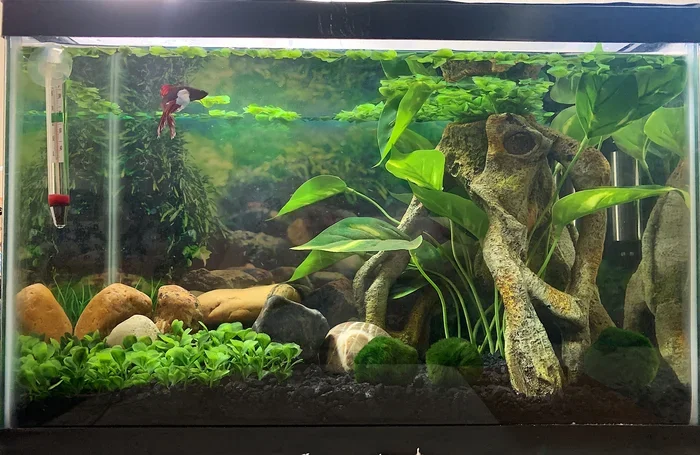
Knowing the betta fish natural environment helps you set up a better tank at home. Wild bettas are used to warm, calm water with plenty of hiding spots. A tank that mimics these conditions will keep your fish healthier and less stressed. This is why many experts recommend tanks of at least 5 gallons with a heater and gentle filtration.
A Brief History of Betta Fish Domestication
The betta fish history is truly remarkable. People have been keeping and breeding bettas for centuries, long before they became popular pets worldwide. The domestication of bettas is one of the oldest aquarium fish traditions in the world.
The Siamese Connection
Betta fish are also called Siamese fighting fish, and for good reason. In the former Siam (now Thailand), people began selectively breeding bettas for their fighting ability as early as the 1800s. Children and adults alike would gather to watch two bettas battle in a small container. It was a popular form of entertainment and even a social activity.
The King of Siam recognized the cultural importance of these fish. He even regulated their breeding and fighting. Over time, people shifted their focus from aggression to appearance. Selective breeding for color and fin shape became the new goal.
From Thailand to the World
In the early 1900s, bettas were first brought to Europe and then to the United States. Fish breeders in these countries fell in love with their vivid colors and long, flowing fins. Through careful breeding programs, the modern pet store betta we know today was developed. These fish are far more colorful and have much longer fins than their wild ancestors.
Today, where to get betta fish is a common question among new fish keepers. You can find them in pet stores, online breeders, and local fish shops. But no matter where you get yours, remember that it traces back to wild populations in Southeast Asia.
Domestication and Selective Breeding
Over the decades, breeders have developed dozens of betta varieties. There are veil-tail, crowntail, halfmoon, and plakat bettas, just to name a few. Each type has unique fin shapes and color patterns. But all of them share the same wild ancestry. Understanding this helps you appreciate the incredible journey these fish have taken.
Where Are Betta Fish Found Naturally?
The betta fish native range covers a broad area in Southeast Asia. Let us look at the specific countries and regions where you can still find wild bettas today.
Thailand
Thailand is the heartland of the betta fish. The country’s name was once Siam, which is where the common name “Siamese fighting fish” comes from. Wild bettas can still be found in the shallow waters of central and southern Thailand. Rice paddies, canals, and slow rivers provide ideal habitat.
Cambodia and Vietnam
Betta fish are also found naturally in Cambodia and Vietnam. In these countries, they live in similar shallow, warm water bodies. The Mekong River basin and its surrounding wetlands are home to many wild betta populations. These regions have warm climates and plenty of standing water, which bettas love.
Other Southeast Asian Countries
Beyond Thailand, Cambodia, and Vietnam, bettas can also be found in parts of Malaysia, Indonesia, and Singapore. They tend to live in the same types of habitats across all these countries. Warm, shallow, vegetated water bodies are their preference.
If you want to learn more about the specific locations where bettas live in the wild, check out this article on where are betta fish found naturally for a deeper look at their wild ranges.
The Importance of Protecting Wild Betta Habitats
Wild betta populations face real threats today. Habitat destruction, pollution, and climate change are all taking a toll. Rice paddies are being replaced by urban development. Wetlands are being drained for agriculture. These changes reduce the natural spaces where wild bettas can survive.
Conservation efforts are important. Protecting the betta fish wild habitat not only helps bettas but also supports entire ecosystems. When we preserve wetlands and shallow water bodies, we protect countless species of plants and animals that share those environments.
The Evolution and Genetics of Betta Fish
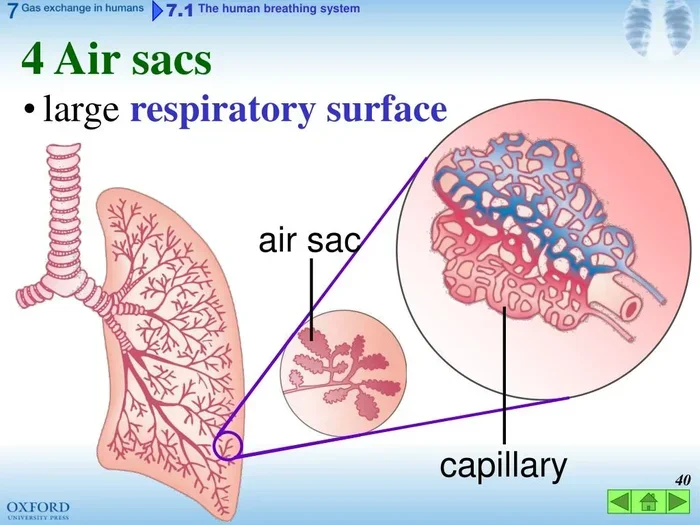
The betta fish species origin is rooted in millions of years of evolution. Betta fish belong to the gourami family, Osphronemidae. Their ancestors developed special adaptations that allow them to survive in low-oxygen water.
The Labyrinth Organ
One of the most fascinating features of betta fish is their labyrinth organ. This special breathing structure allows bettas to gulp air from the surface. In the wild, this adaptation is a lifesaver. Shallow, warm water often has very low oxygen levels. The labyrinth organ lets bettas breathe atmospheric air, which is richer in oxygen.
This is why bettas can survive in tiny puddles and rice paddies where other fish would perish. It is also why you will see your pet betta swimming to the surface to take a breath now and then. This behavior is completely normal and natural.
Wild vs. Domestic Betta Fish
There is a big difference between wild bettas and the ones sold in pet stores. Wild bettas are typically dull in color, with short fins and a streamlined body. Their coloring helps them blend into their surroundings and avoid predators. Male wild bettas do display bright colors during territorial disputes, but they are not as vivid as domestic bettas.
Domestic bettas, on the other hand, have been bred for extreme coloration and fin length. Their fins can be so long and elaborate that it actually affects their swimming ability. This is a direct result of selective breeding over many generations. While they look stunning, these features come with some trade-offs in terms of health and mobility.
Genetic Diversity in Betta Fish
The betta fish wild ancestors had a much wider gene pool than domestic bettas. Selective breeding has narrowed the genetic diversity of pet store bettas. This can lead to health issues like fin rot, swim bladder problems, and a weaker immune system. Understanding this helps responsible breeders and owners make better choices for their fish.
Why Understanding Betta Fish Origin Matters for Owners
You might be thinking, “Why does it matter where my betta came from?” The answer is simple. Knowing the betta fish origin helps you provide better care. When you understand the conditions bettas evolved in, you can recreate those conditions in your home aquarium.
Here are some practical ways this knowledge helps:
- Water temperature: Keep your tank between 76 and 82 degrees Fahrenheit. This matches the warm, shallow waters of their native habitat.
- Tank size: A 5-gallon tank is the minimum. Larger tanks give your betta more room to swim and explore.
- Filtration: Use gentle filtration. Wild bettas live in still or very slow-moving water. Strong filters can stress them out.
- Plants and hiding spots: Add live or silk plants, caves, and floating cover. This mimics the dense vegetation of their natural environment.
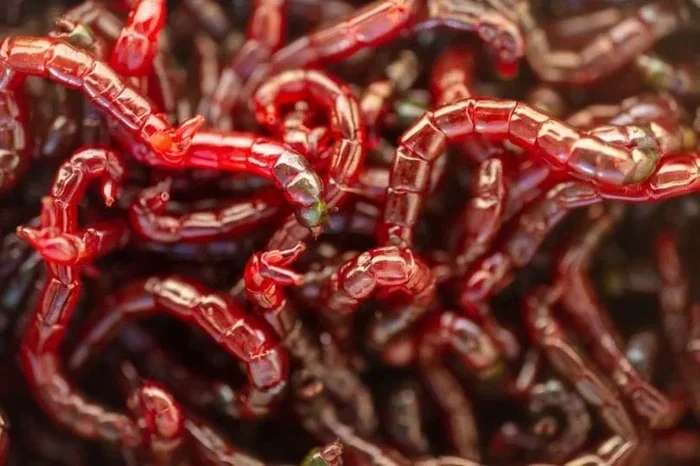
- Diet: Feed a varied diet of high-quality pellets, frozen bloodworms, and brine shrimp. In the wild, bettas eat small insects and larvae.
For more tips on setting up the perfect home for your betta, check out this guide on where does betta fish live to learn about creating the ideal tank setup.
Quick Tips for Replicating a Natural Betta Environment
Here are some fast tips to make your betta feel at home:
- Use a heater to maintain a steady temperature.
- Add floating plants like frogbit or water lettuce.
- Keep the water gentle and free of strong currents.
- Include hiding spots with caves or coconut shells.
- Perform regular water changes to keep the tank clean.
Common Mistakes Betta Owners Make
Many new betta owners make mistakes because they do not understand the fish’s background. Here are some common ones to avoid:
- Keeping bettas in tiny bowls: A bowl with no heater or filter is not a proper home. Bettas need space and stable water conditions.
- Using cold water: Room temperature water is usually too cold for bettas. They need warm water to stay healthy.
- Overfeeding: Bettas have small stomachs. Feed them small amounts once or twice a day.
- Keeping two males together: Male bettas are territorial and will fight. Never house two males in the same tank.
Understanding where bettas come from helps you avoid these pitfalls. It gives you a framework for making good decisions about their care.
Expert Insights on Betta Fish Origins
According to ichthyologists and fish biologists, the betta fish geographic origin is firmly rooted in the tropical freshwater systems of mainland Southeast Asia. Dr. Ingo Schlupp, a well-known fish behavior researcher, has studied bettas extensively and notes that their labyrinth organ is a key evolutionary adaptation that sets them apart from most other freshwater fish.
“The betta’s ability to breathe air is what allowed it to colonize habitats that other fish cannot survive in,” Schlupp explains. “This is why you find them in such marginal environments as rice paddies and temporary pools.”
Breeders who specialize in betta fish breeding history also emphasize the importance of maintaining genetic diversity. By working with wild-caught lines and carefully managed breeding programs, they help ensure that domestic bettas remain healthy and vibrant for generations to come.
For those interested in learning more about the complete history of betta fish, this article on where did betta fish originate from provides additional historical context and detailed information about their wild ancestors.
Conclusion
The story of where did betta fish originate is a story of adaptation, culture, and evolution. From the shallow rice paddies of Thailand to the aquariums of homes around the world, bettas have traveled an incredible journey. Their wild ancestors survived in warm, still water by developing special breathing adaptations and vibrant territorial displays. Centuries of domestication and selective breeding transformed them into the stunning pets we know today.
Understanding the betta fish origin is not just interesting trivia. It is essential knowledge for any betta owner. When you know where your fish comes from, you can create a home that meets its needs. You can provide warm water, gentle filtration, plenty of cover, and a diet that mirrors what it would eat in the wild.
Take what you have learned and apply it. Your betta will be healthier, happier, and more vibrant because of it. And every time you watch your betta glide gracefully through its tank, you will know the incredible story behind those ancient, shimmering fins.
Frequently Asked Questions
Where did betta fish originate from geographically?
Betta fish originated in the warm, shallow freshwater habitats of Southeast Asia, primarily in Thailand, Cambodia, Vietnam, and surrounding countries. They evolved in rice paddies, floodplains, and slow-moving streams where the water was warm and rich with vegetation.
Why are betta fish called Siamese fighting fish?
Betta fish are called Siamese fighting fish because they originated in Siam, which is now Thailand. In the 1800s, people in Siam began selectively breeding bettas for their aggressive behavior and would organize fights between them, making it a popular cultural activity.
How are wild bettas different from pet store bettas?
Wild bettas are much less colorful and have shorter fins compared to pet store bettas. They have a streamlined body built for survival in the wild. Pet store bettas have been selectively bred for bright colors and long, flowing fins over many generations.
What is the natural habitat of betta fish?
The natural habitat of betta fish includes warm, shallow, slow-moving water bodies like rice paddies, ponds, and floodplains. These environments are typically rich in vegetation and have warm temperatures between 75 and 82 degrees Fahrenheit.
How long have people been keeping betta fish?
People have been keeping and breeding betta fish for over 1,000 years. The practice began in Southeast Asia, particularly in Thailand, where bettas were first collected for their fighting ability and later for their beauty.
Can betta fish survive in the wild today?
Yes, wild betta populations still exist in Southeast Asia. However, they face threats from habitat loss, pollution, and climate change. Conservation efforts are important to protect their natural freshwater habitats for future generations.