Betta fish are not poisonous to touch, but their slime coat can irritate sensitive skin. Handle them gently, wash hands afterward, and enjoy these vibrant companions safely.
Key Takeaways
- Betta fish aren’t venomous: They do not inject poison through spines or bites.
- Slime coat matters: The fish’s mucus can cause mild irritation for some people.
- Proper handling prevents stress: Use a soft net or your wet hands to avoid damaging fins.
- Hand‑washing is essential: Always wash hands before and after contact to protect both you and the fish.
- Health risks are rare: Only individuals with severe allergies or open wounds should be extra cautious.
- Good tank hygiene helps: Clean water reduces slime buildup and keeps the fish healthy.
- Know the basics of betta care: Understanding their natural habitat makes handling easier. See what are betta fish for more.
📑 Table of Contents
- Introduction: The Curious Question
- What Makes People Think Betta Fish Might Be Poisonous?
- Are Betta Fish Poisonous to Touch? The Scientific Answer
- Safe Handling Practices
- Health Considerations for Humans
- Impact on Betta Health
- Practical Tips for Everyday Interaction
- Conclusion: Enjoy Your Betta Without Fear
Introduction: The Curious Question
If you’ve ever held a betta fish in your hand, you might have wondered, “are betta fish poisonous to touch?” The bright colors and flowing fins can feel almost magical, but many new owners worry about a hidden sting. The short answer is simple: betta fish are not poisonous. However, there are a few nuances that every keeper should know.
In this friendly guide we’ll break down the biology behind the myth, explain what the fish’s slime coat does, and give you practical tips for safe handling. By the end you’ll feel confident touching your betta without fear, and you’ll also learn a few extra tricks to keep it happy and healthy.
What Makes People Think Betta Fish Might Be Poisonous?
Nature’s Defense: The Slime Coat
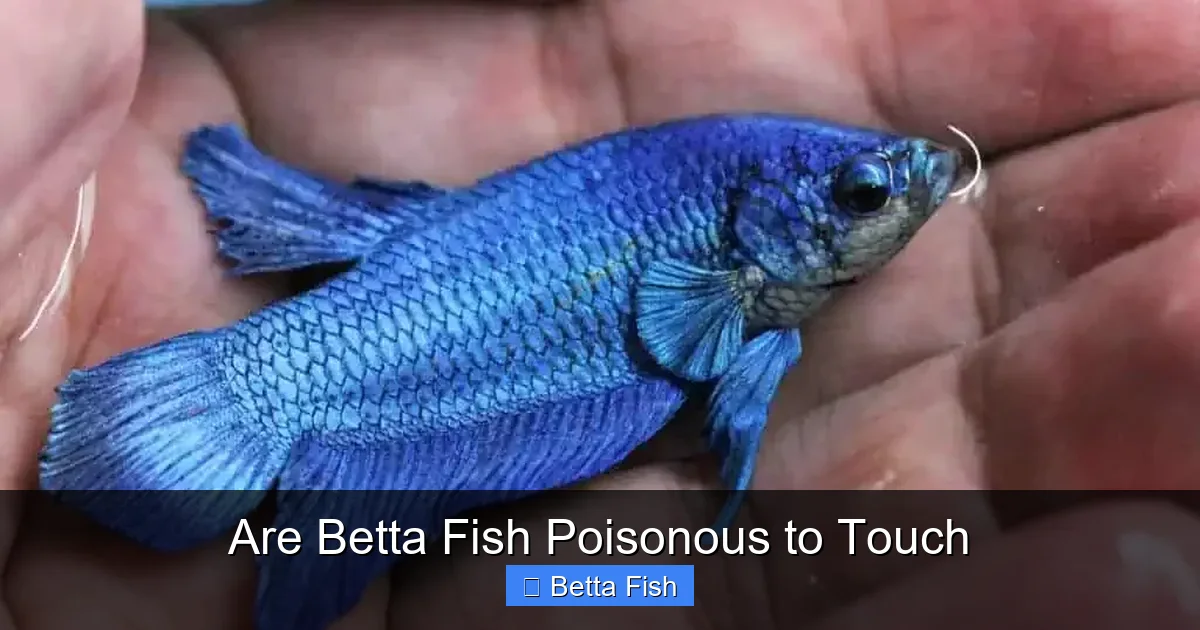
All fish produce a thin layer of mucus, called a slime coat, that protects them from disease and parasites. In bettas, this coat is especially thick because they live in warm, low‑oxygen waters where infections are common. The mucus can feel slightly sticky and sometimes causes a mild tingling sensation on very sensitive skin.
Visual guide about Are Betta Fish Poisonous to Touch
Image source: bettasource.com
Territorial Aggression
Betta males are famously aggressive toward other fish, flaring their gill covers and snapping. Some owners mistake a “bite” for a poisonous wound. In reality, a betta’s bite is more of a gentle nip and does not deliver venom.
Are Betta Fish Poisonous to Touch? The Scientific Answer
No Venom, No Poison
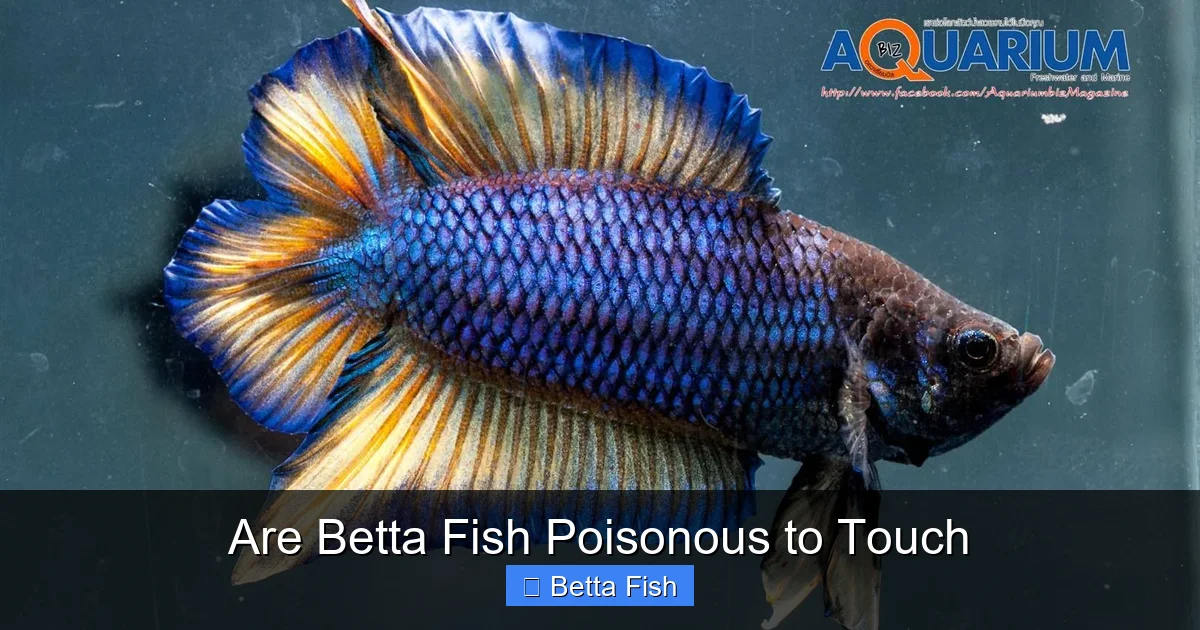
Betta splendens, the common Siamese fighting fish, lacks any venom glands. Unlike a stonefish or a lionfish, there are no spines that inject toxins. The only thing that could cause a reaction is the slime coat, which is harmless for most people.
Visual guide about Are Betta Fish Poisonous to Touch
Image source: i.pinimg.com
When the Slime Coat Might Irritate
If you have a cut, eczema, or a severe skin allergy, the mucus can cause a brief sting or redness. This is similar to the way some people react to handling other aquarium fish. The irritation is temporary and disappears after washing the area.
Safe Handling Practices
Wash Your Hands First
Before you even think about touching your betta, wash your hands with mild soap and warm water. This removes chemicals or residues that could harm the fish’s delicate slime coat.
Visual guide about Are Betta Fish Poisonous to Touch
Image source: aquariadise.com
Use a Wet Hand or Soft Net
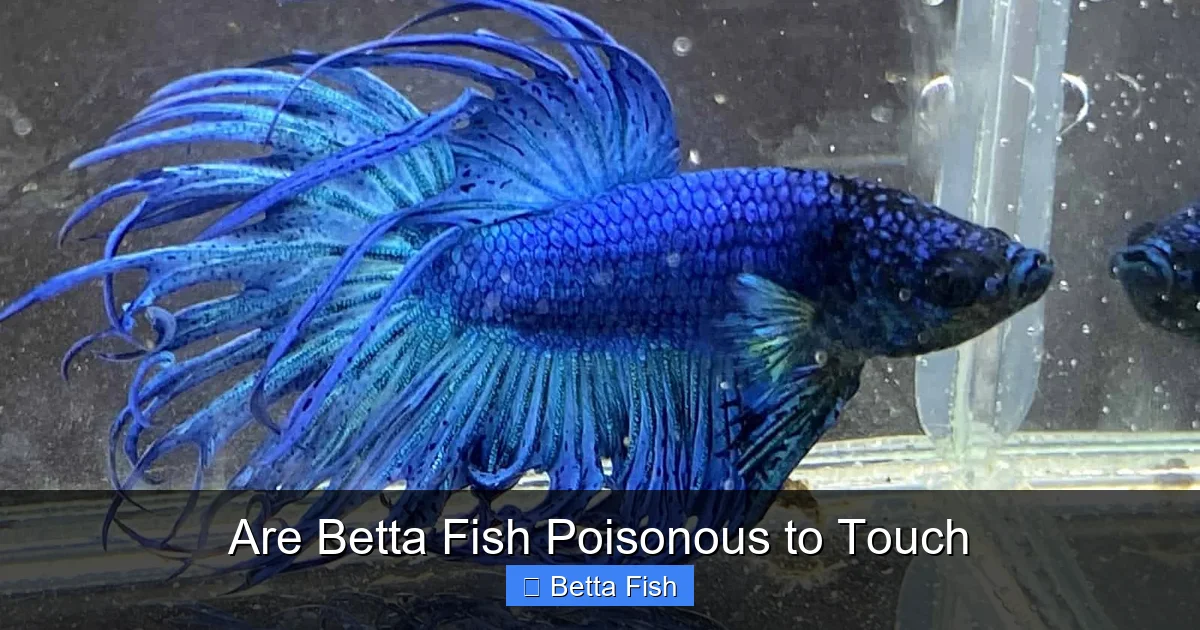
Wet your hands with tank water before picking up the fish. The water reduces friction and prevents the slime coat from being stripped away. If you prefer a net, choose a soft, mesh net designed for bettas.
Gentle Support, Not Squeezing
Support the fish’s body with one hand, letting the other guide it. Avoid squeezing the belly or pulling on the fins—betta fins are delicate and can tear easily, leading to fin rot.
Health Considerations for Humans
Allergies and Open Wounds
People with known fish allergies should wear gloves or avoid direct contact. If you have an open cut, it’s best to keep your hands away from the fish to prevent any bacterial entry.
Cleaning Up After Handling
After you’re done, wash your hands again thoroughly. This protects you from any bacteria the fish might carry and also prevents you from transferring oils or chemicals back into the tank.
Impact on Betta Health
Stress From Improper Handling
Even though bettas aren’t poisonous, rough handling can stress them, making them prone to disease. Signs of stress include clamped fins, loss of color, or rapid breathing at the surface.
Maintaining a Healthy Slime Coat
Good water quality is the best way to keep the slime coat strong. Regular water changes, proper filtration, and stable temperature (around 78°F/25.5°C) all help. For more on water basics, read what water to use for betta fish.
Practical Tips for Everyday Interaction
Routine Care Sessions
- Plan a short “hand‑in‑tank” session once a week to check for parasites or injuries.
- Use this time to clean the tank glass and trim any dead fin tissue.
Teaching Kids to Be Gentle
If you have children, demonstrate the wet‑hand method and explain why the slime coat is important. Supervise all interactions to keep both the fish and the kids safe.
When to Seek Veterinary Help
If your betta shows persistent redness, loss of appetite, or unusual swimming patterns after being handled, consult an aquarium‑specialized vet. Early treatment can prevent serious issues.
Conclusion: Enjoy Your Betta Without Fear
In short, the answer to “are betta fish poisonous to touch” is a confident no. They have no venom, and the only thing that might cause a mild skin reaction is their natural slime coat, which is harmless for most people. By washing your hands, using a wet‑hand technique, and handling your betta gently, you can enjoy a close bond with this stunning fish without worry.
Remember, a healthy betta thrives on clean water, a balanced diet, and low‑stress handling. Follow these simple steps, and you’ll have a vibrant, happy companion that loves to show off its colors—no poison involved.
Frequently Asked Questions
Are betta fish venomous?
No, betta fish do not have venom glands and cannot inject poison through bites or spines.
Can the slime coat of a betta cause skin irritation?
Yes, for people with very sensitive skin or open cuts, the mucus may cause a brief tingling or redness, but it is not dangerous.
Do I need to wear gloves when handling my betta?
Gloves are only necessary if you have a known fish allergy or open wounds. Otherwise, a wet hand is sufficient.
How often should I wash my hands when caring for a betta?
Wash before and after every handling session to protect both you and the fish from bacteria and oils.
What should I do if my betta looks stressed after being touched?
Observe for signs like clamped fins or loss of color. Reduce handling, improve water quality, and consider a veterinary check if symptoms persist.
Is it safe for children to handle betta fish?
Yes, as long as an adult supervises and teaches the proper wet‑hand technique to avoid damaging the fish’s slime coat.

