Are Betta Fish Toxic to Cats
Betta fish are not poisonous to cats, but curious felines can still cause serious problems. Understanding the real risks—like tank spills, fin nipping, and water ingestion—helps you protect both pets. Follow simple safety tips to enjoy bettas and cats under the same roof.
Key Takeaways
- Betta fish aren’t toxic: Their bodies contain no venom or poison that harms cats.
- Physical danger is the main issue: Cats may knock over tanks or try to eat the fish.
- Water quality matters: Ingesting tank water can upset a cat’s stomach.
- Secure the habitat: Use sturdy lids, weighted stands, and proper placement.
- Supervise interactions: Never leave a cat alone with an uncovered tank.
- Know the signs: Watch for stress in both cat and fish and act quickly.
- Preventive steps are easy: Simple changes like a barrier or a different feeding spot keep everyone safe.
📑 Table of Contents
- Introduction: A Curious Cat Meets a Colorful Betta
- Understanding the Biology: Why Betta Fish Aren’t Poisonous
- How Cats Interact with Fish Tanks
- Creating a Safe Environment for Both Pets
- Signs of Stress in Betta Fish and Cats
- Practical Tips for a Harmonious Home
- What To Do If An Accident Happens
- Conclusion: Peaceful Co‑Existence Is Possible
Introduction: A Curious Cat Meets a Colorful Betta
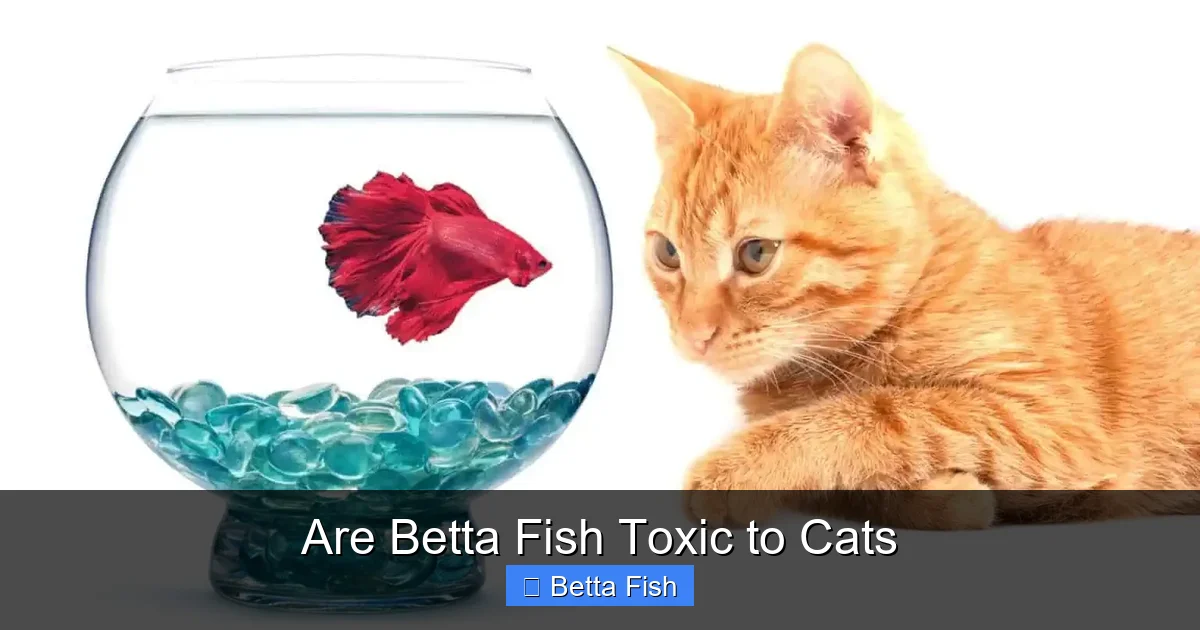
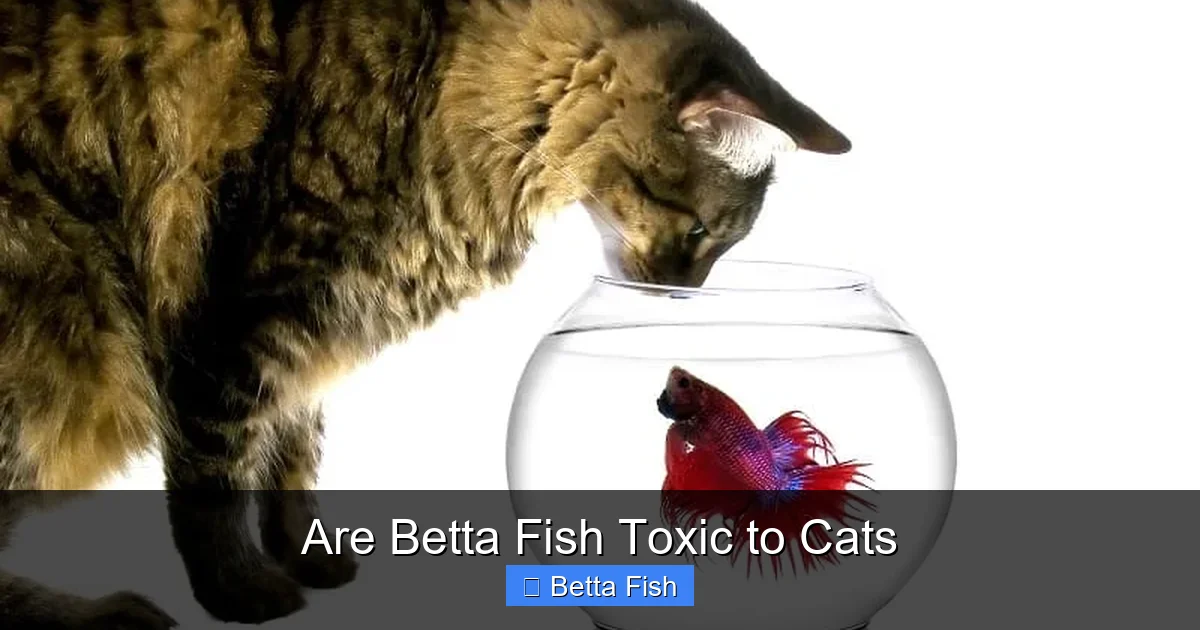
Imagine coming home after a long day, hearing the soft gurgle of a betta fish tank, and spotting your cat perched on the windowsill, eyes fixed on the flashing fins. It’s a scene many pet lovers adore—two very different animals sharing the same space. But the question that often pops up is: are betta fish toxic to cats? The short answer is no, bettas are not poisonous. However, the reality is a bit more nuanced. Cats are natural hunters, and a small, shimmering fish can be irresistible.
In this guide we’ll break down everything you need to know: the real risks, how to keep both pets safe, and practical steps you can take right now. By the end, you’ll feel confident that your cat’s curiosity won’t turn into a tragedy for your beloved betta.
Understanding the Biology: Why Betta Fish Aren’t Poisonous
What makes a fish toxic?
Some fish, like pufferfish, contain tetrodotoxin—a nerve poison that can be lethal to humans and pets. Betta fish (Betta splendens), however, belong to the gourami family, which does not produce any harmful toxins. Their bright colors come from pigments, not poison.
Visual guide about Are Betta Fish Toxic to Cats
Image source: bettasource.com
Betta fish and human consumption
Even when people ask, “Are betta fish poisonous to eat?” the answer is the same: they are safe (though not commonly eaten). This reinforces that the fish themselves are not a chemical threat to cats.
How Cats Interact with Fish Tanks
Natural hunting instincts
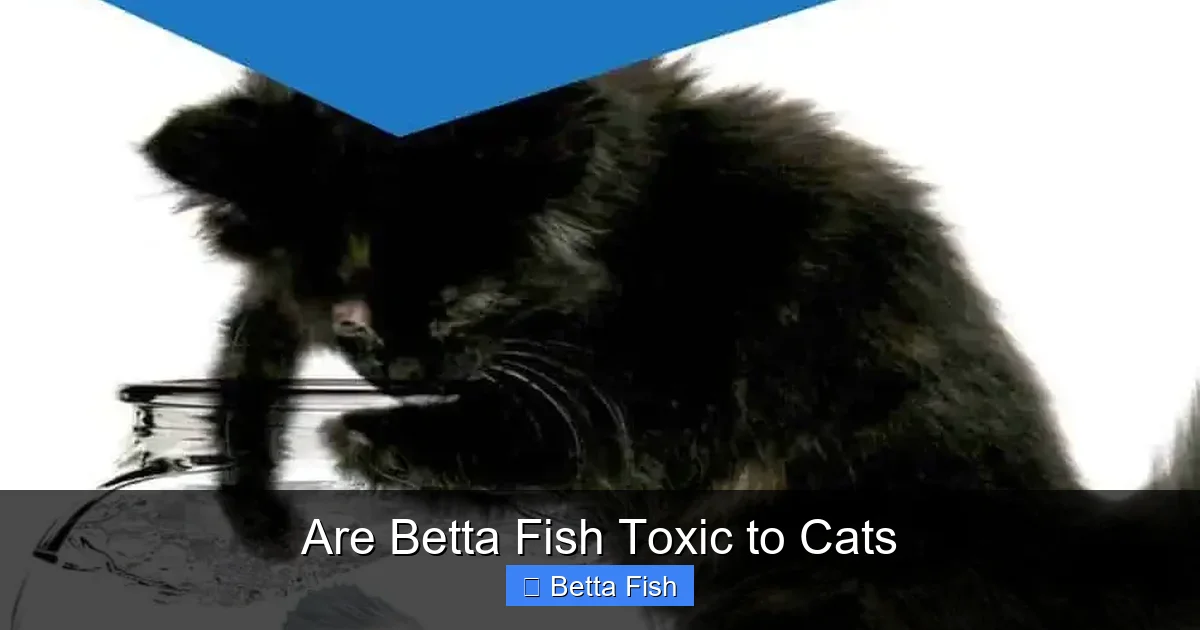
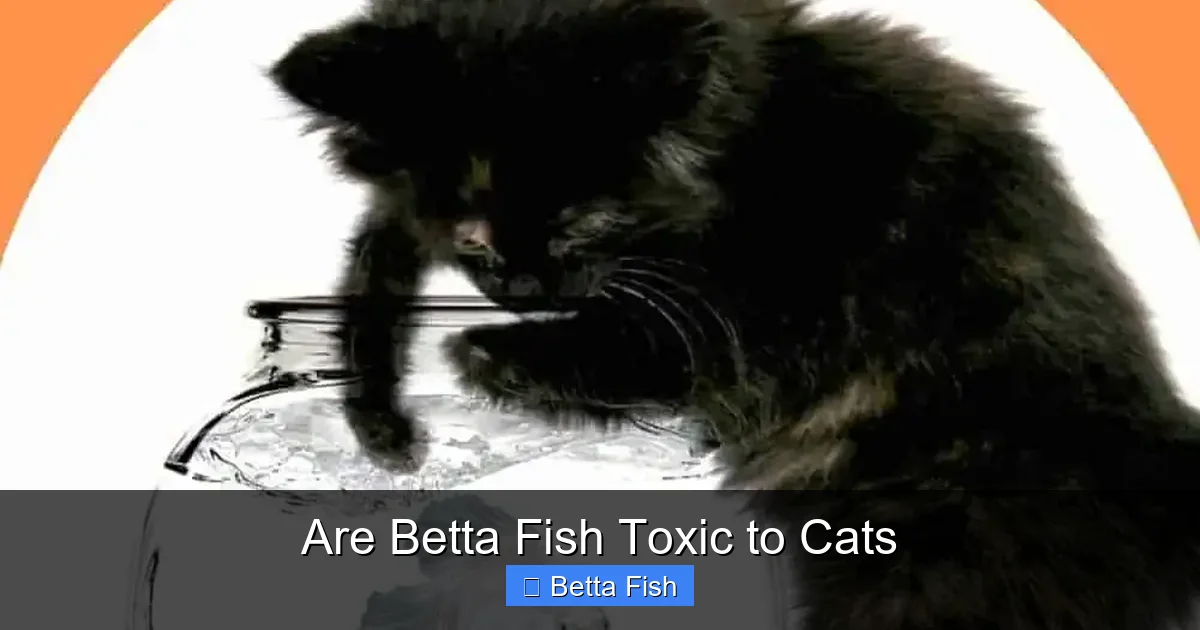
Cats are born predators. A moving object in a glass box triggers their chase reflex. They may paw at the glass, try to jump in, or even attempt to bite the fish if the tank is uncovered.
Visual guide about Are Betta Fish Toxic to Cats
Image source: bettasource.com
Physical hazards
- Tank tipping: A playful swipe can knock over a small bowl, spilling water and fish onto the floor.
- Fin nipping: Some cats have been known to grab at fins, causing bleeding or infection.
- Water ingestion: Drinking tank water can lead to stomach upset because of chemicals like chlorine or fish waste.
Real‑world examples
One cat owner reported that their Maine Coon knocked a 2‑liter betta bowl off a nightstand. The fish survived, but the cat drank the water and later vomited. In another case, a curious kitten managed to pry open a loosely fitted lid and swam away with a betta, leading to a fatal outcome for the fish.
Creating a Safe Environment for Both Pets
Choose the right tank
Betta fish thrive in tanks of at least 5 gallons. Larger tanks are more stable and harder for a cat to tip over. Pair this with a sturdy stand that can’t be easily nudged.
Visual guide about Are Betta Fish Toxic to Cats
Image source: animalpath.org
Secure the lid
A tight‑fitting lid is essential. Look for acrylic or glass covers with clips. Even a small gap can be a cat’s invitation to explore.
Strategic placement
Put the tank on a high shelf or a piece of furniture that a cat cannot climb. Avoid placing it near windows where sunlight can attract both pets.
Barrier ideas
- Use a decorative screen or a baby gate around the tank.
- Place a thick mat under the stand to prevent slipping.
- Consider a “cat‑proof” enclosure specifically made for aquarium safety.
Feeding routines that keep cats away
Feed your betta at a time when your cat is occupied elsewhere, like during a play session. This reduces the chance that the cat will associate the tank with food.
Signs of Stress in Betta Fish and Cats
What to watch for in bettas
- Clamped fins or loss of color.
- Rapid breathing at the surface.
- Frequent hiding or staying at the bottom.
Cat warning signals
- Excessive pawing at the tank.
- Attempting to jump onto the stand.
- Vomiting or diarrhea after drinking tank water.
When to act
If you notice any of these signs, move the tank to a safer spot immediately and assess any damage. A quick water change can help a stressed betta recover.
Practical Tips for a Harmonious Home
Tip #1: Use a “cat‑free” zone
Designate a room where the tank lives and keep the door closed when you’re not around. This gives the betta a calm environment.
Tip #2: Provide alternative entertainment for your cat
Invest in interactive toys, scratching posts, and puzzle feeders. When a cat’s curiosity is satisfied elsewhere, they’re less likely to investigate the tank.
Tip #3: Keep cleaning tools out of reach
Net, water conditioner, and algae scrapers should be stored high or in a locked cabinet. Cats love to play with dangling items.
Tip #4: Monitor water quality
Regular water changes (about 25% weekly) keep ammonia low, which benefits both fish and the cat’s health if a small amount is accidentally ingested.
Tip #5: Learn from other betta owners
Reading articles like Are Betta Fish Easy To Care For can give you insight into common pitfalls and how to avoid them.
What To Do If An Accident Happens
Cat drinks tank water
Observe for signs of gastrointestinal upset. Offer fresh water and monitor for vomiting. If symptoms persist beyond a few hours, contact your veterinarian.
Fish is injured
Gently transfer the betta to a quarantine tank with clean water. Treat any fin damage with a diluted aquarium salt solution (1 teaspoon per gallon) and keep the water temperature stable.
Tank is knocked over
Quickly remove the fish, rinse the tank, and refill with conditioned water. Check the stand for stability before returning the tank to its spot.
Conclusion: Peaceful Co‑Existence Is Possible
While are betta fish toxic to cats is a simple “no,” the interaction between these two pets requires thoughtful planning. By securing the tank, supervising play, and recognizing stress signals, you can protect both your feline friend and your vibrant betta. Remember, the goal isn’t to keep them apart forever, but to create a safe environment where curiosity doesn’t become a hazard. With the right precautions, you’ll enjoy watching your cat’s fascinated stare and your betta’s graceful fins—each thriving in their own happy space.
Frequently Asked Questions
Can a cat be poisoned by a betta fish?
No. Betta fish do not produce toxins that can poison a cat. The main concerns are physical injury or stomach upset from water ingestion.
What should I do if my cat knocks over the betta tank?
Immediately rescue the fish, place it in a clean, temporary container, and check the tank for cracks. Re‑fill with conditioned water and secure the tank on a stable surface.
Are betta fish safe to keep in a house with multiple cats?
They can be safe if each tank is cat‑proofed and placed out of reach. Multiple cats increase the risk of accidental knocks, so extra caution is needed.
How can I tell if my betta is stressed after a cat interaction?
Look for clamped fins, loss of color, rapid breathing, or excessive hiding. These signs indicate the fish needs a calmer environment.
Do I need a special type of water if my cat might drink from the tank?
Use filtered or dechlorinated water for the tank, as it’s gentler on fish and less likely to cause stomach upset if a cat drinks a small amount.
Is it better to keep the betta tank in a separate room?
Yes, a “cat‑free” room with a closed door reduces the chance of accidents and gives the betta a quieter, more stable environment.