What to Feed Betta Fish When Out of Food
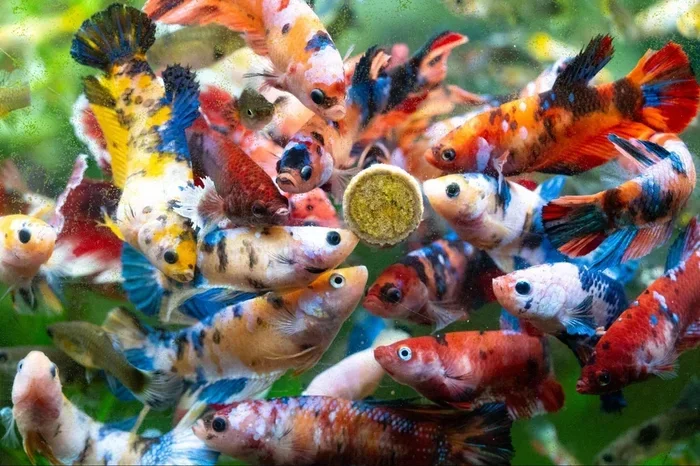
Knowing what to feed betta fish when out of food is essential for every betta owner. This guide covers safe emergency food options, including human foods, live alternatives, and proper feeding strategies to keep your betta healthy and happy.
Key Takeaways
- Safe emergency foods: Cooked peas, bloodworms, and brine shrimp can replace commercial food temporarily.
- Human food options: Certain kitchen staples like boiled egg and spinach are safe for short-term use.
- Live food benefits: Live and frozen foods provide excellent nutrition and stimulate natural hunting behavior.
- Fasting is okay: Betta fish can safely go 2-3 days without food in most cases.
- Avoid harmful foods: Citrus, raw vegetables, and processed human foods are dangerous for bettas.
- Gradual transition: Always reintroduce commercial food slowly after an emergency feeding period.
📑 Table of Contents
- What to Feed Betta Fish When Out of Food
- Why Running Out of Food Happens
- Safe Emergency Foods for Betta Fish
- What to Avoid Feeding Your Betta
- How Long Can Betta Fish Go Without Food
- Creating an Emergency Feeding Plan
- Betta Fish Nutrition Basics
- Expert Tips for Feeding Betta Fish During Food Shortages
- Conclusion
What to Feed Betta Fish When Out of Food
You just realized you ran out of betta fish food. Panic sets in. Your beautiful betta is swimming near the surface, looking hungry, and you have nothing to offer. Take a deep breath. What to feed betta fish when out of food is a common concern, and the good news is there are plenty of safe alternatives you can find right in your kitchen or local pet store.
Betta fish are hardy creatures, but they still need proper nutrition daily. Whether you forgot to restock, your local store is closed, or you want to treat your fish to something special, this guide has you covered. We will walk you through every safe option, common mistakes to avoid, and expert tips to keep your betta thriving even when commercial food runs out.
By the end, you will feel confident handling any feeding emergency like a pro. Let us dive in.
Why Running Out of Food Happens
Before we get into solutions, let us talk about why this situation occurs more often than you think.
- Busy schedules: Life gets hectic. Restocking fish food is the last thing on your mind.
- Store closures: Holidays and weekends mean pet stores may be unavailable.
- Shipping delays: Online orders do not always arrive on time.
- New fish owners: Beginners may not know how much food their betta needs per week.
Whatever the reason, it is not a crisis. Bettas can survive a short period without commercial food. The key is knowing what safe alternatives to offer. For more details on routine feeding schedules, check out our guide on when to feed your betta fish for helpful timing tips.
Safe Emergency Foods for Betta Fish
When your regular betta pellets or flakes are gone, several household and natural options make excellent temporary meals. These alternatives are packed with protein and nutrients that bettas need to stay healthy.
Live and Frozen Foods
Live and frozen foods are some of the best replacements for commercial betta food. These closely mimic what bettas would eat in the wild. They are rich in protein and stimulate your fish’s natural hunting instincts.
- Bloodworms: A top favorite among betta owners. Frozen bloodworms are widely available and packed with protein.
- Brine shrimp: Another excellent option. You can buy frozen brine shrimp and thaw a small amount before feeding.
- Daphnia: Also called water fleas, these are great for digestion and make a protein-rich treat.
- Mosquito larvae: If you have a safe outdoor container, you can culture these at home.
For a full breakdown of the best live food choices, read our detailed article on what live food to feed betta fish. It covers everything from sourcing to feeding amounts.
Kitchen Staples That Are Safe
Your kitchen may already have what your betta needs. Here are some human foods that are safe for bettas in small amounts.
- Cooked peas: Remove the skin and mash them lightly. Peas are great for digestion and help prevent bloating.
- Boiled egg: A tiny piece of scrambled or hard-boiled egg offers excellent protein.
- Spinach: Blanch briefly and offer a small piece. Spinach provides vitamins and minerals.
- Corn: Softened canned corn, lightly mashed, is another safe option.
For more creative kitchen ideas, our article on can you feed your betta fish human food explores this topic in depth with plenty of safe and unsafe examples.
What to Avoid Feeding Your Betta
Just as important as knowing what to feed is knowing what not to feed. Some common foods can seriously harm your betta fish.
Dangerous Human Foods
Stay far away from these items:
- Citrus fruits: Oranges, lemons, and limes are acidic and can damage your betta’s internal system.
- Raw vegetables: Raw carrots, lettuce, and cucumbers are hard for bettas to digest.
- Processed foods: Chips, bread, and cooked human meals contain salt, sugar, and preservatives that are toxic to fish.
- Dairy products: Milk, cheese, and yogurt are not suitable for fish digestion.
- Chocolate and sweets: These contain theobromine and sugar, both harmful to aquatic life.
Common Feeding Mistakes
Even with safe foods, mistakes can happen. Here are pitfalls to watch out for:
- Overfeeding: Bettas have tiny stomachs. Offer only what they can eat in two minutes.
- Feeding only one food type: Variety is important for balanced nutrition. Rotate between options.
- Ignoring fasting days: Skipping a day of feeding once a week is healthy and prevents bloating.
- Using expired food: Old or rancid food can introduce harmful bacteria into the tank.
For more on feeding quantities and schedules, our guide on how much food to feed betta fish is an excellent resource to prevent overfeeding issues.
How Long Can Betta Fish Go Without Food
One of the biggest concerns for betta owners is starvation. The good news is that betta fish can generally go 2 to 3 days without food without any serious harm. Some experienced keepers report their bettas surviving up to a week, but this is not recommended as a regular practice.
Here is a quick reference:
- 1-2 days: Completely safe. Your betta will be perfectly fine.
- 3 days: Still manageable for most healthy adult bettas.
- 4-7 days: Stressful for the fish. Only do this in emergencies and offer water changes.
- Beyond 7 days: Risky. Your betta may experience malnutrition and weakness.
Keep in mind that younger bettas and betta fry cannot go long without food. They need more frequent feedings due to their fast metabolism. If you are dealing with a young betta, our article on what to feed baby betta fish offers age-appropriate feeding guidance.
Creating an Emergency Feeding Plan
Being prepared is the best way to handle a food shortage. Here is how to build a simple emergency feeding plan for your betta.
Stock Up on Backup Options
Keep a small supply of these items at home:
- Frozen bloodworms or brine shrimp
- A bag of dried bloodworms (long shelf life)
- Frozen peas (for emergencies)
- A tube of freeze-dried tubifex worms
These items last a long time and can bridge the gap until you restock your betta-specific food. You can also find many of these at grocery stores with seafood sections or online pet retailers.
Emergency Feeding Schedule
When you run out of commercial food, follow this simple schedule:
- Day 1: Offer a small portion of frozen bloodworms or brine shrimp. Thaw slightly and feed 2-3 pieces.
- Day 2: Try a tiny piece of cooked pea or a pinch of scrambled egg.
- Day 3: If you still have no commercial food, repeat Day 1 options. Your betta should be fine.
- Day 4: Restock and gradually reintroduce regular betta pellets or flakes.
Remember to thaw frozen foods completely and never feed directly from the freezer. Cold food can shock your betta’s digestive system. Always let it reach room temperature first.
Betta Fish Nutrition Basics
Understanding what your betta needs nutritionally helps you make better food choices during emergencies. Bettas are obligate carnivores, meaning their diet should be primarily protein-based.
Essential Nutrients
Here are the key nutrients your betta needs:
- Protein: Should make up at least 40-50% of the diet. Found in worms, insects, and shrimp.
- Fat: Essential for energy and healthy fins. Fish oils and insect fats are great sources.
- Amino acids: These building blocks of protein support growth and cell repair.
- Vitamins: Particularly vitamin A, vitamin D, and B-complex vitamins for immune health.
- Minerals: Calcium and phosphorus support bone and scale health.
A well-balanced betta diet includes a mix of pellets, frozen foods, and occasional treats. Commercial betta foods are formulated to hit these nutritional targets, which is why they should be your primary food source. Emergency alternatives are just that, emergency options, not long-term replacements.
Expert Tips for Feeding Betta Fish During Food Shortages
Here are some professional insights to help you navigate feeding emergencies with confidence.
Tip 1: Observe Your Fish
Watch your betta’s behavior closely. If your fish is still active and responsive after a couple of days without food, you are in good shape. Lethargy, clamped fins, or gasping at the surface may indicate other health issues beyond hunger.
Tip 2: Do Not Overcompensate
When you finally get food again, resist the urge to double up on portions. Your betta has been fine with less. Resume normal feeding amounts gradually over two or three days.
Tip 3: Keep the Water Clean
Uneaten emergency food can foul your tank water quickly. Remove any leftover food after a few minutes. A clean environment supports your betta’s immune system during stressful periods.
Tip 4: Diversify Over Time
Once your regular food is back, consider adding variety with frozen or live foods a few times a week. This mimics a betta’s natural diet and keeps them engaged. A mix of high-quality pellets and frozen bloodworms twice a week is a popular routine among experienced hobbyists.
Conclusion
Running out of betta fish food does not have to be a stressful event. Now you know what to feed betta fish when out of food, from frozen bloodworms and brine shrimp to cooked peas and scrambled eggs. You also know how long your betta can safely go without eating and how to create a simple emergency plan.
The most important takeaway is preparation. Keep a small backup supply of frozen or freeze-dried foods at all times. Your betta deserves consistent, quality nutrition, and with these tips, you are fully equipped to provide it even on the busiest days.
Stay calm, feed safely, and enjoy watching your betta thrive. You have got this.
Frequently Asked Questions
Can I feed my betta fish raw meat from the kitchen?
No, raw meat like raw chicken or beef is not safe for betta fish. These proteins contain bacteria and fats that a betta’s digestive system cannot process. Stick to cooked egg or marine-based proteins like bloodworms instead.
How long can a betta fish survive without food?
A healthy adult betta fish can survive 2 to 3 days without food comfortably. Going beyond a week is risky and can lead to malnutrition. Young bettas and betta fry should never go more than a day without eating.
Are freeze-dried foods a good emergency option?
Yes, freeze-dried foods like bloodworms and tubifex worms are excellent emergency options. They have a long shelf life and provide solid nutrition. Just make sure to soak them briefly in tank water before feeding to prevent bloating.
Can I feed my betta fish flakes meant for tropical fish?
In a pinch, yes, but only for a day or two. Tropical fish flakes lack the high protein content bettas need. They are not a proper long-term replacement for betta-specific food and may lead to nutritional gaps over time.
Is it okay to skip feeding my betta for one day?
Absolutely. Skipping one day of feeding is perfectly safe and even beneficial. It gives your betta’s digestive system a rest and helps prevent overfeeding and bloating. Many experienced keepers fast their bettas once a week intentionally.
What is the best overall emergency food for betta fish?
Frozen bloodworms are widely considered the best emergency food. They are close to a betta’s natural diet, packed with protein, and most pet stores carry them. Frozen brine shrimp is another top choice. Both are easy to thaw and serve in small portions.