Are Betta Fish Hard to Care For

Are betta fish hard to care for? The short answer is no — they are surprisingly low-maintenance pets that thrive with basic attention and a proper setup. With the right tank conditions, a simple feeding routine, and regular water changes, keeping a betta fish healthy and happy is well within reach for both beginners and experienced aquarists alike. This guide breaks down everything you need to know about betta fish care so you can confidently welcome one into your home.
Key Takeaways
- Betta fish are easier than you think: simple care routines keep them healthy.
- Warm water is non-negotiable: maintain 78-80°F for optimal betta health.
- Filtration prevents deadly ammonia spikes: use a gentle sponge filter.
- Feed small amounts twice daily: overfeeding causes bloating and dirty water.
- A 5-gallon tank is the minimum: bettas need space to thrive.
- Avoid aggressive tank mates: bettas are solitary and can be territorial.
- Regular water changes prevent disease: replace 25% weekly for a healthy environment.
📑 Table of Contents
What Makes Betta Fish Care a Bit Tricky
So you are thinking about getting a betta fish. Maybe you have seen those gorgeous flowing fins in a pet store and fell in love. Before you bring one home, you probably want to know the truth. Are betta fish hard to care for? The honest answer is that they are not the easiest fish out there, but they are far from impossible. With the right setup and a little knowledge, you can keep your betta happy and healthy for years.
Many people think betta fish are low-maintenance because they are small. That is a common misunderstanding. These beautiful creatures have specific needs. If you ignore those needs, your betta can get sick fast. But if you learn what they require, the daily routine becomes second nature. This guide breaks down everything you need to know about betta fish care so you can make an informed decision.
Think of it this way. A betta fish is like a houseplant that needs the right light, the right soil, and the right water. Skip one key element and things go downhill quickly. The good news? You do not need a massive aquarium or expensive equipment. You just need to pay attention. Let us dive into what really goes into keeping a betta fish comfortable and thriving.
The Real Needs of a Betta Fish
To understand why some people struggle with betta care, you need to look at what these fish actually need in their environment. Bettas are tropical fish. That means they care a lot about water temperature, water quality, and space. Let us break down each requirement so you know exactly what you are working with.
Water Temperature and Heating
Bettas love warm water. Their ideal water temperature sits between 76 and 82 degrees Fahrenheit. If the water drops below 74 degrees, your betta gets sluggish and more prone to disease. Room temperature water is usually not warm enough on its own. This means you will likely need an aquarium heater for your betta tank.
Some owners try to skip the heater and just hope for the best. That is risky. Temperature swings stress bettas out. A stressed betta has a weaker immune system. Invest in a small adjustable heater. It is one of the most important purchases you will make for your betta fish habitat.
Tank Size and Setup
Here is another myth that needs to die. Bettas do not thrive in tiny bowls. A betta tank should be at least 5 gallons. Larger is always better. A bigger tank gives your betta room to swim and explore. It also keeps water parameters more stable, which is a huge plus for betta fish health.
You will also want to add some decorations. Bettas love having places to rest and explore. Live or silk plants work great. Avoid plastic plants with sharp edges. They can tear those delicate fins. A gentle filter and a soft substrate round out a solid betta fish tank setup.
Feeding Your Betta Properly
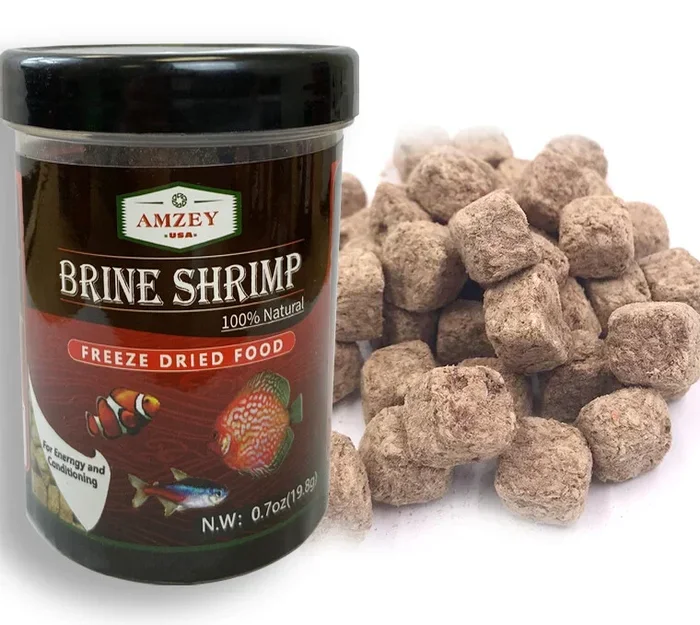
Feeding is simpler than you might think, but there are still pitfalls. Bettas are carnivores. They need protein-rich food. High-quality pellets made specifically for bettas should be the staple. You can supplement with frozen or live foods like bloodworms and brine shrimp occasionally.
Overfeeding is one of the biggest mistakes new owners make. Betta fish food should be given in small amounts once or twice a day. A good rule is to feed only what your betta can finish in about two minutes. Leftover food rots in the water and tanks the quality fast. This leads to messy water changes and unhappy fish.
Common Mistakes New Betta Owners Make
Even well-meaning owners can trip up. Most problems come from a lack of information rather than a lack of care. Here are the most frequent errors people make when they first start with betta splendens.
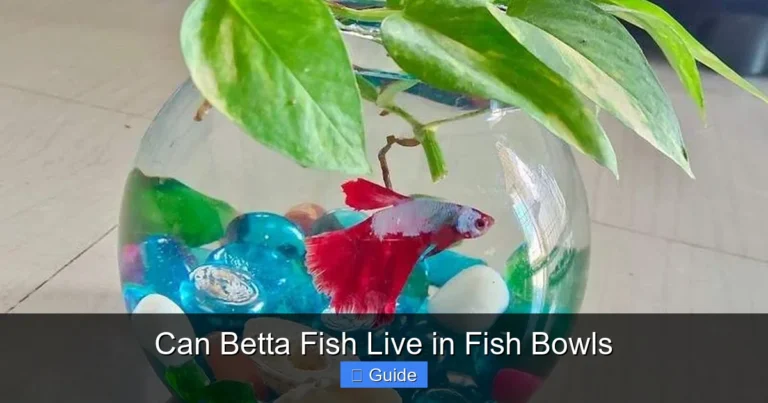
- Using a bowl instead of a tank. Bowls are too small to heat properly and offer no room to swim. They also make water quality nearly impossible to manage.
- Skipping the heater. As mentioned, cold water is a death sentence for long-term betta health. Do not skip this step.
- Overcrowding the tank. Bettas can be territorial. Housing them with aggressive tank mates leads to fin nipping and stress. If you want companions, choose carefully and research tank mates thoroughly.
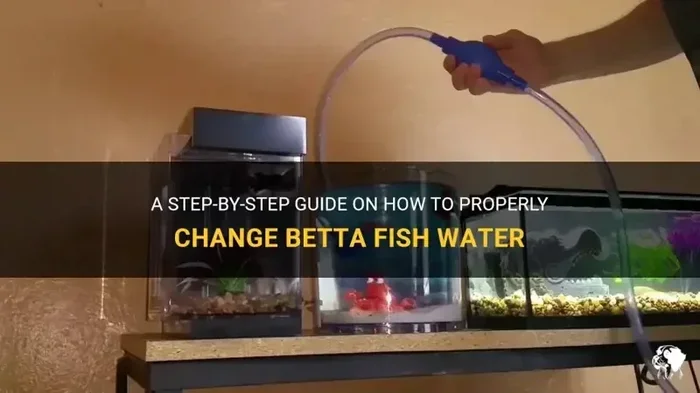
- Neglecting water changes. Even with a good filter, you need to do regular water changes. Aim for 25 to 50 percent of the water every week. This removes toxins that build up over time.
- Buying from a fish store with poor conditions. Always inspect the fish before buying. A betta kept in dirty water at the store is already stressed and more likely to develop betta fish diseases at home.
Avoiding these mistakes makes a world of difference. Most new betta owners who struggle are actually dealing with preventable issues. Once you fix the root cause, your fish often bounces back quickly.
How to Make Betta Fish Care Easier
The good news is that betta fish care does not have to be complicated. With a smart setup from the start, most of the daily work takes just a few minutes. Here is how to simplify the process.
Start With a Proper Tank
Set up at least a 5-gallon tank before you bring your betta home. Cycle the tank first. This means letting beneficial bacteria build up so the tank can process waste. You can speed this up with bottled bacteria starters. A cycled tank is a stable tank. Stability is the key to low-maintenance betta fish care.
Invest in a Good Filter
Not all filters are created equal, though. Some are too strong for bettas and create currents those little fins are not built for. Look for a gentle sponge filter or a filter with an adjustable flow rate. You want clean water without a river in your tank. If you are unsure about equipment choices, this helpful resource on whether filters are safe for betta fish breaks down exactly what to look for and what to avoid.
Add Live Plants
Live plants do more than look pretty. They absorb toxins, produce oxygen, and give your betta hiding spots. Plants like java fern, anubias, and peace lilies work well in betta tanks. They are hardy and do not require intense lighting. Live plants actually make your job easier by helping keep the water clean naturally.
Keep a Simple Routine
Once your tank is established, daily care becomes quick. Here is a basic routine:
- Feed your betta small amounts of food once or twice a day.
- Check the water temperature to make sure the heater is working.
- Look at your betta for any signs of disease or stress.
- Do a partial water change once a week.
- Clean the filter media in tank water (never tap water) once a month.
This routine takes less than ten minutes a day. The key is consistency. A little regular effort prevents big problems down the road. If you want deeper guidance on daily care steps, check out this detailed guide on how to care for betta fish for step-by-step advice from experienced hobbyists.
How Betta Fish Compare to Other Species
People often ask how hard bettas are compared to other popular fish. Let us put things in perspective with a quick comparison.
| Factor | Betta Fish | Goldfish | Neon Tetra |
|---|---|---|---|
| Minimum Tank Size | 5 gallons | 20+ gallons | 10+ gallons |
| Heating Needed | Yes | No | Yes |
| Water Sensitivity | Moderate | High (waste producers) | High (sensitive to changes) |
| Tank Mate Risk | Moderate | Low | Low |
| Overall Difficulty | Moderate | Moderate | Moderate to Hard |
As you can see, bettas land right in the middle. They are harder than some beginner species but easier than many tropical community fish. Their unique labyrinth organ, which lets them breathe air from the surface, gives them a survival edge. But that does not mean you can ignore water quality. Betta fish lifespan averages 3 to 5 years with proper care. Some even reach 7 years. That is a long time to enjoy your fish, and it is well worth the effort.
Understanding Betta Behavior and Health
One of the best ways to manage betta fish care is to learn what normal behavior looks like. A healthy betta is active, curious, and responsive. It swims freely, shows interest in food, and displays vibrant colors. When something is off, your betta will usually show clear signs.
Signs of a Healthy Betta
- Bright, vivid colors and full, flowing fins
- Active swimming and exploration
- Regular eating habits
- Erect fins held naturally (not clamped)
- Clear eyes and smooth scales
Warning Signs to Watch For
- Clamped fins held close to the body
- Loss of color or pale patches
- Labored breathing or gasping at the surface
- Loss of appetite or lethargy
- White spots, rashes, or torn fins
If you spot any of those warning signs, act fast. The sooner you address a problem, the better the outcome. Many betta fish diseases like ich, fin rot, or velvet are treatable if caught early. Partial water changes, adjusted temperature, and appropriate medication usually do the trick. If you are ever unsure, a quick search on how to care for sick betta fish gives you practical steps to take right away.
Understanding betta fish behavior also helps you spot stress early. A betta hiding constantly or flaring at its own reflection all day is not living its best life. Adjust the tank layout, reduce reflections, or reassess tank mates to ease the stress. Small changes make a big impact on your fish’s well-being.
Final Thoughts on Betta Fish Care
So are betta fish hard to care for? They require more attention than a simple goldfish bowl setup, but they are not overly demanding once you know what you are doing. The real challenge is not the daily routine. It is setting up the right environment from the start. A proper heated tank, gentle filter, appropriate food, and regular maintenance make betta fish care manageable for almost anyone.
Do not let the myths scare you away from these amazing fish. Bettas are full of personality. They recognize their owners, learn feeding routines, and even do little dances when you approach the tank. With a little effort and a lot of love, your betta can thrive for years. Start with the basics, stay consistent, and enjoy watching your beautiful betta splendens flourish in its home.
Frequently Asked Questions
Are betta fish hard to care for?
Betta fish are actually quite easy to care for, which is why they are so popular among beginners. They are hardy, adaptable, and can thrive in a properly maintained tank. With basic knowledge and a simple routine, keeping a betta healthy is very manageable.
What do betta fish need to stay healthy?
A heated tank of at least 5 gallons, a gentle filter, and a consistent feeding schedule are the essentials. Bettas also appreciate hiding spots and live or silk plants to feel secure. Keeping the water clean and warm goes a long way in preventing common health issues.
Can beginners successfully keep betta fish?
Absolutely, bettas are one of the best fish for beginners because they tolerate minor setup mistakes better than many other species. New owners just need to learn the basics of water temperature and tank cycling. Starting with a simple, cycled tank sets both you and your betta up for success.
How often do you need to clean a betta fish tank?
Partial water changes of about 25-30 percent should be done once a week to maintain good water quality. You should also vacuum the substrate to remove waste and leftover food. Full tank cleanings are rarely needed and can actually stress your betta if done too often.
What are common mistakes people make when caring for bettas?
One of the biggest mistakes is keeping a betta in too small a tank or an unfiltered bowl without a heater. Overfeeding is another common error that leads to poor water quality and health problems. Many people also skip tank cycling, which can cause dangerous ammonia spikes.
Do betta fish need a heater in their tank?
Yes, bettas need a heater to maintain a stable temperature between 76 and 82 degrees Fahrenheit. Without consistent warmth, bettas become stressed and more prone to illness. A small adjustable heater designed for 5-gallon tanks works perfectly for most setups.