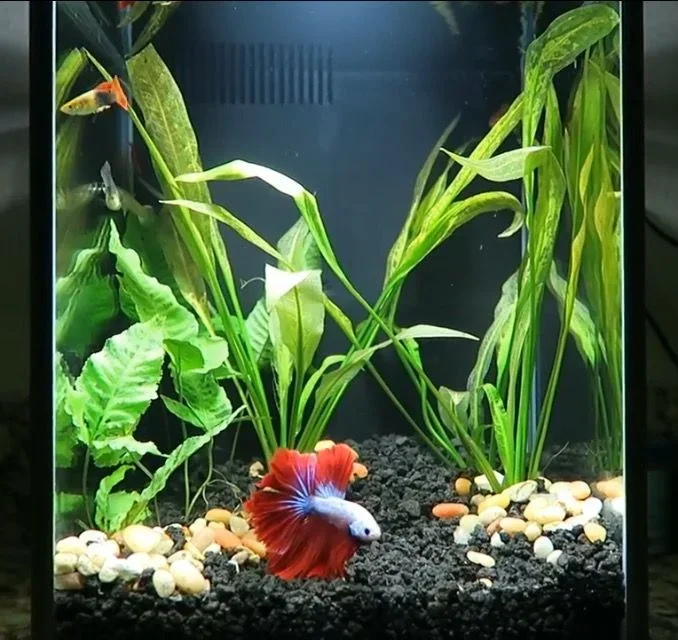
Are Bettas Solitary Fish

So, are bettas solitary fish? The answer is more nuanced than you might think. Bettas can live alone, but they also have social needs that many owners overlook. Understanding your betta’s behavior helps you give them the best life possible.
Are bettas solitary fish? If you have a betta or are thinking about getting one, this is probably a question you’ve wondered about. The short answer is: it depends. Bettas can live alone just fine, but that doesn’t mean they always want to be by themselves.
Betta fish are often sold as “loners.” Pet stores put them in small cups and tell you they need nothing else. But the truth is much more interesting. Bettas have personalities, preferences, and social needs that go beyond what most people realize.
In this guide, we’ll explore are bettas solitary fish in detail. You’ll learn about betta behavior, what keeps them happy, and whether adding tank mates is a good idea. By the end, you’ll know exactly how to care for your betta the right way.
Key Takeaways
- Bettas can live alone: They don’t strictly need tank mates to survive, but they do benefit from proper enrichment.
- Personality varies: Some bettas are social and curious, while others prefer to be left alone.
- Tank setup matters: A well-planted tank reduces stress and keeps solitary bettas happy.
- Female bettas can coexist: Under the right conditions, groups of female bettas can live together.
- Not all fish are safe companions: Choosing the right tank mates requires careful research.
- Loneliness is real: Bettas can show signs of boredom and stress when kept in bare tanks.
📑 Table of Contents
What Does It Mean for a Fish to Be Solitary?
Before we dive deeper into are bettas solitary fish, let’s clarify what “solitary” actually means in the fish world. A solitary fish is one that naturally lives alone in the wild. These fish don’t form schools or groups. They prefer to mind their own business and defend their territory.
But here’s the catch. Being solitary doesn’t mean a fish is lonely. It just means they don’t need other fish of their kind to survive. Many solitary fish still enjoy enrichment, exploration, and interaction with their environment.
Solitary vs. Social Fish
Fish generally fall into two categories. Social fish like neon tetras swim in schools of dozens or even hundreds. They feel safe and active when they’re in a group. Solitary fish like bettas, on the other hand, do just fine on their own.
However, being a solitary species doesn’t mean a fish can’t benefit from certain tank companions. It just means they don’t require them. This distinction is key when answering are bettas solitary fish.
Understanding Betta Behavior
Bettas are fascinating creatures. Each one has its own personality. Some bettas are bold and curious. They swim to the front of the tank and watch you. Others are shy and hide behind plants. Understanding this behavior helps you figure out whether your betta is truly solitary or just cautious.
Are Bettas Social Creatures?
Here’s something that surprises many fish owners. Bettas are not completely antisocial. In fact, are bettas a social fish or aloof is a common question among keepers. The answer varies from fish to fish.
Some bettas enjoy the presence of other fish. They may even build bubble nests more actively when they feel secure. Others become stressed and aggressive if another fish enters their space. It all comes down to individual temperament.
In the wild, bettas live in shallow rice paddies and slow-moving streams. They don’t always have other bettas around, but they share their environment with other species. This tells us they aren’t strictly solitary in every sense of the word.
Signs Your Betta Is Lonely or Stressed
How do you know if your betta is unhappy being alone? Watch for these signs:
- Lethargy: Your betta barely moves and stays at the bottom of the tank.
- Loss of color: A vibrant betta that starts looking pale may be stressed.
- Refusing food: Bettas are usually eager eaters. If yours ignores food, something is wrong.
- Glass surfing: Swimming repeatedly against the tank walls can signal boredom.
- Hiding constantly: While bettas like hiding spots, staying hidden all the time is a red flag.
If you notice these behaviors, it doesn’t automatically mean your betta needs a companion. Often, improving the tank setup does the trick. Adding plants, caves, and open swimming space can make a huge difference.
Can Bettas Live Alone?
The straightforward answer to are bettas solitary fish is yes, they can. Bettas do not need another betta or any other fish to survive. In fact, keeping a betta alone is the safest option in many situations. Male bettas, especially, should never be housed together. They will fight, and the results can be deadly.
The Case for Keeping Bettas Alone
There are plenty of good reasons to keep a betta by itself:
- No aggression risks: You avoid fights and injuries entirely.
- Easier water management: Fewer fish means simpler tank maintenance.
- Full control over diet: You know exactly how much food your betta is getting.
- No compatibility headaches: You don’t have to worry about whether tank mates will get along.
Many betta owners keep their fish happily alone for years. A well-set-up tank with plenty of enrichment makes a solo betta just as happy as one with companions.
When Keeping a Betta Alone Works Best
Keeping a betta alone is ideal in these situations:
- You have a small tank (under 10 gallons).
- Your betta shows aggressive behavior toward other fish.
- You’re a beginner and still learning the ropes of fishkeeping.
- Your betta is older and less active.
In all these cases, a single betta in a properly decorated tank can thrive. The key is making the environment stimulating enough to keep your fish engaged.
When Bettas Do Well With Tank Mates
Now here’s where things get interesting. While bettas can live alone, many of them do well with the right tank mates. So are bettas solitary fish if they get along with others? The answer is still yes, but with a caveat. Bettas are solitary by nature, but they can coexist peacefully under the right conditions.
Choosing tank mates for a betta requires careful thought. Not every fish gets along with a betta. The wrong combination can lead to stress, injury, or even death.
Best Tank Mates for Bettas
Some fish and creatures make excellent companions for bettas. Here are some options that work well:
- Corydoras catfish: These small bottom-dwellers stay out of a betta’s way and add activity to the tank.
- Ghost shrimp: Inexpensive and peaceful, ghost shrimp make great tank mates.
- Amano shrimp: These algae-eating shrimp are hardy and generally ignored by bettas.
- Snails: Nerite snails and mystery snails are peaceful and help keep the tank clean.
- Small schooling fish: Fish like ember tetras can work if the tank is large enough.
Always monitor your betta when introducing new tank mates. Watch for flaring, chasing, or nipping. If your betta shows aggression, separate the fish immediately.
What About Female Bettas?
Female bettas behave differently from males. A group of female bettas, often called a “sorority,” can sometimes live together peacefully. However, this requires a large tank (at least 20 gallons) and careful setup. Are female bettas okay with other fish? Yes, but it takes planning and experience.
A sorority setup works best when you have at least five or six females. This distributes aggression and prevents any single fish from being targeted. Plenty of hiding spots and plants are essential for success.
If you’re considering keeping female bettas together, start by researching thoroughly. The are bettas community fish question is more complex for females than it is for males.
Common Mistakes When Housing Bettas
Many betta owners make mistakes when deciding whether to keep their fish alone or with others. Here are some of the most common errors:
Overcrowding the Tank
One of the biggest mistakes is putting too many fish in a small tank. Bettas need space. A tank under 5 gallons is too small for any tank mates. Even in larger tanks, overstocking leads to poor water quality and stress.
Ignoring Temperament
Not all bettas are the same. Some are calm and peaceful. Others are aggressive and territorial. Choosing tank mates without considering your betta’s personality is a recipe for disaster.
Skipping the Quarantine
New fish can carry diseases. Always quarantine new arrivals before adding them to your betta’s tank. This protects both your betta and the new fish.
Assuming All Betta Care Guides Are the Same
Every betta is different. What works for one fish might not work for another. Pay attention to your individual betta’s needs and adjust accordingly.
Expert Tips for Keeping a Happy Solo Betta
If you decide to keep your betta alone, here’s how to make sure they live their best life:
- Use a tank of at least 5 gallons. Larger is always better. A 10-gallon tank gives your betta room to swim and explore.
- Add live plants. Plants like java fern, anubias, and amazon sword create a natural, stimulating environment.
- Include hiding spots. Caves, driftwood, and coconut shells give your betta places to retreat and feel safe.
- Keep the water clean. Regular water changes and a good filter are essential for betta health.
- Provide mental stimulation. Betta hammocks, floating plants, and gentle water flow keep your fish engaged.
- Feed a varied diet. High-quality pellets, frozen bloodworms, and brine shrimp keep your betta healthy and interested during feeding time.
A well-decorated solo tank can be just as enriching as a community setup. The goal is to make your betta feel secure and stimulated every day.
So, Are Bettas Solitary Fish?
The answer to are bettas solitary fish comes down to this: bettas are naturally solitary, but they are not necessarily lonely. They can live happy, healthy lives on their own when given the right environment. At the same time, many bettas enjoy the company of compatible tank mates when those companions are chosen carefully.
There is no one-size-fits-all answer. Every betta is an individual with its own preferences. The best thing you can do is observe your fish, provide a great habitat, and adjust your approach based on what your betta needs.
Whether your betta lives alone or with companions, the most important thing is that it feels safe, healthy, and stimulated. A happy betta is a beautiful betta, and that’s what we all want.
Remember, the question are bettas solitary fish is really about understanding your fish as an individual. Give your betta the attention and care it deserves, and you’ll have a rewarding relationship for years to come.
Frequently Asked Questions
Are bettas happier alone or with tank mates?
It depends on the individual betta. Some bettas thrive alone in a well-decorated tank, while others enjoy the company of peaceful tank mates. Watch your betta’s behavior to determine what makes it happiest.
Can a betta live in a fishbowl by itself?
Technically yes, but a fishbowl is not ideal. Bettas need at least 5 gallons of water with a filter and heater. A fishbowl is too small to maintain stable water conditions and lacks space for enrichment.
Do male bettas get lonely without other fish?
Male bettas are territorial and often do better alone. They don’t experience loneliness the way mammals do. A properly set up tank with plants and hiding spots keeps a solo male betta content.
What happens if you put two male bettas together?
Two male bettas will fight aggressively, often to the death. They cannot be housed together in the same tank. Always keep male bettas separated to prevent serious injury or fatalities.
Are betta fish solitary by nature or can they be social?
Bettas are solitary by nature, meaning they don’t need other bettas to survive. However, they can display social behavior with compatible tank mates. Each betta has its own personality that influences how social it wants to be.
How do I know if my betta needs a companion?
Look for signs of stress like lethargy, loss of color, or glass surfing. If your betta shows these signs, improving the tank environment may help more than adding a companion. Consult a vet or experienced fish keeper if problems persist.