Are Betta Fish Domesticated

So, are betta fish domesticated? The short answer is yes — betta fish have been selectively bred for centuries, making them one of the oldest domesticated aquarium fish. Wild bettas look and behave very differently from the colorful pets you see in stores today. Domestication has changed their appearance, temperament, and even their care needs.
Key Takeaways
- Betta fish are domesticated: They have been selectively bred for hundreds of years, primarily in Southeast Asia.
- Wild bettas look different: Wild betta fish are dull-colored and much smaller than the vibrant varieties seen in pet stores.
- Selective breeding changed everything: Breeding for color, fin length, and temperament created the betta fish varieties we know today.
- Domestication affects behavior: Captive bettas may act differently from wild bettas, including reduced aggression in some lines.
- Care requirements differ: Domesticated bettas need specific tank conditions, proper diet, and attentive care to thrive.
- Understanding origins helps owners: Knowing the history of betta fish domestication leads to better care and appreciation.
📑 Table of Contents
- Are Betta Fish Domesticated? The Full Story Behind Your Pet
- The Wild Origins of Betta Fish
- A Brief History of Betta Fish Domestication
- How Selective Breeding Changed Betta Fish
- Domestication and Betta Fish Behavior
- Domesticated Betta Fish Care Needs
- Wild Betta Fish vs. Domesticated Betta Fish
- The Future of Betta Fish Domestication
- Conclusion
Are Betta Fish Domesticated? The Full Story Behind Your Pet
If you own a betta fish or are thinking about getting one, you might wonder about their history. Are betta fish domesticated? The answer is a clear yes. Betta fish have been kept by humans for hundreds of years. But what does that really mean? And how did these small, colorful fish go from rice paddies in Thailand to aquariums around the world?
Understanding whether betta fish are domesticated helps you care for them better. It also gives you a deeper appreciation for these amazing creatures. In this guide, we will explore the full story of betta fish domestication. You will learn about their wild ancestors, how selective breeding shaped them, and what all of this means for fish owners today.
Domestication is a big word. It simply means that humans have bred animals over many generations to have certain traits. Dogs, cats, and cattle are all domesticated. Betta fish are domesticated too, but in a slightly different way. Their domestication happened through careful breeding for beauty and fighting ability. This process changed their looks, behavior, and even their lifespan.
The Wild Origins of Betta Fish
Before we talk about domestication, we need to understand where betta fish come from. Wild betta fish live in shallow waters across Southeast Asia. You can find them in Thailand, Cambodia, Vietnam, and Malaysia. They naturally inhabit rice paddies, slow-moving streams, and warm ponds.
Wild bettas are quite different from the fish you see in pet stores. They have short, dull-colored fins. Their colors are usually greens, browns, and grays. This camouflage helps them hide from predators in the wild. Wild bettas are also smaller, typically measuring about 2 to 2.5 inches long.
In their natural habitat, wild bettas are territorial. Males especially will fight other males to protect their space. This natural aggression is actually where the name “Siamese fighting fish” comes from. People in the region have observed and even encouraged this behavior for centuries.
How Wild Betta Fish Survive
Wild bettas have special adaptations that help them survive. They have a unique organ called the labyrinth organ. This allows them to breathe air directly from the surface. This is why they can live in warm, oxygen-poor waters where other fish cannot survive.
Because of this adaptation, wild bettas are incredibly resilient. They can survive in very small amounts of water. However, this does not mean they thrive in tiny bowls. Even wild bettas need a healthy environment to live their best life.
Understanding the wild origins of bettas is important when you ask, “Are betta fish domesticated?” It shows you that domestication did not erase their natural instincts. Even captive-bred bettas still carry the DNA of their wild ancestors.
A Brief History of Betta Fish Domestication
The domestication of betta fish started long ago. People in Siam (now Thailand) began keeping bettas for fighting as early as the 1800s. These early bettas were not the beautiful fish we know today. They were bred for aggression and fighting ability, not for looks.
Over time, people started to notice the beauty of betta fish. They began breeding them for color and fin shape instead of fighting ability. This shift marked the real beginning of betta fish domestication as we know it today.
From Fighting Fish to Fancy Pets
The transition from fighting fish to ornamental pets happened gradually. By the early 1900s, people in Thailand were showing off their colorful bettas at local fairs. These fish had brighter colors and longer fins than their wild counterparts.
Eventually, betta fish made their way to Europe and North America. The vibrant colors and flowing fins of domesticated bettas quickly made them popular. Today, bettas are one of the most popular aquarium fish in the world.
So when you ask, are betta fish domesticated, remember that their domestication journey is unique. It went from fighting to beauty to companionship. Each phase of domestication shaped the bettas we keep today.
How Selective Breeding Changed Betta Fish
Selective breeding is the heart of domestication. When humans choose which animals get to reproduce based on specific traits, that is selective breeding. For betta fish, this process created stunning varieties that do not exist in the wild.
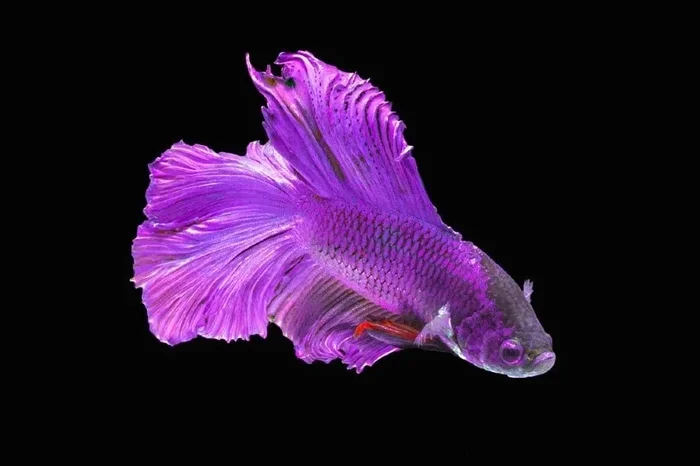
Breeders carefully select bettas with the best colors, longest fins, and calmest temperaments. Over many generations, these traits become stronger in the population. This is how you get the brilliant blues, reds, and purples of domesticated bettas.
There are now dozens of betta fish varieties. Some have half-moon tails. Others have crown-shaped fins or double tails. Each variety was created through years of careful selective breeding.
Popular Domesticated Betta Varieties
Here are some of the most popular varieties that exist because of domestication:
- Veil Tail: The most common variety. Known for its long, flowing tail that hangs down like a curtain.
- Half Moon: Has a tail that spreads out to a 180-degree angle. Very popular among hobbyists.
- Crowntail: Features spiky fins that look like a crown. A favorite for its unique appearance.
- Plakat: Closer to the wild betta look. Short fins and a more streamlined body.
- Double Tail: Has two separate tails instead of one. A rare and striking variety.
- Butterfly: Has a gradient of color that fades from the body to the fins.
Many of these varieties simply would not exist without domestication. Each one represents generations of careful breeding decisions. If you want to explore the full range of betta types, check out our guide on are there different kinds of betta fish to learn more about the diversity created through domestication.
Domestication and Betta Fish Behavior
One of the most interesting effects of domestication is on behavior. Wild betta fish are highly aggressive, especially males. They will fight fiercely to defend their territory. This aggression is a survival mechanism in the wild.
Domestication has changed this behavior to some degree. Captive-bred bettas are often less aggressive than their wild cousins. Years of selective breeding for calm temperaments have softened their fighting instincts.
However, this does not mean domesticated bettas are completely peaceful. Males still need to be kept alone. Putting two male bettas in the same tank will almost always lead to fighting. Even the calmest domesticated male betta will attack another male.
Some breeders have specifically worked on creating bettas that are less aggressive. If you are curious about this, you can read about are there betta fish that don’t fight to learn more about breeding for temperament.
Female Betta Behavior
Female bettas behave differently from males. They are generally less aggressive and can sometimes live together in groups. This is called a sorority. However, even female bettas can show aggression, especially in small tanks.
Domestication has made female bettas more tolerant of tank mates than wild females. Still, each betta has its own personality. Some are shy, some are bold, and some are simply lazy. Understanding this helps you provide the best home for your fish.
You can learn more about male and female differences in our article on are there male and female betta fish.
Domesticated Betta Fish Care Needs
Because betta fish are domesticated, their care needs are specific. They have been bred in captivity for so long that they rely on their owners for everything. Unlike wild fish that adapt to changing conditions, domesticated bettas need consistent care.
A common mistake is keeping bettas in tiny bowls. While bettas can survive in small amounts of water, they thrive in larger tanks. A tank of at least 5 gallons is recommended for a single betta. This gives them room to swim and explore.
Water temperature is also crucial. Betta fish are tropical fish. They need warm water between 76 and 82 degrees Fahrenheit. A small heater can help maintain this temperature consistently.
Feeding Your Domesticated Betta
Domesticated bettas need a balanced diet. In the wild, they eat insects, larvae, and small crustaceans. In captivity, you can feed them high-quality betta pellets or flakes. You can also offer frozen or live foods as treats.
Feeding your betta the right amount matters a lot. Overfeeding can lead to health problems and dirty water. Most experts recommend feeding small amounts twice a day. If you are unsure about feeding schedules, you might find our article on are you supposed to feed betta fish everyday helpful.
Tank Setup for Domesticated Bettas
Setting up a proper tank is one of the most important things you can do. Here are some quick tips:
- Use a tank of at least 5 gallons.
- Add a gentle filter. Bettas do not like strong currents.
- Include plants or decorations for hiding spots.
- Keep the water temperature stable between 76 and 82 degrees Fahrenheit.
- Test the water regularly for ammonia and nitrite levels.
- Do partial water changes weekly to keep the water clean.
If you are wondering about filters, check out our guide on are water filters necessary for betta fish for detailed advice.
Wild Betta Fish vs. Domesticated Betta Fish
Comparing wild and domesticated bettas helps you understand the full picture of domestication. The differences are striking and tell the story of thousands of years of human influence.
| Trait | Wild Betta | Domesticated Betta |
|---|---|---|
| Color | Dull greens, browns, grays | Bright blues, reds, purples, and more |
| Fin Length | Short and practical | Long, flowing, and elaborate |
| Size | About 2 to 2.5 inches | 2 to 3 inches, sometimes larger |
| Temperament | Highly aggressive | Less aggressive (males still fight) |
| Lifespan | About 2 to 3 years | 3 to 5 years with good care |
| Habitat | Shallow, warm, stagnant waters | Tank with filtered, heated water |
As you can see, domestication has transformed betta fish in many ways. The vibrant colors and long fins that make bettas so popular are direct results of selective breeding. These traits would never survive in the wild because they make the fish more visible to predators.
This is also why domesticated bettas cannot simply be released into the wild. They lack the survival skills and natural camouflage of their wild ancestors. If you ever need to rehome your betta, always find it a proper new home.
The Future of Betta Fish Domestication
Betta fish domestication is still ongoing today. Breeders around the world continue to develop new colors, fin shapes, and patterns. The demand for unique and beautiful bettas drives this ongoing process.
However, there is growing awareness about ethical breeding practices. Responsible breeders focus on fish health and welfare, not just appearance. They work to avoid genetic health problems that can come from extreme selective breeding.
As a betta fish owner, you can support ethical practices. Buy your fish from reputable breeders or stores that prioritize fish health. Avoid supporting breeders who prioritize looks over welfare.
Understanding the domestication story also helps you appreciate your fish more. Every betta you see in a pet store carries centuries of human history in its genes. They are living pieces of a long and fascinating domestication journey.
Domesticated bettas bring joy to millions of people worldwide. With proper care and understanding, they can live happy, healthy lives in our homes. Knowing where they come from and how they got here makes the experience even more rewarding.
Remember, domestication does not mean a betta fish is low-maintenance. They still need proper tanks, clean water, good food, and attention. Treating your domesticated betta with care honors the long history that brought these beautiful fish into our lives.
Conclusion
So, are betta fish domesticated? Absolutely yes. Betta fish have been selectively bred by humans for centuries, transforming them from wild fighting fish into the stunning aquarium pets we love today. Their domestication has changed their appearance, behavior, and care needs in profound ways.
Understanding this history makes you a better betta owner. You now know why your betta looks so different from wild fish. You understand why males need to be kept separate. And you appreciate the care your betta needs to truly thrive.
Whether you are a new betta owner or a seasoned hobbyist, the story of betta fish domestication adds depth to your experience. Take what you have learned here and apply it to your fish care routine. Your betta will thank you with vibrant colors and healthy, happy swimming.
The journey from wild rice paddies to home aquariums is a remarkable one. Betta fish domestication reminds us that humans and animals can share a history that benefits both sides. Keep learning, keep caring, and enjoy the wonderful world of betta fish.
Frequently Asked Questions
How long have betta fish been domesticated?
Betta fish have been domesticated for over 150 years. People in Thailand began selectively breeding them for fighting and then for their beauty. Over generations, this careful breeding created the domesticated bettas we know today.
Can domesticated betta fish survive in the wild?
It is very unlikely. Domesticated bettas lack the survival skills and natural camouflage of wild bettas. Their bright colors and long fins make them easy targets for predators. Always keep your betta in a proper tank and never release it into the wild.
Are all pet store bettas domesticated?
Yes, nearly all bettas sold in pet stores are domesticated. They have been bred in captivity for generations. Wild bettas are not typically sold as pets because they are protected in their natural habitats and are less colorful.
Does domestication make betta fish less aggressive?
Domestication has reduced aggression somewhat, but male bettas are still territorial. They should always be kept alone in their own tank. Female bettas can sometimes live together, but even they may show aggression in small spaces.
What is the difference between wild bettas and domesticated bettas?
Wild bettas are dull-colored with short fins and are highly aggressive. Domesticated bettas have bright colors, long flowing fins, and slightly calmer temperaments. Domesticated bettas also tend to live longer with proper care than wild bettas.
Is selective breeding the same as domestication for betta fish?
Yes, selective breeding is the main method of domestication for betta fish. Breeders choose fish with desired traits like color, fin shape, and temperament to produce the next generation. This process over many generations is what creates domesticated varieties.