Can Angel Fish Live with Betta

So, can angel fish live with betta? The short answer is: it depends. Both species can be territorial, but with the right tank setup, careful planning, and close monitoring, many aquarists successfully keep them together. This guide covers everything you need to know about angel fish and betta compatibility, from tank size and water parameters to temperament management and practical tips.
Key Takeaways
- Compatibility Varies: Angel fish and bettas can coexist, but individual temperament plays a huge role in success.
- Tank Size Matters: A minimum 55-gallon tank is recommended to reduce territorial aggression between the two species.
- Water Parameters Need to Match: Both species thrive in warm, slightly acidic to neutral water with stable conditions.
- Aggression Signs Are Common: Fin nipping, flaring, and chasing are warning signs that need immediate attention.
- Strategic Placement Helps: Adding plants, caves, and visual barriers reduces confrontations significantly.
- Monitor Closely: Regular observation during feeding and territorial disputes helps you intervene early.
- Not All Combinations Work: Male bettas and angelfish often clash more than female bettas with angelfish.
📑 Table of Contents
- Can Angel Fish Live with Betta Fish?
- Understanding Angel Fish Temperament
- Understanding Betta Fish Temperament
- Tank Setup for Angel Fish and Betta Together
- Water Parameters: Matching Needs
- Feeding Both Species Properly
- Potential Risks and How to Manage Them
- Tips for Long-Term Success
- Common Mistakes to Avoid
- Final Thoughts on Keeping Angel Fish with Betta
Can Angel Fish Live with Betta Fish?
If you have been asking yourself, can angel fish live with betta, you are not alone. This is one of the most common questions in the aquarium hobby. Both species are beautiful, popular, and striking to look at. But beauty does not always mean compatibility.
The truth is that keeping angel fish and bettas together is possible. However, it requires careful planning and a good understanding of both species’ needs. Some aquarists make it work beautifully. Others struggle with constant aggression. What separates the two outcomes? Preparation and knowledge.
In this guide, we will walk you through everything you need to know. We will cover tank setup, water conditions, temperament, feeding habits, and proven strategies to reduce conflict. By the end, you will have a clear answer for your specific situation.
Why Compatibility Is Tricky
Both angel fish and bettas are known for being territorial. Angel fish can grow quite large and may view smaller fish as snacks. Bettas, especially males, are famous for their aggressive flaring behavior. When you combine two territorial species, things can get complicated fast.
That said, many fish keepers have successfully housed these two together. The key is understanding their natural behaviors and creating an environment that minimizes conflict. Let us dive into the details.
Understanding Angel Fish Temperament
Angel fish are part of the cichlid family. This means they have natural instincts that drive their behavior. They are not aggressive in the same way a betta is, but they can be assertive and dominant.
How Angel Fish Behave in a Tank
Angel fish tend to claim a specific area of the tank as their territory. They will defend this space from other fish, especially during feeding or breeding. They are also relatively slow swimmers compared to many other species.
Here are some key traits of angel fish behavior:
- Semi-aggressive: They can bully smaller or slower fish.
- Territorial during breeding: A pair of angelfish can become very protective of their chosen spot.
- Curious and active: They explore the tank and may investigate other fish.
- Fin nippers: Sometimes they nip at the fins of slower fish like bettas.
Understanding these traits helps you predict how they might interact with a betta. If your angel fish is particularly dominant, it may not do well with a betta that also has a strong personality.
Understanding Betta Fish Temperament
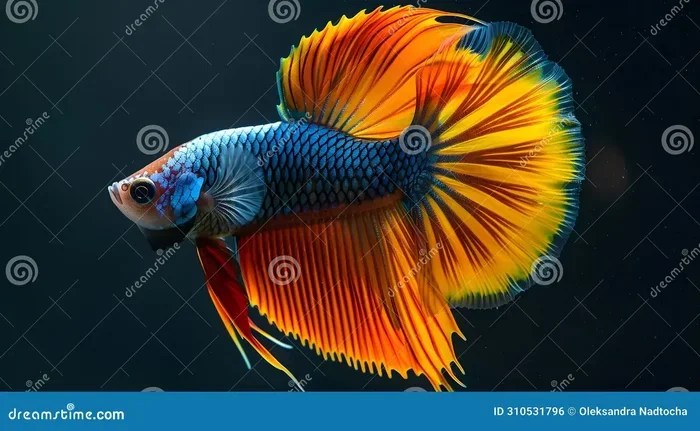
Betta fish, also known as Siamese fighting fish, are beloved for their vibrant colors and flowing fins. But they are anything but passive. Every betta has its own personality, and that personality determines how well it gets along with tank mates.
Male vs. Female Betta Behavior
Male bettas are generally more aggressive than females. A male betta will flare at almost anything that moves near its territory. This includes angel fish, which can trigger stress and fights.
Female bettas tend to be less aggressive. They can sometimes coexist with angel fish more peacefully. However, even female bettas have limits and can become territorial if pushed too far.
Here is a quick comparison of male and female betta behavior:
- Male Bettas: Highly territorial, prone to flaring, more likely to attack slow-moving fish with long fins.
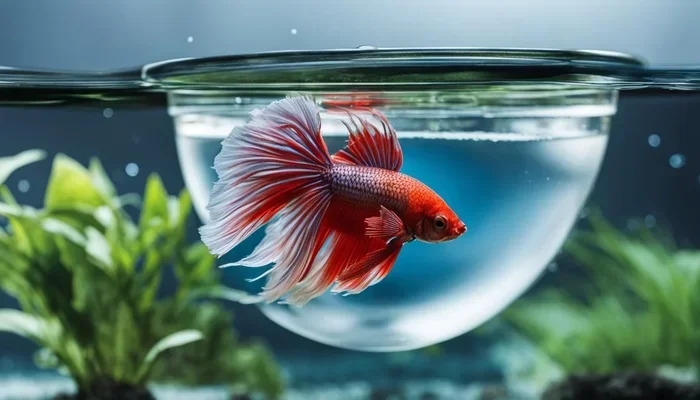
- Female Bettas: Slightly less aggressive, can sometimes form small groups, still capable of chasing other fish.
If you are set on keeping both species, a female betta may be a better match than a male. Many experienced aquarists recommend starting with a female betta when pairing with angelfish to reduce the risk of serious conflict.
Tank Setup for Angel Fish and Betta Together
The right tank setup makes or breaks the success of keeping angel fish with bettas. A poorly designed tank will cause stress, aggression, and potentially death for one or both species. Getting the setup right is the single most important thing you can do.
Tank Size Requirements
Both angel fish and bettas need space. Angel fish can grow up to 6 inches in length and have tall bodies. Bettas need room to swim and establish their own territories without constant confrontation.
A minimum tank size of 55 gallons is strongly recommended. This gives both species enough room to claim separate territories and reduces the chance of constant encounters. Smaller tanks increase stress and aggression in both species.
Here are some general tank size guidelines:
- 30 gallons: Too small. High risk of aggression and stress.
- 40 gallons: Marginal. Only works with careful decoration and monitoring.
- 55 gallons: Recommended minimum. Good balance of space and manageability.
- 75 gallons or larger: Ideal. Provides plenty of room for both species to thrive.
Decor and Hiding Spots
Creating visual barriers inside the tank is essential. Plants, rocks, caves, and driftwood all serve as natural dividers that break up sightlines between the two fish.
Live plants are especially effective. They not only provide hiding spots but also improve water quality. Consider adding live water plants that are safe for bettas to create a natural and calming environment. Tall plants along the back and sides of the tank work best because they give both species places to retreat.
Lighting and Flow
Angel fish prefer moderate lighting. Bettas also do well in subdued light conditions. Avoid strong, direct lighting that can stress both species. A gentle LED light with adjustable brightness is a great choice.
Water flow should be gentle to moderate. Angel fish are not strong swimmers and prefer calm water. Bettas also struggle in high-flow environments. A sponge filter provides good biological filtration without creating too much current.
Water Parameters: Matching Needs
One of the biggest advantages of keeping angel fish with bettas is that they share very similar water parameter preferences. This makes it easier to maintain a stable environment for both species.
Ideal Water Conditions
Both angel fish and bettas thrive in warm water with a temperature range of 78 to 82 degrees Fahrenheit. The pH should be slightly acidic to neutral, ideally between 6.5 and 7.0. Water hardness should be kept moderate, around 3 to 8 dKH.
Here is a quick reference table for ideal water parameters:
- Temperature: 78 to 82 degrees Fahrenheit
- pH Level: 6.5 to 7.0
- Water Hardness: 3 to 8 dKH
- Ammonia: 0 ppm
- Nitrite: 0 ppm
- Nitrate: Below 20 ppm
Regular water changes are critical. Aim for a 25 to 30 percent water change every week. This keeps ammonia and nitrite levels at zero and prevents nitrate buildup. Both species are sensitive to poor water quality, and stress from dirty water can trigger aggression.
Why Stability Matters
Fluctuating water parameters are a hidden stressor. Even if your numbers fall within the acceptable range, sudden changes can weaken the immune system of both fish. This makes them more prone to disease and behavioral issues like increased aggression.
Use a reliable heater with a thermostat to maintain consistent temperature. Test your water regularly with a liquid test kit. Avoid sudden changes in any parameter, even if you think it will benefit one species over the other.
Feeding Both Species Properly
Feeding time can be a flashpoint for conflict between angel fish and bettas. Both species are eager eaters, and competition over food can escalate quickly if not managed properly.
What to Feed Each Species
Angel fish are omnivores. They eat a mix of flakes, pellets, frozen foods, and vegetables. Bettas are primarily carnivorous and need a protein-rich diet. The good news is that both species accept high-quality pellets and frozen foods, which makes feeding them together straightforward.
Here is a simple feeding routine that works well for both species:
- Morning: Feed a small amount of high-quality betta pellets. Angel fish will also eat these.
- Evening: Offer frozen or live bloodworms and brine shrimp. Both species love these treats.
- Twice a week: Add blanched spinach or spirulina flakes for the angel fish’s vegetable needs.
Spread food across the tank to prevent one fish from hogging all the resources. Use a feeding ring or target feeding with a pipette to give each fish its own feeding zone. This reduces competition and keeps both fish well-fed and less aggressive.
Signs of Overfeeding
Overfeeding is a common mistake that leads to poor water quality. Uneaten food decays quickly and spikes ammonia levels. Feed only what both fish can consume within two to three minutes. Remove any leftover food promptly to keep the tank clean.
Potential Risks and How to Manage Them
Even with the best setup, keeping angel fish with bettas comes with risks. Being aware of these risks and knowing how to manage them is essential for success.
Fin Nipping and Damage
Angel fish may nip at the long fins of bettas. This is one of the most common issues aquarists face. Nipping can cause torn fins, open wounds, and secondary infections. Betta fish with long, flowing fins like crowntails or halfmoons are especially vulnerable.
To minimize fin nipping:
- Choose shorter-finned betta varieties like plakats.
- Keep the tank well-planted so fins are less accessible.
- Monitor both fish closely during the first few weeks.
- Be ready to separate them if nipping becomes frequent.
Territorial Aggression
Both species can become territorial, especially in smaller tanks. Angel fish may chase bettas away from their chosen spot. Bettas may flare and attack when they feel threatened.
Signs of serious territorial aggression include:
- Constant chasing that does not stop
- Flaring that lasts for extended periods
- One fish refusing to eat
- Visible injuries or clamped fins
- One fish hiding constantly
If you notice these signs, immediate intervention is necessary. Consider adding more decorations to break up territories or, in severe cases, permanently separating the fish. Not every combination will work, and that is okay. The welfare of your fish always comes first.
Tips for Long-Term Success
Success with this combination comes down to preparation, observation, and willingness to adapt. Here are some expert tips that experienced aquarists swear by.
Start with a Larger Tank
The bigger the tank, the better the chances of success. A 55-gallon or larger tank gives both species room to establish territories without constantly bumping into each other. If you can afford a larger tank, go for it.
Introduce Fish at the Same Time
Adding both fish to the tank at the same time prevents one species from claiming the entire tank as its territory first. This is especially important when keeping a betta with an angel fish. The betta may become overly territorial if it was established in the tank first.
Quarantine New Fish
Always quarantine new fish for at least two weeks before adding them to your main tank. This prevents the spread of diseases and parasites. It also gives you time to observe the fish’s temperament and health before introducing it to your betta or angel fish.
Many experienced hobbyists recommend reading up on general betta tank mate compatibility before making any additions to your aquarium. Knowledge is your best tool for preventing problems.
Be Ready to Separate
This is perhaps the most important tip of all. Despite your best efforts, some fish simply do not get along. Have a backup tank or divider ready at all times. If aggression escalates, do not hesitate to separate the fish immediately. No aquarium decoration or trick is worth the health or life of your fish.
Common Mistakes to Avoid
Even well-intentioned aquarists make mistakes when trying to keep angel fish with bettas. Here are the most common ones and how to avoid them.
- Underestimating tank size: A small tank guarantees stress and conflict. Always go bigger than you think you need.
- Ignoring personality differences: Not all bettas and angel fish have the same temperament. Some are calm; others are feisty. Watch your individual fish.
- Overcrowding the tank: Adding too many fish creates competition for space and resources. Keep the population manageable.
- Skipping water changes: Poor water quality leads to stress, disease, and aggression. Stay on top of your maintenance routine.
- Feeding too much: Excess food pollutes the water and increases competition during feeding time.
- Not having a backup plan: Always be prepared to separate the fish if things go wrong.
Final Thoughts on Keeping Angel Fish with Betta
So, can angel fish live with betta? Yes, but with caveats. Success depends on tank size, water parameters, temperament matching, and your willingness to intervene when needed. There is no guarantee that any two fish will get along. But with the right approach, many aquarists enjoy the beauty of both species sharing a tank.
Start with a large tank, create plenty of hiding spots, match the water parameters, and monitor both fish closely. If things are not working, do not force it. The health and happiness of your fish should always come first.
Keeping angel fish with bettas is a rewarding challenge. It teaches you about fish behavior, patience, and the importance of creating a balanced environment. Whether your experiment succeeds or not, you will walk away with valuable knowledge that makes you a better aquarist.
For more information on betta compatibility, check out our guide on which other species male bettas can live with. And if you are considering adding invertebrates instead, learn more about shrimp as betta tank mates.
Frequently Asked Questions
Can a male betta live with angel fish?
Male bettas and angel fish can live together, but the risk of aggression is higher. Male bettas are more territorial and may flare at or attack angel fish, especially if the angel fish has long fins. Success depends heavily on tank size, decor, and the individual temperaments of both fish.
What tank size is best for keeping angel fish and bettas together?
A minimum of 55 gallons is recommended for keeping angel fish and bettas together. Larger tanks, such as 75 gallons or more, provide better results. The extra space reduces territorial disputes and gives both fish room to establish separate areas without constant confrontation.
Are angel fish too aggressive for bettas?
Angel fish are semi-aggressive, not outright aggressive. They can be assertive and territorial, especially during feeding or breeding. Whether they are too aggressive for a betta depends on the individual personalities of both fish. Some combinations work well, while others do not.
How do I know if my betta and angel fish are getting along?
Signs of a good relationship include both fish eating normally, swimming freely without chasing, and no visible fin damage. Signs of trouble include constant chasing, flaring, clamped fins, one fish hiding all the time, or refusal to eat. Monitor both fish daily, especially during the first few weeks.
Can female bettas live with angel fish more easily than males?
Yes, female bettas are generally less aggressive than males and tend to coexist with angel fish more peacefully. Many aquarists report better results with female bettas and angel fish. However, even female bettas can become territorial, so careful monitoring is still essential.
What should I do if my betta and angel fish are fighting?
If fighting occurs, separate the fish immediately. Use a tank divider or move one fish to a backup tank. Reassess your setup by adding more plants and hiding spots before attempting to reintroduce them. Not all fish combinations work, and it is okay to keep them in separate tanks for their safety.