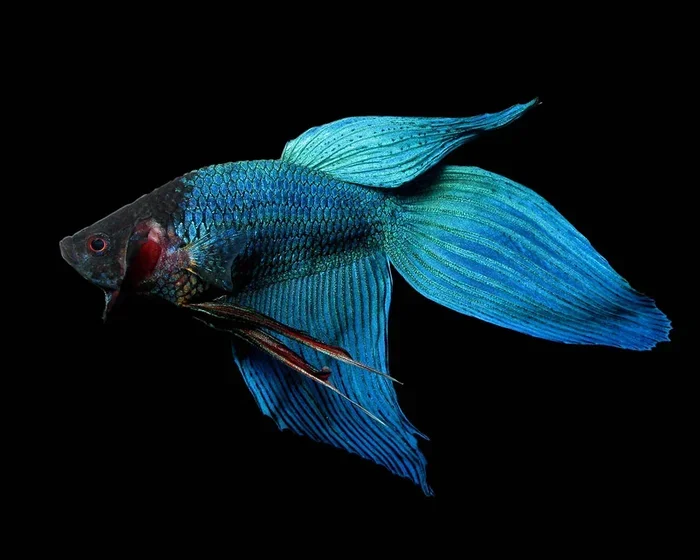
Are Their Different Kinds of Betta Fish
Betta fish come in a dazzling array of colors, tail shapes, and body types, making each specimen unique. Understanding these varieties helps you choose the right fish, provide proper care, and enjoy their spectacular displays for years.
Key Takeaways
- Variety is huge: Betta fish are classified by tail shape, coloration, and genetic lineage.
- Tail types matter: Crowntail, halfmoon, veil, and more each have specific care nuances.
- Selective breeding creates new colors: From solid blues to marbled “koi” patterns, breeders constantly expand the palette.
- Health is linked to genetics: Some varieties are prone to fin rot or swim‑bladder issues.
- Tank setup can differ: Aggressive tail types may need more space or gentle flow.
- Breeding possibilities: Different kinds can be crossed, but results are unpredictable.
- Know the basics: Proper water, temperature, and diet are essential for every Betta type.
📑 Table of Contents
- Introduction: Why Betta Diversity Captivates Hobbyists
- 1. The Basics: What Makes a Betta a Betta?
- 2. Tail Types: The Signature of Betta Diversity
- 3. Color Patterns: From Solid to Marbled
- 4. Body Types and Size Variations
- 5. Health Considerations Unique to Certain Types
- 6. Breeding Different Kinds: What to Expect
- Conclusion: Embrace the Variety
Introduction: Why Betta Diversity Captivates Hobbyists
If you’ve ever walked past a pet store and seen a tank full of rainbow‑shimmering fish, you’ve probably wondered, are their different kinds of Betta fish? The answer is a resounding yes, and the answer is also why Betta fish have become one of the most popular aquarium pets worldwide. Their vivid colors, flamboyant fins, and surprisingly hardy nature make them perfect for beginners and seasoned aquarists alike.
In this article we’ll explore every major group of Betta fish, explain how to tell them apart, and share practical tips for keeping each type happy and healthy. By the end, you’ll feel confident picking the perfect Betta for your home and understanding the subtle differences that can affect care.
1. The Basics: What Makes a Betta a Betta?
Species and Origin
All domesticated Betta fish belong to the species Betta splendens, native to the shallow rice paddies and slow‑moving streams of Thailand, Cambodia, and Vietnam. Their wild ancestors are modest in color and have short, sturdy fins, but centuries of selective breeding have produced the spectacular varieties you see today.
Visual guide about Are Their Different Kinds of Betta Fish
Image source: i.pinimg.com
General Care Needs
Even though the look of each Betta can be wildly different, their core care requirements stay the same: warm water (78‑80°F), stable pH (6.5‑7.5), and a protein‑rich diet. If you’re new to Betta keeping, read Are Betta Fish Easy To Take Care Of for a solid foundation before diving into the specifics of each variety.
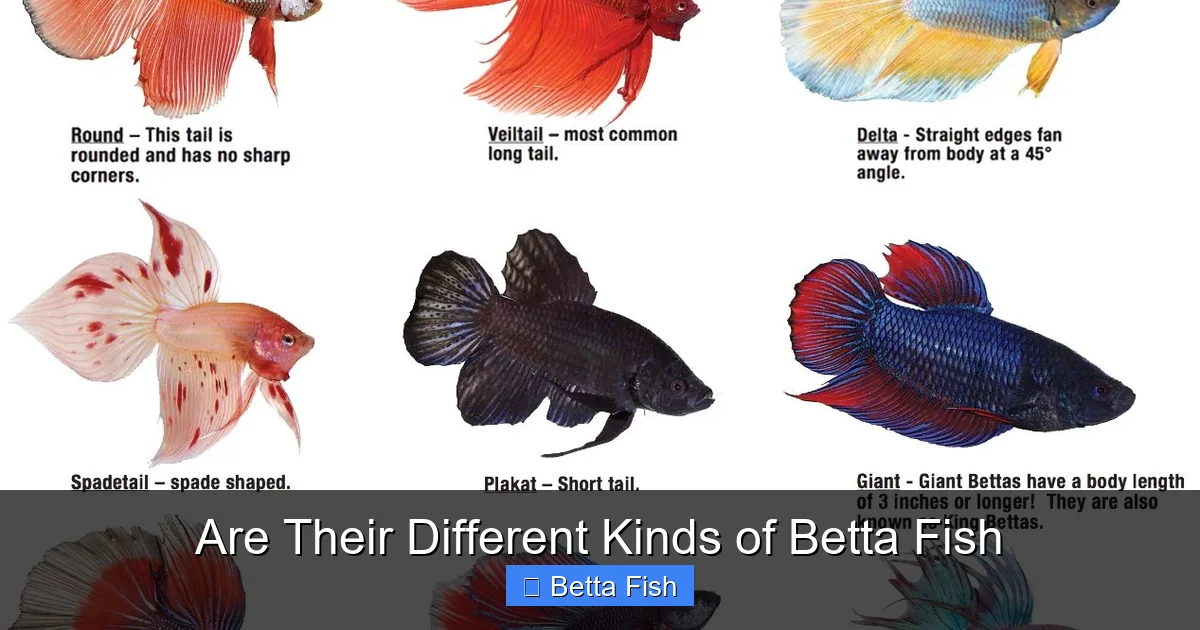
2. Tail Types: The Signature of Betta Diversity
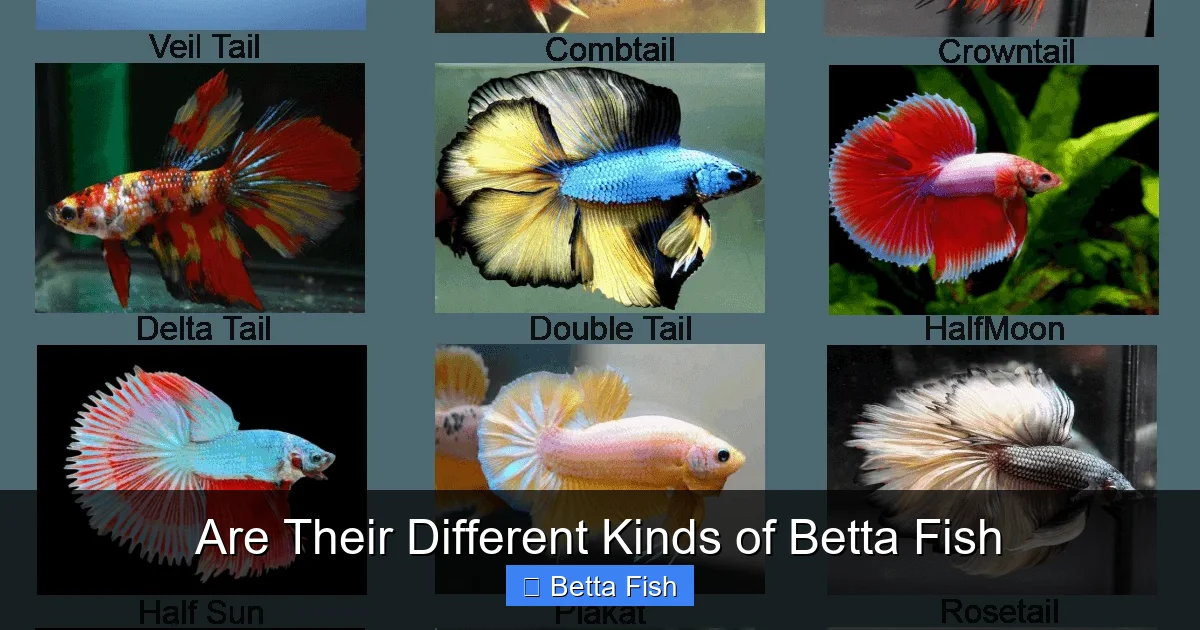
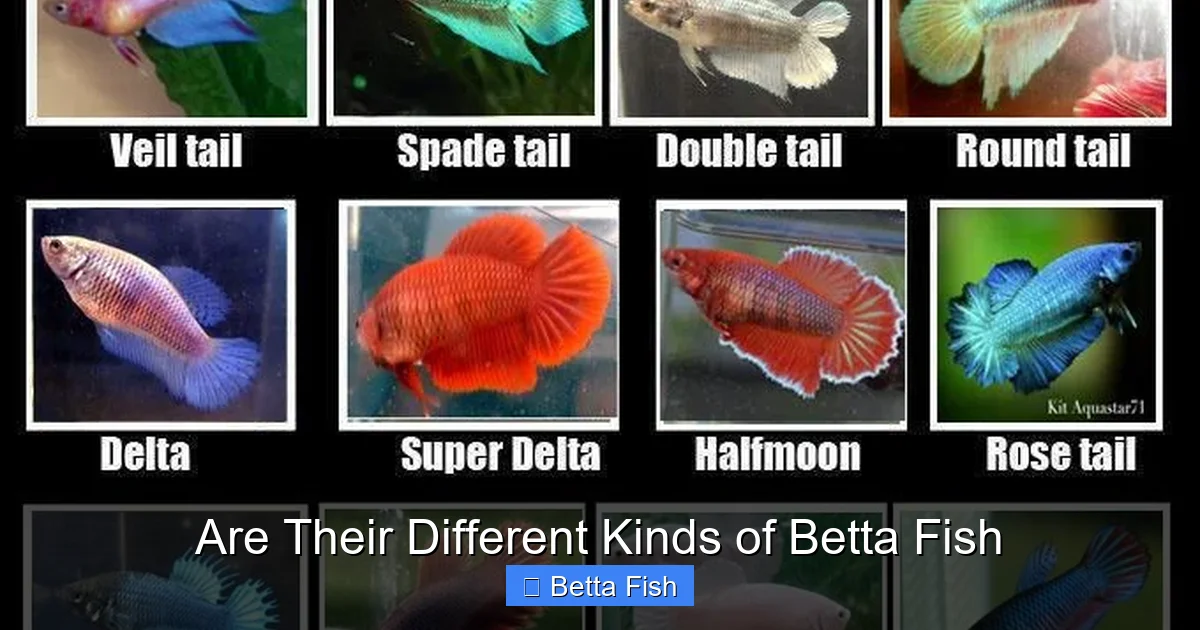
The most obvious way to differentiate Betta fish is by the shape of their tail. Tail type affects swimming style, susceptibility to injury, and even temperament.
Visual guide about Are Their Different Kinds of Betta Fish
Image source: i.pinimg.com
Crowntail (CT)
Crowntails have a spiky, crown‑like edge on each fin. They are the classic “show” Betta and often win competitions. Because the fins are delicate, avoid strong currents and provide plenty of hiding spots.
Halfmoon (HM)
Halfmoon Bettas display a dramatic 180° spread, forming a perfect semicircle. This is the most popular type among hobbyists. Their large surface area means they can be prone to fin damage, so keep tank mates (if any) peaceful and maintain clean water.
Veil (V)
Veil Bettas have long, flowing fins that trail like a wedding veil. They are less prone to fin rot than Halfmoons but still need gentle water flow. Their sleek silhouette works well in tanks with live plants that provide soft shelter.
Deltail (DT)
Deltails are a hybrid between Halfmoon and Veil, with a pointed tip and a slightly rounded spread. They are strong swimmers and tolerate a bit more movement, making them a good choice for community tanks with calm, non‑aggressive species.
Plakat (PK)
Plakats retain the short, sturdy fins of wild Betta. They are aggressive fighters, ideal for breeding projects, and they handle water quality fluctuations better than fancy‑fin varieties.
Other Specialty Tails
There are also less common shapes like the double‑tail (two separate tail lobes) and the ribbon (long, ribbon‑like extensions). These rare types often command higher prices and require extra vigilance to prevent fin damage.
3. Color Patterns: From Solid to Marbled
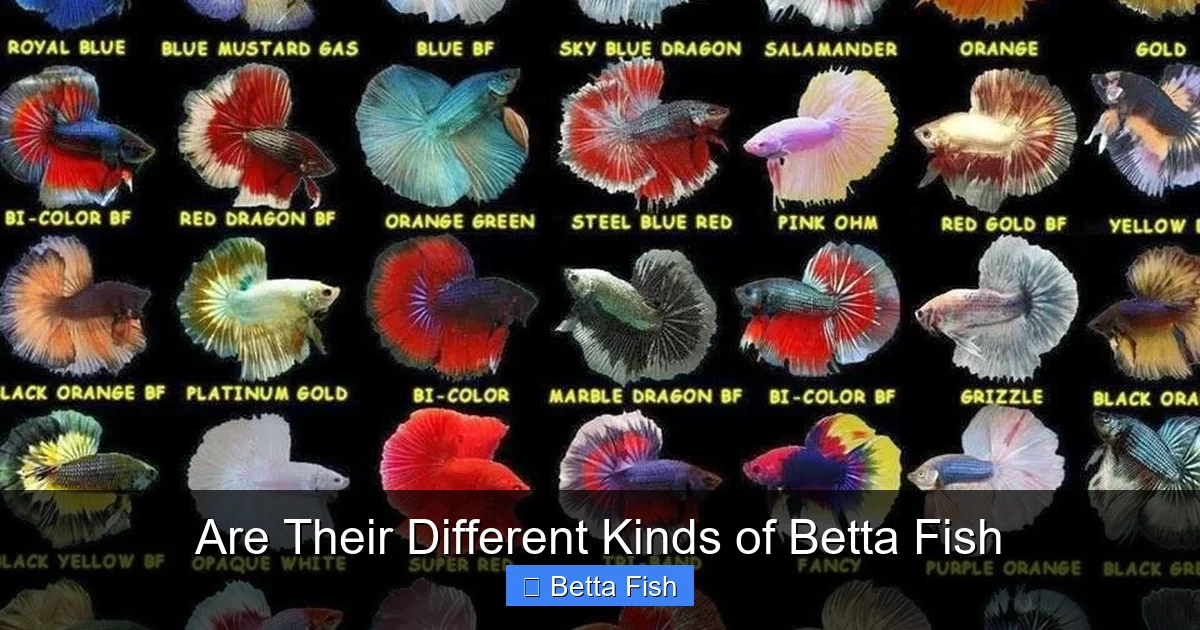
Beyond tail shape, color is the second major axis of Betta diversity. Breeders use genetics to enhance pigments, creating endless possibilities.
Visual guide about Are Their Different Kinds of Betta Fish
Image source: i.pinimg.com
Solid Colors
Solid Bettas come in classic shades such as deep blue, fiery red, bright orange, and velvety black. These are the easiest to breed for consistency because there are fewer genetic variables.
Bi‑Color and Triple‑Color
Bi‑color Bettas have a primary base color with a secondary accent (e.g., a blue body with a red tail). Triple‑color varieties add a third hue, often creating a striking gradient effect.
Marble and Koi
Marble Bettas display swirling, irregular patches of color, while Koi Bettas mimic the pattern of the ornamental Koi fish, with white, orange, and black spots. These patterns result from a dominant gene that can be unpredictable, making each fish truly one‑of‑a‑kind.
Metallic and Opalescent
Metallic Bettas have a shimmering, reflective quality that catches light like a tiny mirror. Opalescent types shift color depending on viewing angle and lighting, offering a dynamic visual experience.
Genetic Tips for Breeders
If you’re considering breeding, remember that crossing different colors can produce unexpected results. For a deeper dive, see Can You Breed Different Types Of Betta Fish to understand how genetics play out in real‑world breeding projects.
4. Body Types and Size Variations
While most Bettas stay under 3 inches, selective breeding has produced both larger and more compact body forms.
Standard Size (2.5‑3 inches)
This is the typical adult size for most fancy‑fin and Plakat Bettas. A 5‑gallon tank provides ample space for swimming and decorating.
Giant Betta
Some breeders have produced “Giant” Bettas that can reach 4‑5 inches. These require larger tanks (10+ gallons) and stronger filtration to handle the increased waste load.
Miniature Betta
Mini Bettas are a newer trend, staying under 2 inches. They are attractive for nano‑tanks but still need the same water quality standards as larger counterparts.
Impact on Tank Setup
Tail length and body size affect how much water movement a Betta can handle. Fancy‑fin Bettas (Halfmoon, Veil) thrive in calm waters, while Plakats and Deltails can enjoy a gentle filter flow. For detailed tank size guidelines, read How Big Of A Tank For Betta Fish.
5. Health Considerations Unique to Certain Types
Not all Betta varieties are created equal when it comes to health. Fancy fins can be more vulnerable, and certain color genes may be linked to weaker immune systems.
Fin Rot and Damage
Long‑fin types like Halfmoon and Veil are prone to fin rot if water quality slips. Regular water changes (25% weekly) and a clean substrate are vital.
Swim‑Bladder Issues
Bulky tails can affect buoyancy. If a Betta constantly swims upside down or has trouble staying upright, check for constipation (feed a pea) and ensure the water temperature is stable.
Genetic Weaknesses
Some bright colors, especially deep reds and metallics, may hide underlying health issues. Watch for faded fins, lethargy, or loss of appetite, and be ready to consult a vet experienced with tropical fish.
Preventive Care Tips
- Maintain temperature at 78‑80°F using a reliable heater.
- Test water weekly for ammonia, nitrite, and nitrate.
- Feed high‑quality Betta pellets supplemented with occasional bloodworms.
- Provide a low‑flow filter or sponge filter to keep water moving without stressing delicate fins.
6. Breeding Different Kinds: What to Expect
One of the most exciting questions for Betta owners is whether they can mix and match varieties. The short answer is yes, but the outcome can be surprising.
Cross‑Breeding Basics
When you pair a Halfmoon male with a Veil female, the fry may inherit a blend of tail shapes, sometimes resulting in a “Half‑Veil” or a completely new tail type. Color inheritance follows Mendelian patterns, so you might get solid, marble, or even new hybrid colors.
Potential Challenges
Hybrid fry can inherit the health vulnerabilities of both parents. For example, a cross between a delicate Halfmoon and a robust Plakat may produce offspring with semi‑delicate fins but a stronger immune system.
Success Stories and Resources
Many hobbyists have successfully created stunning new lines by carefully selecting parents. For a step‑by‑step guide, see Can You Breed Two Different Types Of Betta Fish. Remember to quarantine new fish before introducing them to an established tank.
Conclusion: Embrace the Variety
Whether you’re drawn to the regal Halfmoon, the sturdy Plakat, or the kaleidoscopic marble patterns, the answer to are their different kinds of Betta fish is a vibrant “yes.” Each variety brings its own beauty and set of care nuances. By understanding tail types, colors, body sizes, and health considerations, you can choose the perfect Betta for your space and provide the optimal environment for a long, colorful life.
Happy fish‑keeping!
Frequently Asked Questions
What are the main types of Betta fish tails?
The primary tail types are Crowntail, Halfmoon, Veil, Deltail, Plakat, and several specialty tails like Double‑Tail and Ribbon.
Do different Betta colors require different water conditions?
No. All Betta fish, regardless of color, thrive in warm (78‑80°F), slightly acidic to neutral water with stable pH.
Can I keep two different Betta varieties together?
Generally not. Male Bettas are territorial, and mixing varieties can increase aggression. Females can sometimes be housed together in a sorority with plenty of space.
How often should I change the water for a fancy‑fin Betta?
Change about 25% of the water weekly. Fancy fins are more sensitive to poor water quality, so regular changes are crucial.
Is it harder to care for a Halfmoon than a Plakat?
Halfmoons have larger, more delicate fins, so they need gentler water flow and more careful handling. Plakats are hardier and can tolerate slightly rougher conditions.
Where can I learn more about Betta fish health issues?
Check out articles like Why Are Betta Fish So Hard To Take Care Of for detailed troubleshooting tips.