What Are Good Fish to Keep with Bettas
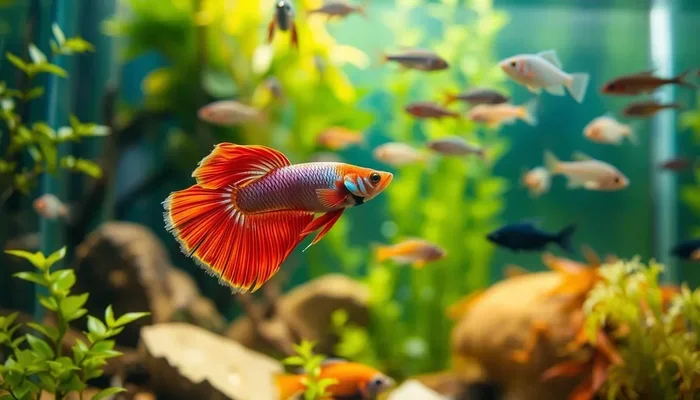
Finding good fish to keep with bettas is one of the most common questions aquarists ask. With the right choices, you can create a stunning community tank that keeps your betta happy and your aquarium thriving. This guide covers the best betta tank mates, common mistakes, and practical steps for a peaceful setup.
So you want to add some fish to keep with bettas? That is a great move. A well-planned community tank can look absolutely stunning, and your betta will thank you for the extra stimulation. But here is the honest truth: not every fish is a good match for your colorful finned friend.
Picking the right betta tank mates takes a little planning. You need to think about tank size, temperament, and even the individual personality of your betta. This guide breaks down everything you need to know about compatible fish for bettas, from the safest choices to the ones you should avoid at all costs.
By the end, you will know exactly which species work well, how to introduce them properly, and how to keep your whole aquarium peaceful and happy.
Key Takeaways
- Choose peaceful species: Not every fish gets along with bettas. Pick calm, non-aggressive species like corydoras or shrimp to avoid conflict.
- Tank size matters: A minimum 20-gallon tank gives everyone enough space and reduces territorial behavior in your betta fish.
- Avoid bright, long-finned fish: Guppies and fin-nippers like tiger barbs can trigger your betta’s aggression or get bitten.
- Add live plants: Plants create hiding spots, reduce stress, and help break line of sight between aggressive tank mates.
- Introduce fish slowly: Quarantine new arrivals and let your betta adjust before adding anyone else to the tank.
- Monitor behavior closely: Watch for signs of stress or fighting during the first few weeks after adding new companions.
- Consider your betta’s personality: Some bettas are docile while others are highly territorial, so always judge compatibility individually.
📑 Table of Contents
Why Choosing the Right Betta Tank Mates Matters
Your betta fish is more than just a pretty face. These fish have strong personalities. They are curious, territorial, and sometimes downright feisty. In the wild, bettas guard their territory fiercely. That instinct does not disappear just because you put them in a tank.
Choosing the wrong betta fish companions can lead to stress, injury, or even death. A nippy fish will bother your betta’s long fins. A too-aggressive species might see your betta as a threat. Even a shy fish can become so stressed it stops eating altogether.
On the flip side, the right fish compatible with bettas can make your aquarium come alive. You will see interesting behaviors, natural swimming patterns, and a tank that looks like a tiny underwater ecosystem. That is why getting this decision right matters so much.
The Problem with Overcrowded Tanks
Some people think they can just toss in any small fish and hope for the best. That rarely works. Overcrowding increases ammonia levels, raises stress, and gives everyone less room to swim. Your betta needs space to patrol its territory without feeling squeezed.
Best Fish to Keep with Bettas
Now let us get to the fun part. Here are some of the best good fish to keep with bettas that have proven themselves time and again in community tanks.
1. Corydoras Catfish
Corydoras are bottom-dwellers that spend their time scavenging the substrate. They stay small, peaceful, and mostly ignore your betta. These little armored fish stick to the bottom of the tank, which means they rarely cross paths with your betta except during feeding time.
They do best in groups of four to six. A school of corydoras adds constant movement to the lower part of your tank without triggering any territorial behavior from your betta.
2. Kuhli Loaches
Kuhli loaches are another great bottom-dwelling option. They have a very different body shape and swimming pattern from bettas, so they rarely compete for the same space. These loaches enjoy hiding under rocks and among plants, which helps them stay out of sight when needed.
Keep them in groups of at least five. They are nocturnal and tend to come alive after the lights go off, adding a whole new dimension to your tank at night.
3. Ghost Shrimp
If you want something low-maintenance, ghost shrimp for betta tanks work wonderfully. These transparent little critters clean up leftover food and algae. Most bettas ignore them entirely, especially if you provide plenty of hiding spots.
That said, some hungrier bettas might view shrimp as a snack. It is a gamble, so always have a backup plan. If your betta ignores them, you have found an inexpensive and effective clean-up crew.
4. Mystery Snails
Snails are another safe bet. Mystery snails move slowly, stay small, and mind their own business. They help keep glass clean and eat leftover food. Their bright colors can also add a pop of visual interest to your tank.
Just make sure the lid on your tank is secure. Snails are famous for climbing out and falling in.
5. Harlequin Rasboras
If you want a mid-level schooling fish, harlequin rasboras are a solid choice. They are calm, colorful, and stay in groups that create a beautiful shimmering effect in the water. They occupy a different swimming zone than bettas, which reduces the chance of conflict.
These fish do need a bit of space, so plan for at least a 20-gallon tank if you want a school of six or more rasboras alongside your betta.
6. Ember Tetras
Ember tetras bring a warm orange glow to your tank. They are small, peaceful, and stay in the middle to upper water levels. Their gentle nature makes them one of the safer community tank bettas companions available.
Like rasboras, they school together, which creates a mesmerizing display. Keep them in groups of at least six for the best effect and the most natural behavior.
Fish to Avoid with Bettas
Knowing what works is only half the story. You also need to know what does not work. Here are some common fish that can cause real problems with your betta.
Guppies and Fin-Nippers
Guppies might seem like a natural choice because they are small and colorful. But many bettas see their bright colors and flowing fins as a challenge. Fin-nipping fish like tiger barbs and serpae tetras can also bite at your betta’s delicate fins, causing painful injuries and infections.
If you have ever wondered, “Are betta fish good to keep with guppies?,” the honest answer is: it depends. Some peaceful bettas ignore guppies, but many others attack them. It is not a risk worth taking unless you have a very large tank and a particularly docile betta.
Other Bettas
This one is obvious, but it needs saying. Two male bettas should never share a tank. They will fight to the death. Even female bettas can be territorial, so keeping multiple females together requires very specific conditions and plenty of space.
For more on this topic, check out our guide on what fish are compatible with bettas for detailed compatibility charts.
Angelfish
Angelfish look majestic, but they can be aggressive. Their tall fins and slow movements can trigger your betta, and they are large enough to eat smaller tank mates. Keeping angelfish with bettas is generally not recommended for most hobbyists.
How to Introduce New Fish to Your Betta
Adding new tank mates is exciting, but rushing the process is the fastest way to disaster. Follow these steps to give everyone the best chance at getting along.
Step 1: Quarantine the New Fish
Keep any new arrival in a separate quarantine tank for at least two weeks. This protects your main tank from disease and lets you observe the new fish for any signs of illness. Betta fish care includes protecting your stock from parasites and bacteria that newcomers might carry.
Step 2: Rearrange the Tank
Before adding a new fish, rearrange the decorations and plants. This breaks up established territories and gives your betta a fresh layout to explore. It also prevents any one fish from claiming a favorite hiding spot as its own.
Step 3: Use a Divider
Place a tank divider between your betta and the new fish for a few days. Let them see each other without physical contact. Watch your betta’s reaction. If it shows mild curiosity and settles down quickly, you are on the right track. If it flares constantly and refuses to eat, wait longer.
Step 4: Release at Feeding Time
When you finally remove the divider, do it during feeding time. Both fish will be focused on food rather than each other. Drop food on opposite sides of the tank so everyone gets a meal. This creates a positive association and reduces tension.
Setting Up a Community Tank for Bettas
If you are building a new tank from scratch, planning matters more than reacting. Here is how to set up a tank that works for bettas and their companions.
Tank Size
A 20-gallon tank is the sweet spot for a betta community. It gives your betta enough room to claim territory without feeling threatened by fast-moving fish. Smaller tanks work, but you need to be much more careful about choosing calm species and keeping numbers low.
Live Plants
Live plants transform a community tank. They absorb waste, produce oxygen, and create natural hiding spots. For ideas on what to add, check out our article on what plants are good for betta fish. Plants like java fern, anubias, and Amazon sword work well because they are hardy and easy to maintain.
Dense plant cover also breaks line of sight. If your betta cannot see every other fish all the time, it feels less threatened and is less likely to act aggressively.
Tank Layout
Think about vertical and horizontal space. Betta fish like to patrol the middle and upper levels. Bottom-dwellers like corydoras and kuhli loaches handle the lower zone. Schooling fish like rasboras and tetras occupy the mid-levels. This natural separation reduces conflict because everyone has their own area to enjoy.
Filter and Heater
Choose a gentle filter that does not create a strong current. Bettas are weak swimmers and struggle in fast water. A sponge filter or a hang-on-back filter with a baffle works well. Keep the temperature between 76 and 80 degrees Fahrenheit for tropical comfort.
Expert Tips for a Harmonious Aquarium
Here are some practical tips from experienced aquarists that make a real difference.
- Watch body language. A betta that flares occasionally is normal. Constant flaring, clamped fins, or hiding signals stress. Act fast if you see these signs.
- Feed enough. Hungry fish are aggressive fish. Make sure everyone gets food. Use sinking pellets for bottom-dwellers and floating flakes for mid-level fish.
- Keep water quality high. Perform weekly water changes of 25 to 30 percent. Clean water reduces stress and disease for all your freshwater fish.
- Have a backup plan. Keep a spare tank ready. If two fish cannot get along, you need to separate them quickly without panic.
- Respect your betta. If your betta is extremely aggressive, it might be happier alone. Not every betta needs tank mates, and that is completely okay.
For more guidance on whether your specific situation works, read our detailed article on what fish are good with male bettas for tailored advice based on temperament and tank conditions.
Common Mistakes When Choosing Betta Tank Mates
Even experienced hobbyists sometimes stumble. Here are the most common mistakes to avoid.
Buying on Impulse
You see a beautiful fish at the store and grab it. Big mistake. Every addition to your tank needs research first. A fish that looks peaceful in the store might behave very differently in your specific setup.
Ignoring Tank Size
A 5-gallon tank limits your options dramatically. Trying to add a school of tetras to a 5-gallon tank creates stress for everyone. Always match your stocking plan to your actual tank volume.
Skipping the Research
Every species has different needs. Some fish need groups of six or more. Some produce a lot of waste. Some prefer cooler water than bettas do. Always research before buying. Our guide on which fish to keep with betta covers many species in detail to help you decide.
Forgetting About Long-Term Needs
Fish grow. A tiny shrimp becomes a full-grown adult. A pair of corydoras becomes a group of six. Plan for the future, not just the present. Your tank setup today should support the fish you want a year from now.
Conclusion
Choosing good fish to keep with bettas comes down to research, patience, and observation. The best tank mates are peaceful, occupy different swimming zones, and stay small enough that your betta does not view them as a threat or prey.
Start with proven choices like corydoras, kuhli loaches, mystery snails, or small schooling fish like ember tetras. Avoid fin-nippers, overly aggressive species, and anything that shares your betta’s exact body shape and color patterns.
Remember that every betta has its own personality. What works for one betta might not work for another. Always watch your fish closely during the adjustment period and be ready to make changes if needed. A peaceful community tank is absolutely achievable, and the reward of watching a harmonious aquarium makes every bit of effort worth it.
Take your time, plan carefully, and enjoy the process. Your betta deserves a home that feels safe, stimulating, and beautiful. With the right companions, it will thrive in ways you never expected.
Frequently Asked Questions
Can bettas live with guppies?
It is risky. Many bettas see guppies as competitors or targets because of their bright colors and flowing fins. Some peaceful bettas ignore them, but others attack. If you try it, use a large tank with plenty of hiding spots and monitor behavior closely.
What is the safest fish to keep with a betta?
Corydoras catfish are often the safest choice. They stay at the bottom, are very peaceful, and rarely interact with bettas. Kuhli loaches, mystery snails, and ghost shrimp are also excellent low-risk options for most betta setups.
How many fish can I keep with one betta?
This depends on tank size. In a 20-gallon tank, you can safely keep a small school of 5 to 6 schooling fish plus a few bottom-dwellers. Always follow the one inch of fish per one gallon guideline as a starting point and adjust for waste production.
Will my betta chase other fish?
Some bettas do chase tank mates, especially during the first few days. This is territorial behavior and usually calms down once everyone settles. However, if chasing leads to biting or fin damage, separate the fish immediately.
Can I keep bettas with shrimp?
Yes, many bettas ignore shrimp completely. Ghost shrimp and cherry shrimp are popular choices. However, some bettas will hunt shrimp, so provide dense plant cover and hiding spots to give the shrimp a fighting chance of survival.
What should I do if my betta attacks a new tank mate?
Remove the attacked fish immediately. Give your betta time to adjust and try again with a different species. If aggression continues, your betta may be better off in a solo tank. Not every betta thrives with companions, and that is perfectly fine.