Are Betta Fish Endangered

Betta fish are not currently listed as endangered by major conservation organizations, but several wild species face growing threats from habitat loss, pollution, and the illegal pet trade. While popular domesticated varieties like the Siamese fighting fish are widely bred in captivity, their wild counterparts in Southeast Asia are under increasing pressure from deforestation, urbanization, and water contamination. Understanding the real risks facing these vibrant creatures is essential for anyone who cares about their long-term survival in the wild.
SEO Title: Are Betta Fish Endangered? What Every Owner Needs to Know
Meta Title: Are Betta Fish Endangered? The Real Facts Revealed
Meta Description: Discover if betta fish are truly endangered. Learn about wild betta populations, conservation efforts, and how you can help protect these stunning fish.
URL Slug: are-betta-fish-endangered
Key Takeaways
- Wild betta species are declining: Habitat destruction and pollution threaten many local populations in Southeast Asia.
- Captive-bred bettas are not endangered: The pet trade relies on sustainable aquaculture, not wild collection.
- Support responsible breeders: Choose captive-bred fish to reduce pressure on wild populations and protect habitats.
- Avoid wild-caught specimens: Purchasing wild bettas fuels illegal collection and damages fragile ecosystems.
- Habitat preservation is critical: Protecting wetlands and clean waterways ensures wild bettas survive long-term.
- Check conservation status: The IUCN lists some betta species as vulnerable or data deficient.
📑 Table of Contents
Opening Summary
If you love your betta fish, you probably care about where they come from and whether they’re safe in the wild. The truth is, are betta fish endangered? The answer is more nuanced than you might think. While the Betta splendens species as a whole is not currently listed as endangered, several wild betta populations face real threats. Habitat loss, pollution, and over-collection for the pet trade all put pressure on wild bettas. In this article, you will learn the current conservation status of betta fish, why wild populations are declining, and what you can do to help. Whether you are a new fish owner or a seasoned hobbyist, this guide will give you the full picture. Keep reading to find out how your love for bettas can actually make a difference.
Introduction
Betta fish are some of the most popular pet fish on the planet. Their bright colors and flowing fins make them a favorite for aquarists around the world. But behind the beauty of these tropical fish lies a bigger story. Many people do not realize that wild bettas face serious challenges in their natural habitats. Understanding the situation helps us become better caretakers and advocates for these amazing creatures.
So, are betta fish endangered? Let us dig into the facts. We will explore everything from wild betta populations to what aquarium hobbyists can do to support conservation. This is not just about rules and regulations. It is about protecting a species that brings joy to millions of fish keepers.
Are Betta Fish Endangered? The Current Status
The short answer is that betta fish are not currently classified as endangered on a global scale. The International Union for Conservation of Nature (IUCN) lists the Betta splendens as a species of “Least Concern” in terms of overall population. However, this does not mean all betta species are safe. Some specific wild betta populations are under significant stress. The situation varies greatly depending on the region and the exact species involved.
It is also important to understand the difference between captive-bred bettas and wild bettas. The betta fish you find in pet stores are almost always bred in captivity. These fish may look similar to their wild cousins, but they have been selectively bred for color and fin shape for generations. Different kinds of betta fish have been developed through breeding programs, which means the pet trade bettas are quite different from wild fish.
Understanding the IUCN Classification
- Least Concern: The species has a stable population overall.
- Vulnerable: The species faces a high risk of decline in the wild.
- Endangered: The species faces a very high risk of extinction.
Most betta species fall under “Least Concern,” but some localized populations tell a different story. In parts of Southeast Asia, where wild bettas originate, habitat destruction is a growing problem. Rice paddies, urban development, and chemical runoff all threaten the small streams and ponds where wild bettas live.
Why Are Wild Betta Fish at Risk?
Even though betta fish are not globally endangered right now, several factors put wild populations at risk. These threats are real and ongoing. If nothing changes, some local populations could decline sharply. Let us look at the biggest dangers wild bettas face today.
Habitat Loss
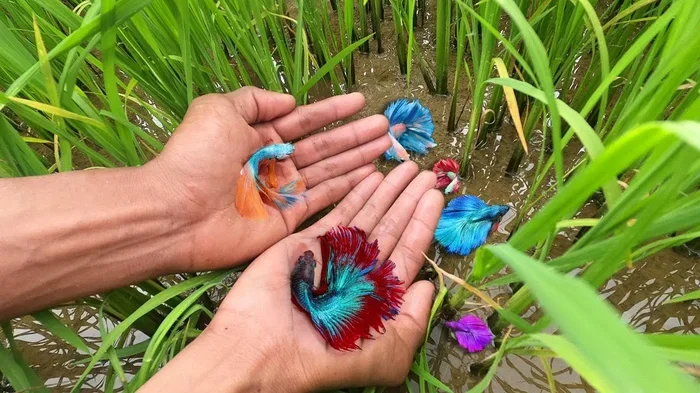
Habitat loss is the number one threat to wild betta populations. These fish live in shallow, warm waters across Southeast Asia, including Thailand, Malaysia, and Indonesia. As cities expand and farmland grows, natural waterways are drained or polluted. Ponds and rice fields that once hosted thriving betta communities are disappearing. This directly reduces the space wild bettas have to live and breed.
Water Pollution
Agricultural runoff and industrial waste contaminate the water where wild bettas survive. Pesticides and chemicals can be deadly to tropical fish living in small, shallow water sources. Even household waste that enters local streams degrades water quality, making it harder for bettas to find food and stay healthy. Unlike a well-maintained betta fish tank at home, wild water sources often lack filtration and clean conditions.
Over-Collection for the Pet Trade
The global demand for betta fish is enormous. Every year, thousands of wild bettas are collected and sold as pets. While most pet store bettas are captive-bred, illegal collection from the wild still happens. This is especially true for rarer betta species that hobbyists seek out for their unique colors and patterns. Over-collection can devastate small, localized populations that are already struggling.
Climate Change
Rising temperatures and changing weather patterns affect the delicate ecosystems where wild bettas live. Droughts can dry up their habitats completely during certain seasons. Bettas are freshwater aquarium fish that need warm, stable conditions. When climate shifts cause sudden temperature drops or water levels to plummet, wild populations suffer. This is a slow but growing concern for conservationists.
Betta Fish Species and Their Conservation
There are over 70 recognized species of betta fish, and not all of them share the same status. While the common Betta splendens is doing well in captivity, other species face more uncertain futures. Learning about the different betta species helps you appreciate the diversity within this group and understand why conservation matters.
Common Betta Species and Their Status
Here is a quick look at how some well-known betta species are faring in terms of conservation:
| Species | Common Name | Conservation Status | Primary Threat |
|---|---|---|---|
| Betta splendens | Siamese Fighting Fish | Least Concern | Habitat loss |
| Betta imbellis | Peaceful Betta | Least Concern | Pollution |
| Betta mahachaiensis | Mahachai Betta | Vulnerable | Urban development |
| Betta smaragdina | Emerald Betta | Least Concern | Over-collection |
| Betta channoides | Snakehead Betta | Data Deficient | Habitat degradation |
As you can see, most betta species are currently stable. However, the Mahachai betta is listed as vulnerable due to rapid urban development in its native habitat. Other species have limited data available, which makes conservation planning harder. The more we learn about betta fish species, the better we can protect them.
Wild Betta Populations vs. Captive Populations
It is crucial to separate wild betta populations from the millions of bettas living in homes and stores worldwide. Captive-bred bettas have been bred for specific traits like vivid colors, long fins, and unique patterns. These fish would not survive in the wild. They depend entirely on human care for food, shelter, and safe water conditions. Are Walmart betta fish healthy? That is a common question, and it highlights how important proper care is for captive bettas.
Wild bettas, on the other hand, are tough fish adapted to survive in harsh conditions. They build betta bubble nest structures to protect their eggs and can tolerate low-oxygen water better than many other fish. But even these resilient creatures have limits. When their habitats vanish, wild bettas have nowhere to go.
How Betta Fish Care at Home Supports Conservation
Here is some good news. Your choices as a betta owner can actually support conservation efforts. By keeping bettas responsibly and making informed decisions, you help reduce pressure on wild populations. Let us look at how your hobby can become a force for good.
Buy Captive-Bred Fish Only
This is the single most impactful thing you can do. Always purchase bettas from reputable breeders who raise them in captivity. Avoid buying wild-caught bettas, no matter how exotic they look. When demand for wild fish drops, collection pressure decreases. Responsible breeders focus on betta fish breeding programs that maintain healthy genetic diversity without touching wild populations.
Provide Proper Care
A well-cared-for betta is a healthy betta. This means setting up an appropriate betta fish tank with the right temperature, clean water, and enrichment. Here are some quick care essentials:
- Keep water temperature between 76-82°F (24-28°C).
- Use a gentle filter to maintain water quality without creating strong currents.
- Provide hiding spots like plants or caves for your betta to explore.
- Feed a varied diet with high-quality pellets and occasional live or frozen food.
When bettas thrive in home tanks, the need to collect wild fish drops. Every healthy captive betta is one less wild fish someone might try to capture.
Support Sustainable Practices
Look for brands and retailers that prioritize ethical sourcing and sustainable fish keeping. Support organizations that work on conservation status research for freshwater species. Even small actions like sharing what you know about betta conservation with other hobbyists can spread awareness and drive positive change.
What Experts Are Doing to Protect Betta Fish
Conservationists, researchers, and aquarium organizations around the world are working hard to protect betta species. Their efforts range from habitat restoration to breeding programs. Here is a look at some key initiatives.
Habitat Restoration Projects
In countries like Thailand and Malaysia, local groups are working to restore wetlands and natural waterways where wild bettas live. These projects focus on cleaning polluted streams, replanting native vegetation, and creating protected zones. Restoring these areas gives wild betta populations a chance to rebound. It also benefits many other freshwater aquarium species that share the same habitats.
Captive Breeding and Gene Banking
Some conservation programs maintain captive populations of rare betta species as an insurance policy against extinction. These breeding programs carefully manage genetic diversity to keep populations healthy. Gene banking, which involves preserving genetic material, is another tool experts use. If wild populations crash, these captive stocks can potentially be reintroduced into restored habitats. This approach has worked for other endangered species and shows promise for bettas.
Research and Monitoring
Scientists continue to study wild betta populations to better understand their needs. Regular monitoring helps track population trends and identify emerging threats. Research into betta behavior, breeding habits, and habitat preferences gives conservationists the data they need to make smart decisions. Funding for this research often comes from aquarium hobby communities, which shows how connected hobbyists and scientists truly are.
How You Can Help Save Betta Fish
Feeling inspired to do more? There are plenty of ways everyday betta owners can contribute to conservation. You do not need to be a scientist or a professional breeder to make a real impact. Here are practical steps you can take today.
- Educate yourself and others. Share what you learn about are betta fish endangered with fellow hobbyists. Awareness is the first step toward action.
- Choose captive-bred fish. Ask the retailer where their bettas come from. Make it clear you only want captive-bred specimens.
- Maintain a healthy tank. Follow proper betta fish care practices. A thriving home-bred betta reduces demand for wild fish.
- Support conservation organizations. Donate to or volunteer with groups working to protect freshwater habitats. Even small contributions help.
- Practice responsible disposal. Never release pet bettas into the wild. Non-native bettas can harm local ecosystems and spread disease to wild populations.
- Advocate for clean water. Support policies and initiatives that protect waterways from pollution. Clean water benefits all aquatic life, not just bettas.
Quick Tips for Responsible Betta Ownership
- Always quarantine new fish before adding them to your main tank.
- Do not overfeed your betta. Uneaten food pollutes water and wastes resources.
- Choose plants and decorations that mimic natural betta habitat conditions.
- Keep a consistent maintenance schedule for your aquarium.
Common Mistakes That Hurt Conservation
- Buying wild-caught bettas without knowing their origin.
- Releasing pet fish into local waterways.
- Ignoring water quality standards in home tanks.
- Supporting retailers with unethical sourcing practices.
Avoiding these mistakes keeps your bettas healthy and protects wild populations at the same time. Every responsible choice matters more than you might think.
Conclusion
So, are betta fish endangered? The honest answer is that most betta species are not currently endangered, but they do face real and growing threats in the wild. Habitat loss, pollution, over-collection, and climate change all challenge wild betta populations. Some localized groups are already vulnerable, and without action, things could worsen.
The good news is that aquarium hobbyists have the power to make a difference. By buying captive-bred fish, providing excellent care, and supporting conservation efforts, you become part of the solution. Your passion for bettas does not have to stop at your aquarium. It can extend into advocacy, education, and hands-on support for wildlife protection.
Every betta fish lover has a role to play. Whether you are setting up your first freshwater aquarium or have been keeping bettas for years, your choices matter. Let your love for these beautiful fish drive you to protect them in the wild too. Together, we can ensure that betta fish continue to thrive for generations to come.
Frequently Asked Questions
Are Betta Fish Endangered in the Wild?
Yes, several wild betta fish species face threats in their natural habitats. The IUCN lists some species as vulnerable or near threatened due to habitat loss and pollution. However, the common pet store betta (Betta splendens) is not currently classified as endangered.
Why Are Wild Betta Fish Endangered?
Wild betta fish are endangered primarily because of habitat destruction caused by agriculture and urban development. Water pollution from pesticides and industrial runoff also harms their native ecosystems. Additionally, climate change and drought reduce the shallow rice paddies and streams where they naturally live.
What Is the Current Conservation Status of Betta Fish?
The International Union for Conservation of Nature (IUCN) has assessed multiple betta species, and several are listed as vulnerable or data deficient. Betta splendens, the most popular pet betta, has not been evaluated separately for the Red List. Conservation efforts focus on protecting their native Southeast Asian freshwater habitats.
Can Betta Fish Go Extinct?
Some wild betta species are at risk of extinction if their habitats continue to disappear. Species with very small native ranges face the greatest danger from environmental changes. However, the pet trade population remains stable because bettas are widely bred in captivity around the world.
How Can I Help Protect Wild Betta Fish?
You can support wetland conservation organizations that preserve natural habitats in Southeast Asia. Avoid buying wild-caught bettas, as this puts pressure on already declining populations. Spreading awareness about the importance of clean freshwater ecosystems also makes a meaningful difference.
Are All Betta Fish Species Endangered, or Just Some?
Not all betta species are endangered, but many face varying levels of threat. The IUCN lists dozens of betta species with different conservation statuses, from least concern to data deficient. Only a handful of the most vulnerable species are classified as endangered or critically endangered at this time.