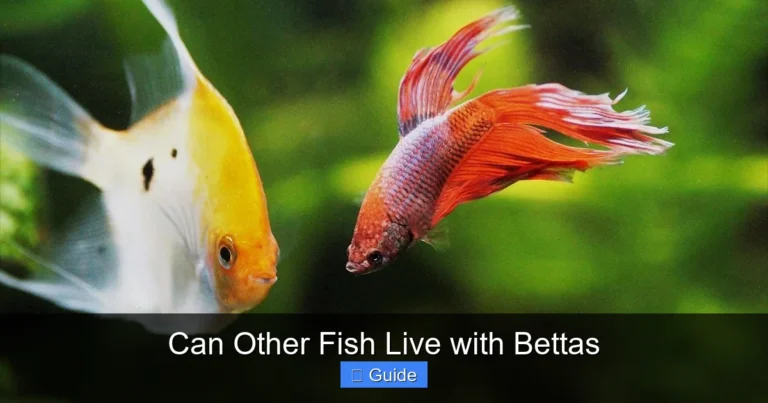
Can Other Fish Be with Bettas

Yes, other fish can live with bettas — but choosing the right tank mates is essential. Bettas can be territorial, so pairing them with peaceful, non-fin-nipping species makes all the difference. This guide covers the best companions, worst matches, and practical tips for a harmonious betta fish community tank.
Key Takeaways
- Bettas can coexist with other fish: The right tank mates create a beautiful and lively community aquarium.
- Choose peaceful species: Fish like tetras, corydoras, and snails make excellent companions for bettas.
- Avoid aggressive or fin-nipping fish: Some species will stress or harm your betta, leading to health problems.
- Tank size and setup matter: A properly sized tank with hiding spots reduces territorial behavior.
- Monitor your fish closely: Watch for signs of stress or aggression, especially during the first few weeks.
- Female bettas are often more social: They can sometimes live with other fish more easily than males.
- Water quality is critical: Maintaining clean water keeps all fish healthy and reduces conflict.
📑 Table of Contents
- Can Other Fish Be with Bettas? The Complete Guide
- Understanding Betta Temperament
- Best Tank Mates for Bettas
- Fish to Avoid with Bettas
- Setting Up the Perfect Community Tank
- How to Introduce New Fish Safely
- Can Female Bettas Live with Other Fish?
- Common Mistakes to Avoid
- Signs Your Fish Are Not Getting Along
- Expert Insights
- Final Thoughts
Can Other Fish Be with Bettas? The Complete Guide
Many fish owners love bettas for their vibrant colors and flowing fins. But a common question keeps popping up: can other fish be with bettas? The short answer is yes. But it is not always simple.
Bettas are beautiful, but they can also be territorial. Putting the wrong fish in the same tank can lead to stress, injury, or even death. This guide walks you through everything you need to know about betta tank mates. You will learn which fish work, which ones to avoid, and how to set up a peaceful community aquarium.
Whether you are a beginner or a seasoned aquarist, this article gives you practical advice you can use right away. Let us dive in and explore the best ways to build a happy, healthy tank for your betta.
Understanding Betta Temperament
Before adding any tank mates, you need to understand your betta’s personality. Bettas are known as Siamese fighting fish for a reason. Males, in particular, can be aggressive toward other fish that look similar or have long fins.
Why Are Bettas Territorial?
In the wild, bettas defend small territories in rice paddies and slow-moving streams. They flare their gills and spread their fins to scare off rivals. This instinct does not disappear in captivity. Even in a community tank, your betta may see other fish as threats.
Several factors influence how aggressive a betta will be:
- Tank size: Small tanks increase stress and territorial behavior.
- Tank setup: Lots of plants and hiding spots help reduce aggression.
- Betta personality: Some bettas are naturally calm, while others are feisty.
- Gender: Female bettas are generally less aggressive than males.
Understanding these traits helps you make better choices when picking fish companions for your betta.
Best Tank Mates for Bettas
Not all fish are a bad match for bettas. Many peaceful species can coexist beautifully. Here are some of the best options for a betta community tank.
Peaceful Bottom Dwellers
Bottom-dwelling fish are excellent companions because they stay out of your betta’s space. They mind their own business at the tank floor while your betta swims above.
- Corydoras catfish: These small, friendly fish are perfect for community tanks. They scavenge the bottom and rarely bother bettas.
- Kuhli loaches: With their eel-like shape, kuhlis are fascinating to watch and very peaceful.
- Otocinclus catfish: These tiny algae eaters stay small and keep to themselves.
Schooling Fish That Work Well
Schooling fish add movement and color to your tank. Many species are too busy swimming in groups to bother your betta.
- Neon tetras: Brightly colored and peaceful, tetras are a classic choice. You can read more about keeping tetras with bettas in our guide on can bettas be placed with tetra fish.
- Ember tetras: These warm-colored fish are small and non-threatening.
- Rasboras: Harlequin rasboras are hardy and get along well with bettas.
Invertebrates as Companions
Not all tank mates need to be fish. Invertebrates can be great additions too.
- Amano shrimp: These hardworking shrimp clean algae and stay out of your betta’s way.
- Mystery snails: They add charm and help keep the tank clean.
- Cherry shrimp: Small and colorful, though some bettas may try to hunt them.
Can other fish be kept with bettas? Absolutely — if you pick the right species. For a deeper look at compatible fish, check out our article on can other fish be kept with bettas.
Fish to Avoid with Bettas
Just as important as knowing what works is knowing what does not. Some fish are a terrible match for bettas and can cause serious problems.
Fin-Nipping Species
Bettas have long, flowing fins that look like food to fin-nippers. These fish will nip at your betta’s fins, causing stress and open wounds.
- Tiger barbs: These fish are notorious fin-nippers and should never be kept with bettas.
- Serpae tetras: While beautiful, they can be nippy and aggressive.
- Certain danios: Some danio species are too active and may bother bettas.
Aggressive or Dominant Fish
Other aggressive fish will fight with your betta over territory and resources.
- Guppies with long tails: Male guppies resemble bettas and can trigger territorial attacks.
- Cichlids: Most cichlids are too aggressive for a peaceful community setup.
- Goldfish: They grow large, produce lots of waste, and need different water conditions.
Remember, can male bettas be kept with other fish? Yes, but extra care is needed. Males tend to be more aggressive, so choosing very peaceful tank mates is crucial. For more details, see our guide on can male bettas be kept with other fish.
Setting Up the Perfect Community Tank
A good setup makes all the difference. The right environment reduces stress and helps fish coexist peacefully.
Tank Size Requirements
Size matters a lot when housing bettas with other fish. A small bowl is not enough for a community tank.
- Minimum tank size: At least 10 gallons for one betta and a few small companions.
- Ideal size: 20 gallons or more gives everyone room to swim.
- Why it matters: More space means less territory to defend and fewer confrontations.
Plants and Decorations
Live plants are your best friend in a betta community tank. They break up lines of sight and create hiding spots. Bettas love plants like java fern, anubias, and Amazon sword. These plants also help maintain water quality by absorbing nitrates.
Add caves, driftwood, and decorations to give fish places to retreat. This is especially important if your betta feels threatened.
Water Parameters
Bettas and their tank mates need compatible water conditions. Here are the basics:
| Parameter | Ideal Range |
|---|---|
| Temperature | 76-82°F (24-28°C) |
| pH Level | 6.5-7.5 |
| Ammonia | 0 ppm |
| Nitrite | 0 ppm |
| Nitrate | Below 20 ppm |
Keeping these parameters stable prevents health issues and reduces fish stress. Can bettas share a tank with other fish successfully? Yes — when the water is clean and conditions are right. Our article on can bettas share a tank with other fish covers this topic in more detail.
How to Introduce New Fish Safely
Adding new fish to a betta tank should be done carefully. A rushed introduction can cause chaos.
Step-by-Step Introduction Process
- Quarantine new fish: Keep new arrivals in a separate tank for two weeks. Watch for signs of disease.
- Rearrange the tank: Move decorations around before adding new fish. This resets territory lines so your betta does not feel its space is being invaded.
- Add fish simultaneously: If possible, add the new fish at the same time so no single fish claims dominance.
- Feed well before introduction: A full betta is less likely to be aggressive.
- Watch closely for the first 48 hours: Look for flaring, chasing, or hiding behavior.
Following these steps gives your betta and new tank mates the best chance of getting along.
Can Female Bettas Live with Other Fish?
Female bettas are generally more social than males. They can often live in groups called “sororities” and sometimes do well with other fish. Can female bettas be kept with other fish? In many cases, yes. Female bettas tend to be less territorial and more willing to share space.
However, every betta has its own personality. Some females are still quite feisty. Always observe your fish closely and be ready to separate anyone who is being bullied or is bullying others.
For more information about keeping females with companions, visit our guide on can female bettas be kept with other fish.
Common Mistakes to Avoid
Even experienced fish keepers make mistakes. Here are the most common ones when housing bettas with other fish:
- Overcrowding the tank: Too many fish creates stress and aggression. Stick to a manageable number of companions.
- Ignoring water quality: Dirty water leads to disease and irritable fish. Test your water regularly.
- Choosing fish that are too large: Big fish can intimidate or even eat small tank mates.
- Skipping quarantine: Introducing sick fish can wipe out your entire tank.
- Not providing enough hiding spots: Fish need places to escape and feel safe.
- Assuming all bettas are the same: Some bettas are naturally peaceful, while others are not. Know your fish.
Avoiding these mistakes sets you up for success with your betta community tank.
Signs Your Fish Are Not Getting Along
Even with the best planning, things can go wrong. Watch for these warning signs:
- Flaring and chasing: Your betta flares its fins or chases other fish constantly.
- Fin damage: Torn or ragged fins on any fish can mean bullying is happening.
- Loss of appetite: Stressed fish stop eating or eat much less.
- Hiding constantly: A fish that hides all the time is likely feeling threatened.
- Color fading: Stress can cause bettas to lose their vibrant color.
If you notice any of these signs, separate the aggressive fish immediately. Not every combination will work, and that is okay. The safety of your fish always comes first.
Expert Insights
Experienced aquarists agree that preparation is the key to a successful betta community tank. Here are some expert tips:
- Start with a well-established tank: Let your tank cycle fully before adding any fish.
- Choose fish with similar needs: Matching water preferences, temperature, and diet reduces conflict.
- Add plenty of plants: Dense planting creates natural barriers and reduces confrontation.
- Be patient: It can take weeks for fish to settle in and establish a peaceful routine.
- Have a backup plan: Keep a spare tank ready in case you need to separate fish quickly.
These tips come from years of experience and will help you avoid the most common pitfalls. For more advice on choosing companions, explore our guide on can bettas be placed with tetra fish.
Final Thoughts
Can other fish be with bettas? Yes, they can — and they can create a stunning, lively aquarium when paired correctly. The secret is choosing peaceful, compatible species and setting up the right environment. A well-planned community tank benefits both your betta and its tank mates.
Remember to start small, monitor your fish closely, and never be afraid to make changes if something is not working. Every betta is different, and what works for one fish may not work for another. Patience and observation are your greatest tools.
With the right setup and a little care, you can enjoy a beautiful aquarium where your betta and its companions thrive together. Happy fish keeping!
Frequently Asked Questions
What fish can live with bettas safely?
Peaceful species like neon tetras, corydoras catfish, ember tetras, rasboras, and amano shrimp make excellent betta tank mates. These fish are small, non-aggressive, and stay out of the betta’s territory. Always research any fish before adding it to your betta’s tank.
Can betta fish live with goldfish?
No, bettas and goldfish are not a good match. Goldfish need much colder water and produce too much waste for a betta tank. They also grow very large and can bully or outcompete your betta for food.
How many fish can you keep with a betta?
In a 10-gallon tank, one betta and three to five small peaceful fish works well. In a 20-gallon tank, you can add more companions. The key is not to overcrowd the tank and to provide plenty of hiding spots.
Do bettas eat other fish?
Bettas are carnivores and may eat very small fish or shrimp if they fit in their mouth. However, they do not typically hunt healthy adult fish. Keeping appropriately sized tank mates prevents most issues.
Can two male bettas live in the same tank?
No, two male bettas should never be housed together. They will fight aggressively, often to the death. Female bettas can sometimes be kept in groups, but even then, careful monitoring is required.
What should I do if my betta is attacking other fish?
If your betta shows persistent aggression, separate it immediately. Try rearranging the tank decor, adding more plants, or reducing the number of tank mates. Some bettas simply do not do well with companions, and that is perfectly fine.