Are Betta Fish Good to Keep with Guppies
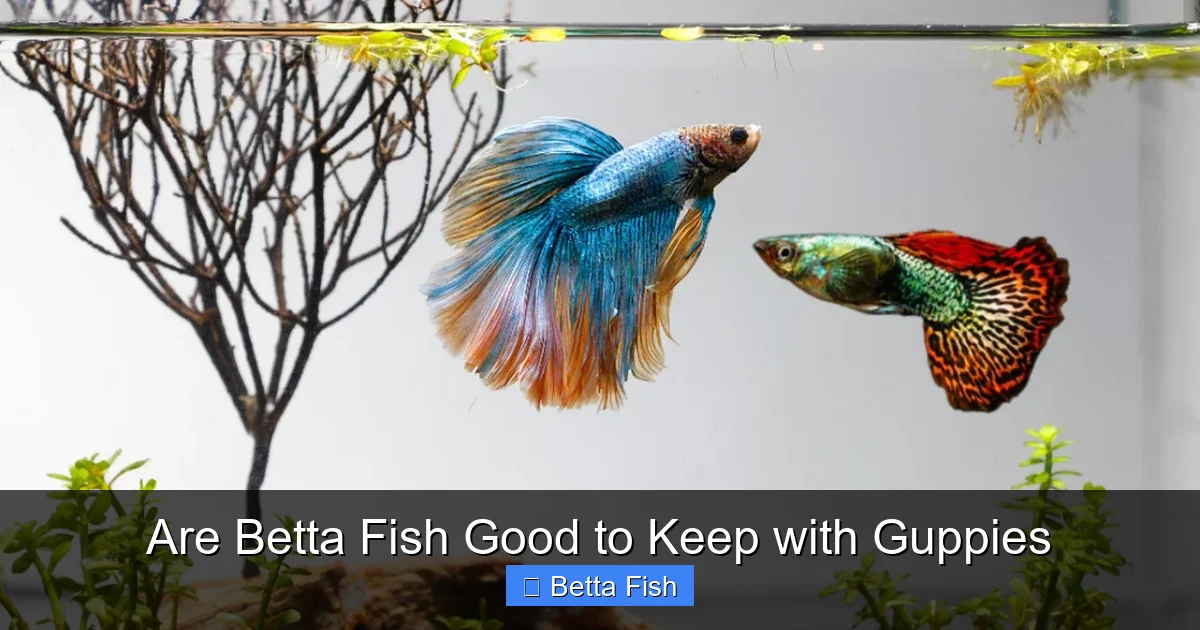
Betta fish can sometimes share a tank with guppies, but success depends on temperament, tank size, and careful planning. By providing plenty of hiding spots, monitoring behavior, and maintaining optimal water conditions, you can create a harmonious community that showcases the colors of both species.
Key Takeaways
- Temperament matters: Male bettas are territorial, while females are more tolerant.
- Tank size is crucial: A minimum of 10‑20 gallons gives enough space for both species.
- Provide plenty of plants and hides: Live plants or decorations reduce stress and aggression.
- Watch water parameters: Both bettas and guppies thrive in warm, slightly acidic water (76‑80°F, pH 6.5‑7.5).
- Start with a test run: Introduce guppies first, then add the betta after a few days of observation.
- Feeding should be balanced: Offer both sinking foods and surface treats to meet each fish’s needs.
- Know the signs of stress: Faded colors, frantic swimming, or torn fins mean it’s time to separate.
📑 Table of Contents
- Introduction: The Appeal of a Mixed Betta and Guppy Tank
- Understanding Betta Temperament
- Guppy Characteristics That Matter
- Setting Up the Ideal Community Tank
- Introducing Betta and Guppies: A Step‑by‑Step Guide
- Feeding Both Species Without Competition
- Signs of Compatibility and When to Intervene
- Frequently Asked Questions About Betta‑Guppy Pairings
- Conclusion: Making an Informed Decision
Introduction: The Appeal of a Mixed Betta and Guppy Tank
If you love bright colors and lively swimming, you might wonder, are betta fish good to keep with guppies? Both species are popular among beginners because they’re relatively easy to care for and display stunning hues. Imagine a tank where a regal male betta flashes his fins while a school of guppies darts around, adding sparkle and movement. It sounds like a dream aquarium, but reality can be a bit more complicated.
In this article we’ll walk through the key factors that determine whether bettas and guppies can coexist peacefully. We’ll cover temperament, tank setup, water conditions, feeding, and what to watch for day‑to‑day. By the end you’ll know exactly how to decide if keeping these two together fits your hobby.
Understanding Betta Temperament
Male vs. Female Betta Behavior
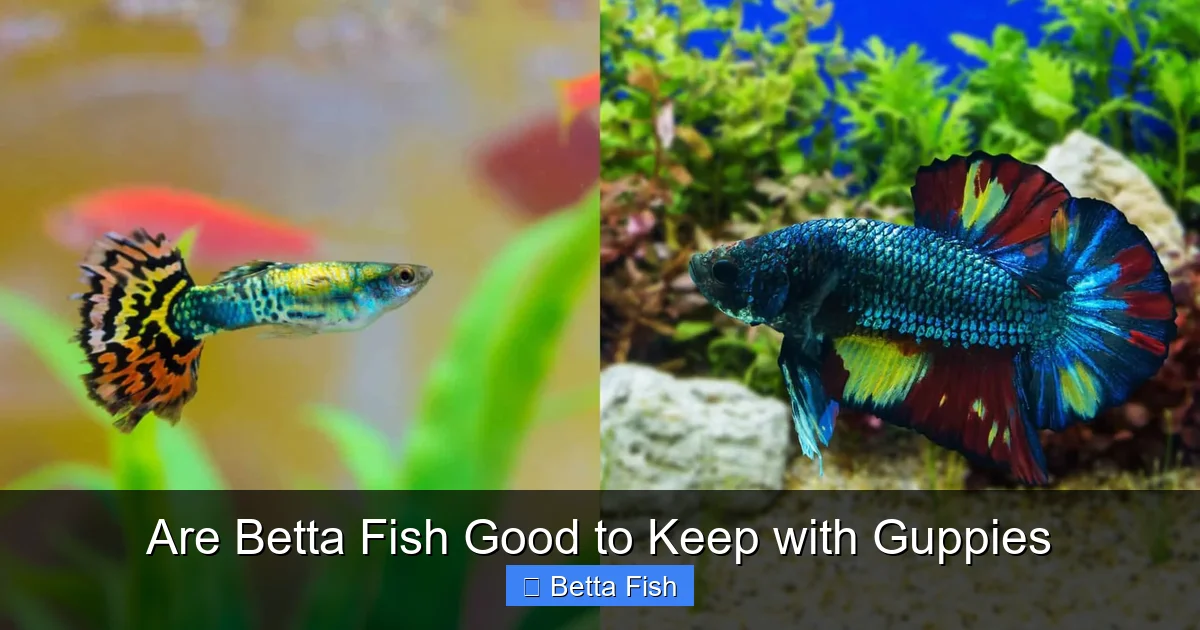
Male bettas, also called Siamese fighting fish, are naturally aggressive toward other similarly colored or finned fish. Their instinct is to defend a territory, especially during breeding season. Female bettas, on the other hand, are generally less combative and can live in small groups called sororities.
Visual guide about Are Betta Fish Good to Keep with Guppies
Image source: aquariadise.com
If you’re planning a community tank, a female betta is often a safer bet. However, many hobbyists successfully keep a single male betta with guppies if the tank is spacious and well‑decorated.
Why Betta Aggression Occurs
Betta aggression stems from two main triggers: visual stimulation and space limitation. Brightly colored, fast‑moving fish can be mistaken for a rival. A cramped tank makes the betta feel cornered, prompting defensive displays.
Understanding this helps answer the core question: are betta fish good to keep with guppies? The answer is “it depends” on how you manage these triggers.
Guppy Characteristics That Matter
Social Nature of Guppies
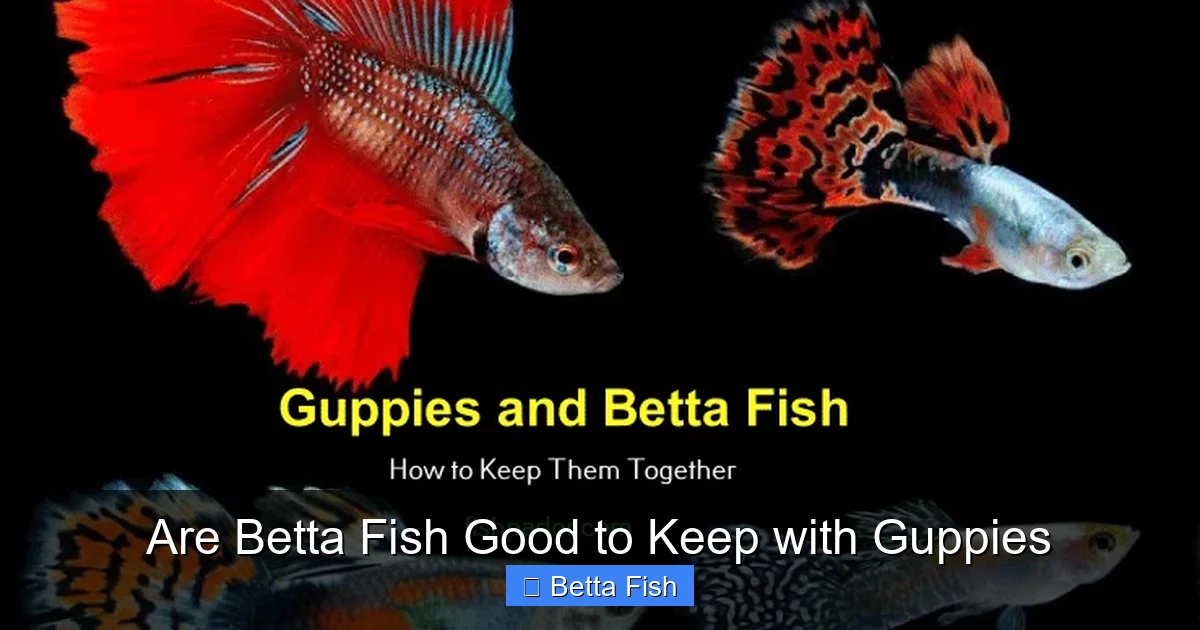
Guppies are schooling fish. They feel safest in groups of at least six, preferably more. Their constant movement and flashing tails can be captivating, but it also means they’re constantly in the betta’s line of sight.
Visual guide about Are Betta Fish Good to Keep with Guppies
Image source: i.pinimg.com
Because guppies are active surface feeders, they often share the same water column as a betta, which can increase the chance of conflict.
Size and Color Considerations
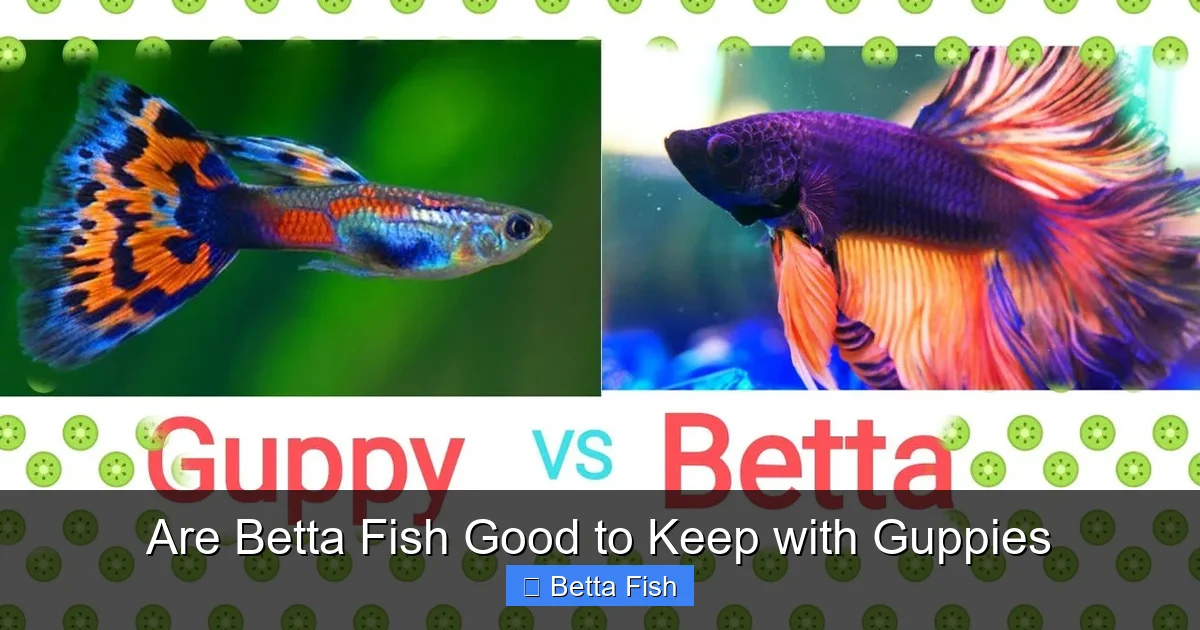
Adult guppies range from 1.5‑2.5 inches, while a male betta can grow up to 3 inches. The size difference isn’t huge, so a larger guppy might even trigger a betta’s territorial response. Choose guppies with muted colors or keep them in a separate area of the tank to reduce visual provocation.
Setting Up the Ideal Community Tank
Tank Size and Layout
For a mixed betta‑guppy setup, aim for at least a 10‑gallon tank; 20 gallons is ideal. This provides enough horizontal space for territories and a school of guppies to swim without crowding.
Visual guide about Are Betta Fish Good to Keep with Guppies
Image source: i.ytimg.com
Divide the tank visually using plants, driftwood, or rock structures. This creates “zones” where each species can retreat. A good rule of thumb: the more hiding places, the less stress.
Live Plants and Decorations
Live plants such as Java moss, Anubias, and floating duckweed are excellent because they soften water, provide cover, and absorb excess nutrients. Guppies love to hide among dense foliage, while bettas can rest near the surface or on broad leaf tops.
Place taller plants at the back and shorter ones up front, creating a layered effect. Add caves, PVC pipes, or ceramic pots for extra security.
Water Parameters: One Set of Rules for Both
- Temperature: 76‑80°F (24‑27°C) – both species thrive here.
- pH: 6.5‑7.5 – slightly acidic to neutral.
- Hardness: 5‑12 dGH – moderate.
- Filtration: Gentle flow; bettas dislike strong currents.
Regularly test water with a reliable kit and perform 20‑30% water changes weekly. Consistent parameters reduce stress and keep both fish healthy.
Introducing Betta and Guppies: A Step‑by‑Step Guide
Step 1 – Prepare the Tank
Cycle the tank for at least two weeks before adding any fish. Use a starter filter and a heater set to the target temperature. Add the live plants and let them root for a few days.
Step 2 – Add Guppies First
Introduce a small school of guppies (6‑8) and let them establish a territory. Observe them for a week; they should be active, showing bright colors and no signs of disease.
Step 3 – Acclimate the Betta
Use the drip acclimation method to slowly adjust the betta to the tank’s water. This reduces shock and helps the betta settle calmly.
Step 4 – Monitor Interactions
For the first 48‑72 hours, keep a close eye on behavior. Signs of aggression include flaring fins, chasing, or nipping at guppy tails. If the betta appears overly stressed, consider a divider or a separate tank.
Step 5 – Fine‑Tune the Environment
Adjust plant placement or add more hiding spots if you notice tension. Sometimes simply moving a floating leaf can give a guppy a safe escape route.
Feeding Both Species Without Competition
Choosing the Right Foods
Betas prefer protein‑rich foods like pellets and occasional frozen bloodworms. Guppies thrive on a varied diet of flakes, micro‑worms, and plant matter.
Offer sinking pellets for guppies near the bottom and a small floating pellet dish for the betta at the surface. Feed small portions 2‑3 times a day; over‑feeding can foul water quickly.
Preventing Food Competition
Place food in different zones: a low‑water feeding spot for guppies and a surface dish for the betta. Observe that each fish gets its share within a few minutes; remove any excess to keep water clean.
Signs of Compatibility and When to Intervene
Positive Indicators
- Both species display normal, vibrant colors.
- Guppies swim together, and the betta remains relaxed, not constantly flaring.
- Feeding is calm, with each fish eating its designated food.
Warning Signs of Stress
- Faded or torn fins on guppies.
- Betta constantly flaring, chasing, or hiding.
- Rapid gasping at the surface, indicating poor water quality.
If any of these appear, act quickly. Separate the fish using a breeder box or a tank divider. Re‑evaluate tank size, plant density, and the number of guppies.
Frequently Asked Questions About Betta‑Guppy Pairings
Can a male betta live with guppies?
Yes, but only in a well‑planted, spacious tank where the betta’s territory is clearly defined. Monitor closely for aggression.
Do female bettas get along better with guppies?
Female bettas are generally more tolerant and can coexist with a small guppy school more easily than males.
What tank size is the minimum for both?
A 10‑gallon tank is the absolute minimum; 20 gallons provides a safer environment and more room for plants.
Should I feed bettas and guppies together?
It’s best to feed them in separate spots to avoid competition. Use sinking foods for guppies and surface pellets for the betta.
How often should I clean a mixed tank?
Perform 20‑30% water changes weekly and prune plants as needed. Keep the filter clean but ensure flow isn’t too strong for the betta.
Is it okay to keep other small fish with bettas and guppies?
Only if those fish are peaceful, non‑fin‑nipping, and the tank is large enough. Species like small rasboras or neon tetras can work, but always research compatibility first.
Conclusion: Making an Informed Decision
So, are betta fish good to keep with guppies? The short answer is yes—under the right conditions. A spacious, well‑planted tank, careful monitoring, and an understanding of each species’ temperament are key. If you’re willing to invest the time to set up a proper environment and watch the fish closely, you can enjoy a vibrant community that showcases the best of both worlds.
Remember, every fish is an individual. Even with perfect setup, personalities may clash. Be prepared to adjust or separate the fish if needed. With patience and the right approach, a betta‑guppy combo can become a stunning centerpiece in your home aquarium.
Frequently Asked Questions
Can betta fish live with guppies?
Yes, bettas can live with guppies if the tank is large enough, well‑planted, and you monitor their behavior closely.
Are male bettas more aggressive toward guppies?
Male bettas are typically more territorial, so they are more likely to chase or flare at guppies compared to females.
What is the safest tank size for a betta‑guppy community?
A minimum of 10 gallons is required, but 20 gallons provides ample space for both species to establish territories.
How often should I feed a mixed betta and guppy tank?
Feed small amounts 2‑3 times a day, offering sinking foods for guppies and surface pellets for the betta.
What plants are best for reducing aggression?
Dense, fast‑growing plants like Java moss, Anubias, and floating duckweed create hiding spots and break line‑of‑sight.
What should I do if the betta starts fin‑nipping?
Immediately separate the fish using a divider or a breeder box, check water parameters, and consider a larger tank or a different tank mate.