How to Setup a Betta Fish Tank Without Filter

Setting up a betta fish tank without filter is easier than most beginners think. You will learn the essential supplies, step-by-step setup process, and how to keep water clean naturally. This guide covers everything you need for a happy, healthy betta in an unfiltered tank.
Keeping a betta fish in a tank without a filter might sound risky at first. Many new fish keepers assume that a filter is absolutely necessary for a healthy aquarium. But the truth is, betta fish can live and even thrive in an unfiltered setup when you follow the right steps. This guide will walk you through everything you need to know about how to setup a betta fish tank without filter, from choosing the right tank to maintaining clean water day after day.
Betta fish are naturally found in warm, slow-moving waters in Southeast Asia. They have evolved to survive in environments with gentle water flow and low filtration. This makes them uniquely suited for a no-filter tank, especially when you take a proactive approach to water care. Whether you are a complete beginner or an experienced hobbyist looking for a simpler setup, this guide has you covered.
Key Takeaways
- Betta fish can thrive without a filter when you maintain water quality through regular changes and live plants.
- A 5-gallon tank is the minimum recommended size for an unfiltered betta setup to keep parameters stable.
- Beneficial bacteria are your best friend in a no-filter tank, so avoid over-cleaning and use gentle methods.
- Live plants help cycle the tank naturally by absorbing ammonia and producing oxygen for your betta.
- Weekly water changes of 25-50% are essential to remove toxins and keep your betta healthy.
- Avoid common mistakes like overcrowding, skipping water conditioner, and using harsh cleaning products.
- Patience and consistency are the keys to success with a betta fish tank without filter setup.
📑 Table of Contents
Why You Might Choose a Betta Tank Without Filter
Simplicity and Cost Savings
One of the biggest reasons people choose a betta fish tank without filter is simplicity. Filters can be expensive, noisy, and require regular maintenance. A filterless setup means fewer equipment costs and less ongoing upkeep. You do not need to buy replacement filter media or worry about a motor burning out.
For budget-conscious hobbyists, this is a huge advantage. A basic betta tank setup without a filter can cost as little as $20 to $40. You just need a tank, a heater, some décor, and a water conditioner. That is it. No complicated filtration systems to figure out.
Less Disturbance for Your Betta
Betta fish prefer calm water. Strong filter currents can stress them out and make it hard for them to swim comfortably. In a tank without filter, the water stays still and peaceful. Your betta can move around effortlessly, build bubble nests, and display its natural behaviors without fighting against a current.
This calm environment also reduces stress, which directly impacts your betta’s health and lifespan. A relaxed betta is a happier betta. Many experienced keepers actually prefer the stillness of an unfiltered tank for this very reason.
Essential Supplies for Your Setup
Before you start, make sure you have everything you need. Setting up a betta tank without filter is simple, but you still need the right equipment to keep your fish healthy and safe.
Tank Size
Choose a tank that is at least 5 gallons. A 5-gallon tank is the sweet spot for a single betta without a filter. It gives your fish enough room to swim while keeping water parameters more stable than a smaller bowl. Tanks smaller than 3 gallons can become toxic very quickly because waste builds up fast in tiny volumes of water.
If you want to keep your setup simple, a 5-gallon glass aquarium works perfectly. Just make sure it comes with a lid, because bettas are known jumpers.
Heater and Thermometer
Betta fish need warm water between 76 and 82 degrees Fahrenheit. A small submersible heater rated for 5 gallons will do the job. Pair it with a simple adhesive thermometer so you can monitor the temperature daily.
Without a filter, temperature stability becomes even more important. Fluctuations can weaken your betta’s immune system and lead to illness. Keep the tank away from windows, drafts, and direct sunlight.
Water Conditioner and Dechlorinator
Tap water contains chlorine and chloramine, both of which are harmful to bettas. A good water conditioner removes these chemicals instantly. This is non-negotiable. You must use a water conditioner every time you add new water to the tank.
Look for a conditioner that also neutralizes heavy metals. Brands like Seachem Prime or API Stress Coat are popular and effective choices. A bottle will last for months and costs very little.
Live Plants and Substrate
Live plants are a game-changer for an unfiltered betta tank. They absorb ammonia and nitrates, produce oxygen, and create a more natural environment. Easy beginner plants like java fern, anubias, and amazon sword work great.
For substrate, use fine gravel or sand. Avoid sharp substrates that could damage your betta’s long fins. A thin layer of 1 to 2 inches is all you need.
Step-by-Step Setup Process
Now that you have your supplies, let us walk through the actual setup process. Follow these steps carefully, and your betta will have a safe and comfortable home from day one.
Step 1: Rinse and Prepare the Tank
Start by rinsing the tank with clean water. Do not use soap or any cleaning chemicals. Soap residue is extremely toxic to fish and can kill your betta quickly. Rinse the inside and outside of the tank thoroughly with warm water only.
Next, rinse your gravel or substrate in a colander under running water. Stir it around gently to remove dust and debris. Once the water runs clear, spread the substrate evenly across the bottom of the tank.
Step 2: Add Decorations and Plants
Place your live plants first, anchoring them into the substrate. Then add decorations like caves, driftwood, or smooth rocks. Make sure there is plenty of open swimming space left. Bettas love to explore, but they also need room to glide freely.
Avoid sharp or rough decorations that could tear your betta’s delicate fins. Smooth out any rough edges with your fingers before adding them to the tank.
Step 3: Fill with Water and Condition It
Place a plate or plastic bag on the substrate and pour the water slowly onto it. This prevents the substrate from stirring up and clouding the water. Fill the tank to about one inch below the rim.
Add your water conditioner according to the bottle instructions. For a 5-gallon tank, dose the conditioner directly into the tank after filling. Let the water sit for a few minutes so the conditioner can fully neutralize the chlorine.
Step 4: Install the Heater and Let the Tank Cycle
Attach the heater to the side of the tank and set it to 78 degrees Fahrenheit. Do not turn it on yet. First, let the tank run for 24 hours to make sure everything is working properly and there are no leaks.
After 24 hours, turn on the heater and let the tank cycle for at least 7 days. Cycling builds up beneficial bacteria that break down harmful toxins. You can speed up this process by adding a small amount of fish food or pure ammonia. This is the same process you would use when you cycle a betta tank without fish.
Step 5: Introduce Your Betta Fish
After the tank has cycled, it is time to add your betta. Float the bag your betta came in on the surface for 15 to 20 minutes. This helps equalize the temperature between the bag and the tank water.
Then slowly add small amounts of tank water to the bag over the next 15 minutes. This helps your betta adjust to the new water chemistry. Finally, gently release your betta into the tank using a net. Do not pour the bag water into the tank.
Maintaining Water Quality Without a Filter
This is the most important part of keeping a betta fish tank without filter. Without mechanical filtration, waste can build up fast. But with a consistent routine, you can keep the water clean and safe for your fish.
Perform Regular Water Changes
Water changes are your primary cleaning method in a no-filter tank. Aim to do a 25 to 50 percent water change every week. Use a turkey baster or small siphon to remove debris from the substrate while you drain the water.
Always treat the new water with conditioner before adding it back. Never add untreated tap water directly to the tank. If you are unsure about the process, check out this guide on how to clean a betta fish tank without filter for detailed water change instructions.
Test Your Water Parameters Regularly
Invest in a basic liquid test kit. You need to monitor ammonia, nitrite, and nitrate levels weekly. In a tank without filter, ammonia can spike quickly if you skip water changes.
Here is a quick reference for safe levels:
- Ammonia: 0 ppm (zero is the only safe level)
- Nitrite: 0 ppm (zero is the only safe level)
- Nitrate: Below 20 ppm
If any of these parameters are off, do a larger water change immediately. A 50 percent change can quickly bring levels back to safe ranges.
Add Live Plants for Natural Filtration
Live plants act as a natural biological filter. They absorb ammonia and nitrates through their roots and leaves. The more plants you have, the more waste they can process. This is why plants are so valuable in an unfiltered setup.
Fast-growing plants like hornwort and water wisteria are especially effective. They absorb nutrients rapidly and help keep the water crystal clear. Plus, bettas love the cover and shade that dense plantings provide.
Use Gentle Cleaning Methods
When it is time to clean the tank, always be gentle. Never use soap, bleach, or any harsh chemicals. These products are lethal to fish even in tiny traces. Use warm water and a soft sponge to wipe down the glass.
Rinse filter media or sponges in old tank water, never tap water. Tap water kills beneficial bacteria. If you follow the routine of regular water changes, you will rarely need to do deep cleanings anyway.
Common Mistakes to Avoid
Overfeeding Your Betta
Overfeeding is the number one mistake new betta keepers make. Excess food decays rapidly in unfiltered water and spikes ammonia levels. Feed your betta 2 to 3 pellets twice a day. Remove any uneaten food after 5 minutes.
Remember, bettas have small stomachs about the size of their eye. A little goes a long way. Overfeeding does not just pollute the water, it can also cause serious health problems like bloating and constipation.
Skipping Water Conditioner
Some beginners think they can just use tap water directly. This is a dangerous mistake. Chlorine and chloramine in tap water will burn your betta’s gills and skin. Always use a water conditioner, every single time, no exceptions.
Using Too Small a Tank
A 1-gallon bowl might look cute, but it is extremely difficult to maintain stable water parameters. Waste concentrates quickly in small volumes. A 5-gallon tank gives you a much bigger buffer and makes your maintenance routine far easier.
If you have been searching for how to clean a 1 gallon betta fish tank, you already know how challenging tiny tanks can be. Upgrading to a 5-gallon setup will make your life much easier.
Neglecting the Heater
Room temperature water is almost always too cold for bettas. They need consistent warmth to stay healthy. A heater is just as essential as a filter, even in a no-filter setup. Cold water weakens the immune system and can lead to fin rot and other illnesses.
Benefits of an Unfiltered Betta Tank
Easier Maintenance Routine
Without a filter, you have fewer parts to clean and maintain. There is no filter media to replace, no motor to troubleshoot, and no electricity costs for filtration. Your maintenance routine boils down to regular water changes and temperature monitoring.
This simplicity is actually a major advantage. Many hobbyists find that an unfiltered betta tank is easier to manage long-term than a filtered one with complex equipment.
Natural Aesthetic
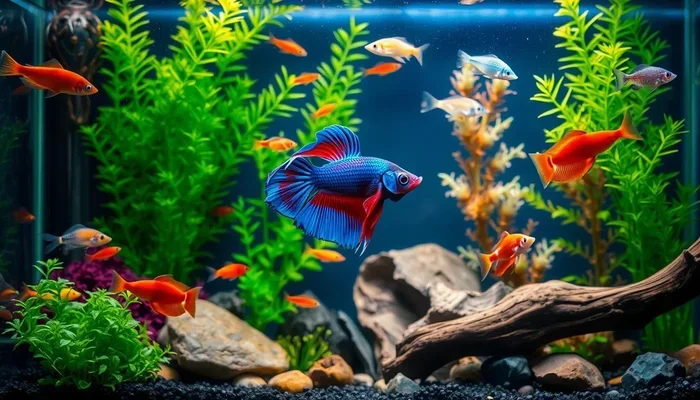
An unfiltered betta tank often looks more natural and peaceful. Without the bulky filter taking up space, you can focus on creating a beautiful planted aquascape. The result is a stunning display that brings a sense of calm to any room.
Lower Energy Consumption
Without a filter running 24/7, your energy costs are lower. A small heater uses very little electricity, and that is the only continuous power draw in your setup. This makes an unfiltered betta tank an eco-friendly choice as well.
Final Thoughts on Your Betta Tank Setup
Setting up a betta fish tank without filter is a rewarding experience that any fish keeper can enjoy. The key is consistency. Stay on top of weekly water changes, test your water regularly, and keep the tank environment stable and stress-free.
Your betta fish does not need a fancy filter to live a happy, healthy life. It needs clean water, proper temperature, and a peaceful environment. With the right supplies and a simple routine, you can create a beautiful home for your betta that requires less equipment and less hassle.
Start small, stay consistent, and enjoy the process. Watching your betta glide through a lush, planted tank is one of the most rewarding experiences in the hobby. You have got this, and your fish will thank you for it.
Frequently Asked Questions
Can betta fish really live without a filter?
Yes, betta fish can absolutely live without a filter. They originate from slow-moving, warm waters in Southeast Asia where natural filtration is minimal. With regular water changes and live plants, an unfiltered tank can be a perfectly healthy home for your betta.
How often should I do water changes in an unfiltered betta tank?
Aim for a 25 to 50 percent water change every week. This removes accumulated waste and keeps ammonia and nitrite levels at zero. If you have a heavily planted tank, you may be able to stretch to 20 percent weekly changes.
Do I need live plants if my betta tank has no filter?
Live plants are highly recommended for unfiltered tanks. They naturally absorb ammonia and nitrates, produce oxygen, and create a more stable environment. At minimum, add a few low-maintenance plants like java fern or anubias to help keep the water clean.
What size tank is best for a betta without a filter?
A 5-gallon tank is the ideal minimum size. It provides enough water volume to dilute waste and keep parameters stable. Tanks smaller than 3 gallons become toxic much faster and require very frequent water changes.
Can I use a sponge filter instead of a regular filter?
Yes, a sponge filter is a great alternative. It provides gentle mechanical and biological filtration without creating strong currents. However, a sponge filter does add some equipment to your setup, which goes against the simplicity of a true no-filter tank.
How long does it take to cycle a betta tank without a filter?
Cycling an unfiltered tank typically takes 4 to 6 weeks. During this time, beneficial bacteria colonize the substrate and plants. You can speed up the process by adding a source of ammonia and testing water parameters regularly until they stabilize.