How Long Is a Betta Fish Pregnant For

A betta fish is pregnant for about 2 to 4 weeks, with the average gestation period lasting around 21 days. During this time, you will notice a white dot called the gravid spot, a swollen belly, and changes in behavior. Understanding the betta fish pregnancy timeline helps you provide the right care for your fish before, during, and after birth.
If you own a betta fish, you might be wondering how long is a betta fish pregnant for. It is a common question among fish keepers, especially those who are new to breeding. The answer is simpler than you might think, but there is a lot more to learn about the process.
Betta fish pregnancy, also called the gestation period, typically lasts between 2 and 4 weeks. The average is around 21 days. During this time, your fish goes through several visible changes. Her belly swells, a white spot appears near her underside, and her behavior shifts in noticeable ways.
Understanding the betta fish pregnancy timeline helps you provide better care. It also prepares you for what happens after the eggs are released. Whether you are a beginner or a seasoned fish keeper, knowing the signs and stages of pregnancy makes a big difference. This guide covers everything you need to know, from the first signs of pregnancy to raising betta fry after birth.
The process of betta fish breeding is fascinating. Unlike mammals, bettas do not carry live young. The female produces eggs, and the male fertilizes them externally. He then places the fertilized eggs into a bubble nest that he builds at the surface of the water. This whole cycle is full of interesting behaviors and important care steps.
Key Takeaways
- Betta fish pregnancy lasts 2 to 4 weeks: The average gestation period is about 21 days, though it can vary based on water temperature and the fish’s health.
- Look for key signs early: A white gravid spot, swollen belly, and changes in appetite are the most reliable indicators that your betta is pregnant.
- Proper tank setup matters: A clean, warm tank with hiding spots helps reduce stress for both the mother and her fry.
- The male betta plays a big role: He builds a bubble nest and takes care of the eggs and fry after the female deposits them.
- Feeding is critical during pregnancy: Offering high-quality food in small amounts supports the health of the mother and her developing eggs.
- Separate the female after breeding: Removing the female from the breeding tank protects her from aggression by the male, who focuses on tending the eggs.
- Fry care requires patience: Baby bettas need tiny food like infusoria and grow quickly with proper attention.
📑 Table of Contents
How Long Is a Betta Fish Pregnant For?
The betta fish gestation period lasts about 21 days on average. However, it can range from 14 days to as long as 4 weeks. Several factors influence how long the pregnancy lasts. Water temperature, the health of the fish, and diet all play a role.
Warmer water tends to speed up development. If your tank is kept at the ideal temperature of 78 to 80 degrees Fahrenheit, the eggs develop faster. Cooler water slows things down. This is one reason why maintaining stable tank conditions matters so much.
What Affects the Length of Pregnancy?
Multiple factors can change how long your betta is pregnant. Here are the most common ones:
- Water temperature: Warmer tanks lead to faster egg development. Colder tanks slow it down.
- Fish age and health: A healthy, well-fed female carries eggs more efficiently.
- Stress levels: A stressed betta may delay or complicate the pregnancy process.
- Tank conditions: Clean water and proper filtration support a healthy gestation period.
- Diet quality: Nutritious food helps the female produce healthy eggs.
Keeping these factors in check ensures a smoother pregnancy. If you want to learn more about maintaining the right environment, check out our guide on how to set up a fish tank for betta fish.
Signs Your Betta Fish Is Pregnant
Spotting the signs of pregnancy early makes a huge difference. The female betta fish shows several clear clues when she is carrying eggs. Learning to recognize these signs helps you prepare for the next steps.
The Gravid Spot
The most obvious sign is the gravid spot. This is a small white dot located near the bottom of the female’s belly. As the eggs develop inside her, the spot becomes more visible. It may also appear slightly darker or more pronounced as the due date approaches.
Not all bettas show the same level of spot visibility. Fish with darker coloring may make the spot harder to see. Look closely, especially in good lighting. If you are unsure, try viewing the fish from below the tank for a better angle.
Swollen Belly
A pregnant betta fish has a noticeably rounder belly. The swelling is not as extreme as it might look in other fish species, but it is visible. The belly should appear firm, not soft or sunken. If the belly looks bloated or the fish seems uncomfortable, that could signal a health issue rather than pregnancy.
Changes in Behavior
Pregnant bettas often behave differently. You might notice the following changes:
- Increased appetite: She may eat more, especially if you offer live or frozen foods.
- Restlessness: The fish may swim more erratically or seem less active.
- Flaring at other fish: Hormonal changes can make her more territorial.
- Searching for hiding spots: She may look for quiet places to feel safe.
- Loss of color temporarily: Some females fade in color during the early stages of pregnancy.
If you notice these signs, it is a good idea to review your betta fish care routine. Proper nutrition and a stress-free environment support a healthy pregnancy. You can read more about daily care in our article on how to care for a betta fish.
The Betta Fish Pregnancy Timeline
The pregnancy journey unfolds in stages. Each stage has its own signs and care requirements. Understanding the timeline helps you stay prepared for every phase.
Week 1: Egg Development Begins
During the first week, the female’s body starts producing eggs. You may notice the gravid spot beginning to appear. Her appetite might increase slightly. At this stage, the fish looks mostly normal, but careful observation reveals early changes.
Week 2: Eggs Mature
By the second week, the eggs mature inside the female. The belly swells more noticeably. The gravid spot becomes clearer. The female may start showing interest in the male’s bubble nest if he has built one. This is a natural part of the betta fish mating behavior.
Week 3: The Breeding Process
This is the most active phase. The male and female engage in a courtship dance. The male wraps his body around the female to collect the eggs. He then fertilizes them and places them in the bubble nest. The female is usually released after this process and should be moved to a separate tank.
The entire spawning process can take a few hours. It is important not to disturb the tank during this time. Stress can cause the female to eat the eggs or harm herself.
Week 4: Fry Hatch and Grow
After about 24 to 48 hours, the eggs hatch. The male betta carefully tends to the fry, retrieving any eggs that fall from the nest. The fry stay attached to the bubble nest for the first few days. They absorb their yolk sacs for nutrition during this time.
Once the yolk sacs are absorbed, the fry become free-swimming. This is when you need to start feeding them specially prepared food. More on fry care below.
How to Care for a Pregnant Betta Fish
Caring for a pregnant betta requires attention to detail. The goal is to keep the female healthy and stress-free throughout the process. Small changes in feeding, tank conditions, and tank mates make a big impact.
Feeding a Pregnant Betta
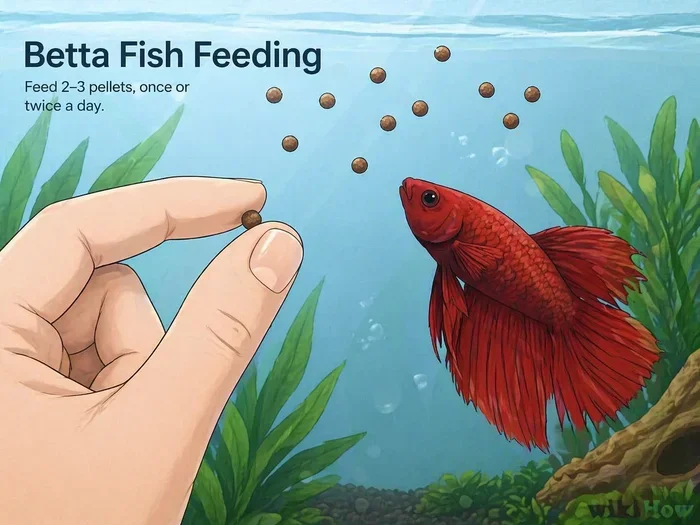
A pregnant betta needs high-quality nutrition. Offer small amounts of food multiple times a day. Good food options include:
- Live brine shrimp
- Frozen bloodworms
- High-quality betta pellets
- Daphnia
- Mosquito larvae
Feeding the right amounts is just as important as feeding the right foods. Overfeeding can lead to health problems. For guidance on proper portions, see our article on how much food for a betta fish.
Tank Conditions for a Pregnant Betta
The tank environment plays a key role in a healthy pregnancy. Follow these tips:
- Keep the water warm: Maintain a temperature between 78 and 80 degrees Fahrenheit.
- Test the water regularly: Check ammonia, nitrite, and nitrate levels weekly.
- Use a gentle filter: Strong currents can stress a pregnant betta.
- Add hiding spots: Live plants or decorations give the fish a sense of security.
- Perform regular water changes: Replace about 20 to 25 percent of the water each week.
Clean water reduces the risk of infection and supports the immune system. If you are new to water changes, our guide on how to do a water change for betta fish walks you through the process step by step.
Tank Mates and Stress Reduction
A pregnant betta does best in a calm environment. Avoid housing her with aggressive tank mates. If you keep other fish, choose peaceful species that do not bother the betta. For ideas, read our guide on what is a good tank mate for a betta fish.
Stress weakens the immune system. A stressed fish is more prone to illness, and illness can complicate the pregnancy. Watch for signs of stress such as clamped fins, rapid breathing, or loss of appetite. Address these issues quickly.
What Happens After Your Betta Gives Birth
The birth of betta fry is an exciting moment. But the process does not end there. After the eggs hatch, you need to take specific steps to ensure the fry survive and grow strong.
Caring for Betta Fry
Newly hatched fry are very tiny. They need specially prepared food that is small enough for them to eat. Here is a feeding plan for the first few weeks:
- Days 1 to 3: The fry absorb their yolk sacs. No external food is needed.
- Days 3 to 7: Start feeding infusoria or liquid fry food.
- Week 2: Introduce baby brine shrimp or microworms.
- Week 3 and beyond: Gradually move to crushed betta pellets or finely ground flakes.
Feeding small amounts multiple times a day works best. Remove any uneaten food immediately to keep the water clean. Poor water quality is one of the biggest threats to fry survival.
When to Separate the Fry
As the fry grow, they become more independent. Move them to their own tank once they are large enough to not be eaten by adult fish. This usually happens around 4 to 6 weeks of age. A separate tank gives them the best chance to grow without competition or predation.
Signs of Trouble After Birth
Sometimes, complications arise after birth. Watch for these warning signs:
- The female looks weak or lethargic after releasing eggs.
- The male stops tending to the bubble nest.
- Fry stop eating or appear listless.
- Water parameters spike suddenly.
If you notice any of these issues, act quickly. Test the water, adjust temperatures if needed, and consider a salt bath for the mother. Our guide on how to do a salt bath for betta fish provides detailed instructions.
Common Mistakes to Avoid
Even experienced fish keepers make mistakes during the breeding process. Here are the most common ones and how to avoid them.
Keeping the Female with the Male Too Long
The male betta can become aggressive after breeding. He focuses entirely on protecting the eggs and fry. Leaving the female in the same tank puts her at risk of injury. Always remove her once the eggs are safely in the bubble nest.
Overfeeding the Female
Extra food does not speed up pregnancy. It only pollutes the water and causes health issues. Stick to a consistent feeding schedule with appropriate portions.
Ignoring Water Quality
Dirty water is the enemy of healthy eggs and fry. Perform regular water changes and monitor parameters closely. Neglecting this step is one of the fastest ways to lose eggs or fry.
Disturbing the Bubble Nest
The male betta works hard to build and maintain the bubble nest. Avoid tapping on the tank or creating strong currents near the surface. Disturbing the nest can cause the male to abandon it, which puts the eggs at risk.
Not Having a Plan for the Fry
Betta fish can produce 100 to 300 eggs per spawn. That is a lot of fry to care for. Before you breed your fish, make sure you have a plan. Decide in advance whether you will raise them, give them away, or sell them.
Taking these precautions helps ensure a successful breeding experience. If you want to learn more about identifying health issues, read our article on how do you know a betta fish is dying to recognize warning signs early.
Expert Tips for Successful Betta Breeding
Breeding betta fish can be rewarding when done correctly. Here are some expert tips that make a real difference:
- Condition the breeding pair: Feed the male and female high-quality foods for 1 to 2 weeks before introducing them.
- Use a breeding tank: A separate 5 to 10 gallon tank gives the pair privacy and makes cleanup easier.
- Watch the courtship dance: The male flares and wraps around the female. This is normal and expected.
- Be patient: Not every breeding attempt is successful. Give the fish time to adjust.
- Keep records: Note the breeding date and any observations. This helps you track the pregnancy and improve future attempts.
Each breeding experience teaches you something new. Over time, you will become more confident and skilled at raising healthy betta fry.
Conclusion
So, how long is a betta fish pregnant for? The answer is about 2 to 4 weeks, with 21 days being the average. The betta fish pregnancy timeline involves egg development, mating behavior, and careful post-birth care. By understanding each stage, you can provide the best possible environment for your fish.
From spotting the gravid spot to raising tiny fry, every step matters. Feed your pregnant betta well, keep the water clean, and reduce stress as much as possible. These simple steps go a long way in ensuring a healthy pregnancy and strong, thriving fry.
If you are new to betta keeping, start with the basics. Build a solid foundation of knowledge, and the process becomes much easier. Every successful breeding experience builds your confidence and deepens your understanding of these beautiful fish.
Take what you have learned here and apply it. Your betta fish will thank you with a healthy, successful breeding cycle. And who knows, you might just find yourself raising the next generation of vibrant, beautiful bettas.
Frequently Asked Questions
Can a betta fish be pregnant without a male?
No. Female betta fish can hold eggs without a male present, but they will not actually become pregnant in the way mammals do. The eggs need to be fertilized by a male for offspring to develop. Without a male, the eggs are unfertilized and will not hatch.
How many eggs does a betta fish lay at once?
A female betta fish can lay anywhere from 10 to 300 eggs per spawn, depending on her age, size, and health. First-time mothers tend to lay fewer eggs, while mature, healthy females produce larger clutches.
How can you tell if a betta fish is pregnant or just bloated?
A pregnant betta has a round, firm belly with a visible white gravid spot near the underside. A bloated fish often has a softer, more distended belly and may show other signs of illness such as clamped fins or loss of appetite. If you are unsure, observe the fish over a few days for changes.
Should I separate the female betta from the male during pregnancy?
It is best to keep the female and male together only during the breeding process. Once the eggs are in the bubble nest, remove the female to a separate tank. The male can become aggressive after breeding, and keeping them together risks injury to the female.
How long do betta fry take to become independent?
Betta fry become free-swimming about 3 to 5 days after hatching. They are fully independent within 4 to 6 weeks, at which point they can be moved to their own tank. During the first few weeks, they need very small, frequent feedings.
What should I feed a pregnant betta fish?
A pregnant betta benefits from high-protein foods such as live brine shrimp, frozen bloodworms, daphnia, and quality betta pellets. Feed small amounts 2 to 3 times a day to avoid overfeeding and keep the water clean.