Why Is It Better to Fish in the Rain
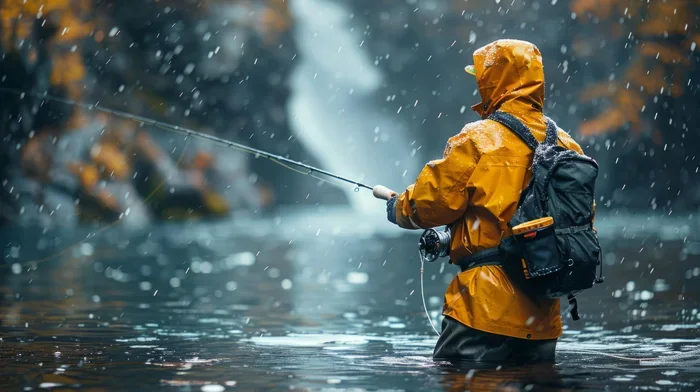
Fishing in the rain can seriously boost your catch rate. Rain stirs up insects, increases oxygen levels, and makes fish more active and willing to bite. Whether you are a beginner or a seasoned angler, understanding why it is better to fish in the rain can transform your next trip on the water.
There is something magical about fishing in the rain. The sound of droplets hitting the water, the fresh earthy smell, and the quiet solitude of a cloudy day on the lake — it all adds up to an experience that every angler should try at least once.
But beyond the atmosphere, why is it better to fish in the rain? The answer is rooted in science, fish behavior, and nature’s cycles. Rain changes the water in ways that directly affect how fish feed, move, and react to bait. Once you understand these dynamics, you will never look at a rainy day the same way again.
Many anglers avoid fishing when the sky opens up. They assume the conditions are too harsh or that fish will not bite. But the opposite is often true. Fishing in the rain can produce some of the best catches of the year. Let us break down exactly why this happens and how you can take full advantage of it.
Key Takeaways
- Rain increases oxygen levels in the water, making fish more active and eager to feed.
- Insect activity spikes during rain, drawing fish to the surface and creating natural feeding opportunities.
- Cloud cover reduces light penetration, making fish feel safer and more likely to bite.
- Fishing before a storm can be highly productive due to dropping barometric pressure.
- Freshwater fishing in the rain offers unique advantages over fishing in clear, sunny conditions.
- Wearing proper rain gear keeps you comfortable and safe while fishing in wet conditions.
- Fish behavior changes during rain, and understanding these patterns helps you target species more effectively.
📑 Table of Contents
The Science Behind Why Fishing in the Rain Is Better
Rain does not just darken the sky. It triggers a chain of events in the water that directly benefits anglers. Understanding this science helps you fish smarter, not harder.
Oxygen Levels Rise After Rain
When raindrops hit the surface of a lake or river, they create tiny bubbles and disturb the water. This process increases dissolved oxygen in the water. Fish need oxygen to thrive, and higher oxygen levels make them more active and hungry.
Think of it this way. When the air is still and the water is calm, oxygen levels can drop. Fish become sluggish and less interested in food. Rain breaks that stagnation. It refreshes the water and wakes fish up. This is one of the biggest reasons why it is better to fish in the rain.
Barometric Pressure Drops Before and During Rain
Barometric pressure plays a huge role in fish behavior. Before a rainstorm, the air pressure drops. Fish can sense this change. Many species interpret falling pressure as a signal to feed aggressively before the weather worsens.
This is why experienced anglers often head out before a storm arrives. The feeding window can be short but incredibly productive. If you have ever wondered why fish suddenly start biting right before a downpour, now you know. The barometric pressure and fishing connection is real and well-documented.
How Rain Affects Fish Behavior
Fish are creatures of habit, but they also respond to environmental changes. Rain creates conditions that shift how fish behave throughout the day.
Fish Move Closer to the Surface
Rain stirs up the water column. It pushes insects, debris, and nutrients toward the surface. Fish follow this food. Species like bass, trout, and bluegill often move shallower during rain, making them easier to target from the shore or a boat.
If you usually fish deep water on sunny days, try moving to the shallows the next time it rains. You may be surprised at how many fish are cruising near the top. This is especially true for freshwater fishing in the rain, where the surface disturbance brings food directly to the fish.
Rain Creates Natural Feeding Opportunities
Insects get knocked into the water during a rainstorm. Worm populations migrate to the surface. Small baitfish get pushed around by the runoff. All of this creates a feeding frenzy for game fish.
Fish do not have to work hard to find food during rain. Nature delivers it right to them. This is why many anglers report better catches on overcast and rainy days compared to bright, sunny mornings. The rain fishing benefits are not just about comfort — they are about survival and feeding patterns for the fish themselves.
Cloud Cover Makes Fish Feel Safer
Bright sunlight makes fish cautious. Shadows from clouds or overhead cover give them a sense of protection. During a rainstorm, the sky is overcast, and light levels drop significantly.
Fish feel less exposed in these conditions. They are more willing to venture into open water and strike at bait. This is why many top anglers prefer fishing when cloudy or rainy over fishing under a blazing sun. The reduced light encourages bolder fish behavior.
Best Times to Fish During Rain
Not all rain is created equal when it comes to fishing. Timing matters a lot. Here is how different rain scenarios affect your chances of success.
Fishing Before the Rain
The hours leading up to a rainstorm are often the most productive. Barometric pressure is dropping, fish are feeding heavily, and the weather is still manageable. This is the sweet spot for many anglers.
If you check the weather forecast and see rain coming, get out early. You will likely enjoy calm winds, clear visibility, and active fish. Is it better to go fishing before or after rain? For most species, the answer is before.
Fishing During Light Rain
Light rain is an angler’s best friend. It keeps you hidden from fish, reduces glare on the water, and continues to stimulate feeding. You can stay on the water comfortably with proper rain gear.
Heavy downpours can make fishing difficult and even dangerous. But a gentle drizzle? That is when magic happens. Fish are active, the water is being oxygenated, and your bait moves naturally in the current created by the rain.
Fishing After the Rain
Post-rain fishing can also be excellent. Runoff carries food into rivers and lakes. Fish are still in a feeding mood from the storm. Water levels may be rising, pushing fish into new areas.
However, there is a catch. After heavy rain, water can become murky and muddy. Visibility drops, and fish may retreat to deeper or calmer spots. Adjust your technique by using brighter lures or bait that creates more vibration. This helps fish find your offering even in low-visibility conditions.
Rain Fishing Tips for Better Catches
Now that you know why rain fishing works, here are practical tips to help you make the most of every rainy trip.
Wear the Right Gear
Staying dry and comfortable is essential. Invest in a quality waterproof jacket, rain pants, and waterproof boots. A good pair of gloves keeps your hands warm and lets you handle your line with precision.
You do not need expensive gear. Even a simple poncho and a hat with a brim will keep you functional on the water. The goal is to stay out longer and enjoy the experience without rushing back to shore.
Use Bright or Noisy Lures
Rain stirs up sediment and reduces water clarity. Fish cannot see as well. This is the time to use lures that rely on vibration and flash rather than natural appearance.
Spinnerbaits, crankbaits with rattles, and bright-colored soft plastics all work well in rainy conditions. The extra noise and vibration help fish locate your bait even when visibility is poor.
Fish Near Runoff Areas
Rain creates runoff that carries food, nutrients, and baitfish into rivers and lakes. These inflow points attract hungry fish looking for an easy meal.
Look for areas where streams or drainage pipes empty into your fishing spot. Fish these areas with live bait or lures that mimic the natural food being washed in. You will likely see increased activity right after the rain starts.
Slow Down Your Retrieve
Fish are less aggressive in cold, rainy conditions. They do not want to chase fast-moving prey. Slow your retrieve way down. Let your bait sit and do its work.
A slow, steady retrieve with occasional pauses can trigger reaction strikes from fish that are not willing to move far. Patience is key when fishing in the rain. Give the fish time to find your bait.
Common Mistakes Anglers Make When Fishing in the Rain
Even experienced anglers can make poor decisions on rainy days. Avoid these mistakes to improve your results.
Staying Home Because of the Weather
The biggest mistake is not going at all. Many anglers cancel their trips when it rains and miss out on some of the best fishing of the year. Do not let a little water keep you off the lake or river.
Remember, is fishing better in the rain? Absolutely. The fish are active, the conditions are favorable, and the crowds are thin. You have every reason to get out there.
Using the Wrong Bait
Bright sunny days call for natural-colored lures. Rainy days call for something different. Using subtle, natural baits in murky rainwater is a recipe for slow fishing.
Switch to brighter colors, add noise-making rattles, and choose baits that create strong vibrations. Match your approach to the conditions, and you will see a noticeable difference.
Ignoring Safety
Rain can make conditions dangerous. Lightning, strong winds, and rising water levels are real risks. Always check the weather forecast before heading out. If thunder roars, go indoors.
Fishing in light rain is safe and productive. Fishing in a severe storm is not worth the risk. Use common sense and prioritize your safety above all else.
Expert Insights on Rain Fishing
Professional anglers and fishing guides consistently rank rainy days among their favorite times to fish. The consensus is clear: rain changes the game in ways that favor the prepared angler.
Many guides recommend targeting bass and panfish during light rain because these species become more aggressive in low-light, high-oxygen conditions. Trout anglers also see great success when rain cools the water temperature and increases flow, making trout more active and willing to chase lures.
The key takeaway from experts is simple. Do not fear the rain. Embrace it. Understand the weather and fishing connection, and you will unlock a whole new level of success on the water.
Final Thoughts
Why is it better to fish in the rain? The evidence is clear. Rain boosts oxygen, triggers feeding behavior, reduces light levels, and creates natural food sources that attract fish. Whether you are fishing before the storm, during a light drizzle, or after the clouds clear, you have a real advantage.
The next time dark clouds roll in, do not pack up your gear. Grab your rod, put on your rain jacket, and head to your favorite fishing spot. You might just catch the biggest fish of your life. Fishing in the rain is not just an alternative — it is often the best option available.
So get out there, embrace the weather, and let the rain work in your favor. Your next great catch could be waiting in those wet, wild conditions.
Frequently Asked Questions
Is it better to fish before or after rain?
Fishing before rain is often more productive because barometric pressure drops and fish feed aggressively. However, fishing after rain can also be excellent as runoff brings food into the water and fish remain in a feeding mood.
Why do fish bite better in the rain?
Fish bite better in the rain because oxygen levels rise, insects fall into the water creating natural food, and cloud cover makes them feel safer. All of these factors combine to make fish more active and willing to strike at bait.
What type of fish are best to catch in the rain?
Bass, trout, bluegill, and catfish are all excellent targets during rainy conditions. These species tend to become more aggressive and move closer to the surface when rain stirs up the water column and increases food availability.
Do I need special gear to fish in the rain?
You do not need expensive gear, but a waterproof jacket, rain pants, and waterproof boots will keep you comfortable. A hat with a brim helps keep rain off your face. The most important piece of gear is staying dry enough to focus on fishing.
Can you fish safely during a thunderstorm?
No, you should never fish during a thunderstorm. Lightning is a serious danger when you are on open water. If you hear thunder or see lightning, get off the water immediately and seek shelter indoors.
Does rain make freshwater fishing better than ocean fishing?
Rain benefits both freshwater and saltwater fishing, but the effects are often more noticeable in freshwater. Freshwater bodies are smaller and more sensitive to rain-induced changes in oxygen, temperature, and runoff, which directly boosts fish activity.