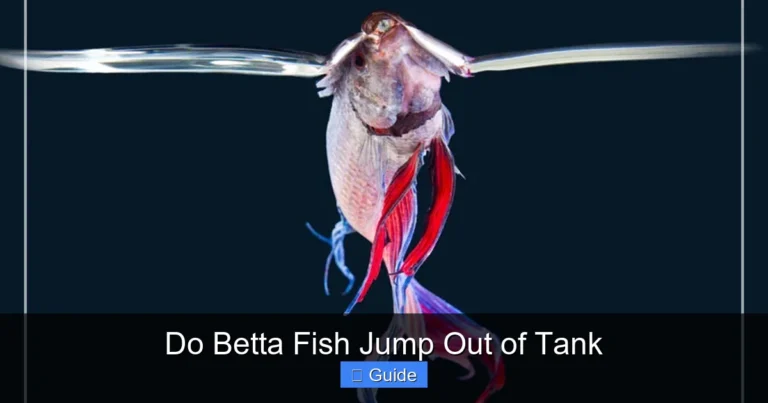
How Do You Know When Your Betta Fish Is Dying
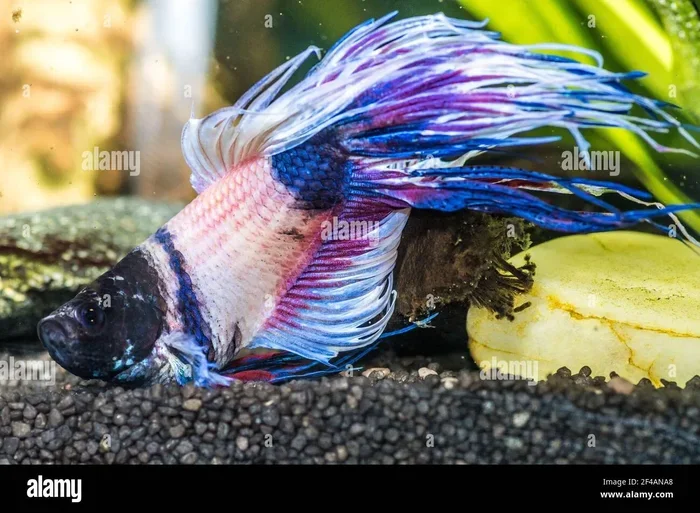
Knowing the signs that your betta fish is dying can mean the difference between life and death. This guide covers the most common dying symptoms, including color loss, lethargy, and breathing problems. You will also learn what immediate steps to take to help your fish recover.
Watching your betta fish struggle is heartbreaking. You notice the colors fading, the fins clamping, and the energy draining away. It is a scary moment for any fish owner. But here is the good news. Knowing the signs early can help you act fast and possibly save your fish. This guide walks you through every dying symptom, the reasons behind them, and the steps you can take right now.
Whether you are a new betta fish owner or have had fish for years, this article will help you understand what is happening with your pet. We will cover betta fish dying signs, common causes, and simple care tips that make a real difference. Let us dive in and help you give your fish the best chance at recovery.
Key Takeaways
- Early detection saves lives: Catching the warning signs of a dying betta fish early gives you the best chance to help.
- Physical symptoms matter: Changes in color, fins, and body shape are clear signals that something is wrong.
- Behavioral changes are red flags: Lethargy, loss of appetite, and hiding are common signs of a sick betta fish.
- Water quality is critical: Poor tank conditions are one of the leading causes of betta fish illness and death.
- Quick action works: Immediate steps like water changes and temperature adjustments can stabilize a dying betta fish.
- Prevention is always better: Regular maintenance and proper care help prevent most common betta fish diseases.
📑 Table of Contents
Common Signs Your Betta Fish Is Dying
Betta fish are tough. They can survive in small spaces and rough conditions. But they are not invincible. When a betta fish starts to fail, the body and behavior send clear warning signals. Learning these signs is the first step to helping your fish.
Color Fading and Body Changes
One of the most obvious betta fish dying signs is a loss of color. A healthy betta fish displays vibrant blues, reds, and greens. When something is wrong, the colors start to dull. The fish may look pale or develop white patches on its body.
You might also notice bloating or a sunken belly. These body changes often point to serious internal issues. Swollen eyes and curved spines are additional physical symptoms that should never be ignored.
Fin Damage and Clamping
Healthy betta fins are wide and flowing. When a fish is dying, the fins often clench tightly against the body. This is called fin clamping, and it is a classic sign of stress or illness. You may also see torn or rotting fins, which can signal a bacterial or fungal infection.
Fin rot is one of the most common betta fish diseases. It starts at the edges and works inward. If left untreated, it can become fatal. Early treatment with clean water and medication can reverse the damage.
Breathing Problems
Watch how your betta breathes. A healthy fish moves slowly and steadily through the water. A dying betta often gasps at the surface or breathes rapidly. This is a clear sign of low oxygen levels or gill damage.
Rapid breathing can also result from poor tank conditions or high ammonia levels. Testing the water is an essential step when you notice breathing changes.
Behavioral Changes That Signal Trouble
Betta fish have distinct personalities. They are curious, active, and often playful. When a betta fish is dying, the personality changes are hard to miss. These betta fish health symptoms show up in how the fish moves and interacts with its environment.
Lethargy and Weakness
A dying betta fish becomes very slow. It may rest at the bottom of the tank for long periods. Some fish lie on their sides or struggle to stay upright. This kind of betta fish lethargy is not normal, even for older fish.
If your fish stops responding to food or ignores plants and decorations it once loved, take notice. Loss of energy is one of the strongest signals that something is seriously wrong.
Loss of Appetite
Betta fish are hungry creatures. They will often beg for food at the sight of you. When a fish stops eating completely, it is a major red flag. Appetite loss can be linked to many betta fish diseases, including swim bladder disorder and internal infections.
Try offering different types of food, such as frozen bloodworms or pellets. If your fish refuses everything for more than two days, you need to act quickly.
Hiding and Isolation
Some betta fish like to hide behind plants or decorations. That is normal. But when a fish hides constantly and refuses to come out, it is a sign of distress. A healthy betta explores its tank and reacts to movement outside the glass.
If your fish suddenly starts hiding and shows other symptoms like clamped fins or pale coloring, this combination points to a serious problem. You should check the betta fish tank conditions right away.
Top Causes of a Dying Betta Fish
Understanding the root cause helps you treat the problem and prevent it from happening again. Most sick betta fish behavior traces back to a few common culprits.
Poor Water Quality
This is the number one killer of betta fish. Ammonia and nitrite buildup in the water burn the fish’s gills and weaken its immune system. Even small amounts of these chemicals are deadly over time.
Regular water changes are the best defense. A partial water change every week keeps toxins under control. Using a water conditioner removes chlorine and heavy metals that harm your fish.
Wrong Tank Temperature
Betta fish need warm water, ideally between 78 and 80 degrees Fahrenheit. Cold water slows down their metabolism and makes them vulnerable to illness. Hot water holds less oxygen, which causes breathing problems.
A small aquarium heater with a thermostat works well for betta tanks. Avoid placing the tank near windows, vents, or drafty areas where the temperature swings wildly.
Overfeeding and Diet Issues
It is easy to overfeed a betta fish. They will eat until they bloat. But too much food leads to constipation, swim bladder issues, and dirty water. A bloated fish struggles to swim and may float upside down.
Feed small amounts twice a day. Remove any uneaten food after two minutes. A varied diet of pellets, frozen foods, and occasional treats keeps your fish healthy and strong.
Infections and Parasites
Bacterial infections, fungal growth, and parasites can all weaken a betta fish quickly. These issues often appear when the fish is already stressed from poor living conditions. Symptoms include white spots, fuzzy patches, red streaks, and open sores.
Treating infections early with appropriate medication can save your fish. Quarantining new fish before adding them to the tank also helps prevent the spread of disease.
Immediate Steps to Help a Dying Betta Fish
When you spot the warning signs, time matters. Here is what you should do right away to give your fish the best chance of survival.
Test the Water
Grab a liquid test kit and check ammonia, nitrite, nitrate, and pH levels. High ammonia is the most common hidden cause of sudden fish death. If the levels are off, perform a 50 percent water change immediately using treated, temperature-matched water.
Adjust the Temperature
Make sure the tank is within the ideal range. If the water is too cold, gently warm it up with a heater set to the correct temperature. Avoid sudden temperature swings, as these stress the fish even more.
Create a Quiet Environment
Move the tank away from loud noises, bright lights, and high-traffic areas. A stressed fish needs calm surroundings to recover. Dim the lights and give your fish space to rest.
Consider Medication
If you suspect infection, add broad-spectrum fish medication to the tank. Medications for fungal and bacterial issues are widely available at pet stores. Follow the dosage instructions carefully and remove carbon filters during treatment, as they absorb the medication.
For more detailed guidance on caring for a sick betta, check out our article on how to care for a betta fish. It covers daily routines and long-term health strategies.
How to Prevent Your Betta Fish from Dying
The best way to deal with a dying betta fish is to prevent the situation from happening in the first place. Good habits go a long way in keeping your fish healthy and happy for years.
Keep the Tank Clean
Perform partial water changes every week. Vacuum the gravel to remove waste and leftover food. Clean the glass and check the filter monthly. A clean tank means a healthier fish.
If you are unsure about your cleaning schedule, our guide on how often to clean your betta fish bowl gives you a simple routine to follow.
Feed Properly
Stick to a consistent feeding schedule. High-quality pellets should be the staple of your betta’s diet. Add variety with frozen or live foods a few times a week. Never feed more than your fish can eat in two minutes.
Monitor Your Fish Daily
Spend a few minutes each day watching your fish. Look for changes in color, movement, and eating habits. Catching problems early makes treatment much easier. Daily observation also helps you understand your fish’s normal behavior, so anything unusual stands out immediately.
Maintain Stable Tank Conditions
Keep the water temperature steady and the pH balanced. Use a reliable heater and thermometer. Avoid sudden changes in lighting or tank placement. Stable conditions reduce stress and strengthen your fish’s immune system.
When to Seek Professional Help
Sometimes home care is not enough. If your fish shows severe symptoms like complete immobility, open wounds, or continuous gasping, it may need professional attention. A veterinarian who specializes in fish can diagnose and treat complex conditions that basic care cannot fix.
If your fish is clearly suffering and treatment has not worked, you may face a difficult decision. Learning how to humanely handle this situation is important for every fish owner. For guidance on this sensitive topic, you can read our article on how to humanely handle a suffering betta fish.
Key Takeaways
- Early detection saves lives: Catching the warning signs of a dying betta fish early gives you the best chance to help.
- Physical symptoms matter: Changes in color, fins, and body shape are clear signals that something is wrong.
- Behavioral changes are red flags: Lethargy, loss of appetite, and hiding are common signs of a sick betta fish.
- Water quality is critical: Poor tank conditions are one of the leading causes of betta fish illness and death.
- Quick action works: Immediate steps like water changes and temperature adjustments can stabilize a dying betta fish.
- Prevention is always better: Regular maintenance and proper care help prevent most common betta fish diseases.
Conclusion
Seeing your betta fish fade away is painful. But knowledge gives you power. When you understand the signs a betta fish is dying, you can step in and make a real difference. From color changes and breathing problems to appetite loss and lethargy, every symptom tells a story about what your fish is going through.
Act quickly when you notice these signs. Test the water, adjust the temperature, and consider medication. Most importantly, keep your tank clean and stable so your fish stays healthy in the first place. Prevention through proper betta fish care is always the best medicine.
If you want to learn more about keeping your betta fish happy and thriving, check out our article on how to know if your betta fish is happy. A happy fish is a healthy fish, and that is the goal we should all work toward.
FAQs
How can you tell if a betta fish is dying or just sleeping?
A sleeping betta fish will still respond to movement and food nearby. A dying betta fish will be unresponsive, pale, and may float or sink without control. Check for breathing rate too. A sleeping fish breathes normally, while a dying fish often gasps or breathes very rapidly.
Can a dying betta fish be saved?
Yes, in many cases. If you catch the signs early and act quickly, a betta fish can recover. The key is identifying the cause, improving water quality, adjusting temperature, and providing appropriate treatment. Time is the most important factor in saving a dying fish.
What are the first signs that a betta fish is sick?
The first signs include loss of color, clamped fins, reduced appetite, and hiding more than usual. These betta fish health symptoms often appear before more serious problems develop. Daily observation helps you catch these early warning signals.
How long does it take for a betta fish to die from poor water conditions?
It depends on the toxin levels. High ammonia can kill a betta fish within hours in severe cases. Lower levels cause gradual decline over days or weeks. Regular water testing and changes prevent this entirely and keep your fish safe.
Do betta fish show pain when they are dying?
Betta fish do experience stress and discomfort when dying. Signs include erratic swimming, gasping at the surface, and rubbing against tank objects. Providing clean water and a calm environment reduces suffering and gives the fish comfort in its final moments.
What should I do if my betta fish stops eating?
Stop feeding for one day to let the digestive system reset. Then offer small amounts of high-quality food. If your fish still refuses food after two days, check the water parameters and temperature. Loss of appetite is one of the most common betta fish dying signs and should not be ignored.