How Long Betta Fish Can Survive Without Food
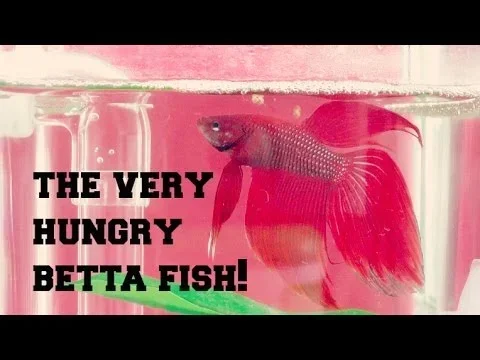
Betta fish can survive without food for about 10 to 14 days, but this does not mean you should skip regular feedings. These hardy fish have natural survival instincts that allow them to endure short periods of fasting. However, prolonged hunger can weaken their immune system and lead to serious health issues. This guide covers everything you need to know about how long betta fish can survive without food, including safe practices and warning signs.
Betta fish are some of the most popular pets in the aquarium world. Their vibrant colors and flowing fins make them a joy to watch. But many fish owners wonder about one important thing: how long betta fish can survive without food. The answer might surprise you. A healthy adult betta can go without eating for 10 to 14 days in extreme cases. However, this does not mean you should skip feedings regularly. Regular feeding keeps your fish strong, colorful, and active. In this guide, we will cover everything you need to know about betta fish survival without food. You will learn about safe fasting periods, warning signs, and practical tips for feeding schedules. Whether you are planning a short trip or just curious about your fish’s needs, this article has you covered.
Understanding your betta’s nutritional needs is one of the most important parts of fish keeping. Many new owners make the mistake of either overfeeding or underfeeding their pets. Both can lead to serious health problems. By learning about betta fish fasting and proper feeding habits, you can ensure your fish lives a long and happy life. Let us dive into the details.
Key Takeaways
- Survival Limit: A healthy adult betta fish can survive without food for 10 to 14 days, but this is not recommended as a regular practice.
- Fasting Can Be Beneficial: Short periods of fasting (1 to 2 days) can help prevent overfeeding and digestive issues.
- Age and Health Matter: Younger, healthier bettas can handle fasting better than older or sick fish.
- Watch for Warning Signs: Weight loss, lethargy, and color fading are clear signs your betta needs food.
- Plan Ahead for Trips: Use automatic feeders or ask a friend to feed your betta while you are away.
- Regular Feeding Is Key: A consistent feeding schedule supports long-term betta fish health and vitality.
📑 Table of Contents
- How Long Can Betta Fish Survive Without Food?
- Why Do Betta Fish Need to Eat Regularly?
- Factors That Affect How Long a Betta Fish Can Go Without Food
- Signs Your Betta Fish Is Hungry or Starving
- Safe Fasting Practices for Betta Fish
- What to Do If You Are Going Away for a Few Days
- Common Mistakes Bettas Owners Make With Feeding
- Conclusion
How Long Can Betta Fish Survive Without Food?
The short answer is that a healthy adult betta fish can survive without food for about 10 to 14 days. But the full answer is more complicated than that. Several factors play a role in determining how long your specific fish can go without eating. Let us break this down.
The Average Survival Time
Most experts agree that a healthy adult betta can go about two weeks without food. This comes from their natural survival instincts. In the wild, bettas sometimes go through periods where food is scarce. Their bodies are designed to handle short stretches of fasting. However, wild bettas also have access to small insects and larvae when they need them.
In a home aquarium, the situation is different. Your betta relies entirely on you for food. This means you have full control over their betta fish diet and nutrition. A well-fed betta will always be healthier than one that goes hungry for extended periods.
If you are wondering how long a betta fish can survive without food in a home setting, the safe answer is much shorter than 14 days. Most fish keepers recommend not going more than 3 to 4 days without feeding. Beyond that, you start risking your fish’s health.
What Happens When a Betta Fish Stops Eating?
When a betta fish stops eating, their body starts using stored energy. First, they burn through fat reserves. Then they start breaking down muscle tissue for fuel. This is not a healthy process. Over time, your fish will lose weight and become weak.
Here is what happens step by step during a hunger strike:
- Days 1 to 3: Your betta may seem fine. They still have energy stored up from previous meals.
- Days 4 to 7: The fish starts using fat reserves. You might notice slight weight loss.
- Days 8 to 10: Muscle breakdown begins. Your betta becomes less active and may hide more.
- Days 11 to 14: Serious health decline starts. The immune system weakens, and diseases can take hold.
It is important to note that younger bettas and older bettas handle fasting differently. A young, healthy fish might make it to day 10 or 12. An older fish with existing health issues may struggle after just 5 days.
Why Do Betta Fish Need to Eat Regularly?
Betta fish need regular meals to stay healthy. Their bodies are not designed for long periods without nutrition. Let us look at why consistent feeding matters so much.
Understanding Betta Fish Metabolism
Betta fish have a relatively fast metabolism. This means they process food quickly and need regular energy input. Unlike some cold-water fish that can survive on stored fat for long periods, bettas need a steady supply of nutrients.
Your betta’s digestive system is designed to handle small, frequent meals. In the wild, they eat small insects and larvae throughout the day. This is why many experts recommend feeding bettas two to three small meals per day rather than one large meal.
When you skip feedings regularly, you disrupt this natural rhythm. Over time, this can lead to digestive problems and nutritional deficiencies.
The Role of Nutrition in Betta Health
Proper betta fish nutrition goes beyond just keeping your fish alive. The right diet supports vibrant colors, strong fins, and a healthy immune system. Betta pellets and freeze-dried foods are formulated to meet their specific dietary needs.
A well-balanced diet includes:
- High-quality betta pellets as the staple food
- Freeze-dried or frozen bloodworms as a treat
- Brine shrimp for added protein
- Occasional daphnia for digestive health
When you skip meals, your betta misses out on essential vitamins and minerals. Over time, this can lead to a weakened immune system, making your fish more susceptible to diseases like fin rot and ich.
Factors That Affect How Long a Betta Fish Can Go Without Food
Not all betta fish are the same. Several factors determine how long an individual fish can survive without eating. Understanding these factors helps you make better care decisions.
Age and Size Matter
Young betta fish need more frequent feedings than adults. Baby bettas have fast metabolisms and small stomachs. They need small amounts of food several times a day. Skipping even one meal can affect their growth and development.
Adult bettas are more resilient when it comes to fasting. A full-grown, healthy adult has more body reserves to draw from. However, older bettas over the age of three may struggle more during fasting periods. Their metabolism slows down, and they may have existing health issues that make skipping meals risky.
Health and Body Condition
A healthy betta with a good body condition can handle fasting better than a sick or underweight fish. If your betta is already thin or showing signs of illness, even a short fasting period can be dangerous.
Watch for these signs that your fish may not be in good enough condition to fast:
- Visible spine or bones
- Dull or faded colors
- Clamped fins
- Lethargy or lack of movement
- Loss of appetite over several days
If you notice any of these signs, do not skip feedings. Instead, focus on improving your fish’s diet and overall betta fish care.
Water Temperature and Environment
The temperature of your betta’s tank plays a big role in how fast they burn energy. Warmer water speeds up metabolism, meaning your fish burns through food faster. Cooler water slows things down, which might help a fish survive a bit longer without eating.
However, you should never let your tank temperature drop below 72°F (22°C). Cold water stresses bettas and weakens their immune system. The ideal range is between 76°F and 82°F (24°C to 28°C).
Stress also affects how long a betta can go without food. A stressed fish in a dirty tank or one with aggressive tank mates will burn energy faster. This means they need food more often, not less.
Signs Your Betta Fish Is Hungry or Starving
Knowing the signs of hunger in your betta fish is important. Catching these signs early helps you prevent serious health problems. Let us look at what to watch for.
Behavioral Changes to Watch For
Betta fish are active and curious when they are well-fed. When they start feeling hungry, you will notice changes in their behavior. A hungry betta may swim to the top of the tank more often, especially around feeding time. They might become more aggressive or restless.
Some bettas will actually beg for food by hovering near the surface or following your hand around the tank. This is normal behavior and shows your fish is ready to eat.
On the other hand, a severely hungry betta may become very lethargic. They might stop swimming around and hide in corners or under decorations. This is a warning sign that should not be ignored.
Physical Warning Signs
Physical changes are often the most obvious signs that your betta needs food. Here are the key things to look for:
- Weight loss: Your betta’s body may look thinner from the side. You might see the spine more clearly.
- Color fading: A healthy betta has bright, vivid colors. A hungry betta often looks pale or washed out.
- Fin deterioration: Without proper nutrition, fins may start to look ragged or lose their shine.
- Sunken eyes: In severe cases, the eyes may appear sunken into the head.
- Slow growth: Young bettas that are not getting enough food will grow more slowly than expected.
If you notice any of these signs, it is time to feed your fish. A small amount of high-quality food can make a big difference in their recovery.
Safe Fasting Practices for Betta Fish
Fasting is not always a bad thing for betta fish. In fact, short periods without food can actually be beneficial. Let us explore when and how to fast your betta safely.
When Is Fasting Actually Good for Bettas?
Believe it or not, giving your betta a break from food can be helpful. Short fasting periods allow the digestive system to rest and process any remaining food. This can help prevent bloating and constipation, which are common problems in bettas.
Many experienced fish keepers recommend a 24-hour fast once a week. This gives the digestive system a chance to clear out and reset. Some owners even do a 48-hour fast once a month. These short breaks are generally safe for healthy adult bettas.
However, there is a big difference between a 24-hour fast and going two weeks without food. The short fast is beneficial. The long fast is dangerous. Always keep fasting periods short and controlled.
How to Fast Your Betta Safely
If you want to try fasting your betta, follow these simple steps:
- Start small: Begin with a 12-hour fast. Skip one feeding and see how your fish responds.
- Observe behavior: Watch for signs of distress during the fast. If your fish seems very weak, feed them immediately.
- Break the fast gently: When the fast is over, offer a small amount of food. Do not overfeed after a fast.
- Keep it regular: If you plan to fast weekly, do it at the same time each week so your fish adjusts to the routine.
Remember, fasting should never be used as a substitute for regular feeding. It is a short-term tool, not a long-term strategy. If you are considering longer fasting periods, consult with a veterinarian who specializes in fish health.
What to Do If You Are Going Away for a Few Days
One of the most common reasons betta owners worry about fasting is travel. Whether you are going on a weekend trip or a longer vacation, you need a plan for feeding your fish. Let us look at your options.
Automatic Feeders and Food Blocks
Automatic fish feeders are a great solution for short trips. These devices dispense food at set times, ensuring your betta gets fed even when you are not home. There are many options available at pet stores and online. Look for one that allows you to set multiple feeding times per day.
Food blocks are another option, but they come with some risks. Some bettas do not eat from food blocks, and the uneaten food can foul the water. If you use a food block, test it at home before you leave to make sure your fish actually eats from it.
Asking a Friend or Neighbor for Help
Sometimes the simplest solution is the best. Ask a trusted friend, neighbor, or family member to feed your betta while you are away. Leave clear instructions on how much food to give and how often. A small amount twice a day is usually enough.
Make sure to leave your contact information in case anything goes wrong. It is also a good idea to leave a small container of your betta’s regular food so the person feeding your fish uses the same type you normally give.
Preparing Your Tank Before You Leave
Before you head out the door, take a few minutes to prepare your tank. Here are some quick betta fish care tips for when you travel:
- Do a water change 1 to 2 days before you leave
- Check that the heater and filter are working properly
- Remove any uneaten food from the tank
- Set the lights on a timer if possible
- Make sure the water temperature is stable
A clean, stable environment helps your betta stay healthy even when you are away. If your trip is longer than 5 days, consider asking someone to check on your fish daily. This gives you peace of mind and keeps your betta safe.
Common Mistakes Bettas Owners Make With Feeding
Many betta owners make feeding mistakes that can shorten their fish’s lifespan. Let us look at the most common ones and how to avoid them.
Overfeeding Your Betta
Overfeeding is one of the biggest mistakes new betta owners make. Bettas have small stomachs, and they do not need a lot of food. In fact, overfeeding betta fish can lead to serious health problems like bloating, constipation, and swim bladder disease.
A good rule of thumb is to feed your betta an amount they can eat in 2 to 3 minutes. Two small meals per day is usually enough. If there is food left over after feeding, you are giving too much.
Feeding the Wrong Foods
Not all fish food is created equal. Bettas are carnivores and need a diet high in protein. Flakes designed for tropical community fish do not provide the right nutrition for bettas. Stick to high-quality betta pellets, freeze-dried foods, and frozen treats.
Some owners also ask if they can use betta food for other fish or vice versa. The answer is usually no. Different species have different nutritional needs. Using the wrong food can lead to malnutrition over time.
Inconsistent Feeding Schedules
Betta fish thrive on routine. Feeding them at the same times each day helps regulate their metabolism and appetite. Irregular feeding can cause stress and digestive issues. Try to feed your betta at the same times every day, ideally in the morning and evening.
Conclusion
So, how long can betta fish survive without food? The answer is 10 to 14 days in extreme cases, but that does not mean you should ever let your fish go that long. A healthy, well-fed betta is a happy betta. Short fasting periods of 24 to 48 hours can actually be beneficial, but anything beyond that starts to put your fish at risk.
Understanding your betta’s nutritional needs, watching for signs of hunger, and planning ahead for trips are all essential parts of responsible fish keeping. By following the tips in this guide, you can ensure your betta stays healthy, colorful, and active for years to come.
Remember, your betta depends on you for everything. Regular feeding, clean water, and a stress-free environment are the foundations of great betta care. Take what you have learned here and put it into practice. Your fish will thank you for it.
Frequently Asked Questions
Can a betta fish survive a week without food?
Yes, a healthy adult betta can survive a week without food, but it is not recommended. Going 7 days without eating can weaken your fish’s immune system and cause muscle loss. If you must skip feedings for a week, make sure your betta is healthy and well-fed before you leave. Always try to arrange for someone to feed your fish during longer absences.
How often should I feed my betta fish?
Most experts recommend feeding your betta 2 to 3 small meals per day. Each meal should be an amount your fish can eat within 2 to 3 minutes. Consistent feeding schedules help regulate your betta’s metabolism and keep them healthy. Avoid skipping more than one feeding at a time unless you are doing a planned short fast.
What happens if I overfeed my betta fish?
Overfeeding can cause bloating, constipation, and swim bladder disease in bettas. Uneaten food also rots in the tank, which raises ammonia levels and pollutes the water. This can lead to serious health problems or even death. Always feed small amounts and remove any leftover food after a few minutes.
Can I skip feeding my betta fish on weekends?
Skipping one or two feedings on a weekend is generally safe for a healthy adult betta. Some owners do a weekly 24-hour fast for digestive health. However, you should not skip more than one day of feeding regularly. If you find it hard to feed on weekends, consider setting up an automatic feeder for consistent care.
How do I know if my betta fish is starving?
Signs of a starving betta include weight loss, faded colors, lethargy, clamped fins, and a visibly curved spine. If you notice these symptoms, start feeding your fish small amounts of high-quality food immediately. A recovering betta should show improvement in color and energy within a few days of regular feeding.
Is it normal for betta fish to skip meals occasionally?
Yes, occasional skipped meals are normal and even beneficial. A 24-hour fast once a week can help your betta’s digestive system reset and prevent overfeeding issues. However, regular meal skipping or extended fasting periods are not normal and can harm your fish’s health over time.