A Betta Fish Tank

Setting up a betta fish tank requires some thought, but it’s totally doable for any aquarist. The right tank size, proper filtration, suitable water temperature, and thoughtful decorations all play a role in keeping your betta happy and healthy. This guide covers everything you need to know to create a thriving underwater environment.
Key Takeaways
- Tank Size Matters: A minimum of 5 gallons is recommended for a betta fish tank to give your fish room to swim and explore.
- Filtration Is Essential: While bettas can survive without a filter, adding one keeps water cleaner and your fish healthier in the long run.
- Water Temperature: Betta fish thrive in warm water between 76°F and 82°F, so a heater is usually necessary.
- Decorations Enhance Wellbeing: Plants, caves, and hiding spots reduce stress and mimic a betta’s natural habitat.
- Regular Maintenance: Weekly water changes of 25-30% keep ammonia and nitrate levels in check.
- Avoid Common Mistakes: Never keep bettas in tiny bowls, overcrowded tanks, or water that’s too cold.
📑 Table of Contents
What Is A Betta Fish Tank?
A betta fish tank is more than just a container filled with water. It’s a carefully designed habitat that meets all the needs of one of the most popular freshwater fish in the world. Bettas, also known as Siamese fighting fish, are known for their brilliant colors and flowing fins. But behind that beauty lies a creature that needs specific conditions to truly thrive.
Setting up the right tank means thinking about several things at once. You need the correct tank size, proper filtration, appropriate water temperature, and decorations that make your betta feel safe. Skip any of these, and your fish could end up stressed, sick, or worse. The good news? Once you know what to do, the process is surprisingly straightforward.
In this guide, we’ll walk you through every step of creating the perfect betta fish aquarium. From picking out the right tank to maintaining water quality, you’ll find practical tips that make a real difference.
Why Tank Setup Matters So Much
Bettas are often sold in small cups or tiny bowls at pet stores. That can give people the wrong idea about what these fish actually need. A small fish tank or a bowl might seem fine, but it doesn’t provide enough space, filtration, or heating for long-term health. In fact, keeping a betta in a poorly set up tank can shorten its lifespan significantly.
A well-planned betta fish environment does more than just keep your fish alive. It encourages natural behavior, reduces stress, and brings out those stunning colors bettas are famous for. Think of it this way — you’d want a comfortable home, not a cramped closet. Your betta feels the same way.
Setting Up A Betta Fish Tank
Now let’s get into the details. Building a great betta fish tank setup involves a few key steps. Each one matters, and skipping ahead can cause problems down the road. Take your time and get things right from the start.
Choosing The Right Tank Size
The first decision you’ll make is how big your tank should be. Many people assume bettas need very little space because of their small size. But that’s a myth. A betta fish tank of at least 5 gallons is the minimum recommendation for a single betta. This gives your fish enough room to swim, explore, and exercise.
If you go smaller than 5 gallons, water quality can drop fast. Waste builds up, temperature swings happen more easily, and your betta ends up stressed. You might wonder, “Can bettas live in smaller tanks?” Technically, they can survive, but they won’t live their best life. If you’re curious about the limits, check out whether betta fish can live in a one gallon tank for more details on what happens with very small setups.
Here’s a quick size guide:
- 1 gallon: Not recommended. Too small for any long-term betta care.
- 2.5 gallons: Bare minimum. Better than a bowl, but still limited.
- 5 gallons: Ideal size for a single betta fish. Gives room to swim and keeps water stable.
- 10 gallons or more: Great if you want to add plants or consider compatible tank mates.
Bigger tanks are generally easier to maintain. The water stays more stable, and you have more flexibility with decorations and equipment. So whenever possible, go bigger rather than smaller.
Essential Equipment For Your Betta Tank
Once you’ve picked your tank, you need the right equipment. Here’s what a solid betta fish tank setup requires:
- Filter: A gentle filter helps keep water clean without creating too much current. Bettas are weak swimmers, so a strong flow can exhaust them. Hang-on-back filters with adjustable flow work well. If you’re unsure whether your betta needs a filter, learn more about keeping bettas in tanks without filters.
- Heater: Bettas are tropical fish. They need warm water between 76°F and 82°F. A small aquarium heater with a thermostat makes this easy.
- Thermometer: Always monitor water temperature. A simple stick-on thermometer works fine.
- Lighting: Standard aquarium lighting works. It helps you see your fish and supports live plants if you choose to add them.
- Substrate: Gravel or sand at the bottom of the tank gives plants a place to root and looks natural.
You don’t need anything fancy. Simple, reliable equipment does the job. Just make sure your filter isn’t too powerful and your heater has a built-in thermostat for safety.
Water Conditions And Temperature
Water quality is the backbone of any successful aquarium setup. For bettas, the ideal water parameters look like this:
- Temperature: 76°F to 82°F (24°C to 28°C)
- pH Level: 6.5 to 7.5 (slightly acidic to neutral)
- Ammonia: 0 ppm (toxic even in small amounts)
- Nitrite: 0 ppm
- Nitrate: Below 20 ppm
Before adding your betta, make sure your tank is fully cycled. This means beneficial bacteria have established themselves to break down harmful waste. Cycling typically takes 4 to 6 weeks, but it’s absolutely worth the wait. A betta fish tank that hasn’t been cycled can expose your fish to dangerous ammonia and nitrite spikes.
When it comes to water sources, many people ask about using tap water. You can use tap water in a betta tank as long as you treat it with a water conditioner to remove chlorine and chloramine. For more details, read about using tap water in a betta fish tank.
Best Decorations For A Betta Fish Tank
Decorations aren’t just for looks. They serve real purposes in a betta fish aquarium. Your fish needs places to explore, hide, and rest. A bare tank can leave a betta feeling exposed and stressed.
Plants And Hiding Spots
Live or silk plants are excellent choices. Avoid plastic plants with sharp edges — they can tear betta fins. Here are some great options:
- Live plants: Java fern, anubias, and Amazon sword are all hardy and betta-safe. They absorb waste and produce oxygen.
- Silk plants: A safe alternative if you don’t want to deal with live plant care. Look for ones with soft leaves.
- Caves and hides: Small ceramic caves or floating logs give your betta a place to rest. Bettas love having a cozy spot to call their own.
- Floating plants: Frogbit or water lettuce create shade on the surface. Bettas often like to hang out near the top anyway.
Adding plants also makes the tank look more natural and gives your betta something to swim around. A well-decorated betta fish tank is both beautiful and functional.
What To Avoid In Your Tank
Not everything you find at a pet store is safe for bettas. Steer clear of these:
- Sharp plastic decorations: Rough edges can damage delicate fins.
- Bright gravel: Some colored gravels contain dyes that can leach into water. Stick with natural-colored substrates.
- Loose gravel: Small gravel pieces can get stuck in betta fins. Use fine gravel or sand instead.
- Overcrowded decorations: Leave plenty of open swimming space. Your betta needs room to move around freely.
If you like the idea of adding natural elements, some options like lucky bamboo can work well in a betta tank. You can learn more about this in our guide on putting lucky bamboo in a betta fish tank.
Maintaining Your Betta Fish Tank
Once your tank is up and running, regular maintenance keeps it in great shape. A neglected betta fish tank can quickly become unhealthy, even if it looked perfect on day one. The good news is that maintenance doesn’t have to be complicated or time-consuming.
Regular Cleaning Tips
Here’s a simple cleaning routine that works for most betta setups:
- Weekly water changes: Replace 25 to 30 percent of the tank water each week. Use a gravel vacuum to remove debris from the substrate at the same time.
- Clean the glass: Algae builds up on the walls. Use an algae scraper or magnet cleaner to keep things clear.
- Check equipment: Make sure your filter and heater are working properly. Rinse filter media in old tank water (never tap water) once a month.
- Remove dead plant leaves: Trim and remove any dying foliage to keep water quality high.
Consistency is key. A little maintenance every week beats a big cleanup once a month. Your betta will thank you for it.
Water Changes And Quality
Water changes are the single most important thing you can do for your betta fish environment. They remove built-up waste, replenish minerals, and stabilize temperature. Always treat new water with conditioner before adding it to the tank.
If you notice your water getting cloudy, it usually means there’s a bacterial bloom. This is common in new tanks and typically clears up on its own. However, if cloudy water persists, it might signal overfeeding or inadequate filtration. For more on filtration options, check out our article on using a filter in a betta fish tank.
Testing your water regularly with a liquid test kit (not strips) helps you catch problems before they become emergencies. Keep a log of your readings so you can spot trends over time.
Common Mistakes When Setting Up A Betta Fish Tank
Even experienced hobbyists sometimes make mistakes. Here are the most common ones to avoid when building your betta fish tank:
Overcrowding And Compatibility
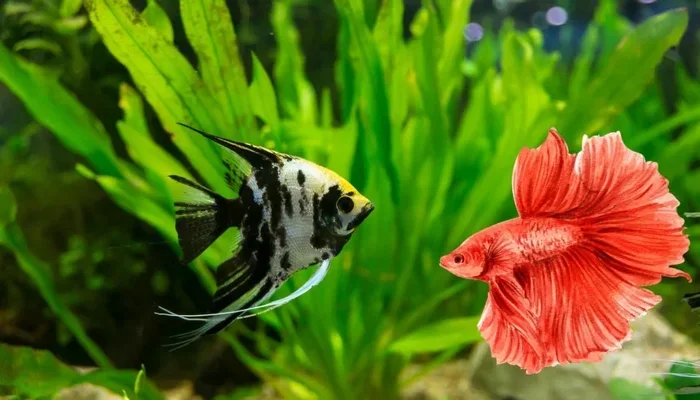
Bettas are territorial by nature. They’re often called Siamese fighting fish for a reason. Keeping two male bettas in the same tank is a recipe for disaster. But what about other fish? Can bettas live with other species?
It depends. Some bettas can coexist with peaceful community fish, but it’s not guaranteed. If you’re considering adding tank mates, research compatibility carefully. Small, slow-moving fish with long fins are often targeted. Tank mates like corydoras, shrimp, or certain tetras can sometimes work in larger tanks. For more on this topic, explore whether betta fish can live in a regular fish tank with other species.
Wrong Water Parameters
Temperature is the biggest culprit here. Many people keep bettas in room-temperature water, thinking it’s fine. But cold water weakens a betta’s immune system and makes them sluggish. Always use a heater unless your room stays consistently warm.
pH swings are another issue. If your tap water is very hard or acidic, use a conditioner or buffer to bring it into range. Sudden changes in water chemistry shock your fish and can be fatal.
Overfeeding
This is probably the number one mistake new betta owners make. Bettas have big appetites but small stomachs. Overfeeding leads to bloating, poor water quality, and short lifespans. Feed 2 to 3 pellets once or twice a day. That’s it. Your betta will act hungry every time you approach the tank — that’s just their personality. Don’t let it trick you.
Expert Tips For A Healthy Betta Fish Tank
Here are some bonus tips from experienced aquarists that can take your betta fish tank from good to great:
- Acclimate your fish: When you bring a new betta home, float the bag in your tank for 15 to 20 minutes. Then slowly mix small amounts of tank water into the bag before gently releasing your fish. This prevents shock from temperature or pH differences.
- Watch for illness: Common betta health issues include fin rot, ich, and swim bladder disorder. Look for clamped fins, white spots, or difficulty swimming. Early detection makes treatment much easier.
- Feed a varied diet: High-quality betta pellets should be the staple, but occasional treats like frozen bloodworms or brine shrimp add nutrition and bring out natural hunting behavior.
- Keep the tank covered: Bettas are famous jumpers. A tight-fitting lid prevents escapes and keeps your fish safe.
- Give them time to adjust: A new betta might hide for a day or two. Don’t panic. Give them space to settle in. They’ll start exploring once they feel secure.
These small details add up. The best betta fish aquarium is one where every element is thought through with care.
Conclusion
Setting up a betta fish tank is a rewarding experience that gives you a chance to create a beautiful, living piece of art on your countertop or desk. The key is planning ahead. Choose the right tank size, invest in basic equipment, maintain proper water conditions, and decorate thoughtfully. Avoid common mistakes like overfeeding, overcrowding, and skipping water changes.
Your betta deserves a home that supports a long, healthy, and active life. With the information in this guide, you’re fully equipped to build that environment. Take your time, do your research, and enjoy watching your betta thrive in its new home. A little effort goes a long way — and the results are absolutely worth it.
Frequently Asked Questions
What size tank do I need for a betta fish?
A minimum of 5 gallons is recommended for a single betta fish. Smaller tanks like 1 or 2 gallons are possible but make water quality harder to maintain. A larger tank gives your betta more room to swim and keeps conditions more stable.
Do betta fish tanks need a filter?
While bettas can survive without a filter, it’s highly recommended to use one. A gentle filter helps remove waste and keep water clean, which reduces the frequency of water changes and improves your betta’s overall health. Just make sure the flow isn’t too strong.
What temperature should a betta fish tank be?
Bettas thrive in water between 76°F and 82°F. Use an aquarium heater with a thermostat to maintain this range. Cold room-temperature water can weaken your betta’s immune system and lead to health problems over time.
Can I keep plants in my betta fish tank?
Yes, plants are excellent additions to a betta fish tank. Live plants like Java fern and anubias are safe and beneficial. They improve water quality, provide hiding spots, and create a natural environment. Silk plants are also a good option if you prefer low-maintenance choices.
How often should I clean my betta fish tank?
Perform a 25 to 30 percent water change every week. Use a gravel vacuum to remove debris at the same time. Clean the glass as needed when algae appears. Always treat replacement water with a conditioner before adding it to the tank.
Can I put other fish with my betta in the same tank?
It depends on the betta’s temperament. Some bettas can coexist with peaceful species like corydoras or shrimp in a larger tank, but it’s not guaranteed. Male bettas should never be housed together. Always research compatibility before adding tank mates.