Why Do Betta Fish Spit Out Food
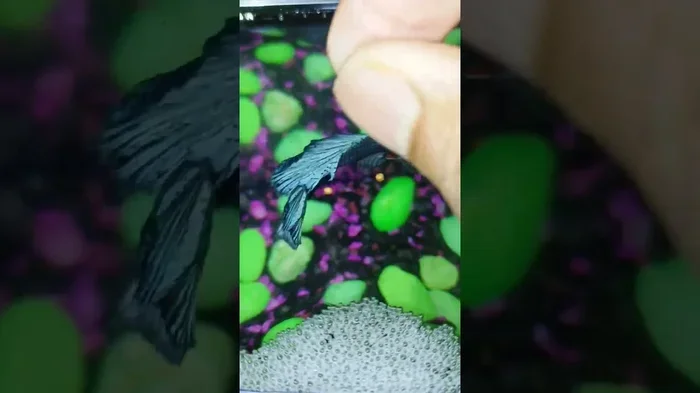
If you have noticed your betta fish spitting out food, you are not alone. Many betta owners see this strange behavior and wonder if something is wrong with their pet. In this guide, we will break down the most common reasons why betta fish spit out food and show you exactly what to do about it.
Key Takeaways
- Overfeeding is a top cause: Betta fish often spit out food when they have eaten too much or too fast.
- Food quality matters: Low-quality or expired food can taste bad or fall apart in the tank.
- Tank conditions play a role: Dirty water, wrong temperature, or stress can make bettas refuse food.
- Health issues can be a factor: Problems with the mouth, teeth, or stomach may cause spitting behavior.
- Adjustment takes time: Switching food types or fixing tank conditions may require patience and gradual changes.
- Expert help helps: If your betta keeps spitting food despite fixes, a vet visit is always a smart move.
📑 Table of Contents
Why Do Betta Fish Spit Out Food
Seeing your betta fish spit out food for the first time can be alarming. You might think your fish is sick or not feeling well. But in most cases, this behavior is not a big deal. It is actually one of the most common concerns betta owners bring up. The good news is that there is usually a simple explanation behind it.
Betta fish spitting out food can happen for many reasons. Sometimes it is just a quirky habit. Other times, it points to something that needs your attention. This guide covers every possible cause and what you can do to help your fish feel better. By the end, you will know exactly what to look for and how to respond.
Let us dive into the most common reasons bettas spit out their meals. We will also share practical tips to keep your fish happy and feeding well. Whether you are a new owner or a long-time betta fan, this guide has something for you.
Common Reasons Betta Fish Spit Out Food
Bettas are known for their unique personalities. Some behaviors look weird but are totally normal. Spitting out food is one of those behaviors. Still, it is important to understand what is behind it. Here are the most common reasons this happens.
Overfeeding
This is the number one reason bettas spit out food. Betta fish have small stomachs. They can only hold a tiny amount at a time. If you drop too many pellets in the tank, your betta may try to eat them all. But quickly, it gets full. When that happens, it spits out the extra food.
Overfeeding does more harm than good. Uneaten food sinks to the bottom and rots. This dirties the water and creates harmful ammonia. Your betta can get sick from living in dirty water. So the spitting is actually a good sign. It means your fish knows when to stop.
To fix this, feed smaller amounts. Two to three pellets, once or twice a day, is usually enough. Skip the feeding once a week to give its stomach a break. You will see less spitting over time.
Food Quality and Type
Not all fish foods are created equal. Some pellets and flakes break apart the second they hit the water. Your betta tries to eat them, but they turn into mush. It spits out the messy remains because there is nothing left to chew. This is very common with cheap or low-quality foods.
Bettas are carnivores. They need protein-rich diets. Foods with too many fillers like wheat or corn are not great. Your fish may spit these out because they do not taste good or smell right. Always look for betta-specific foods with real ingredients like fish meal or shrimp.
Here is a quick look at different food types:
- High-quality pellets: Hold their shape, rich in protein, easy for bettas to eat.
- Flakes: Can crumble fast, often not filling enough for bettas.
- Freeze-dried food: Good treat, but must be soaked before feeding.
- Frozen food: Excellent nutrition, needs to be thawed first.
- Live food: Most natural, but can carry parasites if not from a trusted source.
If you notice your betta fish spitting out food often, try switching brands. Give a high-quality pellet a shot. You may see an instant change.
Eating Too Fast
Bettas can be very enthusiastic eaters. When food drops into the water, they grab it quickly. Sometimes they bite off more than they can chew. This is similar to a person eating too fast and spitting out a big bite. The fish swallows a large chunk, realizes it is too big, and spits it out.
This habit is not always harmful. But it can cause choking or discomfort. To slow things down, try soaking pellets before feeding. Drop them in slowly instead of all at once. You can also use a feeding ring to keep food in one spot. This prevents your betta from gobbling everything too quickly.
Tank Conditions That Cause Spitting
Your betta’s environment affects everything. From water temperature to tank size, each detail matters. If the tank is not right, your fish may refuse food. Here are the tank-related causes of spitting behavior.
Dirty Water and Poor Water Quality
Bettas are tropical fish that need clean water. If the tank is not cycled or the filter is weak, waste builds up fast. Dirty water smells bad and tastes bad to fish. Your betta may spit food out because it does not want to eat in filth. This is a natural instinct. Even humans would not eat off a dirty plate.
Test your water weekly. Keep ammonia and nitrite at zero. Do regular water changes, about 25 to 50 percent every week. A clean tank makes a big difference in eating habits. It also helps prevent many other health problems.
Wrong Water Temperature
Bettas love warm water. The ideal range is 76 to 82 degrees Fahrenheit. If the water is too cold, your fish becomes sluggish. It may not feel like eating at all. Cold water also slows digestion, which can lead to spitting food back up.
Use a heater to keep the temperature steady. A thermometer helps you watch it daily. Stable warmth keeps your betta active and hungry. This simple fix often solves feeding problems quickly.
Stress and Tank Mates
Stress is a hidden cause of many betta behavior issues. If your fish feels unsafe, it may not eat properly. Tank mates like aggressive fish can bully your betta. Even too much light or noise near the tank can bother them. When stressed, bettas sometimes spit food out as a reaction.
Keep your betta in a calm space. Avoid housing them with fin-nipping fish. Provide hiding spots like plants or caves. A peaceful tank helps your fish feel secure. That comfort leads to better eating habits.
Health Issues Behind Spitting Behavior
Sometimes spitting food is a sign of a health problem. If you have tried fixing diet and tank conditions but the behavior continues, health may be the cause. Here are some common issues to watch for.
Mouth and Teeth Problems
Bettas have tiny teeth. These help them bite and chew pellets. Sometimes, bacteria or parasites affect the mouth. You might see redness, swelling, or white spots. When eating hurts, your fish spits food out right away. This is a clear sign something is wrong inside the mouth.
Look closely at your betta’s mouth. Use a magnifying glass if needed. If you see anything unusual, act fast. Quarantine the fish and improve water quality. A mild mouth infection can often clear up with clean water and salt baths. For serious cases, seek a fish vet.
Swim Bladder Disorder
The swim bladder controls buoyancy. When it does not work right, your betta struggles to balance. This disorder is often linked to overfeeding and poor diet. A constipated betta may spit food out because its stomach is already full of undigested food. You might also see the fish floating sideways or sinking.
To help, skip feeding for a day. Then offer a single, high-quality pellet. You can also add a tiny bit of peas (with skin removed) to the diet. This helps digestion and relieves pressure on the swim bladder. Prevention is better than cure. Always feed moderate portions.
Stomach Upset and Constipation
Bettas can get constipated just like humans. This happens when they eat too much or the wrong food. A bloated belly and lack of appetite follow. Your fish may try to eat, then spit food out immediately. The stomach is upset and cannot process more food.
A short fasting period works well here. One day without food lets the stomach settle. After that, feed small, easily digestible meals. Soak pellets in tank water for a few minutes before dropping them in. This softens them and makes digestion easier.
How to Stop Your Betta from Spitting Out Food
Once you spot the problem, action is the next step. Here is a simple plan to reduce or stop spitting behavior. Follow these tips and watch your betta improve.
Step 1: Adjust Feeding Habits
Feed less and more often. Two to three pellets, twice a day, is perfect. Do not fill the tank with food. Your fish will thank you. Also, remove any uneaten food after five minutes. This keeps the water clean and prevents overfeeding habits.
Step 2: Upgrade Food Quality
Invest in high-quality betta pellets. Look for brands with real animal protein as the first ingredient. Add variety with freeze-dried bloodworms or brine shrimp as treats. Soak dry food briefly before feeding to soften it. This makes it easier to eat and digest.
Step 3: Improve Tank Conditions
Keep the water clean and warm. Do weekly water changes. Make sure the filter is gentle because bettas hate strong currents. A sponge filter works great. Add plants for comfort. A well-kept tank builds a happy, hungry betta.
Step 4: Watch for Illness
Monitor your fish daily. Look for changes in color, behavior, or appetite. If spitting continues for more than a few days, investigate further. Quarantine if needed. Treat infections early. The sooner you act, the better the outcome.
Quick Tips to Remember
- Feed small amounts twice a day, not large meals.
- Soak pellets before dropping them in the tank.
- Keep water temperature between 76 and 82 degrees Fahrenheit.
- Remove leftover food after five minutes.
- Always quarantine new fish before adding them to the tank.
- Visit a fish vet if behavior does not improve in a week.
Common Mistakes Bettas Owners Make
Even caring owners can make simple mistakes. These errors often cause or worsen spitting behavior. Avoiding them saves your fish stress and keeps feeding smooth.
One big mistake is feeding too much because the fish seems hungry. But bettas always act hungry. They are natural foragers. That does not mean they need more food. Stick to a schedule and resist extra handfuls. Another error is ignoring water quality. Many owners forget to test or change water regularly. Clean water is the foundation of good health.
Some owners also use the wrong tank. Bettas need at least five gallons. A tiny bowl limits swimming and heating. This stress leads to poor eating. Finally, skipping observation is risky. The more you watch your betta, the faster you notice problems. Early action makes all the difference.
Expert Insights on Betta Feeding
Veterinarians and experienced breeders share consistent advice. They say spitting is usually diet or environment related. A fish health specialist notes that most cases clear up with better food and cleaner water. She stresses the value of patience. Changes do not happen overnight. Give your betta a few days to adjust.
Professional breeders also recommend variety. A mix of pellets, frozen food, and occasional live food keeps bettas healthy and interested. Boredom can reduce appetite. Variety keeps meals exciting. They also remind owners that each betta is different. What works for one fish may not work for another. Observation is your best tool.
Conclusion
Why do betta fish spit out food? As we have covered, the reasons range from simple habits to health concerns. Overfeeding, low-quality food, fast eating, poor tank conditions, and illness can all play a role. The good news is that most causes are easy to fix. Small changes in feeding, water care, and diet make a big impact. Watch your fish closely and respond quickly to changes. With the right care, your betta will enjoy every meal. Apply these tips today and see the difference for yourself.
Frequently Asked Questions
Why does my betta fish spit out food but still eat?
Your betta may be eating small pieces first and spitting out larger ones. This often means the food is too big or your fish is eating too fast. Soaking pellets before feeding can help solve this issue.
Is it normal for bettas to spit out pellets?
Yes, occasionally. Bettas sometimes test or play with food before eating. If it happens once in a while, there is no need to worry. Frequent spitting, however, may point to overfeeding or poor food quality.
How do I know if my betta is spitting food because of illness?
Look for other symptoms like lethargy, clamped fins, discolored gills, or bloating. If spitting continues for several days and your fish shows these signs, consider a health issue and consult a fish vet.
Can overfeeding really cause a betta to spit out food?
Absolutely. Betta stomachs are very small. When too much food is offered, they fill up quickly. They spit out the remaining food to avoid discomfort. Limiting portions usually stops this behavior fast.
What type of food is best to prevent spitting behavior?
High-quality betta pellets with animal protein as the first ingredient work best. Freeze-dried or frozen treats like bloodworms add variety. Always soak dry food briefly to soften it before feeding.
How soon will my betta stop spitting out food after I make changes?
Most bettas improve within a few days to a week. If you switch food, do it gradually. Keep the tank clean and feeding consistent. If no improvement happens after a week, investigate health causes further.