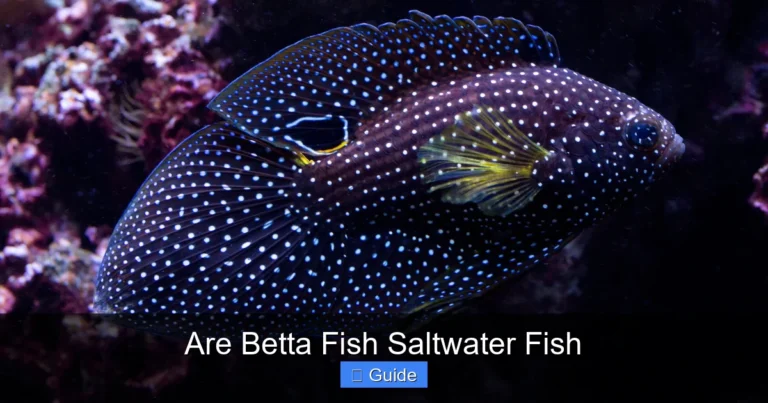
Can Koi Fish and Betta Live Together

Koi fish and betta fish are fundamentally incompatible and should never be housed together. Their needs are opposites: koi are large, cold-water, outdoor pond fish that produce immense waste, while bettas are small, warm-water, tropical fish that require calm, filtered tanks. The stark differences in water parameters, tank size, and the betta’s aggressive nature create a dangerous, stressful environment for both. Providing each species with its own properly tailored habitat is the only way to ensure their health and well-being.
Key Takeaways
- Opposite Water Needs: Koi require cool (65-75°F), heavily oxygenated water with robust filtration, while bettas need warm (78-80°F), still, soft water with gentle flow.
- Extreme Size Disparity: Koi can grow over 2 feet long and weigh 20+ pounds, while bettas max out around 3 inches. A betta could be injured or eaten; a koi would be constantly stressed by a betta’s nipping.
- Habitat Mismatch: Koi are pond dwellers needing hundreds of gallons of outdoor space. Bettas are tank fish thriving in 5+ gallons of heated, filtered indoor water. No single setup can satisfy both.
- Betta Aggression: Bettas are famously territorial and will flare, chase, and bite the long fins of any fish they perceive as a rival or threat, including a placid koi.
- Koi Waste Production: A single koi’s biological waste load is equivalent to dozens of bettas, quickly polluting water and creating toxic ammonia spikes lethal to a sensitive betta.
- Stress and Disease: Forcing these species together causes chronic stress, suppressing immune systems and leading to illnesses like fin rot, dropsy, or ich for both fish.
- Separate Setups Are Non-Negotiable: The only ethical approach is to dedicate a proper, species-specific environment for each—a heated betta tank and a filtered koi pond.
📑 Table of Contents
- Understanding the Fundamental Differences Before You Start
- The Betta Fish: Beauty with a Bite and a Big Attitude
- Koi Fish: Gentle Giants of the Pond (That Are Messy)
- Why Co-Habitation Is a Recipe for Disaster
- Creating the Ideal, Separate Environments for Each Species
- Exploring Compatible Tank Mates (For Each Species Individually)
- Conclusion: Respecting Their True Nature
Understanding the Fundamental Differences Before You Start
So, you’ve got a beautiful, spacious tank or pond in mind, and you’re picturing a stunning community with the flowing fins of a betta and the majestic, patterned body of a koi gliding together. It’s a lovely fantasy, but in reality, this pairing is one of the most incompatible in the aquarium and pond hobby. The question “can koi fish and betta live together” has a definitive answer: no, they cannot, and attempting to do so is cruel and dangerous. To understand why, we must first look at their origins and natural habitats, which are worlds apart.
Natural Habitats: Tropical Streams vs. Temperate Ponds
Betta fish (Betta splendens) are native to the shallow, slow-moving rice paddies, ditches, and stagnant ponds of Southeast Asia. These are warm, tropical environments where the water is often low in oxygen. Bettas have a specialized labyrinth organ that allows them to breathe atmospheric air, an adaptation to their muddy, warm (often over 80°F), and plant-dense habitats. They are solitary, territorial fish that defend small patches of dense vegetation.
Koi (Cyprinus rubrofuscus), on the other hand, are domesticated varieties of common carp originating from East Asia. They are hardy, cold-water fish built for large, deep, outdoor ponds, lakes, and slow-moving rivers. Their natural environment experiences seasonal temperature swings, from near-freezing in winter to warm in summer. Koi are strong swimmers, social within their own kind, and produce a massive amount of waste relative to their size. They require vast amounts of well-oxygenated, filtered water to thrive.
The Unbridgeable Gap in Water Parameters
This is the most concrete, scientific reason they cannot mix. The ideal water chemistry for one is toxic to the other. Let’s break it down:
- Temperature: Bettas are tropical fish, requiring a constant temperature between 78°F and 80°F (25.5-27°C). Anything below 76°F stresses them and slows their metabolism. Koi are cold-water fish, thriving in a range of 65°F to 75°F (18-24°C). They can survive, even thrive, in near-freezing water during winter dormancy. Housing them together means one fish is permanently in water that is lethally cold or dangerously warm.
- pH and Hardness: Bettas prefer slightly acidic to neutral water (pH 6.5-7.5) and softer water. Koi are much more tolerant but prefer slightly alkaline, harder water (pH 7.0-8.0, with higher mineral content).
- Flow and Oxygen: Bettas originate from still waters and have delicate, flowing fins. They require a filter with a gentle flow, as strong currents exhaust them and damage their fins. Koi are powerful swimmers in moving water and require heavy water movement and high oxygenation from robust pond filters and waterfalls to support their size and waste output.
There is no middle ground. You cannot adjust a heater/chiller and filter to safely accommodate both. The water will always be wrong for one of them.
The Betta Fish: Beauty with a Bite and a Big Attitude
Often sold as a simple “fighting fish” in tiny cups, bettas are complex, intelligent, and vividly personality-driven. Understanding their specific needs is crucial to seeing why a koi is the worst possible tank mate.
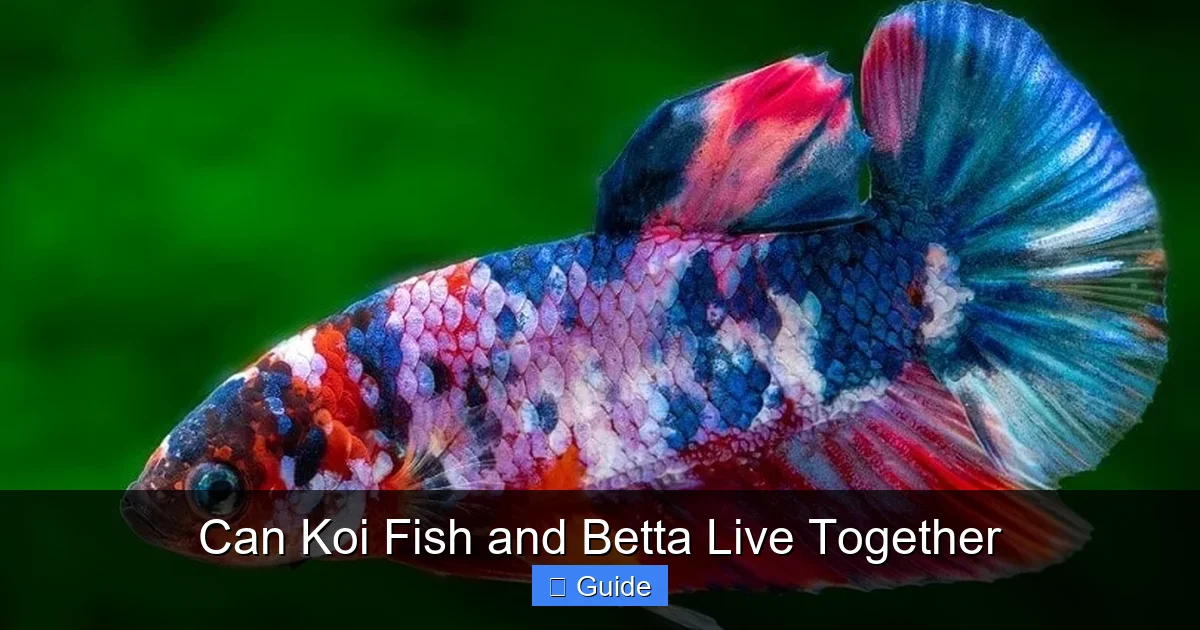
Visual guide about Can Koi Fish and Betta Live Together
Image source: hepper.com
The Myth of the “Peaceful” Betta
While female bettas can sometimes be kept in sororities (with careful planning), and some males are less aggressive, the species is inherently territorial. A male betta will flare its gills, extend its fins, and attack any fish it perceives as a competitor—especially another male or any fish with long, flowing fins. A koi, with its slow, graceful movements and large size, would trigger this instinct. The betta would see the koi’s fins as a threat or a rival and would relentlessly nip at them. This causes immense stress to the koi and physical injury to the betta (who could be rammed by the much larger fish’s body).
The Delicate, Heated Tank Setup a Betta Demands
A proper betta habitat is a work of art and science. It requires:
- Tank Size: A minimum of 5 gallons for a single male, with more being better. This provides stable water parameters and personal space.
- Heating: A reliable submersible aquarium heater is non-negotiable to maintain tropical temperatures.
- Filtration: A gentle filter (like a sponge filter) to cycle the water without creating a current that stresses the betta.
- Hiding Spots and Plants: Live or silk plants, caves, and driftwood provide security and break lines of sight, reducing territorial stress.
- Water Quality: Bettas are sensitive to poor water quality. A cycled tank with regular water changes (25-50% weekly) is essential. They are also susceptible to ammonia and nitrite poisoning.
This entire setup is the antithesis of what a koi needs. A betta tank is warm, small, and decorated for a single fish’s security.
Koi Fish: Gentle Giants of the Pond (That Are Messy)
Koi are beloved for their size, color, and personable nature as they learn to recognize their caretakers for food. But “gentle giant” refers to their temperament towards humans, not their environmental needs. They are, in essence, living water filters with huge appetites.
Visual guide about Can Koi Fish and Betta Live Together
Image source: koibettafish.com
The Inevitable Growth Spurt
That adorable 3-inch koi you buy will not stay small. Given proper conditions, most koi varieties will reach 24-36 inches in length and can weigh between 15 to 30 pounds or more. They are not fish for indoor tanks except in the most extraordinary, custom-built, multi-thousand-gallon setups (which are rare and prohibitively expensive). Their entire biology is built for expansive, deep ponds where they can swim freely.
The Outdoor Pond Imperative
A healthy koi environment is a serious undertaking:
- Volume: A rule of thumb is a minimum of 500-1000 gallons for a few adult koi, with more being vastly preferable. They need depth (at least 3-4 feet) to survive winter in colder climates.
- Filtration: Koi produce an enormous amount of waste. They require a heavy-duty filtration system capable of processing the entire pond volume multiple times per hour. This often includes biological filters, UV clarifiers, and mechanical skimmers.
- Aeration: High oxygen levels are critical. This is achieved with waterfalls, fountains, or air pumps with diffusers.
- Seasonal Care: Ponds require winter management (preventing total ice cover, de-icers) and spring/summer maintenance to control algae and parasites.
The noise, flow, and sheer volume of a koi pond are utterly overwhelming and unsuitable for a betta.
Why Co-Habitation Is a Recipe for Disaster
Now, let’s combine all these mismatches into the catastrophic reality of trying to house these two species together. It’s not just inconvenient; it’s actively harmful.
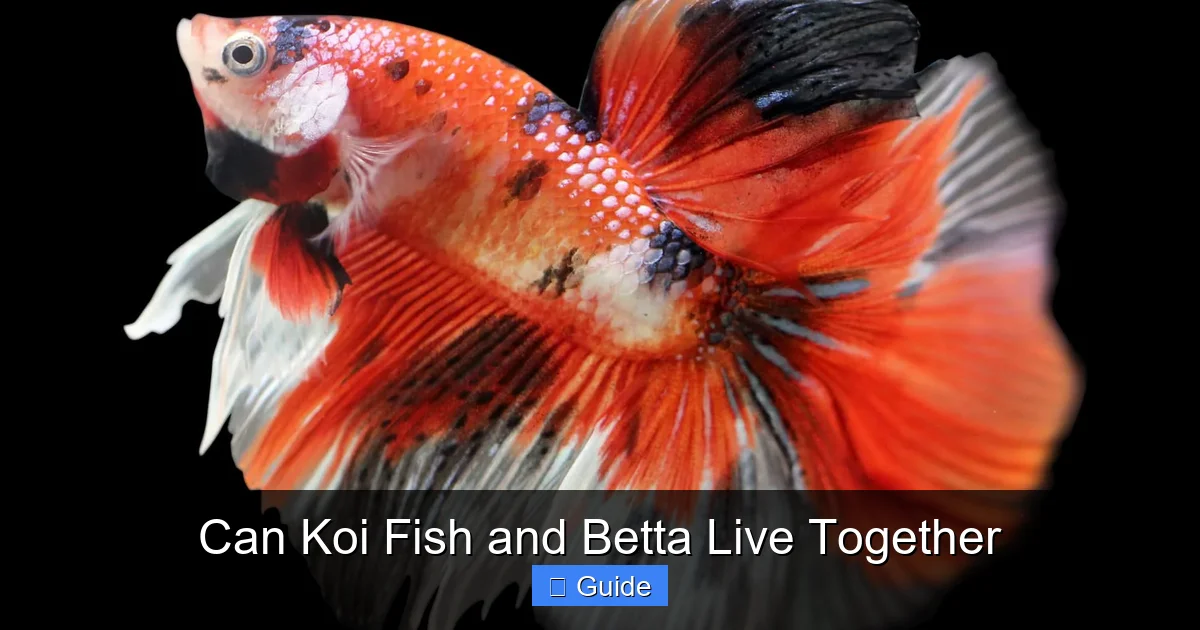
Visual guide about Can Koi Fish and Betta Live Together
Image source: aquariadise.com
The Problem of Scale: A Tale of Two Fish
Imagine a 3-inch betta with delicate, silk-like fins sharing space with a 30-inch, 25-pound koi. The sheer physical disparity is the first problem. The koi’s normal, powerful swimming could easily displace or injure the betta. A curious koi might try to investigate or nudge the smaller fish, causing physical trauma. Conversely, the betta, driven by its territorial instincts, would see the koi’s large, slow-moving body as an intruder in its space and would incessantly nip at the koi’s fins and barbels. This causes stress and potential infection for the koi, and the betta will likely injure itself on the koi’s thick scales or be ignored at best, flared at and chased at worst.
Water Quality: A Losing Battle
Koi are “messy” eaters and prodigious waste producers. Their biological load in an aquarium setting would be astronomical. In a tank “suitable” for a betta (say, 20 gallons), the ammonia and nitrite from a single koi would spike to lethal levels within days, even with filtration. The betta, with its delicate gills and sensitivity, would succumb to ammonia poisoning first. In a pond “suitable” for a koi, the betta would be unable to find warm, still water to call its own and would be stressed by the currents, temperature, and poor water quality from overstocking. You cannot maintain water parameters that are safe for both simultaneously.
The Invisible Enemy: Chronic Stress
Even if you miraculously avoided physical injury and water toxicity, the psychological stress would be unbearable for both. The betta would live in a constant state of high alert, flaring at the giant intruder, wasting energy, and losing its vibrant colors. The koi would be stressed by the presence of a hyper-aggressive, nipping smaller fish, which can suppress its immune system. Chronic stress is a leading cause of disease in fish, paving the way for opportunistic infections like Pseudomonas (causing fin rot) or parasitic outbreaks like Trichodina. For more on recognizing stress in fish, understanding general terms and conditions for aquatic pet care is a good starting point for responsible ownership.
Creating the Ideal, Separate Environments for Each Species
The solution is not to force a compromise, but to celebrate the differences by providing each animal with the perfect home it deserves.
The Thriving Betta Tank: A Tropical Showcase
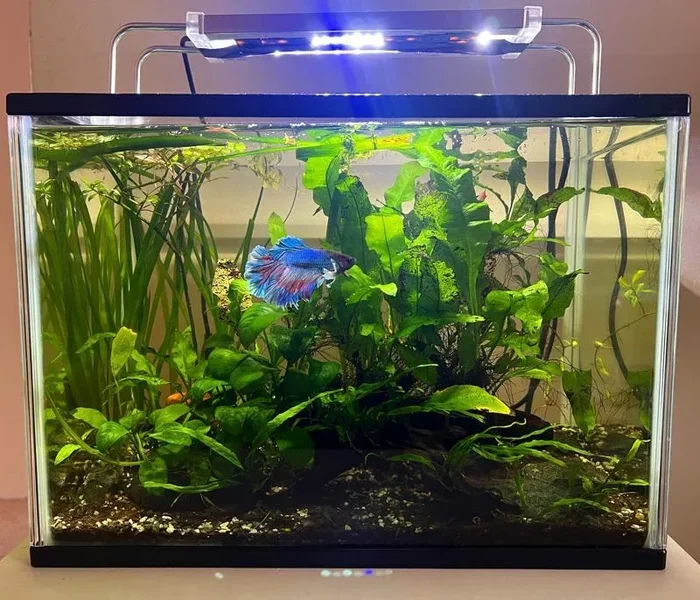
Focus on creating a stable, warm, and beautifully planted micro-habitat. Use a heater set to 78-80°F, a gentle sponge filter, and perform weekly water tests and changes. Decorate with a substrate, live plants like Java fern or Anubias (which don’t require substrate), and smooth caves or betta logs. This provides security and reduces boredom. Feed a high-quality pellet diet supplemented with occasional frozen or live foods like daphnia or brine shrimp.
The Healthy Koi Pond: A Ecosystem in Balance
This is a larger-scale project. The pond must be properly sized and filtered before introducing koi. The filtration system should be rated for at least 2-3 times the pond’s total volume per hour. Include a deep area (3-4 feet) for winter survival. A bottom drain is highly recommended for easy waste removal. Plant marginal and submerged aquatic plants to help with oxygenation and natural filtration. Feed a high-quality koi pellet, being careful not to overfeed, as excess food decomposes and pollutes the water.
Exploring Compatible Tank Mates (For Each Species Individually)
Once you have the correct setup, you can consider introducing other species, but with extreme caution and research.
For Your Betta Tank
In a properly sized, heavily planted betta tank (20+ gallons is ideal for community), potential mates must be:
- Fast-swimming and non-finnied: To evade a flare-up (e.g., neon tetras, harlequin rasboras, zebra danios).
- Non-territorial bottom-dwellers: That won’t compete for space (e.g., corydoras catfish, kuhli loaches).
- Peaceful and robust: Shrimp (like Amano or Ghost shrimp) or snails (Nerite, Mystery) can work but may be eaten.
Never add other long-finned fish (guppies, fancy guppies, angelfish) or slow-moving fish. Always have a backup plan and a separate hospital tank. It’s crucial to review the terms and conditions of any fish compatibility guide, as individual betta personalities vary wildly.
For Your Koi Pond
Koi ponds are less about “tank mates” and more about a balanced ecosystem. Suitable cold-water pond companions include:
- Other Koi: They are social and should be kept in groups.
- Goldfish: Common or comet goldfish are excellent, hardy companions with similar needs.
- Pond Fish: Weather loaches, certain species of hardy minnows, or even freshwater mussles for natural filtration.
- Never introduce tropical fish like bettas, guppies, or mollies. They will not survive the cold winters and will pollute the water.
Conclusion: Respecting Their True Nature
The dream of a mixed koi and betta tank is a classic example of wanting a beautiful, mixed-species display without considering the biological and behavioral realities of the animals involved. The phrase “can koi fish and betta live together” must be answered with a firm “no” based on science and ethics. Forcing them together guarantees stress, illness, and likely death for one or both. It is a disservice to these incredible, but very different, creatures.
Your path as a responsible fish keeper is to choose one path and excel at it. Become a betta expert, crafting a stunning, planted nano-tank that highlights the betta’s intelligence and beauty. Or, embrace the commitment of a koi pond, building a serene, naturalistic outdoor haven for these gentle giants. By providing each with its own ideal, species-specific home, you ensure not just their survival, but their vitality, color, and true character to shine. Remember, the best hobbyists are those who prioritize the animal’s needs over our aesthetic desires. Always conduct thorough research and understand your responsibilities, which includes being familiar with the terms and conditions of responsible pet ownership.
Frequently Asked Questions
Can a betta fish survive in a koi pond?
No. The cold water temperatures of a koi pond will shock and eventually kill a tropical betta. Additionally, the pond’s size, currents, and aggressive koi (even if unintentional) pose immediate physical dangers. The betta would also be unable to find the warm, still water it requires.
What is the absolute minimum tank size that could theoretically hold both a koi and a betta?
There is no safe or ethical minimum. A single adult koi requires a minimum of 500-1000 gallons in a pond setup. A betta needs at least 5 gallons of heated, filtered tank water. No single aquatic system can provide the warm, still, small-space environment for a betta and the cool, oxygenated, massive-volume environment for a koi simultaneously.
Are there any betta varieties (like females or Plakat bettas) that would be less aggressive towards a koi?
3>No. While female bettas can sometimes be less aggressive than males, and Plakat bettas have shorter fins and may be slightly less prone to fin-flaring, the core territorial and aggressive instincts of the species remain. Any betta would see a large, slow-moving koi as an intruder in its territory and would nip at its fins. The fundamental incompatibility is not just about aggression; it’s about irreconcilable differences in water, space, and biology.
Can koi be kept successfully in a large indoor aquarium instead of a pond?
It is exceptionally difficult and generally not recommended. A single adult koi will quickly outgrow any standard indoor aquarium, requiring a custom-built tank of at least 1000+ gallons with industrial-grade filtration and cooling systems. The cost, space, and maintenance are prohibitive for almost all hobbyists. Koi are pond fish by nature and requirement.
What about using a very large tank with a heavy-duty divider to separate the koi and betta sides?
This is not a viable solution. You would still need to maintain two completely different water parameters (temperature, flow) on either side of the divider, which is technically impossible in a single connected water system. Furthermore, the koi’s immense waste production would degrade the water quality on the betta’s side, and the visual stress of seeing a giant fish through the divider would chronically stress the betta.
If I can’t mix them, what are the best ways to provide enrichment for each species in their correct setups?
For a betta, enrichment means a richly planted tank with hides, caves, and floating logs to explore. Use a mirror for short sessions to let it flare (exercise), feed varied foods, and consider safe, live food chase opportunities. For koi, enrichment is more about environmental complexity in the pond: varying depths, planted shelves, rocks and caves to investigate, and interactive feeding (using a mesh bag of food they must root through). Both benefit from consistent interaction with their caretaker during feeding times.