What Is the Best Water for a Betta Fish
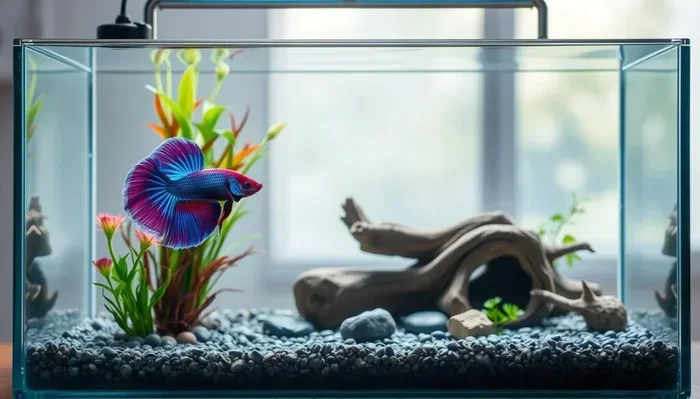
The best water for a betta fish is clean, dechlorinated, and properly conditioned tap or filtered water. Maintaining the right pH level, water temperature, and ammonia levels is essential for your betta’s health. This guide covers everything you need to know about choosing and preparing the ideal water for your betta fish.
Choosing the right water for your betta fish might seem like a small detail, but it makes a huge difference. The best water for a betta fish is not just about filling a tank and calling it done. There are specific factors like pH balance, water hardness, and chemical levels that directly impact your fish’s health and lifespan.
Many new betta owners make the mistake of using water straight from the tap without treating it. This can lead to serious health problems or even death. In this guide, we will walk you through everything you need to know about selecting, treating, and maintaining the perfect water for your betta fish. You will learn simple steps that take just minutes but protect your fish for years to come.
Key Takeaways
- Dechlorinated tap water is the most accessible and affordable option for betta fish when properly treated.
- Water conditioner removes harmful chlorine and chloramine that can damage your betta’s gills and fins.
- Ideal pH levels for betta fish range between 6.5 and 7.5, with stable conditions being more important than perfect numbers.
- Regular water changes of 25-50% weekly help maintain clean, healthy water for your betta.
- Avoid distilled and RO water unless you remineralize it, as these lack essential minerals bettas need.
- Water temperature should stay between 76-82°F to keep your betta comfortable and active.
📑 Table of Contents
- Why Water Quality Matters for Betta Fish
- Types of Water You Can Use for Betta Fish
- Key Water Parameters for Betta Fish
- How to Prepare Water for Your Betta Fish
- Common Mistakes to Avoid with Betta Fish Water
- How Often Should You Change Your Betta’s Water?
- Expert Tips for Maintaining Perfect Water
- Conclusion
Why Water Quality Matters for Betta Fish
Bettas are freshwater fish that thrive in clean, stable environments. In the wild, they live in slow-moving streams and rice paddies in Southeast Asia. These natural habitats have very specific water parameters that keep bettas healthy. When you recreate those conditions in a tank, your betta will be happier and live longer.
Poor water quality is the number one cause of illness in betta fish. High levels of ammonia and nitrate can burn your fish’s gills and skin. Even small amounts of chlorine from untreated tap water can cause damage over time. This is why understanding your water source is so important.
The Role of Water in Betta Fish Health
Your betta fish spends its entire life in the water you provide. Unlike humans, fish absorb water through their skin and gills. This means everything in the water directly enters their body. Contaminated water can lead to infections, fin rot, and stress. A stressed betta is also more likely to develop diseases like ich or velvet.
Good water quality supports more than just survival. It helps your betta display vibrant colors, build strong fins, and maintain a healthy appetite. When the water is right, you will notice your betta swimming actively and exploring its tank. This is a clear sign that your aquarium water is doing its job.
Types of Water You Can Use for Betta Fish
Not all water sources are created equal. Let us look at the most common options and what works best for your betta.
Tap Water
Tap water is the most popular choice among betta owners. It is easy to access and affordable. However, tap water contains chlorine and chloramine, which are added by municipalities to make water safe for humans. These chemicals are harmful to fish, even in small doses.
The good news is that treating tap water is simple. You just need a quality water conditioner that removes chlorine, chloramine, and heavy metals. Products like Seachem Prime or API Stress Coat work well and are widely available. Always let treated water sit for a few minutes before adding it to the tank.
Filtered Water
Filtered water from a pitcher or under-sink system is another solid option. These filters remove many impurities, but they do not always eliminate chlorine or chloramine. Check your filter’s specifications to see what it removes. If it does not remove chlorine, you will still need to use a water conditioner.
Spring Water
Spring water can be a great choice because it contains natural minerals that bettas need. However, you should test the pH level and mineral content before using it. Some spring waters are too hard or have a pH that is too high for bettas. Always buy plain spring water without added minerals or flavors.
Distilled Water and RO Water
Distilled water and reverse osmosis (RO) water are very pure, but they lack essential minerals. Using these alone can cause health problems for your betta. If you want to use RO water, you need to remineralize it with products like Wonder Shell or Seachem Equilibrium. For most beginners, tap water with conditioner is the easiest and most reliable choice.
Well Water
If you use well water, you need to test it carefully. Well water can contain high levels of iron, dissolved minerals, and even bacteria. Some well water works great for bettas, while other sources can be problematic. Always test your well water before adding it to your tank.
Key Water Parameters for Betta Fish
Understanding water parameters helps you keep your betta healthy. Here are the most important ones to monitor.
| Parameter | Ideal Range | Why It Matters |
|---|---|---|
| pH Level | 6.5 – 7.5 | Prevents stress and supports gill function |
| Water Temperature | 76 – 82°F | Keeps metabolism and immune system strong |
| Ammonia (NH3) | 0 ppm | Even low levels can burn gills |
| Nitrite (NO2) | 0 ppm | Toxic to fish at any level |
| Nitrate (NO3) | Under 20 ppm | Builds up over time; removed by water changes |
| Water Hardness (GH) | 3 – 4 dGH | Supports bone and organ health |
pH Level for Betta Fish
The pH level measures how acidic or alkaline your water is. Bettas do best in slightly acidic to neutral water. A stable pH between 6.5 and 7.5 is ideal. Sudden pH swings are more dangerous than a slightly off number. Use a liquid test kit to monitor your pH regularly.
Water Temperature for Betta Fish
Water temperature plays a big role in your betta’s overall health. Bettas are tropical fish and need warm water to thrive. The ideal range is between 76 and 82 degrees Fahrenheit. If the water is too cold, your betta becomes sluggish and more prone to illness. If the water is too hot, it reduces oxygen levels and stresses your fish.
Using a submersible aquarium heater with a thermostat helps maintain a steady temperature. Place the heater near the filter output for even heat distribution. Always give the heater time to adjust before adding your betta to a new tank.
How to Prepare Water for Your Betta Fish
Preparing water for your betta does not need to be complicated. Follow these simple steps to ensure your water is safe and healthy.
- Start with dechlorinated tap water. Use a water conditioner to remove chlorine and chloramine. Follow the dosage instructions on the bottle.
- Let the water reach room temperature. Cold water can shock your betta’s system. If you need to warm it up, use a heater or let it sit near the tank.
- Test the water parameters. Use a liquid test kit to check pH, ammonia, nitrite, and nitrate levels. This takes just a few minutes.
- Match the water to your tank. If you already have a cycled tank, try to match the existing water parameters when you add new water.
- Add the water slowly. Pour water gently into the tank to avoid disturbing your betta or the substrate.
Quick Tip: Always use a water conditioner every time you add new water to your tank. Even water that sits out overnight still contains dissolved chloramine that can harm your betta.
Common Mistakes to Avoid with Betta Fish Water
Even experienced fish keepers make mistakes. Here are the most common errors and how to avoid them.
- Using untreated tap water. This is the most common mistake. Chlorine and chloramine will harm your betta over time. Always use a conditioner.
- Skipping water tests. You cannot see ammonia or nitrate with the naked eye. Testing your water regularly is the only way to know it is safe.
- Doing too large of water changes at once. Changing more than 50% of the water at once can cause a pH crash. Stick to 25-30% weekly changes.
- Using water that is too cold or too hot. Temperature shock is very dangerous for bettas. Always check the temperature before adding water.
- Ignoring water hardness. Very soft or very hard water can stress your betta. Aim for a water hardness between 3 and 4 dGH.
- Using distilled water without remineralizing. Distilled water lacks minerals your betta needs for healthy gills and fins.
How Often Should You Change Your Betta’s Water?
Regular water changes are essential for keeping your betta healthy. In a small tank under 5 gallons, you should change 25-30% of the water every week. In larger tanks, you can stretch this to every one to two weeks, but weekly changes are always better.
During a water change, use a gravel vacuum to remove debris from the substrate. This prevents buildup of waste and uneaten food. Refill the tank with fresh, conditioned water at the same temperature as the tank water.
If you notice your betta acting differently after a water change, check your parameters. Sometimes new water can have a different pH or temperature than the tank water. Small differences are fine, but large swings can cause stress.
Expert Tips for Maintaining Perfect Water
Here are some pro tips that will help you keep your betta’s water in top condition.
- Invest in a liquid test kit. Test strips are convenient but less accurate. A liquid kit like the API Freshwater Master Test Kit gives you precise readings.
- Cycle your tank before adding your betta. A cycled tank has beneficial bacteria that break down ammonia and nitrite. This creates a safer environment for your fish.
- Use a gentle filter. Bettas prefer slow-moving water. A filter with an adjustable flow or a sponge filter works best. Strong currents can exhaust your betta.
- Add live plants. Live plants absorb nitrates and help oxygenate the water. They also provide hiding spots that make your betta feel secure.
- Keep your tank away from direct sunlight. Sunlight can cause algae blooms and temperature swings. Place the tank in a spot with indirect light.
For more tips on setting up the ideal environment, check out our guide on what is the best tank for a betta fish. The right tank setup makes water maintenance much easier.
Conclusion
Finding the best water for a betta fish comes down to understanding your water source and treating it properly. Whether you use tap water, filtered water, or spring water, the key is to remove harmful chemicals and maintain stable parameters. Dechlorinated tap water with a quality conditioner remains the most practical and reliable choice for most betta owners.
Remember to test your water regularly, perform weekly water changes, and keep your tank temperature stable. Your betta fish will reward you with vibrant colors, active behavior, and a long, healthy life. With the right water and a little attention, your betta will thrive in its home. Start applying these tips today and watch your betta flourish.
For more information on betta care, visit our article on what is the best temperature for a betta fish tank to learn how to keep the water at the perfect warmth. You can also explore what kind of water is best for betta fish for a deeper dive into water types and their effects on your fish.
Frequently Asked Questions
Can I use bottled spring water for my betta fish?
Yes, you can use bottled spring water as long as it does not contain added minerals or flavors. Test the pH and mineral content first to make sure it falls within the safe range of 6.5 to 7.5 pH. Spring water often contains natural minerals that are beneficial for bettas.
Is tap water safe for betta fish without treatment?
No, tap water is not safe without treatment. It contains chlorine and chloramine that are harmful to fish. Always use a water conditioner to remove these chemicals before adding tap water to your betta tank.
How long should I let water sit before adding it to my betta tank?
If you are using conditioned water, you can add it right away. If you are letting water sit to evaporate chlorine, wait at least 24 hours. However, this method does not remove chloramine, so using a water conditioner is always the better choice.
What is the best water temperature for a betta fish?
The ideal water temperature for a betta fish is between 76 and 82 degrees Fahrenheit. This range supports a healthy immune system and active behavior. Use a submersible heater to maintain a steady temperature in your tank.
Do betta fish need a water filter?
Yes, a filter helps maintain clean water by removing waste and toxins. However, choose a filter with adjustable flow or a sponge filter because bettas do not like strong currents. The filter also supports the nitrogen cycle, which keeps ammonia and nitrite levels at zero.
Can I use RO water for my betta fish?
You can use RO water, but you must remineralize it first. RO water lacks the essential minerals bettas need for healthy gills and osmoregulation. Add a remineralizer like Wonder Shell or Seachem Equilibrium to restore the proper mineral balance before using it in your tank.