Are Mirrors Good for Betta Fish

So, are mirrors good for betta fish? The answer is both yes and no. Using a mirror can trigger natural flaring behavior and provide short-term exercise, but leaving a mirror in the tank too long causes chronic stress. Betta fish mirrors work best as a temporary training tool, not a permanent tank fixture.
This is a comprehensive guide about are mirrors good for betta fish.
Key Takeaways
- Mirrors trigger flaring: Betta fish see their reflection as a rival and naturally flare their fins and gills.
- Short sessions are safe: A few minutes of mirror exposure can provide mental stimulation and exercise.
- Long-term use causes stress: Leaving a mirror in the tank constantly raises cortisol levels and exhausts your fish.
- Never use a mirror on sick fish: Stressed bettas need rest, not added stimulation during recovery.
- Combine with other enrichment: Live plants and proper tank setup reduce the need for mirrors entirely.
- Watch for stress signs: Clamped fins, loss of color, and hiding indicate the mirror is doing more harm than good.
[FEATURED_IMAGE_PLACEHOLDER]
You have probably wondered about are mirrors good for betta fish at some point. Maybe you saw a video of a betta flaring at its own reflection and thought it looked entertaining. Or perhaps a pet store employee told you a mirror helps keep your fish active and healthy.
The truth is more complicated than a simple yes or no. Mirrors interact with betta fish in surprising ways. They can spark natural behaviors, but they can also cause real harm if used incorrectly. This guide breaks down everything you need to know about using a mirror for betta fish safely and effectively.
What Happens When a Betta Fish Sees a Mirror
When a betta fish looks at its reflection, it does not understand what it is seeing. To your fish, that shimmering image looks like another male betta invading its space. This triggers a deep-rooted survival response that plays out in fascinating ways.
The Flaring Response
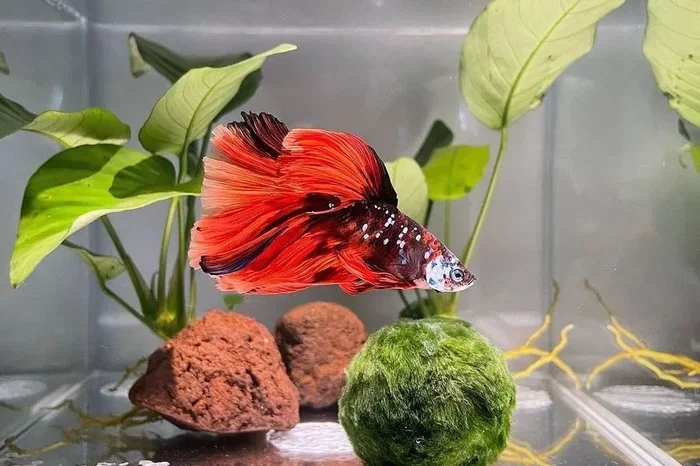
Flaring is the most obvious reaction. Your betta will spread its fins wide, puff up its body, and sometimes change color. This display is meant to intimidate a perceived rival. In the wild, bettas use flaring to establish territory without engaging in deadly combat. The reflection tricks your fish into thinking it is defending its home.
Some owners love watching this display. It is undeniably impressive. A betta flaring at a mirror can look like a tiny, colorful warrior puffing up with pride. But what feels entertaining for you may feel exhausting for your fish.
The Stress Hormone Connection
Every time your betta flares, its body releases cortisol, the primary stress hormone. A short burst of cortisol is normal and even healthy. It prepares the fish for a quick confrontation or escape. The problem starts when the stress becomes constant.
Studies on aquarium fish show that repeated stress exposure weakens the immune system over time. A betta that flares at a mirror for hours on end is essentially running a marathon every single day without rest. This leads to fatigue, appetite loss, and increased vulnerability to disease.
Are Mirrors Good for Betta Fish? The Short-Term Benefits
When used correctly and in moderation, mirrors do offer some genuine benefits for betta fish. Let us look at what a mirror for betta fish can actually do right.
Mental Stimulation and Enrichment
Betta fish are intelligent creatures. In small, barren tanks, they can become bored. A bored betta often lounges at the bottom or floats listlessly near the surface. Adding variety to their environment keeps their minds active. A mirror session provides a novel stimulus that breaks up the monotony of daily life in a tank.
Think of it like giving your fish a puzzle to solve. The reflection presents a challenge. Your betta has to decide whether to flare, retreat, or investigate. This kind of betta fish enrichment matters more than most owners realize.
Exercise Through Flaring
Flaring engages multiple muscle groups. The fins spread, the gills expand, and the body tenses. For bettas that spend most of their time barely moving, a brief mirror session can act as a gentle workout. This is especially helpful for fish that have become sedentary due to tank size or temperature issues.
However, exercise does not mean marathon sessions. Think of it as a quick stretching routine, not a daily gym session. A few minutes is plenty.
Appetite Stimulation
Some owners report that their bettas eat more eagerly after a brief mirror session. The mild excitement seems to wake them up and trigger feeding instincts. If your betta has been picky or off its food, a short mirror encounter before feeding time might help.
Just be careful not to overdo it. A stressed fish will eat less, not more. The key is keeping the experience positive and brief.
The Hidden Dangers of Mirrors in Betta Tanks
The risks of mirror use are real and often overlooked. Many well-meaning owners cause harm without realizing it. Understanding these dangers is essential before you introduce a mirror into your betta fish tank.
Chronic Stress and Immune Suppression
This is the biggest concern. When a mirror stays in the tank permanently, your betta never gets a break from the perceived threat. The constant flaring drains energy and suppresses the immune response. Fish under chronic stress are far more likely to develop common illnesses like ich, fin rot, and fungal infections.
A betta fish stress response that never shuts off is like leaving a alarm bell ringing in your home 24 hours a day. Eventually, your body would break down too.
Territorial Exhaustion
Betta fish are naturally territorial. In the wild, they defend small patches of shallow water. A mirror makes your entire tank feel like a contested territory with no escape. Your fish may stop resting, stop eating normally, and become hypervigilant at all times.
Over time, this territorial exhaustion leads to weight loss, faded colors, and a generally weakened appearance. Your once-vibrant betta may start looking dull and lethargic.
Disrupted Sleep Patterns
Betta fish need darkness to sleep properly. If a mirror reflects light into the tank at night or sits where your fish can see it around the clock, sleep quality drops significantly. Poor sleep compounds all the other stress effects and slows healing and growth.
How to Use a Mirror Safely With Your Betta
If you decide to use a mirror, doing it the right way makes all the difference. Safe mirror use follows a few simple rules that protect your fish while still delivering the benefits.
The Two-Minute Rule
Limit mirror sessions to two minutes maximum. Hold the mirror outside the tank and let your betta see the reflection for a short burst. Watch for signs of intense flaring, then remove the mirror immediately. Two minutes is enough to trigger the positive effects without crossing into dangerous territory.
Some experienced keepers even recommend starting with just 30 seconds and gradually increasing to two minutes over several weeks. This gives your fish time to adjust without being overwhelmed.
Frequency Matters
Once or twice a week is the sweet spot for mirror sessions. Daily use, even if brief, can still accumulate stress over time. Think of mirror sessions like treats, not staples. They should be occasional enrichment, not a daily routine.
Placement and Angle
Hold the mirror at a slight angle so your betta can choose to look away. Never trap your fish with the mirror directly in front of its face. Giving your fish an escape option reduces the feeling of being cornered, which lowers the overall stress response.
Observe Your Fish Reactions
Every betta is different. Some fish love flaring at mirrors and seem energized afterward. Others become visibly distressed. Watch for these signs during and after each session:
- Positive signs: Active flaring followed by calm swimming, interest in food, normal coloration.
- Negative signs: Clamped fins, rapid breathing, hiding, loss of appetite, pale or faded colors.
If you notice negative signs, stop using the mirror entirely. Not every betta enjoys or benefits from mirror sessions, and that is perfectly fine.
Better Alternatives to Mirrors for Betta Enrichment
Mirrors are not the only way to keep your betta mentally stimulated. Several alternatives provide enrichment without the stress risks. These options work especially well as part of a complete betta tank setup.
Live Plants and Natural Decor
Adding live plants to your betta tank creates a more natural and engaging environment. Plants give your fish places to explore, hide, and rest. They also improve water quality by absorbing nitrates. Are live plants safe for betta fish? Yes, many species thrive in betta tanks and provide excellent enrichment.
Java ferns, anubias, and amazon swords are all popular choices. They are hardy, low-maintenance, and betta-friendly. A well-planted tank reduces boredom far more effectively than a mirror ever could.
Tank Mates and Social Interaction
Some bettas do well with carefully chosen tank mates. Snails, for instance, are peaceful creatures that add activity to a tank without stressing your betta. Are snails good for betta fish tanks? Yes, they are one of the safest and most enjoyable companions for bettas.
Shrimp can also work, but results vary. Some bettas ignore shrimp completely, while others view them as food. Always research compatibility before adding any new creature to your tank.
Feeding Puzzles and Variety
Changing up your feeding routine adds mental stimulation on its own. Instead of dropping pellets in the same spot every day, try floating food on the surface or releasing it at different locations. Are brine shrimp good for betta fish? Yes, they make an excellent treat that encourages natural hunting behavior.
You can also try feeding puzzles designed for aquarium fish. These slow down eating and force your betta to work for its food, which is both enriching and fun to watch.
Water Flow and Current
Gentle water movement from a sponge filter or air stone adds another layer of stimulation. Are water filters necessary for betta fish? Absolutely. A good filter keeps water clean and creates interesting currents that your betta can swim against and explore. Just make sure the flow is not too strong, as bettas prefer calm water.
Common Mistakes People Make With Betta Mirrors
Even experienced fish keepers sometimes make mistakes with mirror use. Avoiding these common errors helps keep your betta safe and healthy.
Leaving the Mirror in the Tank
This is the most frequent mistake. Some owners prop a mirror against the side of the tank and leave it there 24/7. This is never acceptable. The reflection becomes a constant source of stress that your fish cannot escape from.
Using Mirrors on Sick or Injured Fish
A betta recovering from illness or injury needs rest, not stimulation. Mirror use during recovery can delay healing and worsen symptoms. Always wait until your fish is fully healthy before considering any enrichment tools.
Ignoring Signs of Overstimulation
Some owners mistake constant flaring for happiness. It is not. Excessive flaring is a distress signal. If your betta flares nonstop when it sees the mirror, that is a sign the session is too long or too frequent.
Using Low-Quality or Sharp Mirrors
A cracked or chipped mirror can injure your fish if it falls into the tank. Always use a smooth, intact mirror and hold it securely outside the tank. Never place loose glass or plastic mirrors inside the aquarium.
Expert Insights on Mirror Use for Betta Fish
Many aquarium professionals take a cautious stance on mirrors. While they acknowledge the short-term benefits, most experts recommend limiting mirror use to brief, supervised sessions only.
Dr. Richmond Loh, a veterinary aquarist, notes that “the key with any enrichment tool is moderation. What works as a brief stimulus can become a chronic stressor if overused.” This principle applies directly to mirror sessions. A two-minute mirror encounter a few times a week can be enriching. A mirror left in the tank all day is harmful.
Experienced betta breeders also tend to use mirrors sparingly. They may flash a mirror briefly to encourage a male to flare during conditioning for shows, but they never leave it in the tank. This practical approach balances stimulation with safety.
The takeaway from experts is clear. Mirrors are a tool, not a toy. Used wisely, they can enhance your betta’s life. Used carelessly, they cause real suffering. The responsibility falls on the owner to monitor and control every session.
Conclusion
So, are mirrors good for betta fish? The answer depends entirely on how you use them. A mirror for betta fish can provide valuable mental stimulation, light exercise, and appetite encouragement when used in short, controlled sessions. But leaving a mirror in the tank or using it too frequently causes chronic stress, immune suppression, and behavioral problems.
The safest approach is to treat mirrors as an occasional enrichment tool, not a permanent fixture. Keep sessions under two minutes, limit them to once or twice a week, and always watch your fish for signs of distress. Better yet, focus on building a rich tank environment with live plants, proper filtration, and thoughtful decoration that keeps your betta engaged every single day.
Your betta fish deserves a stimulating and safe home. Whether you use a mirror or choose other enrichment methods, the goal is the same. A happy, healthy fish that gets to express its natural behaviors in a well-designed environment. That is what every betta owner should strive for.
If you are curious about other aspects of betta care, check out our guides on bubbles in betta tanks, plastic plants for betta tanks, and water filter necessity for more helpful tips.
Frequently Asked Questions
Can I leave a mirror in my betta tank all day?
No. Leaving a mirror in the tank constantly causes chronic stress and exhaustion. Your betta will flare nonstop, thinking it is defending its territory from a permanent rival. This drains energy, weakens the immune system, and can lead to serious health problems. Always remove the mirror after a brief supervised session.
How long should a mirror session last for a betta fish?
Keep mirror sessions to two minutes or less. Start with 30 seconds if your betta is new to mirror exposure. Watch for signs of intense stress and remove the mirror immediately if your fish seems overwhelmed. Short, positive sessions provide enrichment without the harmful effects of prolonged exposure.
Do all betta fish react the same way to mirrors?
No. Every betta has a unique personality. Some fish flare enthusiastically and seem energized afterward. Others become visibly stressed, hide, or lose interest in food. Pay close attention to your individual fish and adjust your approach based on its reactions. If your betta does not enjoy mirrors, skip them entirely.
Can mirror use help with betta fish training?
Yes, in a limited way. Brief mirror exposure can help encourage a shy or lethargic betta to flare and move more actively. Some breeders use mirrors during conditioning to stimulate appetite and display behavior. However, mirror training should always be paired with other enrichment methods and proper tank care for the best results.
Are there any risks of physical injury from a mirror?
The main physical risk comes from a mirror breaking inside the tank. Sharp glass can cut your fish or damage the tank. Always use a smooth, intact mirror and hold it securely outside the aquarium. Never place loose or cracked mirrors inside the tank. A sturdy plastic mirror designed for aquariums is a safer alternative to glass.
What age is appropriate to start using a mirror with a betta fish?
There is no specific age requirement, but younger, healthier bettas tend to handle mirror sessions better than older or already stressed fish. If your betta is new to your tank, wait at least one to two weeks before introducing a mirror. This gives your fish time to acclimate to its new environment and establish a normal routine first.