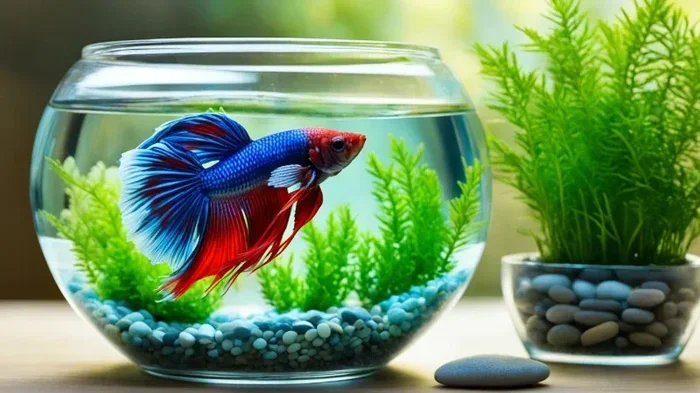
What Is the Life Span of a Betta Fish

The life span of a betta fish typically ranges from 3 to 5 years, but with proper care, some bettas can live up to 7 years or more. Factors like water quality, tank temperature, diet, and tank size play a huge role in determining how long your betta will thrive. This guide covers everything you need to know about maximizing your betta fish lifespan through simple, actionable care steps.
The life span of a betta fish is a topic every owner should understand. Whether you just brought home your first betta or you have had one for years, knowing what affects their longevity helps you make better choices. This guide breaks down everything from the basics of betta biology to practical tips that can add years to your fish’s life. Let us dive in and explore how to keep your betta healthy and happy for as long as possible.
Key Takeaways
- Average lifespan: Most betta fish live between 3 and 5 years with proper care.
- Water temperature matters: Keeping the tank between 76-82°F is essential for a long, healthy life.
- Diet affects longevity: Feeding high-quality betta food and avoiding overfeeding can add years to your fish’s life.
- Tank size is critical: A minimum 5-gallon tank reduces stress and improves overall health.
- Signs of aging: Understanding how to tell the age of your betta helps you adjust care routines accordingly.
- Common mistakes shorten lifespan: Small bowls, poor water quality, and aggressive tank mates are the biggest threats.
📑 Table of Contents
- What Is the Average Life Span of a Betta Fish?
- Factors That Affect the Betta Fish Life Span
- How To Tell the Age of Your Betta Fish
- Common Mistakes That Shorten a Betta Fish Life Span
- How To Maximize Your Betta Fish Lifespan
- Expert Insights on Betta Fish Longevity
- Final Thoughts on the Life Span of a Betta Fish
What Is the Average Life Span of a Betta Fish?
When people ask about the life span of a betta fish, they usually want a simple number. The honest answer is that most bettas live between 3 and 5 years in captivity. However, this number is not set in stone. Some bettas push past the 5-year mark with excellent care, and the longest recorded betta fish lived to about 9 years old.
Your betta’s genetics play a role too. Fish from reputable breeders tend to have stronger genes and may live longer than those from big-box stores. That said, you have far more control over environment and care than you do over genetics. The choices you make every day matter more than you might think.
Quick fact: A betta fish lifespan depends heavily on the conditions you provide. A well-maintained tank with proper filtration, heating, and nutrition gives your betta the best shot at a long life.
Why Do Some Betta Fish Live Longer Than Others?
Not all bettas are created equal when it comes to longevity. Several factors come into play that can either shorten or extend your fish’s life. Understanding these factors puts you in the driver’s seat.
Genetics is the first factor. A betta purchased from a responsible breeder often starts life with a stronger genetic foundation. These fish tend to be more resilient and less prone to common health issues like fin rot or velvet disease.
Environment is the second big factor. A betta kept in a clean, properly heated 5-gallon tank will almost always outlive a betta kept in a tiny unfiltered bowl. The difference can be years.
Nutrition rounds out the big three. Feeding a varied, high-quality diet supports immune function and overall vitality. More on this below.
Factors That Affect the Betta Fish Life Span
Several key factors determine how long your betta will live. Let us walk through each one so you know exactly what to focus on.
Water Temperature and Quality
Betta fish are tropical fish. They need warm, clean water to thrive. The ideal temperature range for a betta tank is between 76 and 82 degrees Fahrenheit. Water that is too cold slows down their metabolism and weakens their immune system. Water that is too hot causes stress and reduces oxygen levels.
Water quality matters just as much. Ammonia and nitrite levels should always be at zero. Nitrate should stay below 20 parts per million. Regular water changes and a good filter go a long way toward keeping these levels in check.
Pro tip: Use a reliable aquarium thermometer and a liquid test kit. Cheap strip tests are not always accurate, and inaccurate readings can lead to poor water conditions that shorten your betta fish lifespan.
Tank Size and Setup
Many people still keep bettas in tiny cups or bowls. This is one of the fastest ways to cut a betta’s life short. A tank that is too small leads to ammonia spikes, temperature fluctuations, and stress. All of these things wear down your fish over time.
A 5-gallon tank is the minimum recommended size for a single betta. A 10-gallon tank is even better because it provides more stable water parameters. Larger tanks are easier to maintain and give your betta room to swim, which reduces boredom and stress.
Add some live or silk plants, a gentle filter, and a heater. These simple additions create an environment that closely mimics a betta’s natural habitat and supports a longer, healthier life.
Diet and Nutrition
What you feed your betta directly impacts how long it lives. A diet high in protein and variety keeps your fish strong and active. Betta fish are carnivores by nature, so they thrive on foods like brine shrimp, bloodworms, and high-quality betta pellets.
Overfeeding is one of the most common mistakes betta owners make. Excess food rots in the tank and spikes ammonia levels. Feed your betta 2 to 3 pellets twice a day, and skip one feeding day per week to give the digestive system a break.
Variety also matters. Feeding the same food every day can lead to nutritional gaps. Rotate between pellets, frozen foods, and occasional live foods to keep your betta in top shape.
Stress and Tank Mates
Stress is a silent killer. A stressed betta fish is more susceptible to disease, loses its vibrant colors, and eats less. All of these factors chip away at its overall health and shorten its life span.
Keeping aggressive tank mates with your betta is a major source of stress. Fin-nipping fish like tiger barbs or certain tetras can cause constant harassment. Instead, choose peaceful species that coexist well with bettas, such as corydoras catfish or kuhli loaches.
Even the tank location matters. Place your betta tank in a quiet area away from loud noises, direct sunlight, and high-traffic spots. A calm environment helps your betta feel safe and stay healthy.
How To Tell the Age of Your Betta Fish
Knowing your betta’s approximate age helps you adjust care expectations. Young bettas are full of energy and have bright, vivid colors. As bettas age, they may become less active and their colors can fade slightly.
One way to estimate age is by looking at the fins. Younger bettas have long, flowing fins that are intact and vibrant. Older bettas may show signs of fin wear or tearing. Another clue is body shape. Younger bettas tend to have a sleeker, more streamlined body, while older bettas may appear slightly rounder.
If you purchased your betta from a store, it was likely between 3 and 6 months old at the time of purchase. This gives you a rough baseline for estimating its current age and remaining life expectancy.
Common Mistakes That Shorten a Betta Fish Life Span
Avoiding common mistakes is one of the easiest ways to protect your betta’s longevity. Here are the biggest pitfalls to watch out for.
- Keeping your betta in a bowl: Bowls lack filtration and heating, both of which are essential for a long life.
- Skipping water changes: Even with a filter, partial water changes every week are necessary to remove waste buildup.
- Overfeeding: This leads to obesity, poor water quality, and digestive problems that can shorten your betta’s life.
- Ignoring tank mates: Housing your betta with aggressive or fin-nipping fish causes chronic stress.
- Using untreated tap water: Chlorine and chloramine in tap water harm your betta. Always use a water conditioner before adding water to the tank.
Each of these mistakes is preventable. Making small adjustments to your routine can make a dramatic difference in your betta’s quality of life and overall longevity.
How To Maximize Your Betta Fish Lifespan
Now that you know what affects your betta’s life span, let us look at the actionable steps you can take right now to help your fish live longer.
- Set up a proper tank. Go for at least 5 gallons with a heater, filter, and gentle water flow. This single change has the biggest impact on longevity.
- Test your water regularly. Use a liquid test kit to check ammonia, nitrite, nitrate, and pH levels weekly. Catching problems early prevents health issues.
- Feed a balanced diet. Combine high-quality pellets with frozen or live foods. Stick to a consistent feeding schedule and never give in to the urge to overfeed.
- Keep the tank clean. Perform 25 to 30 percent water changes every week. Vacuum the substrate during changes to remove debris buildup.
- Monitor your betta daily. Watch for changes in behavior, appetite, color, or fin condition. Early detection of problems leads to faster treatment and better outcomes.
- Provide mental stimulation. Add plants, caves, and gentle decorations. A betta that has places to explore and hide feels safer and less stressed.
Following these steps consistently gives your betta the best possible chance of reaching and exceeding the average life span of a betta fish. It is not about doing everything perfectly. It is about making steady, informed improvements to your care routine.
Expert Insights on Betta Fish Longevity
Experienced aquarists and fish veterinarians agree on a few key principles for extending betta fish lifespan. First, stable water parameters are more important than perfect ones. Sudden swings in temperature or chemistry cause more harm than slightly imperfect but stable conditions.
Second, prevention beats treatment. A well-maintained tank with good nutrition builds a strong immune system. This makes your betta far less likely to develop common diseases like ich, fin rot, or swim bladder issues.
Third, pay attention to your betta’s behavior. Fish are creatures of habit. Any sudden change in swimming patterns, eating habits, or appearance is a signal that something needs attention. Trust your instincts as an owner and act quickly when something seems off.
Bottom line: The life span of a betta fish is largely in your hands. Small, consistent efforts add up to big results over time.
Final Thoughts on the Life Span of a Betta Fish
The life span of a betta fish is a journey, not a destination. Most bettas will live between 3 and 5 years, but with the right care, you can push that boundary further. Focus on the fundamentals: clean water, proper temperature, quality nutrition, and a stress-free environment. These are the pillars of a long and healthy betta fish life.
Every betta deserves a chance to thrive. By applying the tips in this guide, you are giving your fish the best possible life. Start with one or two changes today and build from there. Your betta will thank you with vibrant colors, active swimming, and years of companionship.
Remember, a betta fish is a living creature that depends on you for its well-being. The effort you invest in proper care pays off in the form of a happier, healthier, and longer-lived pet. Take the knowledge you have gained here and put it into action. Your betta’s future depends on it.
Frequently Asked Questions
What is the average life span of a betta fish?
Most betta fish live between 3 and 5 years on average. With excellent care, some bettas can reach 6 or even 7 years old. The key factors that influence this include water quality, tank temperature, diet, and overall tank setup.
Can a betta fish live longer than 5 years?
Yes, betta fish can absolutely live longer than 5 years. Many dedicated hobbyists report their bettas living 6 to 7 years. The longest recorded betta fish lifespan is around 9 years. Consistent, high-quality care is the biggest factor in reaching these impressive ages.
What is the best way to extend my betta fish lifespan?
The best way to extend your betta’s life is to provide a properly sized tank with a heater and filter, maintain clean water through regular changes, feed a varied and high-quality diet, and minimize stress. Avoid small bowls and aggressive tank mates. These steps address the most common threats to betta longevity.
Does tank size really affect how long a betta fish lives?
Yes, tank size has a significant impact. A 5-gallon tank or larger provides stable water conditions and enough space for your betta to swim. Small bowls lead to rapid ammonia buildup, temperature swings, and stress, all of which shorten your betta fish lifespan considerably.
How can I tell if my betta fish is aging?
Signs of aging in a betta fish include faded colors, fin wear, reduced activity levels, and a slightly rounder body shape. Older bettas may also eat less and be less responsive to feeding time. Adjusting care routines to match your betta’s age helps keep it comfortable in its later years.
What water temperature is best for a betta fish’s long life?
The ideal water temperature for a betta fish is between 76 and 82 degrees Fahrenheit. Staying within this range supports a healthy metabolism and strong immune system. Water that is too cold or too hot weakens your betta over time and can significantly shorten its life span.