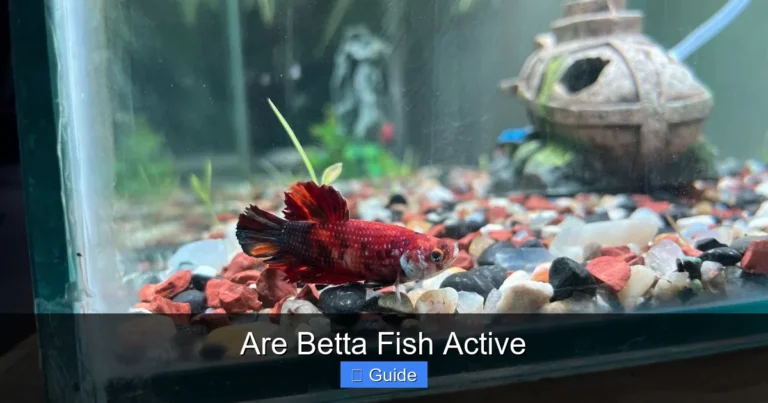
What Is the Best Tank for a Betta Fish

Choosing the best tank for a betta fish is one of the most important decisions you will make as a fish owner. A proper tank setup gives your betta room to swim, stable water conditions, and a longer, healthier life. In this guide, we break down the ideal tank size, shape, filtration, heating, and decoration choices so you can create the perfect home for your betta fish.
So you have a betta fish, or you are thinking about getting one. That is exciting! But here is the thing most new fish owners learn the hard way: a tiny bowl on a windowsill is not enough. If you want your betta to truly thrive, you need to invest in the right tank. The best tank for a betta fish gives your fish room to move, clean water to breathe, and a stable environment that mimics their natural home.
Let us be real for a second. Most pet stores sell bettas in small cups and tiny containers. That does not mean those are good homes. In fact, keeping a betta in a bowl under a gallon is one of the fastest ways to shorten its life. A proper betta fish tank setup might feel like a bigger investment at first, but trust us, your fish will be happier, healthier, and more active. And watching them glide through a well-set-up aquarium is genuinely one of the most relaxing things you can do at home.
This guide covers everything you need to know about choosing the best tank for a betta fish. We will talk about size, shape, equipment, setup, and common mistakes to avoid. By the end, you will feel confident about creating a beautiful and safe habitat for your betta. Let us dive right in.
Key Takeaways
- Minimum 5 gallons: A 5-gallon tank is the smallest recommended size for a single betta fish to thrive.
- Heater and filter are essential: Betta fish need stable warm water and gentle filtration to stay healthy.
- Avoid small bowls and vases: Tiny containers limit movement, cause stress, and shorten your betta’s lifespan.
- Shape matters less than size: A longer tank gives more swimming space than a tall, narrow one.
- Live plants and soft substrate: These mimic a natural habitat and reduce stress for your betta.
- Check water parameters regularly: Temperature, pH, and ammonia levels directly impact your betta’s well-being.
📑 Table of Contents
Why Tank Size Matters So Much for Betta Fish
Size is the single most important factor when picking a betta fish tank. Many people believe bettas can live in tiny containers because they are sold in small cups at pet stores. But bettas are active swimmers. In the wild, they live in warm, slow-moving waters across Southeast Asia. They need space to explore, rest, and patrol their territory.
The Minimum Tank Size for a Betta Fish
The absolute smallest tank you should use for a single betta is 5 gallons. A 5-gallon tank gives your fish enough room to swim freely and maintain stable water conditions. Smaller tanks, like 1 or 2 gallons, experience rapid changes in temperature and water chemistry. These fluctuations stress your betta and can lead to illness.
If you want to go bigger, a 10-gallon tank is an excellent choice. Larger tanks are actually easier to maintain because the water parameters stay more stable. More water means more dilution of waste products like ammonia and nitrite. If you are wondering about the ideal dimensions, you can read our article on what is the best tank size for a betta fish for more detailed guidance.
Why Bigger Tanks Are Easier to Manage
Here is a secret that many beginners do not know: bigger tanks are actually less work. A small tank can go from perfect to toxic in just a few hours. A larger tank gives you a bigger buffer against mistakes. You still need to do regular water changes and testing, but the process is more forgiving.
Think of it this way. If you spill a cup of coffee on a small table, the whole surface is ruined. But if you spill that same cup on a large desk, you just wipe up a small spot. The same principle applies to your betta fish tank. More water equals more stability.
The Best Tank Types and Shapes for Betta Fish
Not all tanks are created equal. The shape and style of your aquarium can affect your betta’s comfort and your ability to maintain the tank. Let us look at the most popular options.
Standard Rectangular Tanks
A standard rectangular aquarium is the gold standard for betta fish. These tanks offer the most surface area relative to their volume. Surface area matters because your betta needs to access the water’s surface to breathe air. A wider tank means more oxygen exchange and easier breathing for your fish.
Rectangular tanks also give you more usable swimming space. Your betta will appreciate the length more than the height. These tanks come in many sizes, from 5 gallons all the way up to 55 gallons and beyond. They are easy to find, affordable, and simple to set up with equipment.
Bowfront and Curved Tanks
Bowfront tanks have a curved front panel that gives them a unique, attractive look. They can be a beautiful centerpiece in a room. However, they sacrifice some usable swimming space because of the curved shape. The bottom area is narrower than a standard rectangular tank of the same gallon size.
If you love the look of a bowfront tank, just make sure you size up. A 10-gallon bowfront is a better choice than a 5-gallon one. Your betta will thank you for the extra room. You can also check out our guide on what is the best tank for betta fish for more tank style options.
What About Hexagon and Cube Tanks?
Hexagon and cube tanks are trendy and stylish. They look great on desks and shelves. But they are not ideal for betta fish. These tanks are usually tall and narrow, which limits horizontal swimming space. Bettas prefer to swim side to side, not up and down. Unless you have a larger cube tank with plenty of length, it is better to stick with a standard rectangle.
Essential Equipment for Your Betta Tank
Setting up the best tank for a betta fish is not just about the aquarium itself. You need the right equipment to keep the water clean, warm, and safe. Here is what every betta tank requires.
A Reliable Heater
Betta fish are tropical fish. They need warm water to stay healthy and active. The ideal temperature range for a betta tank is between 76 and 82 degrees Fahrenheit. Room temperature water is almost always too cold for a betta, especially in winter.
Invest in a good submersible heater with a thermostat. A heater rated for your tank size will keep the temperature steady. Sudden temperature drops can shock your betta and weaken its immune system. For more details on temperature, you can read our article about what is the best temperature for a betta fish tank.
A Gentle Filter
Every betta fish tank needs a filter, but not just any filter. Bettas are slow swimmers, and strong filter currents can exhaust them. Choose a filter that provides gentle flow, or use a sponge filter. Sponge filters are excellent because they provide mechanical and biological filtration without creating a strong current.
If you use a hang-on-back filter, you can baffle the outflow with a sponge or filter media. This reduces the flow rate and makes it comfortable for your betta. The goal is to keep the water clean without making your fish work hard to swim in place.
Other Must-Have Equipment
- Thermometer: A simple stick-on or digital thermometer lets you monitor water temperature daily.
- Water conditioner: Tap water contains chlorine and chloramine that are harmful to fish. Always treat new water before adding it to the tank.
- Test kit: An aquarium test kit helps you track ammonia, nitrite, nitrate, and pH levels.
- Tank lid: Betta fish are jumpers. A secure lid prevents escapes and keeps debris out of the tank.
- Soft substrate: Fine gravel or sand is gentle on your betta’s fins and looks natural in the tank.
Setting Up Your Betta Tank: Step by Step
Now that you know what equipment you need, let us walk through the setup process. Setting up a betta fish tank properly from the start saves you a lot of headaches later.
Step 1: Choose the Right Location
Place your tank on a sturdy, level surface away from direct sunlight and drafts. Direct sunlight can cause algae blooms and temperature swings. Drafts from windows or air vents can also drop the water temperature unexpectedly. A quiet corner of your living room or bedroom works great.
Step 2: Rinse and Add Substrate
Rinse your gravel or sand thoroughly before adding it to the tank. Use a colander and run clean water through it until the water runs clear. Spread the substrate evenly across the bottom. Aim for about 1 to 2 inches of depth. This gives your plants something to root into and creates a natural-looking floor for the aquarium.
Step 3: Install Equipment
Before adding water, install your heater, filter, and thermometer. Follow the manufacturer’s instructions for each device. Make sure the heater is fully submerged and the filter is positioned to create a gentle flow. Attach the thermometer to the inside of the tank where you can easily read it.
Step 4: Add Water and Condition It
Fill the tank slowly with room-temperature water. Pour it onto a plate or into a plastic bag to avoid disturbing the substrate. Add your water conditioner according to the product instructions. This removes harmful chemicals from the tap water and makes it safe for your betta.
Step 5: Cycle the Tank Before Adding Your Fish
This step is critical and often skipped by beginners. Cycling your tank means building up beneficial bacteria that break down toxic waste. This process takes about 4 to 6 weeks. You can speed it up with bottled beneficial bacteria supplements. Never add your betta to an uncycled tank. The ammonia and nitrite levels in a new tank can be lethal to fish.
Step 6: Add Decorations and Plants
Now comes the fun part. Add live or silk plants, caves, and gentle decorations. Live plants are wonderful because they absorb nitrates and produce oxygen. They also give your betta places to hide and explore. Avoid sharp plastic decorations that can tear your betta’s delicate fins. Silk plants and smooth rocks are much safer choices.
Common Mistakes People Make When Choosing a Betta Tank
Even well-meaning fish owners can make mistakes when setting up a betta fish tank. Here are the most common errors and how to avoid them.
Mistake 1: Buying a Tank That Is Too Small
The number one mistake is buying a tank under 5 gallons. Those tiny desktop tanks and fishbowls might look cute, but they are terrible for your betta’s health. A small tank has unstable water chemistry and limited swimming space. Your betta will become stressed, bored, and more prone to disease.
Mistake 2: Skipping the Heater
Some people think room temperature is fine for bettas. It is not. Most homes are kept at 68 to 72 degrees Fahrenheit, which is too cold for a betta. Without a heater, your fish will become sluggish, lose its color, and eventually fall ill. A heater is not optional, it is a necessity.
Mistake 3: Using a Too-Strong Filter
A powerful filter might keep the water clean, but it can also create a current that tires out your betta. Betta fish are not strong swimmers. They prefer calm or gently flowing water. Always adjust your filter output or use a baffle to reduce the flow.
Mistake 4: Overcrowding the Tank
Betta fish are territorial. They do not always get along with other fish, especially other male bettas. If you want tank mates, choose peaceful species that do not nip at betta fins. You can learn more about compatible companions in our article on what is a good tank mate for a betta fish.
Final Thoughts: Making the Right Choice for Your Betta
Choosing the best tank for a betta fish comes down to a few simple principles. Give your fish enough space, keep the water clean and warm, and create a calm, natural environment. A 5-gallon or larger rectangular tank with a gentle filter, a reliable heater, and soft decorations is the foundation of a happy betta home.
Remember that every betta fish has its own personality. Some are curious and active, while others are calm and laid back. Whatever your betta’s temperament, the right tank setup will bring out the best in them. You will notice brighter colors, more energy, and a longer lifespan when your fish lives in a proper aquarium.
Setting up a tank takes a little time and effort, but the reward is a beautiful, thriving aquatic environment that you can enjoy for years. Your betta fish deserves a home that lets it live its best life. Start with the right tank, do your research, and you will be well on your way to becoming a confident and happy betta fish owner.
Frequently Asked Questions
What is the minimum tank size for a betta fish?
The minimum recommended tank size for a single betta fish is 5 gallons. Anything smaller, like a 1 or 2 gallon bowl, leads to unstable water conditions and stress. A 5-gallon tank gives your betta enough room to swim and helps maintain safe water parameters. Going bigger, like 10 gallons, makes maintenance even easier and gives your fish a happier home.
Can a betta fish live in a bowl without a filter?
A betta can technically survive in a bowl without a filter, but it will not thrive. Bowls have very little water volume, which means toxins like ammonia build up quickly. Without filtration, you would need to change the water almost every day. This is stressful for the fish and impractical for most owners. A filtered 5-gallon tank is a much better and more humane choice.
Do betta fish need a heater in their tank?
Yes, betta fish absolutely need a heater. They are tropical fish that require water temperatures between 76 and 82 degrees Fahrenheit. Room temperature water is almost always too cold, which can lead to a weakened immune system and illness. A small submersible heater with a thermostat is a simple and essential piece of equipment for any betta tank.
What shape tank is best for a betta fish?
A standard rectangular tank is the best shape for a betta fish. It provides the most surface area for gas exchange and the most horizontal swimming space. Betta fish prefer to swim side to side rather than up and down. Tall, narrow tanks like hexagons or cubes limit swimming room and are not ideal unless they are large enough to compensate for the shape.
How often should I clean my betta fish tank?
You should perform a 25 to 30 percent water change every week for a betta tank. This removes waste buildup and keeps nitrate levels low. You should also vacuum the substrate gently during each water change to remove debris. Full tank cleanings are not necessary and can actually disrupt the beneficial bacteria that keep your tank cycled.
Can I keep other fish with my betta in the same tank?
It depends on the tank size and the species. In a 5-gallon tank, a betta is usually best kept alone. In larger tanks of 10 gallons or more, you can add peaceful tank mates like small tetras, corydoras, or snails. Always research any potential companion carefully, as some fish may nip at betta fins or cause stress. Check out our guide on what is a good tank mate for a betta fish for safe companion ideas.