What Colors Can Betta Fish See
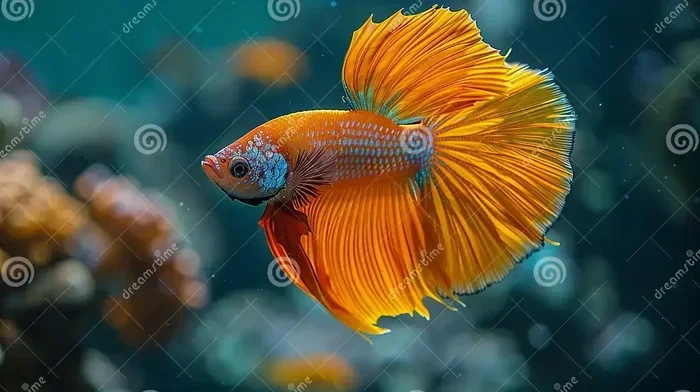
So, what colors can betta fish see? Bettas can perceive a range of colors including red, blue, green, and ultraviolet light, giving them a richer visual world than most people realize. Their tetrachromatic vision means they see more colors than humans do in some ways. Understanding this helps you create a better, happier home for your betta.
Have you ever wondered what your betta fish actually sees when it swims around its tank? The truth is, what colors can betta fish see is a fascinating topic that opens up a whole new way to think about your aquarium. Bettas aren’t just pretty fish with flowing fins — they have a surprisingly advanced visual system that picks up on colors we can barely imagine.
Knowing what your betta can and cannot see helps you make better choices about tank setup, lighting, and even tank mates. Whether you are a new betta owner or a seasoned hobbyist, understanding your fish’s color vision deepens the bond between you and your pet. Let us dive into the colorful world of betta fish vision.
Key Takeaways
- Betta fish see more colors than you think: They can detect red, blue, green, and ultraviolet light thanks to specialized cone cells in their eyes.
- UV vision gives bettas a superpower: Ultraviolet light reveals patterns and details invisible to the human eye.
- Color affects betta behavior: Bright colors can trigger feeding responses, while certain hues may cause stress or aggression.
- Tank lighting matters: The right aquarium lighting enhances your betta’s color perception and overall well-being.
- Avoid flashing or harsh lights: Sudden changes in light and color can stress your betta and harm their eyes.
- Use color to enrich your betta’s environment: Colored decorations and natural plants stimulate their visual senses positively.
📑 Table of Contents
- How Betta Fish See Color
- What Colors Can Betta Fish See in the Aquarium
- Can Betta Fish See Red Light Specifically?
- Do Betta Fish See Colors Differently Than Humans?
- How Color Affects Betta Behavior
- Best Lighting and Colors for Your Betta Tank
- Common Mistakes About Betta Fish Color Vision
- Expert Insights on Betta Color Vision
- Key Takeaways
- Conclusion
How Betta Fish See Color
The eyes of a betta fish work differently from human eyes, but in some surprisingly cool ways. Bettas have something called tetrachromatic vision, which means they have four types of color-detecting cells called cones. Humans only have three, so bettas can actually see a wider range of colors in some cases.
Each cone type in a betta’s eye picks up a different range of light wavelengths. These cones work together to create a full picture of the world around them. The result is a visual experience that is richer and more layered than most people expect.
The Role of Cone Cells
Cone cells are the part of the eye responsible for color vision. In bettas, these cells are sensitive to:
- Red wavelengths — Bettas can easily see reds and oranges, which is why red-colored foods and decorations grab their attention.
- Blue wavelengths — Blue light is a major part of the betta visual range, especially in aquarium settings with blue-tinted lighting.
- Green wavelengths — Greens are visible and help bettas detect plants and natural surroundings.
- Ultraviolet (UV) wavelengths — This is where things get really interesting. Bettas can see UV light, which is completely invisible to us.
Having four types of cones gives bettas an edge in detecting subtle color differences. This ability helps them spot food, recognize other fish, and even pick up on visual cues from their owners. If you have ever noticed your betta reacting to a brightly colored hand near the tank, this is why. They genuinely see the color and respond to it.
What Colors Can Betta Fish See in the Aquarium
Inside an aquarium, the colors your betta perceives depend heavily on the lighting setup. Standard aquarium lights cover a broad spectrum, but not all lights are created equal. The type of light you use directly affects how your betta experiences its environment.
For example, LED lights with a full spectrum output give bettas the best color experience. These lights mimic natural sunlight and include the wavelengths bettas need to see the full range of colors. On the other hand, cheap single-color lights can limit their visual world significantly.
Colors Bettas See Best
Betta fish have peak sensitivity in certain color ranges. Here is a breakdown of the colors they see most vividly:
- Red and orange — These warm tones stand out strongly to bettas. Many betta foods are colored red or orange for this reason.
- Blue and violet — Blue light is a big part of the underwater visual experience. Bettas see blue very clearly, which is why blue aquarium lights are so popular.
- Green — Green is well within the betta visual range and helps them navigate planted tanks.
- Ultraviolet — UV light reveals patterns on fish, plants, and even tank decorations that humans cannot see. This gives bettas a hidden layer of visual information.
It is worth noting that what colors can betta fish see also depends on water clarity. Murky or tinted water can filter out certain wavelengths, reducing the color range your betta perceives. Clean, clear water lets the full spectrum shine through.
Can Betta Fish See Red Light Specifically?
Red light is a hot topic among betta keepers, and for good reason. Bettas can indeed see red light, and it plays a significant role in their daily experience. Red wavelengths penetrate water relatively well, making red objects visible even at lower light levels.
Many betta owners use red or warm-toned lights to create a calming atmosphere in the tank. Bettas often seem more relaxed under soft red or orange lighting. This makes sense because in their natural habitat, warm tones filter through shallow tropical waters.
However, there is a balance to strike. Too much red light can make the tank look murky and may cause algae blooms. A mix of red, blue, and full-spectrum light gives your betta the best of all worlds. You can learn more about how bettas respond to red light in our article Can Betta Fish See Red Light.
Do Betta Fish See Colors Differently Than Humans?
Yes, bettas and humans see the world in fundamentally different ways. While humans are trichromatic with three cone types, bettas are tetrachromatic with four. This means bettas can perceive ultraviolet light, which is entirely outside the human visual range.
Think of it this way: imagine seeing an extra color that has no name. That is essentially what a betta experiences every day. Their world is layered with colors and patterns that we simply cannot imagine.
On the flip side, humans have better motion detection and depth perception in bright light. Bettas are adapted for the slightly dimmer, more filtered light conditions of shallow tropical waters. So while bettas win in the color department, humans have other visual advantages.
Some people wonder if bettas are color blind in any way. The short answer is no. Bettas are not color blind. They have a functional and diverse color vision system. However, their color perception is tuned to their natural environment, not to human preferences. This is why understanding what colors can betta fish see matters so much for proper tank design.
Comparing Human and Betta Vision
| Feature | Human Vision | Betta Fish Vision |
|---|---|---|
| Cone Types | 3 (trichromatic) | 4 (tetrachromatic) |
| UV Vision | No | Yes |
| Best Color Range | Visible spectrum | Visible + UV spectrum |
| Low Light Vision | Poor | Moderate (rod cells help) |
| Motion Detection | Good in bright light | Excellent in dim light |
This comparison shows that bettas are uniquely equipped for their environment. Their vision is a survival tool as much as it is a sensory experience. When you set up your tank with color in mind, you are working with your betta’s natural strengths.
How Color Affects Betta Behavior
Color is not just about seeing — it directly influences how bettas behave. The colors in and around the tank can trigger feeding responses, calm or agitate your fish, and even affect their coloration over time.
For instance, bright red and orange objects often make bettas more active and alert. They associate these warm colors with food. Many betta owners use colorful feeding tools or drop red-colored pellets near the surface to get their fish excited about mealtime.
On the other hand, harsh flashing lights or sudden color changes can stress bettas. These fish prefer calm, steady environments. Rapid shifts in lighting color can startle them and cause hiding or erratic swimming behavior.
Using Color to Reduce Stress
If your betta seems anxious, try adjusting the tank colors. Soft blue or green lighting can create a soothing atmosphere. Live plants in natural green tones also help bettas feel secure by mimicking their natural habitat.
Avoid placing the tank near windows with direct sunlight. The shifting light patterns and unpredictable color changes can overwhelm your betta. Instead, use controlled aquarium lighting that you can adjust throughout the day.
You might also be interested in how bettas respond to their own reflection. Some bettas see their reflection and become aggressive. Check out our article Can Betta Fish See Their Reflection to learn more about this behavior.
Best Lighting and Colors for Your Betta Tank
Setting up the right lighting is one of the best things you can do for your betta’s visual health and overall happiness. The goal is to replicate the natural light conditions bettas are adapted to in the wild.
Here are some practical tips for choosing the best lighting and colors for your betta tank:
- Choose full-spectrum LED lights. These provide a balanced mix of red, blue, green, and other wavelengths that support full color perception.
- Use a timer. Set your lights to turn on and off at consistent times. Bettas thrive on routine, and steady lighting reduces stress.
- Avoid white lights that are too bright. Harsh white light can wash out colors and make the tank feel unnatural. Soft, warm tones are better.
- Add blue light for nighttime viewing. Blue LED lights let you enjoy your betta in the evening without disturbing their sleep cycle.
- Include UV-capable lights carefully. Some aquarium lights emit small amounts of UV, which can enhance your betta’s color experience. Just make sure the UV levels are safe for both fish and humans.
Tank decorations also play a role. Colored gravel, vibrant plants, and colorful ornaments all contribute to a visually stimulating environment. Just make sure any decorations are smooth and free of sharp edges that could injure your betta’s delicate fins.
If you want to understand more about how bettas perceive their surroundings, read our guide on Can Betta Fish See Outside The Tank to learn about their field of vision.
Common Mistakes About Betta Fish Color Vision
There are several misconceptions about betta vision that can lead to poor tank management. Let us clear up the most common ones.
Myth 1: Bettas only see black and white. This is completely false. Bettas see a wide range of colors, including UV light. They have rich color vision that rivals or exceeds our own in some respects.
Myth 2: Bright colored lights are always good. While bettas can see bright colors, too much intensity causes stress. Always aim for moderate, consistent lighting rather than dramatic color displays.
Myth 3: Bettas cannot see well in dim light. Bettas actually do quite well in moderate dim light. Their eyes are adapted to the slightly shaded conditions of shallow tropical waters. You do not need blazing bright lights to keep your betta happy.
Myth 4: Tank color does not matter. The color of the tank walls and background affects how your betta perceives its space. Dark backgrounds can make betta colors pop, while light backgrounds may make them feel exposed. Choose what suits your fish’s temperament.
Avoiding these myths helps you create a better environment based on facts, not guesswork. Understanding the real science of what colors can betta fish see puts you ahead as a knowledgeable and caring fish owner.
Expert Insights on Betta Color Vision
According to ichthyologists and fish behavior experts, betta color vision is closely tied to their evolutionary history. Wild bettas live in shallow, warm waters with plenty of natural light filtering through vegetation. Their eyes evolved to detect colors that help them find food, avoid predators, and communicate with potential mates.
Dr. Thomas Caruso, a marine biologist specializing in fish vision, notes that “the tetrachromatic system in bettas gives them a significant advantage in detecting subtle environmental changes, including color shifts that signal danger or opportunity.” This insight reinforces why color-rich environments benefit bettas both physically and psychologically.
Another expert tip from seasoned betta breeders is to rotate the colors of feeding tools and tank decorations occasionally. This keeps the visual environment fresh and stimulates your betta mentally. A mentally stimulated betta is a healthier, more active betta.
Key Takeaways
- Betta fish see more colors than you think: They can detect red, blue, green, and ultraviolet light thanks to specialized cone cells in their eyes.
- UV vision gives bettas a superpower: Ultraviolet light reveals patterns and details invisible to the human eye.
- Color affects betta behavior: Bright colors can trigger feeding responses, while certain hues may cause stress or aggression.
- Tank lighting matters: The right aquarium lighting enhances your betta’s color perception and overall well-being.
- Avoid flashing or harsh lights: Sudden changes in light and color can stress your betta and harm their eyes.
- Use color to enrich your betta’s environment: Colored decorations and natural plants stimulate their visual senses positively.
Conclusion
Understanding what colors can betta fish see changes the way you look at your aquarium. Bettas live in a vibrant, colorful world that is richer than most people realize. From ultraviolet light to deep reds and blues, their vision is a remarkable tool that shapes every aspect of their daily life.
By choosing the right lighting, adding colorful but safe decorations, and avoiding common myths, you can create a tank environment that truly supports your betta’s visual needs. Your fish will be more active, more engaged, and more colorful as a result.
Take what you have learned here and start making small changes today. Your betta will thank you with brighter colors, better appetite, and a happier, healthier life. After all, a well-lit, color-rich tank is not just beautiful for us — it is essential for the fish living inside it.
Frequently Asked Questions
Can betta fish see all the colors humans can see?
Bettas can see most colors humans see, but they also have an extra advantage: they can perceive ultraviolet light, which is invisible to us. Their tetrachromatic vision gives them a broader color range in some ways compared to human trichromatic vision.
Do betta fish prefer certain colors in their tank?
Bettas generally respond well to warm colors like red and orange, which can stimulate feeding. Cooler tones like blue and green tend to have a calming effect. Avoid harsh or flashing colors, as these can cause stress and anxiety.
Can betta fish see in the dark?
Bettas have limited vision in complete darkness. They rely on rod cells for low-light detection, but they cannot see colors well in the dark. For more details, check out our article on Can My Betta Fish See In The Dark.
Does tank lighting color affect betta health?
Yes, tank lighting color directly affects betta health. Full-spectrum lights that include red, blue, green, and UV wavelengths support better color perception and overall well-being. Avoid single-color lights or overly bright setups that can cause eye strain and stress.
Can betta fish see their food in the dark?
Bettas have some ability to detect food in low-light conditions thanks to their rod cells, but they see colors best in moderate, well-lit environments. If you want to know more, read our guide on Can Betta Fish See Their Food In The Dark.
Are betta fish color blind?
No, betta fish are not color blind. They have a fully functional color vision system with four types of cone cells, allowing them to see a wide range of colors including ultraviolet light that humans cannot perceive.