How Many Times Do I Feed a Betta Fish
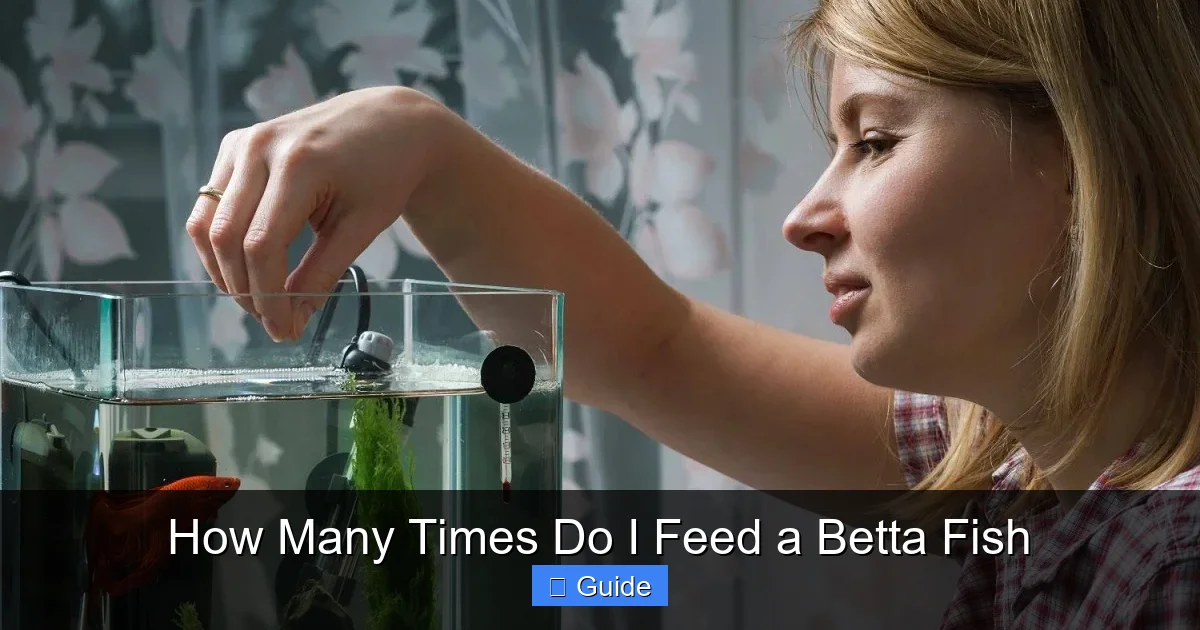
Feeding a betta fish correctly is simple but critical for its health. The universal rule is to feed adult bettas once or twice daily, offering only what they can consume in 2-3 minutes, typically 2-3 pellets per meal. Overfeeding is the #1 cause of betta health problems, leading to constipation, swim bladder issues, and toxic water conditions. Always use high-quality betta-specific food, fast your betta one day a week, and observe your fish to adjust portions. Proper feeding is the foundation of a long, vibrant life for your aquatic companion.
Key Takeaways
- Feed adult bettas once or twice a day: Stick to a consistent schedule of 1-2 small meals daily, never more. This mimics their natural foraging habits and prevents digestive issues.
- Portion control is everything: A single meal should be 2-3 high-quality betta pellets (or an equivalent amount of frozen/brine shrimp), roughly the size of their eyeball. When in doubt, underfeed.
- Implement a weekly fast: Skipping one meal per week (a 24-hour fast) is highly beneficial. It clears their digestive system, prevents constipation, and gives their organs a rest.
- Food quality and variety matter: Use pellets or flakes formulated specifically for bettas as a staple, and supplement with occasional high-protein treats like frozen bloodworms or daphnia for nutritional balance.
- Remove all uneaten food immediately: Any food not eaten within 2-3 minutes must be siphoned out. Rotting food rapidly fouls water, increasing ammonia and risking disease.
- Observe and adjust: Your betta’s body condition is the best guide. A healthy betta has a smooth, rounded profile without a bulging belly or sunken abdomen. Adjust portions based on activity and age.
- Life stage changes the rule: Growing fry (babies) need 3-4 tiny meals daily, while older or less active seniors may only need one small meal or every-other-day feeding.
📑 Table of Contents
- Understanding Your Betta’s Unique Physiology
- The Golden Rule: Frequency and Portion Size Decoded
- Types of Food: Building a Nutritional Blueprint
- The Overfeeding Epidemic: Causes, Symptoms, and Solutions
- Special Considerations: Life Stages and Health Conditions
- Establishing a Foolproof Feeding Routine
- Conclusion: The Path to a Thriving Betta
Understanding Your Betta’s Unique Physiology
Before we dive into the “how many times,” we must understand the “why.” The Siamese fighting fish, or betta splendens, has a digestive system built for a very different lifestyle than the all-you-can-eat buffet we might accidentally provide. In the shallow, warm rice paddies and slow-moving streams of Southeast Asia, bettas are natural surface feeders and opportunistic insectivores. Their primary diet consists of insects, insect larvae (like bloodworms), and small crustaceans that fall onto the water’s surface. They are not grazers that constantly forage on algae or plant matter.
This evolutionary history has given bettas a short, simple intestinal tract—a stark contrast to the long, complex guts of herbivorous fish. A short gut means food moves through quickly, but it also means they are poorly equipped to process large volumes of food or carbohydrates (common fillers in cheap fish foods). Their stomach is roughly the size of their eyeball, a crucial fact for portion control. Overloading this small stomach leads to immediate problems: constipation, which can escalate into a dangerous swim bladder disorder where the fish loses buoyancy control and floats upside down or sinks to the bottom. Furthermore, bettas have a slow metabolism. They don’t burn calories like a hyperactive danio; they are energy-conservers, thriving on sparse, protein-rich meals.
The Carnivore’s Digestive Reality
Think of your betta not as a pet dog, but as a tiny, aquatic hawk. Hawks eat a substantial meal and then may go hours or even a day without food. Your betta’s system is similar. A large meal sits in its short gut, fermenting and producing gas. This gas presses against the swim bladder, an organ that helps the fish maintain its position in the water. Pressure from a constipated gut literally pushes the swim bladder out of alignment, causing the classic symptoms of swim bladder disease: difficulty swimming, floating to the top and being unable to dive, or sinking and being unable to rise. This condition is almost always preventable with proper feeding.
Another critical aspect of betta physiology is their labyrinth organ. This specialized structure allows them to breathe atmospheric air from the surface. It’s an adaptation to oxygen-poor water. While fascinating, it doesn’t change their dietary needs, but it does mean they are frequent surface visitors—the perfect place to offer food.
The Golden Rule: Frequency and Portion Size Decoded
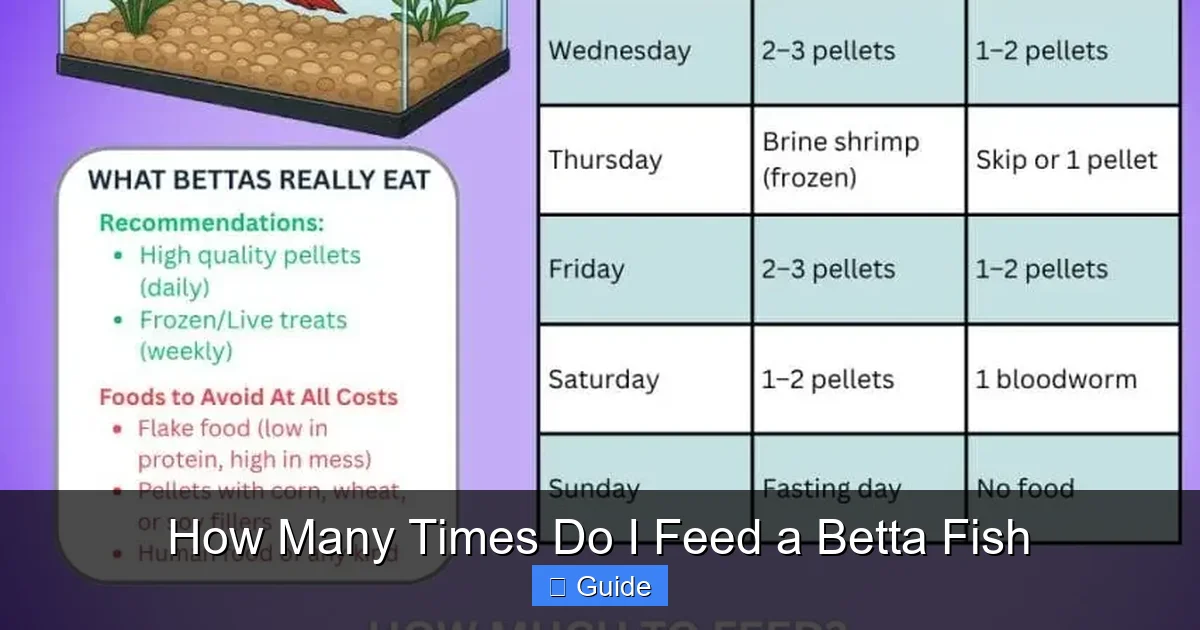
So, how many times do you feed a betta fish? The definitive, science-backed answer for a healthy adult betta (over 6 months old) is once or twice per day. This is non-negotiable for long-term health. Let’s break down what this means in practice.
Visual guide about How Many Times Do I Feed a Betta Fish
Image source: ekk4j69ebaa.exactdn.com
The “once or twice” depends entirely on your specific betta and your routine. Many keepers find that a single, slightly larger meal (within the portion guidelines below) in the morning or evening is perfectly sufficient and simpler to remember. Others prefer two very small meals, spaced about 12 hours apart, to mimic natural sporadic feeding. The key is consistency. Bettas thrive on routine. Feeding at the same times each day reduces stress and helps regulate their metabolism.
The “Eyeball Rule” for Perfect Portions
This is the single most important visual tool for any betta owner. The total volume of food for one meal should not exceed the size of your betta’s eyeball. For most adult bettas, this translates to 2-3 high-quality betta pellets. If using frozen or live foods like daphnia or bloodworms, thaw a tiny pinch—about the amount that would fit on a toothpick tip—and rinse it thoroughly. For flakes, crumble a tiny pinch between your fingers and sprinkle it on the surface.
Why such a small amount? Remember the short gut. This tiny portion is packed with the protein and nutrients they need. Their stomach is designed to hold this volume comfortably. Overfilling it is like trying to stuff a softball into a golf hole—it causes pressure and dysfunction. Always err on the side of underfeeding. A slightly hungry betta is a healthy, active hunter. An overfed betta is a lethargic, constipated one at risk of serious illness.
Timing: The 2-3 Minute Rule
Once you add the food, set a timer for 2-3 minutes. This is the window your betta has to find and consume its meal. Bettas can be picky or slow eaters, especially if new to their environment. After 2-3 minutes, any food still floating or sitting on the bottom is uneaten. You must remove this uneaten food immediately. Use a small net or a turkey baster to siphon it out. Leftover food will quickly break down, clouding the water and releasing toxic ammonia and nitrites. This is a leading cause of poor water quality, which stresses the fish and compromises its immune system, making it susceptible to diseases like fin rot. Your feeding routine is directly tied to your water maintenance routine.
Types of Food: Building a Nutritional Blueprint
Not all betta food is created equal. The “how many times” is only half the equation; the “what” is equally vital. A poor-quality food, even in correct portions, can lead to nutritional deficiencies.
Visual guide about How Many Times Do I Feed a Betta Fish
Image source: i.ytimg.com
Staple Diets: Pellets and Flakes
Your betta’s daily diet should consist of a high-quality staple food formulated specifically for bettas. These foods are designed to be protein-rich (aim for 40%+ protein on the label) and low in fillers like wheat, soy, and corn. Bettas are obligate carnivores; they have no biological need for plant matter or carbohydrates, which are added as cheap bulk in generic tropical fish flakes.
Betta-specific pellets are the gold standard. They are usually small, sinking or floating, and packed with essential nutrients, vitamins, and sometimes color-enhancing compounds like astaxanthin. Look for brands that list whole fish or shrimp meal as the first ingredient. Avoid pellets that list “fish meal” ambiguously or have a long list of grains. Feed only the amount that fits the eyeball rule.
Betta-specific flakes can be an acceptable alternative if they are from a reputable brand designed for bettas. However, flakes are harder to portion accurately and can be messy, with small particles scattering and polluting the water. Pellets are generally preferred for their cleanliness and ease of portion control.
The Power of Variety: Frozen and Live Foods
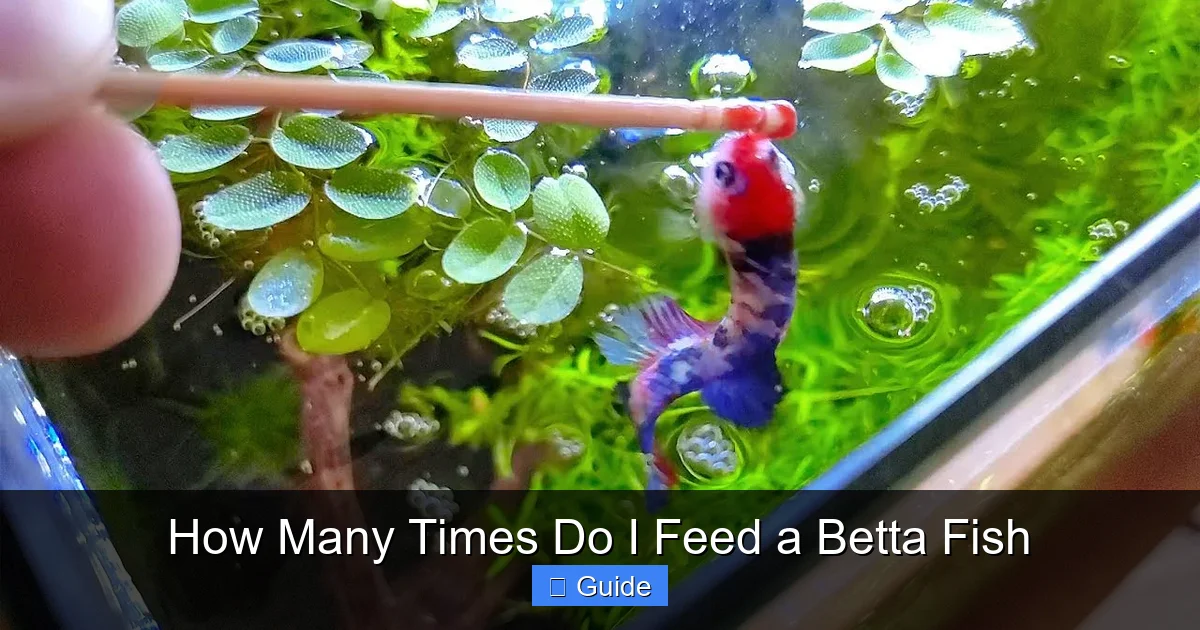
While pellets should be the daily staple, supplementing with frozen or live foods 2-3 times a week is like giving your betta a multivitamin. These foods are closer to what they would eat in the wild and provide essential moisture, protein, and nutrients that can be lost in pellet processing.
- Frozen Bloodworms: A classic favorite. They are the larvae of midges and are rich in protein. Always thaw a small piece in a dish of tank water (never use tap water directly, as it can shock the food), rinse it, and offer a tiny pinch.
- Frozen Brine Shrimp: Slightly less rich than bloodworms, but excellent for stimulating appetite and providing variety. The tiny, moving shrimp are irresistible to bettas.
- Frozen Daphnia: Often called “water fleas,” these are fantastic for aiding digestion. They have a hard exoskeleton that acts as a natural laxative, helping to prevent constipation—a common betta ailment. This makes them an ideal food to offer after a period of constipation or as a regular weekly supplement.
- Live Foods: Microworms, vinegar eels, or newly hatched brine shrimp are excellent for picky eaters or betta fry. However, live foods carry a risk of introducing parasites or bacteria to your tank, so they should be sourced from a reputable supplier or cultured at home with extreme cleanliness.
Never feed your betta generic “tropical fish food” flakes or pellets, feeder goldfish, or large, hard-shelled foods. Their tiny mouths and delicate digestive systems cannot handle these.
The Overfeeding Epidemic: Causes, Symptoms, and Solutions
If you asked a room of new betta owners “how many times do I feed a betta fish?” the most common answer would be “too many.” Overfeeding is the single most frequent mistake made by well-meaning fish keepers. It is a silent killer that manifests in several ways.
Visual guide about How Many Times Do I Feed a Betta Fish
Image source: aquaticspoolspa.com
Why We Overfeed: The Psychology of the “Food Dance”
Bettas are intelligent and learn quickly. When you approach the tank, they will often flare their gills, spread their fins, and swim eagerly to the front. This is not always a sign of hunger; it is a sign of recognition and excitement. They associate you with food. This “food dance” is so endearing that owners often misinterpret it as starvation and feed more. In reality, a betta that is consistently overfed will become lethargic, bloated, and may even lose its vibrant colors. The energetic greeting is simply a learned behavior, not a hunger cue. Trust the schedule, not the show.
Symptom 1: Constipation and Swim Bladder Disorder
The most direct result of overfeeding is a clogged digestive tract. You’ll see a visibly swollen, pinecone-like abdomen. The fish may struggle to swim normally, float to the top and stay there, sink and not move, or swim erratically. This is not a disease in itself but a mechanical problem caused by pressure on the swim bladder.
The Solution: Immediately stop feeding for 3-5 days. This is a fast. During this time, the digestive system will clear itself. For severe cases, you can offer a small, peeled green pea (cooked, deshelled, and mashed) which acts as a laxative. After the fast, resume feeding with drastically reduced portions and increase the frequency of daphnia in the diet. Prevention is always better: follow the eyeball rule and implement a weekly fast.
Symptom 2: Rapid Water Deterioration and Toxic Fumes
Uneaten food decays within hours. This decomposing matter produces ammonia, the most toxic compound in a home aquarium. Even in a cycled tank with a filter, a large amount of decaying food can cause a dangerous spike. You’ll notice cloudy water and a foul, musty smell. Your betta will become lethargic, gasp at the surface (due to poor water quality, not hunger), and its fins may clamp. This is an emergency water quality issue, not a feeding issue.
The Solution: Perform an immediate 25-50% water change, using a gravel vacuum to remove all debris from the substrate. Clean the filter media if it is clogged with food particles (rinse in old tank water, not tap). Then, rigorously evaluate your feeding portions. You are almost certainly feeding too much. From now on, remove all uneaten food within 2 minutes.
Symptom 3: Fatty Liver Disease and Reduced Lifespan
Chronic overfeeding, especially with fatty foods like excessive bloodworms, leads to hepatic lipidosis—a fatty liver. This is a silent, progressive condition that impairs organ function and shortens the betta’s already modest lifespan (typically 2-5 years). A betta fed properly will be active, colorful, and display its full finnage. An overfed betta becomes dull, listless, and prone to secondary infections.
Special Considerations: Life Stages and Health Conditions
The “once or twice daily” rule is for the average, healthy adult betta. You must adjust based on your specific fish’s life stage and health.
Betta Fry (Babies)
Baby bettas have voracious appetites and extremely high metabolisms because they are growing rapidly. They need to be fed 3-4 times per day, but with tiny portions. Start with infusoria or microworms for the first few days after they become free-swimming, then transition to newly hatched brine shrimp (their absolute favorite). As they grow (over 1-2 months), you can reduce to 2-3 meals daily and begin introducing finely crushed high-quality betta pellets. Their stomachs are minuscule; a meal might only be a few individual baby brine shrimp. Frequent, tiny feedings are key.
Elderly or Less Active Bettas
As bettas age (3+ years), their metabolism slows further. They may become less active and spend more time resting on plants or the tank bottom. For these seniors, feeding once daily or even every other day may be more appropriate. Watch their body condition closely. If they start to look thin or their spine becomes prominent, slightly increase the food. If they remain rounded and active on a reduced schedule, stick with it. The goal is to provide necessary nutrition without burdening a slower digestive system.
Bettas with Digestive Issues
If your betta has a history of constipation or swim bladder problems, a prophylactic approach is best. Feed a high-quality pellet diet with daphnia as a regular supplement 2-3 times a week. Consider implementing a weekly 24-hour fast religiously, regardless of whether they seem fine. This routine “reset” prevents issues from ever starting. If a problem arises, the 3-5 day fast is your first and most effective treatment.
Post-Surgery or Illness Recovery
A betta recovering from an illness or injury (like fin rot treatment) may have a suppressed appetite. Offer small, easily digestible foods like daphnia or a crushed pea. Do not force-feed. A short, natural fast can actually aid recovery by reducing metabolic demands. Resume normal feeding only when you see a return of active foraging behavior.
Establishing a Foolproof Feeding Routine
Knowledge is useless without a system. Creating a simple, repeatable routine eliminates guesswork and ensures your betta gets exactly what it needs.
Step 1: Choose Your Staple and Schedule
Select one high-quality betta pellet brand and stick to it as your daily base. Decide on your schedule: will it be one meal at 8 AM, or two meals at 8 AM and 8 PM? Write it down. Consistency is calming for the fish and for you.
Step 2: Prepare Your Tools
Have your food portion ready before you even touch the tank lid. Use a dedicated spoon or your fingertip to measure 2-3 pellets. Have your gravel vacuum or small net ready beside the tank. This prevents you from “just adding a little more” when your betta begs.
Step 3: The Feeding Process
1. Add the pre-measured food directly in front of your betta. Drop it gently onto the surface.
2. Set a timer for 2 minutes. Watch your betta. Does it eat eagerly? Is it missing the food?
3. At 2 minutes, use your net or vacuum to remove every single scrap of uneaten food. Check behind plants, under decor, in the corners.
4. Wipe any condensation or food splatter from the tank glass with a clean cloth or paper towel (dedicated to the tank). This keeps the tank looking pristine and prevents algae growth from food residue.
5. Log it if you’re serious. A simple checkmark on a calendar for “fed” helps avoid accidental double-feeding if multiple people care for the tank.
Step 4: The Weekly Fast
Pick a day, like Sunday, and make it your “fast day.” Simply do not feed your betta at all. For 24 hours, provide only clean water. Your betta will not starve. In the wild, they regularly go a day or more without a substantial meal. This fast is a gift to their digestive system. Use this day to perform a slightly more thorough water change and tank cleaning, tying maintenance to the feeding cycle.
Step 5: Observe and Document
Spend 60 seconds a day just watching your betta outside of feeding time. Is it active? Are its fins fully open and flowing? Does it have a smooth, torpedo-shaped body without a pot belly? Is it curious and exploring? This is your true health report. If you see a change—lethargy, clamped fins, a swollen abdomen—your first question should be about recent feeding habits. Adjust immediately.
Conclusion: The Path to a Thriving Betta
Feeding your betta fish is not a complex science, but it is a practice requiring discipline and observation. The answer to “how many times do I feed a betta fish?” is beautifully simple: once or twice daily, with a portion no larger than its eyeball. This single rule, combined with high-quality food, immediate removal of leftovers, and a weekly fast, will prevent the vast majority of common betta ailments. You are not just putting food in a tank; you are managing the primary input that affects your fish’s buoyancy, water quality, organ health, and longevity. A properly fed betta is a spectacle of color and movement, a living jewel that will grace your home for years. An overfed betta is a ticking time bomb of health problems. By respecting the carnivore’s short gut and slow metabolism, you honor the wild nature of this incredible little fish and become the keeper of its vibrant, healthy life. Remember: in the world of betta care, less is almost always more.
Frequently Asked Questions
Can I fast my betta for more than one day a week?
Yes, healthy adult bettas can safely fast for 2-3 days, especially if they appear constipated or after a period of overfeeding. However, making fasting a regular practice beyond one day a week is generally unnecessary and may stress some fish. Stick to a consistent 24-hour weekly fast for routine maintenance.
Should I use betta pellets or is frozen food better?
Both have a place. High-quality betta-specific pellets should be your daily staple because they are nutritionally complete, convenient, and create less waste. Frozen foods like daphnia or brine shrimp are excellent supplements 2-3 times a week for variety, moisture, and digestive health. The best diet is a combination: pellets daily, with frozen treats for enrichment.
My betta spits out its pellets. What should I do?
This is common and usually means the pellets are too large or hard for your betta’s mouth. Try a different brand of pellets that are smaller or “micro” sized. You can also gently crush the pellets between your fingers into a finer powder before sprinkling them. Alternatively, switch to a high-quality betta flake that is easier to consume.
What do I do if I’m going on vacation?
Never use “vacation feeder blocks” or rely on someone to overfeed your tank. The safest option is a partial water change before you leave and a full water change and thorough cleaning upon your return. A healthy adult betta can easily go 5-7 days without food. If the trip is longer, have a trusted friend come to perform a water change and feed one single, tiny meal (2 pellets max) on days 3 and 5, following your strict portion rule.
How often should I do water changes if I feed properly?
Even with perfect feeding, waste accumulates. For a filtered 5-gallon tank, perform a 25% water change weekly. For an unfiltered bowl or small tank (<3 gallons), a 50% water change every other day is crucial to combat the effects of fish waste and any microscopic food particles. Always use a water conditioner to neutralize tap water chemicals.
My betta’s belly is swollen. Is it overfed or pregnant?
This is a critical distinction. A gravid (pregnant) female betta will have a distinct, smooth, oval-shaped swelling that starts near her vent and extends downward. Her stripes may become vertical. An overfed or constipated betta will have a more rounded, often pinecone-like swelling that is firmer to the touch and can occur anywhere on the body. If you suspect constipation, fast for 3-5 days. If the swelling persists, is accompanied by lethargy, or you have a male betta (males do not get pregnant), it is likely a severe swim bladder issue or internal infection requiring research into treatments like antibacterial dips or a vet consult.