Are Betta Fish Saltwater or Freshwater
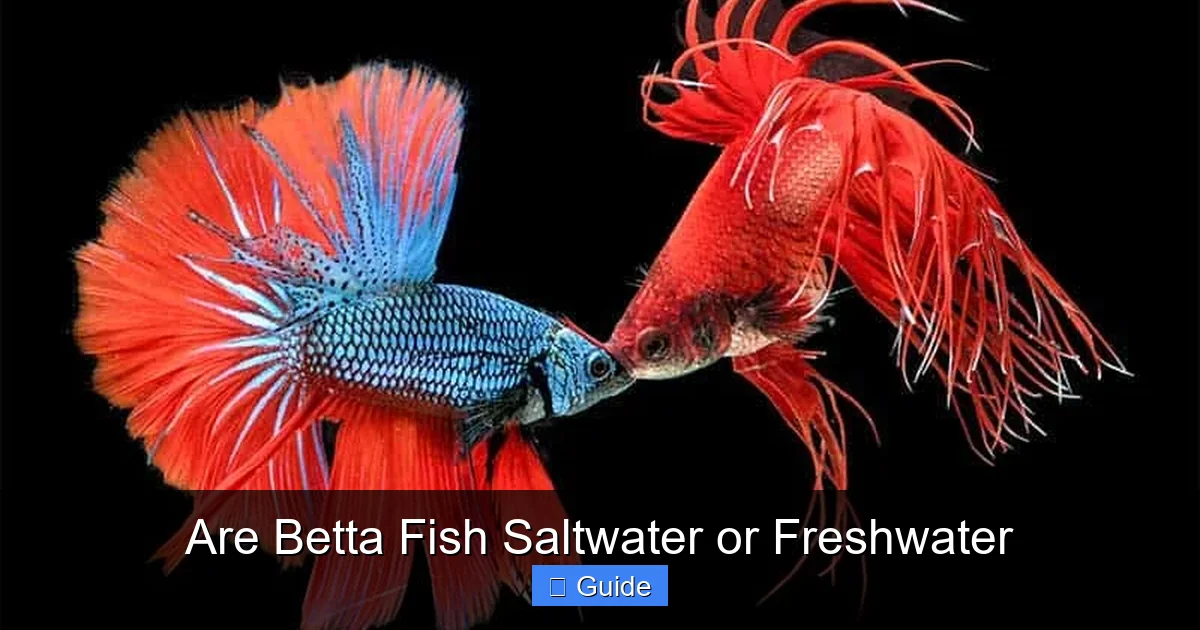
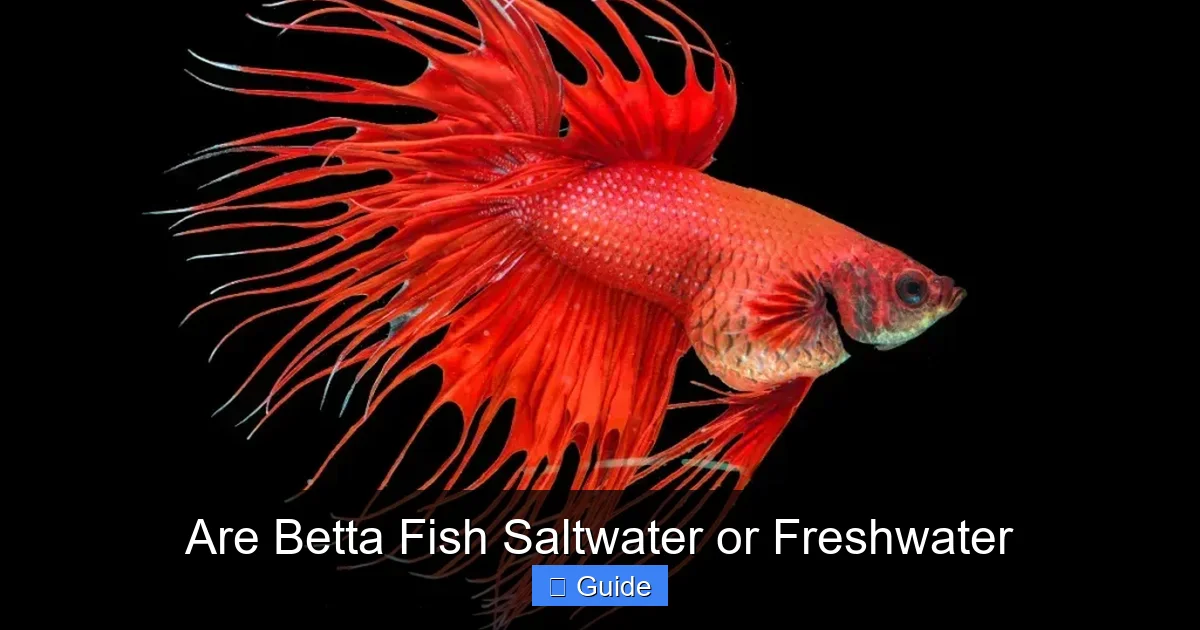
Betta fish are strictly freshwater fish. Native to the shallow rice paddies and streams of Southeast Asia, they have evolved to thrive in warm, still, soft freshwater environments. Their famous labyrinth organ allows them to breathe atmospheric air, but this adaptation is for surviving in oxygen-poor freshwater, not for living in saltwater. Keeping a betta in saltwater will cause severe stress, organ damage, and death. Proper freshwater aquarium setup with correct parameters is non-negotiable for their health and longevity.
Key Takeaways
- Betta fish are 100% freshwater fish: They originate from the freshwater ecosystems of Thailand, Cambodia, and Vietnam. Saltwater is toxic to them.
- Their labyrinth organ is for low-oxygen freshwater: This specialized organ allows them to gulp air from the surface, an adaptation for stagnant ponds, not for osmoregulation in saltwater.
- They require a heated, filtered freshwater aquarium: A minimum of 5 gallons with a gentle filter and a stable temperature of 76-82°F (24-28°C) is essential for their well-being.
- Water parameters are specific: They prefer slightly acidic to neutral (pH 6.5-7.5), soft to moderately hard water. Ammonia and nitrites must always be at zero.
- “Aquarium salt” is not for bettas: Unlike some freshwater fish, bettas do not benefit from regular salt dosing. It can damage their delicate labyrinth organ and skin.
- Myth: Bettas come from brackish water: This is false. While some wild populations might tolerate very slight salinity at river mouths, they are not brackish fish and cannot survive in a marine setup.
- Proper freshwater care is simple but critical: Using a water conditioner to remove chlorine, performing regular partial water changes, and avoiding salt are the cornerstones of betta health.
[FEATURED_IMAGE_PLACEHOLDER]
📑 Table of Contents
The Clear Answer: Bettas Are Freshwater Fish
Let’s cut straight to the heart of the matter with absolute clarity: Betta fish are freshwater fish. They are not saltwater fish, they are not brackish fish, and they cannot survive in a marine aquarium environment. This is the single most important fact to understand before even considering bringing a betta, often called a Siamese fighting fish, into your home. The confusion sometimes arises from their exotic, jewel-like appearance and the common misconception that beautiful fish must come from the ocean. It also stems from outdated or incorrect care advice that sometimes circulates online. In reality, the betta’s entire biology, from its respiratory system to its kidney function, is fine-tuned for a life in soft, warm, still freshwater. Placing them in saltwater is not a matter of preference; it is a swift and certain death sentence. The saline environment would pull essential fluids from their body through osmosis, leading to catastrophic dehydration of their cells, organ failure, and death within hours or days.
Understanding this fundamental truth is the first and most crucial step in providing proper betta fish care. Their needs are specific, but once you align their captive environment with their natural freshwater habitat, you’ll be rewarded with a vibrant, interactive, and long-lived pet. This article will dive deep into the “why” behind this fact, exploring their natural history, their unique physiology, and exactly what a proper freshwater betta tank should look like. We will also dismantle the persistent myths about using salt in a betta aquarium, a practice that can do more harm than good.
The Natural Habitat of the Betta Splendens
To understand why bettas are freshwater fish, we must look at where they come from. The wild Betta splendens is native to the central plains of Thailand (formerly Siam, hence “Siamese”), as well as parts of Cambodia, Laos, and Vietnam. Their habitat is not the clear, flowing streams you might imagine. Instead, they thrive in the shallow, murky, and often hot waters of rice paddies, slow-moving ditches, stagnant ponds, and floodplain marshes. These environments are characterized by heavy vegetation, silty or muddy substrates, and water that can become quite warm under the tropical sun, frequently exceeding 86°F (30°C). The water is typically soft and acidic from decaying plant matter (tannins), and oxygen levels can drop significantly, especially at night.
This last point is critical. The betta’s famous labyrinth organ is a direct evolutionary response to these oxygen-poor conditions. It is a folded respiratory structure located in a chamber above the gills that allows the fish to breathe atmospheric air directly from the surface. This is an adaptation for survival in stagnant freshwater, not for extracting oxygen from saltwater. In fact, the labyrinth organ is a delicate structure that can be easily irritated and damaged by high mineral content and salinity. The betta’s kidneys are also adapted to excrete very dilute urine in this soft water environment, a process that is reversed and overwhelmed in saltwater. Their entire ecosystem is freshwater.
Debunking the Brackish Water Myth
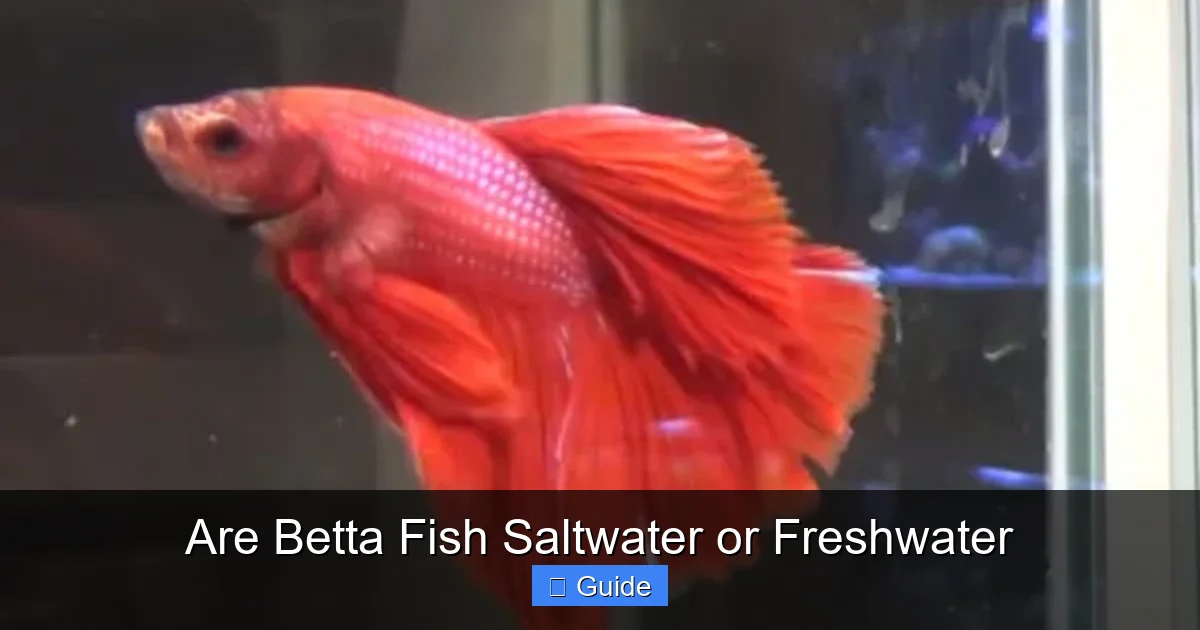
A persistent piece of misinformation claims that wild bettas come from brackish (slightly salty) water, perhaps at the mouths of rivers where they meet the sea. This is categorically false for the Betta splendens species that is kept as a pet. Scientific field studies and ichthyological records consistently document them in pure freshwater habitats. While it is true that a few other species within the Betta genus (like Betta mahachaiensis) are found in brackish mangrove environments, these are different species not commonly available in the aquarium trade, and even they move between fresh and brackish areas. The betta you buy at the pet store is almost certainly Betta splendens, a die-hard freshwater native.
Visual guide about Are Betta Fish Saltwater or Freshwater
Image source: helpusfish.com
This myth likely persists because of a few factors. First, the term “tropical fish” is often loosely associated with marine or coral reef setups. Second, some aggressive “betta breeders” in the past may have used brackish water in an attempt to treat parasites (a practice that is harmful and unnecessary). Third, the visual similarity between a betta’s native murky water and the tannin-stained water of a blackwater aquarium setup can be misinterpreted. But the scientific consensus is clear: your betta’s ancestors did not swim in the sea. They battled for territory in the rice fields of Thailand. Therefore, their aquarium must replicate freshwater conditions, not saltwater.
The Dangers of Saltwater for a Betta
What happens if you put a betta in saltwater? The process is scientifically called osmotic shock and is brutally efficient. A betta’s body fluids are significantly less salty than seawater. Water inside the fish’s cells and bloodstream is “pulled” out through its gills and skin into the hypertonic (saltier) surrounding water to try and balance the concentration. The fish becomes severely dehydrated internally, its blood thickens, its cells shrivel, and its kidneys go into overdrive trying to expel the excess salt that is entering its body, ultimately failing. The stress alone compromises its immune system, making it susceptible to secondary infections. Signs of distress include frantic swimming, gasping at the surface (unrelated to its normal air-breathing), lethargy, clamped fins, and loss of color. Death can occur very quickly.
It’s not just full marine salinity. Even low levels of salt, such as the “aquarium salt” sometimes recommended for other freshwater fish, can be problematic for long-term betta health. Their labyrinth organ and skin are sensitive. While a brief, therapeutic salt bath at a precise concentration might be used by a veterinarian for specific external parasites, routine or prophylactic salt use in a betta’s permanent aquarium is strongly discouraged by leading betta experts and veterinarians. The risk of cumulative damage to their respiratory and osmoregulatory systems outweighs any unproven benefits. For a betta, freshwater is the only safe and natural choice.
The Perfect Freshwater Betta Tank Setup
Now that we’ve established the “what” (freshwater), let’s focus on the “how.” Creating the ideal freshwater environment is straightforward and is the greatest gift you can give your betta. The biggest myth to dispense with first is the “betta in a vase” or “bowl” concept. This is animal cruelty. A small, unfiltered bowl is a toxic, unstable prison. Here is what a proper, ethical setup requires:

Visual guide about Are Betta Fish Saltwater or Freshwater
Image source: fishkeepingacademy.com
Tank Size and Shape: Space to Thrive
The absolute minimum tank size for a single betta is 5 gallons (19 liters). This is a hard rule from most reputable betta-keeping communities and veterinarians. Why? Because it provides a stable water volume where temperature and water quality parameters (like ammonia spikes) change slowly, giving you and your fish a buffer. It also allows for gentle filtration and enough space for the fish to swim, explore, and display natural behaviors. A long, shallow tank (like a 20-gallon “long”) is often better than a tall, narrow one because bettas are surface-oriented fish that frequently gulp air from the top. They need easy access to the water’s surface. The lid must be secure, as bettas are notorious jumpers.
Heating and Temperature: Tropical Necessity
Bettas are tropical fish. They require a consistently warm water temperature between 76°F and 82°F (24°C to 28°C). An adjustable aquarium heater is non-negotiable for anyone living outside of a perpetually warm climate. Cold water (< 74°F / 23°C) slows their metabolism, suppresses their immune system, and makes them prone to diseases like fin rot. Use a reliable thermometer to monitor the temperature. Avoid heaters that automatically shut off at a set temperature; a simple on/off thermostat heater is best. The stable warmth of a heated freshwater tank mimics their natural rice paddy environment.
Filtration: Gentle but Effective
Filtration is essential to process toxic fish waste (ammonia) into less harmful substances. However, bettas, with their large, flowing fins, are not strong swimmers and can be stressed by strong currents. The solution is a filter with an adjustable flow rate, or one designed for small tanks/bettas, that creates a very gentle current. Sponge filters are an excellent, quiet, and gentle option that also provide a surface for beneficial bacteria. The goal is crystal clear water that is biologically stable, not a raging river. The filter should run 24/7.
Substrate, Décor, and Plants: Security and Stimulation
Use a soft, fine-grained substrate like sand or smooth gravel. Betta fins can be torn on sharp edges. Provide plenty of hiding places and vertical elements. Live plants are fantastic—they help absorb nitrates, provide natural hiding spots, and improve water quality. Easy, low-light plants like Java fern, Anubias, and Marimo moss balls are perfect. Silk or live plants are always better than plastic ones, which can snag and tear delicate fins. Include a cave or a piece of driftwood with smooth edges. The environment should be engaging but not cluttered, allowing the betta to patrol its territory.
Water Conditioning: The First Defense
Tap water contains chlorine and chloramines, which are lethal to fish. You must use a reliable water conditioner/dechlorinator every single time you add new water to the tank, whether during a water change or initial setup. This product instantly neutralizes these chemicals and often detoxifies ammonia and heavy metals. It is the single most important chemical you will buy. For bettas, a standard freshwater conditioner is all you need—no special formulas required.
Water Parameters: The Chemistry of Freshwater
Maintaining stable water chemistry is the backbone of fish health. For a betta in a properly cycled freshwater tank, the parameters are forgiving but have ideal ranges. “Cycling” a tank means establishing a colony of beneficial bacteria (the nitrogen cycle) that converts toxic fish waste (ammonia) to nitrite and then to much less toxic nitrate. This process takes 4-6 weeks and must be completed before adding the betta. A cycled tank with a working filter is safe.
Visual guide about Are Betta Fish Saltwater or Freshwater
Image source: oceanbitez.com
pH, Hardness, and Temperature
Bettas prefer slightly acidic to neutral water, with an ideal pH range of 6.5 to 7.5. They are quite adaptable but sudden swings in pH are dangerous. They prefer soft to moderately hard water. General Hardness (GH) of 3-4 dGH (50-70 ppm) is ideal, but they can tolerate up to 7-8 dGH. Carbonate Hardness (KH), which buffers pH, should be at least 3 dKH to prevent dangerous pH crashes. Test kits are inexpensive and crucial for monitoring. Again, stability is more important than hitting an exact number. Temperature, as stated, is 76-82°F.
The Nitrogen Cycle: Ammonia and Nitrite are Poisons
In a cycled tank, ammonia (NH3/NH4+) and nitrite (NO2-) should always test at 0 ppm. Any detectable amount is toxic and will burn a betta’s gills and fins. Nitrate (NO3-), the end product of the cycle, should be kept below 20 ppm, ideally below 10 ppm. This is controlled by regular partial water changes (25-50% weekly) and not overstocking/overfeeding. A cycled, filtered betta tank is a stable freshwater ecosystem. Adding “salt” does not replace the nitrogen cycle or help with ammonia spikes; it only adds additional stress to the fish.
Common Mistakes: Salt, Water Changes, and Misinformation
Even with the best intentions, new betta owners often fall for pervasive myths. Let’s address the most common and damaging ones.
Myth: Adding Aquarium Salt Helps Betta Health
This is the most widespread and harmful myth. Proponents claim salt helps with stress, fin rot, or parasite prevention. There is no scientific evidence to support this for bettas. In fact, chronic exposure to even low levels of salt can:
- Damage the sensitive cells of the labyrinth organ.
- Irritate the skin and slime coat, making the fish more susceptible to infections.
- Disrupt the betta’s natural osmoregulation (fluid balance), forcing its kidneys to work harder.
- Kill any live plants in the tank.
For a specific, diagnosed issue like a bacterial infection, a veterinarian might prescribe a medicated bath, but this is a short-term therapeutic intervention, not a permanent tank additive. For everyday health and prevention, pristine freshwater with stable parameters is infinitely more effective and safer than salt.
Myth: Frequent 100% Water Changes are Best
While clean water is vital, draining and refilling a tank completely every week is disastrous. It destroys the beneficial bacterial colony you worked hard to build (crashing the cycle), causes massive swings in temperature and chemistry (shocking the fish), and removes any trace of beneficial bacteria from the filter media. The correct method is a partial water change (PWC). Using a gravel vacuum, siphon out 25-50% of the tank water, along with any debris from the substrate. Replace it with properly conditioned, temperature-matched freshwater. This dilutes pollutants (nitrates, waste) while preserving the stable biological balance.
Mistake: Inadequate Heating and Filtration
As covered, a heater and a gentle filter are mandatory. A common “shortcut” is a small, unheated tank in a warm room. This is unstable; room temperatures fluctuate, especially at night. A dedicated heater provides a constant, reliable temperature. A filter is not optional; it houses the life-supporting bacteria. Without it, you are performing a “fish-in cycle,” which means the betta is living in its own toxic waste as the cycle establishes—a painful and often fatal process.
Conclusion: Commitment to Freshwater
The question “Are betta fish saltwater or freshwater?” has a definitive and simple answer: they are freshwater fish through and through. Their stunning colors and dramatic fins are adaptations for the warm, still, plant-choked ponds and ditches of Southeast Asia, not for the saline ocean. Their unique labyrinth organ is a marvel of evolution for breathing air in oxygen-depleted freshwater, not for osmoregulating in saltwater. Respecting this biological imperative is the foundation of ethical betta care. Providing a properly sized, heated, filtered, and cycled freshwater aquarium is not a luxury; it is the basic standard of care that allows these magnificent fish to live full, healthy lives of 3-5 years or more.
Forget the outdated images of bettas in tiny, dirty bowls. Instead, envision a small, lush, warm aquatic garden—a slice of a Thai rice paddy in your living room. This is the environment your betta deserves. By committing to correct freshwater husbandry—avoiding salt, using a conditioner, performing regular water changes, and maintaining stable warmth—you become a responsible custodian of one of nature’s most fascinating and beautiful creations. The reward is a pet with a vibrant personality, stunning displays, and a long life, all thriving in the correct freshwater home you’ve provided.
Frequently Asked Questions
Can I put my betta fish in saltwater to treat an infection?
No. You should never place your betta in a saltwater environment. While a very specific, short-term salt bath at a precise concentration might be prescribed by a veterinarian for certain external parasites, this is a medical treatment, not a permanent setup. Salt is highly irritating and damaging to a betta’s labyrinth organ and skin. For most common ailments like fin rot, the primary treatment is pristine freshwater with optimal parameters, not salt.
What is “aquarium salt” and is it safe for bettas?
Aquarium salt is pure, untreated sodium chloride (salt) used by some freshwater fishkeepers. It is not marine salt, which contains other minerals. While some hardy fish like some livebearers may tolerate or occasionally benefit from low-dose salt, bettas do not. Their physiology is not adapted for it. Regular or prophylactic use of aquarium salt in a betta tank can cause chronic stress, damage their respiratory labyrinth organ, and harm live plants. The only “salt” a betta needs is the natural minerals present in properly conditioned freshwater.
Do I need to add anything to my freshwater to make it like a betta’s natural habitat?
The most important additive is a water conditioner to remove chlorine and chloramines from tap water. Beyond that, you generally do not need to add salts or pH adjusters. If you want to mimic the soft, acidic “blackwater” conditions of their native habitat, you can use natural driftwood (which releases tannins, lowering pH and tinting water yellow) or specialized “blackwater” extracts. However, bettas are quite adaptable to a range of stable freshwater parameters, so a clean, cycled tank with a stable pH between 6.5-7.5 is perfectly adequate.
How often should I do water changes for my freshwater betta tank?
In a properly cycled and filtered tank, you should perform a partial water change (PWC) of 25-50% once a week. Use a gravel vacuum to remove debris from the substrate. Always replace the removed water with fresh, temperature-matched, conditioned water. Never perform a 100% water change unless there is a catastrophic chemical spill, as this will destroy your beneficial bacteria. The goal is to dilute nitrates and waste products while maintaining a stable biological ecosystem.
Can bettas live in a bowl without a filter or heater?
No, a betta cannot thrive in an unfiltered, unheated bowl. This setup is too small to maintain stable water quality (ammonia and nitrite will spike and kill the fish), cannot hold a safe, consistent tropical temperature, and lacks surface area for beneficial bacteria to grow. It is a slow death sentence. A minimum 5-gallon freshwater tank with a gentle filter and an adjustable heater is the absolute minimum requirement for a healthy, humane betta environment.
Is there any type of saltwater betta fish?
No. The common Betta splendens, and all its many captive-bred varieties (halfmoon, crowntail, plakat, etc.), are strictly freshwater fish. There are a few极其 rare species within the Betta genus that inhabit brackish mangrove forests, but these are not the bettas sold in pet stores. You will never find a true “saltwater betta” in the aquarium hobby. Any suggestion that your pet betta needs saltwater is incorrect and dangerous.