Can Betta Fish See Outside the Tank
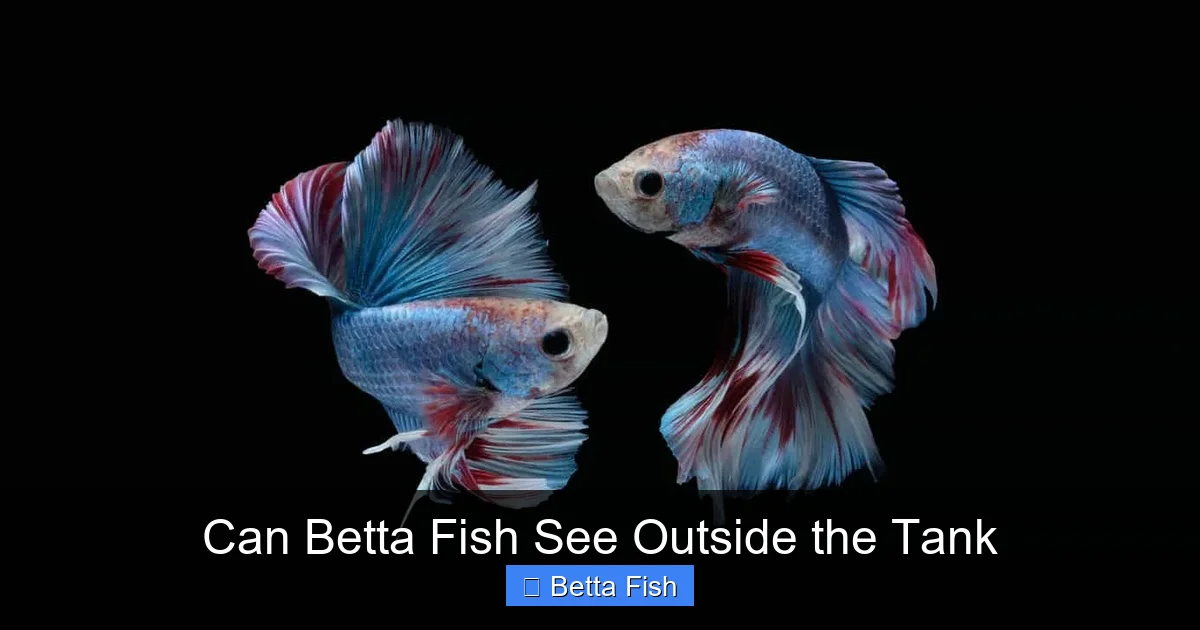
Yes, betta fish can see outside the tank, and their vision is surprisingly sharp. They detect movement, shapes, and colors beyond the glass, often recognizing their owner’s presence. Understanding how your betta perceives the world helps you provide a richer, healthier environment for your vibrant aquatic friend.
Key Takeaways
- Betta fish have excellent vision and can clearly see outside their tank through the glass.
- They detect movement and color, allowing them to recognize people and routines from across the room.
- Reflections and sudden movements outside the tank can sometimes stress your betta.
- Their eyes are positioned on the sides of their head, giving them a wide field of view both in and out of water.
- Regular interaction outside the glass can provide mental enrichment for your betta.
- Poor lighting or dirty glass can reduce how well your betta sees beyond the tank.
- Understanding betta vision helps you design a more stimulating and comfortable habitat.
📑 Table of Contents
- Introduction: A World Beyond the Glass
- How Betta Fish Vision Works
- What Betta Fish Can See Outside the Tank
- How Your Betta Responds to What It Sees
- Factors That Affect How Well Betta Fish See Outside the Tank
- Enriching Your Betta’s Visual Environment
- Common Misconceptions About Betta Fish Vision
- Conclusion: Seeing the World Through Your Betta’s Eyes
Introduction: A World Beyond the Glass
Have you ever caught your betta fish staring at you from inside the tank, flaring its fins or wiggling excitedly as you walk by? It is a common and endearing behavior that makes many betta owners wonder: can betta fish see outside the tank? The short answer is a resounding yes. Your betta is not just staring blankly at the wall. They are actively observing the world beyond the glass with a pair of surprisingly capable eyes.
Betta fish, also known as Siamese fighting fish, are one of the most popular freshwater pets in the world. Their vibrant colors and flowing fins make them a stunning addition to any room. But beyond their beauty lies a fascinating biology, especially when it comes to their senses. Vision plays a critical role in how bettas hunt, interact, and navigate their environment. In this article, we will dive deep into the science behind betta fish vision, explore what they can see outside their tank, and give you practical tips on how to use this knowledge to keep your fish happy and healthy.
How Betta Fish Vision Works
To understand what your betta sees when it looks out of the tank, we first need to understand how their eyes and visual processing work. Betta fish have a visual system that is well adapted to their natural habitat, which consists of shallow, vegetated waters in Southeast Asia. Their vision is quite different from human vision, but in many ways, it is just as impressive.
Anatomy of a Betta Fish Eye
Betta fish have eyes positioned on the sides of their head. This placement gives them a wide field of view, which is essential for spotting predators and prey in the wild. Unlike humans, who have forward-facing eyes that provide depth perception through binocular vision, bettas rely on monocular vision. Each eye captures a slightly different image, giving them an almost 360-degree awareness of their surroundings.
Their eyes contain both rod cells and cone cells. Rod cells help them detect light levels and movement, which is especially useful in dim conditions. If you have ever wondered whether betta fish can see in the dark, the answer is partially yes. They can detect shapes and movement in low light, but they need some ambient light to see clearly. Cone cells, on the other hand, allow bettas to perceive color. In fact, betta fish are believed to see a broader spectrum of colors than humans, thanks to having more types of cone cells in their retinas.
Color Perception in Betta Fish
One of the most remarkable aspects of betta fish vision is their ability to see color. Scientists believe that bettas can see colors that humans cannot, including ultraviolet light. This means that the world outside the tank appears far more vivid and detailed to your betta than it does to you. The colorful plants, decorations, and even your clothing may appear as a rich tapestry of hues that we can only imagine.
This superior color vision is not just a cool biological fact. It has practical implications for how you set up your betta’s tank. Choosing decorations and plants with varied colors can provide visual stimulation that keeps your betta engaged and mentally active. A dull, monochromatic environment can lead to boredom and stress in these intelligent fish.
How Betta Fish Focus on Objects Outside the Tank
When light passes from air into the glass of the tank and then into the water, it bends in a process called refraction. This means that the image your betta sees outside the tank is slightly distorted compared to what you see. However, bettas are well adapted to this kind of visual distortion. Their brains process the incoming visual information and compensate for the bending of light, allowing them to identify objects, people, and movement outside the tank with reasonable accuracy.
The clarity of what your betta sees also depends on the cleanliness of the glass. Algae buildup, water stains, or scratches on the tank walls can significantly reduce visibility. Keeping the glass clean ensures that your betta has a clear window to the outside world.
What Betta Fish Can See Outside the Tank
Now that we know how their vision works, let us explore exactly what your betta can see when it looks beyond the glass. The answer might surprise you with its level of detail.
Recognizing Their Owner
One of the most common observations betta owners report is that their fish seems to recognize them. Your betta may swim to the front of the tank when you approach, wiggle its body, or follow your finger as you move along the glass. This is not just wishful thinking. Betta fish are capable of distinguishing between different human faces and can learn to associate specific people with food, interaction, and care.
Research on fish cognition has shown that some species can recognize and remember human faces for extended periods. While betta fish have not been studied as extensively as some other species, their behavior strongly suggests that they can tell you apart from strangers. So the next time your betta rushes to greet you at the tank, know that it genuinely sees and recognizes you.
Movement and Activity in the Room
Betta fish are highly attuned to movement. In the wild, detecting the motion of insects, predators, or rival bettas is crucial for survival. This instinct carries over to life in captivity. Your betta can see people walking across the room, curtains swaying in a breeze, a television screen flickering, or even a cat sitting on a nearby table.
This sensitivity to movement is a double-edged sword. On one hand, it provides mental stimulation and keeps your betta alert and engaged. On the other hand, constant fast-moving activity right outside the tank can be stressful. If your tank is placed in a high-traffic area with lots of sudden movements, your betta may become anxious over time. It is important to find a balance between providing visual interest and maintaining a calm environment.
Other Pets and Household Activity
If you have other pets in the home, your betta is almost certainly aware of them. Dogs, cats, and even birds can capture your betta’s attention from across the room. A cat pawing at the tank glass can be extremely stressful for a betta, as it mimics a predator attack. Even a dog barking and running past the tank can startle your fish.
This is something to keep in mind when choosing a location for your tank. Placing the tank in a room where your other pets frequently roam might not be the best idea. If you do have curious pets, consider using a tank cover or placing the tank on a high shelf where it is out of reach. Speaking of tank covers, you might want to read about whether you can cover a betta fish tank and how it affects your fish’s stress levels and safety.
How Your Betta Responds to What It Sees
Understanding that bettas can see outside the tank is one thing, but interpreting their responses is another. Your betta’s behavior often reflects what it is observing beyond the glass.
Flaring and Display Behavior
If your betta sees its own reflection in the glass, it may flare its gills and spread its fins in a display of dominance. This is a natural response triggered by the perception of a rival betta. While occasional flaring is harmless and even healthy as a form of exercise, constant exposure to reflections can lead to chronic stress. This is especially common in tanks placed near mirrors or windows where reflections are frequent.
To reduce this issue, try adjusting the lighting in the room or repositioning the tank so that reflections on the glass are minimized. You can also add a background film to the outside of the tank glass to eliminate reflections entirely.
Following Your Finger
Many betta owners enjoy the interactive experience of moving a finger along the outside of the tank and watching their betta follow it. This is a sign that your betta can see your finger and is curious enough to track its movement. It is a simple form of enrichment that can strengthen the bond between you and your fish.
You can turn this into a training exercise by teaching your betta to follow your finger through a hoop or to swim to a specific spot in the tank for food. Betta fish are smarter than most people give them credit for, and they can learn simple tricks with patience and consistency.
Stress Responses to External Stimuli
Not all responses to outside stimuli are positive. If your betta sees a predator-like figure outside the tank, such as a cat’s face pressed against the glass, it may exhibit stress behaviors. These can include hiding behind decorations, losing color intensity, clamping its fins, or refusing to eat. Chronic stress weakens the immune system and makes your betta more susceptible to disease.
If you notice these signs, take steps to reduce the visual stressors. Move the tank to a quieter location, add more hiding spots inside the tank, or use a background on the glass to block the view of stressful stimuli. A calm and predictable visual environment is key to a healthy, happy betta.
Factors That Affect How Well Betta Fish See Outside the Tank
Several factors can influence the clarity and quality of your betta’s view of the outside world. Being aware of these factors helps you optimize your betta’s environment.
Lighting Conditions
Lighting plays a significant role in how well your betta can see outside the tank. In bright conditions, the contrast between the light inside the tank and the light outside can create glare on the glass, making it harder for your betta to see out. In dim conditions, the interior of the tank may be darker than the outside, creating a mirror effect where reflections dominate the glass.
The ideal lighting setup provides moderate, even illumination both inside and outside the tank. Avoid placing the tank directly in front of a bright window, as the intense sunlight can cause glare and also promote algae growth on the glass. Using an aquarium light with adjustable brightness gives you control over the visual environment.
Glass Cleanliness and Quality
A dirty or scratched tank glass is like looking through a fogged-up window. Algae, mineral deposits, and water spots all reduce visibility. Cleaning the inside of the glass regularly with an algae scraper or magnetic cleaner will keep the view clear. For the outside, a simple glass cleaner (used sparingly and kept away from the water surface) will do the trick.
The type of glass also matters. Acrylic tanks tend to scratch more easily than glass tanks, and scratches can distort the view over time. If you have an acrylic tank, be gentle when cleaning and use tools designed for acrylic to avoid creating new scratches.
Tank Placement in Your Home
Where you place the tank in your home has a big impact on what your betta sees. A tank placed against a blank wall provides a boring view with little visual stimulation. A tank placed near a window offers a dynamic view of the outdoors, but too much sunlight can cause temperature fluctuations and algae problems.
A good compromise is placing the tank in a room where you spend a lot of time, such as a living room or bedroom. This way, your betta can watch you go about your daily routine, which provides companionship and mental stimulation. Just make sure the tank is not in a high-traffic area with constant sudden movements.
Enriching Your Betta’s Visual Environment
Now that you know your betta can see outside the tank, you can use this knowledge to create a more enriching and stimulating environment for your fish.
Adding Visual Variety Inside the Tank
Since your betta is looking at the inside of the tank as much as the outside, make the interior visually interesting. Use a variety of plants (live or silk), caves, and decorations with different colors and textures. Rearranging the decor every few weeks provides novelty and prevents boredom. Your betta will appreciate the change and explore its newly reconfigured space.
Interactive Play and Training
Take advantage of your betta’s ability to see you by engaging in interactive play. Use a small target stick or your finger to guide your betta through simple obstacle courses. Teach it to swim through a hoop, push a tiny ball, or jump for food held just above the water surface. These activities provide mental exercise and physical activity that keep your betta in top condition.
Choosing the Right Tank Background
Adding a background to the back and sides of your tank can serve multiple purposes. It eliminates reflections that might stress your betta, provides a visually appealing backdrop, and gives your fish a sense of security. You can choose from printed backgrounds that mimic natural habitats, solid colors, or even custom designs that match your room decor.
Common Misconceptions About Betta Fish Vision
There are several myths and misconceptions about how betta fish see the world. Let us clear up a few of the most common ones.
“Betta Fish Have a 3-Minute Memory”
This is perhaps the most persistent myth about betta fish. In reality, bettas have a memory span of at least several months. They can remember feeding routines, recognize their owners, and learn from past experiences. Their ability to see outside the tank and respond to what they observe is itself evidence of memory and learning.
“Betta Fish Cannot See Well Because They Live in Murky Water”
While bettas do inhabit shallow, sometimes murky waters in the wild, their vision is well adapted to these conditions. They do not need crystal-clear water to see effectively. In fact, their ability to detect movement and color in variable light conditions is superior to many other fish species. Your betta can see you just fine even if the water is not perfectly clear.
“Betta Fish Are Blind to Everything Outside the Tank”
Some people assume that because bettas live in water, they cannot see beyond the water’s surface. As we have discussed throughout this article, this is simply not true. Betta fish have functional eyes that allow them to see objects, people, and movement outside the tank with surprising clarity.
Conclusion: Seeing the World Through Your Betta’s Eyes
So, can betta fish see outside the tank? Absolutely. Their sharp eyes pick up colors, shapes, movement, and even the faces of the people they interact with every day. Your betta is not just a passive observer floating in water. It is an active, curious creature that watches and responds to the world around it.
Understanding your betta’s vision opens up new ways to care for and interact with your fish. By keeping the glass clean, providing a visually stimulating environment, and being mindful of the stimuli outside the tank, you can ensure that your betta’s view of the world is a source of enrichment rather than stress. The next time your betta swims up to the glass and seems to lock eyes with you, remember that it really does see you. And that connection, however small, is a beautiful part of sharing your life with such a remarkable little creature.
Frequently Asked Questions
Can betta fish see me through the tank?
Yes, betta fish can see you through the tank glass. They are capable of recognizing human faces and often respond to their owner’s presence by swimming to the front of the tank or displaying excitement through wiggling and flaring.
Do betta fish get stressed by things they see outside the tank?
They can, especially if they see sudden movements, predators like cats, or their own reflection repeatedly. Chronic exposure to stressful visual stimuli can lead to health problems, so it is important to manage what your betta can see from its tank.
Can betta fish see color outside the tank?
Yes, betta fish have excellent color vision and can see a wider range of colors than humans, including ultraviolet light. The colorful world outside the tank is vivid and rich to your betta.
Why does my betta fish stare at me?
Your betta stares at you because it recognizes you and is curious about your presence. Many bettas associate their owner with food and will watch you expectantly, especially around feeding time.
Can betta fish see in the dark outside the tank?
Betta fish can detect movement and shapes in low light conditions, but they need some ambient light to see clearly. In complete darkness, their vision is limited, just like most other fish species.
Should I put something on the outside of the tank to block my betta’s view?
If your betta shows signs of stress from external stimuli, adding a background to the tank glass can help. It reduces reflections and creates a calmer visual environment while still allowing some light to enter the tank.