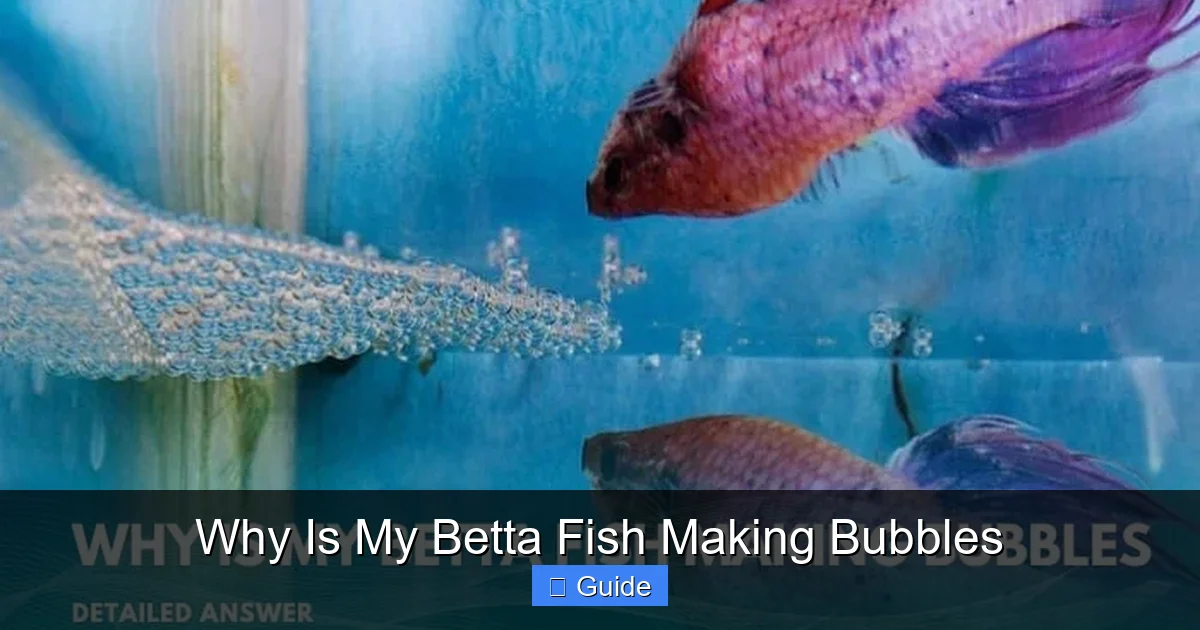
Why Is My Betta Fish Making Bubbles
Betta fish making bubbles is almost always a sign they are building a bubble nest, a natural and instinctive behavior, especially in males. This activity typically indicates good health, contentment, and can signal breeding readiness. However, it’s crucial to distinguish these purposeful nests from other, potentially problematic bubbles caused by poor water quality or stress. Your primary role is to observe, maintain excellent tank conditions, and appreciate this fascinating display of your betta’s innate personality.
Key Takeaways
- Bubble nests are natural: Male bettas (and occasionally females) build bubble nests as an instinctual behavior, primarily for breeding but also as a sign of well-being.
- Health indicator: A betta actively building a nest is usually a healthy, confident, and content fish with the energy to spare for this complex task.
- Not always about breeding: While nests are essential for spawning, bettas will build them even without a female present, simply because their environment makes them feel secure.
- Environment is key: Factors like warm, clean water, calm surface tension, and the presence of floating plants strongly encourage bubble nest construction.
- Know the difference: Distinguish a structured, raft-like bubble nest from random, excessive bubbles caused by filter agitation, aeration, or poor water quality (which can indicate stress).
- Do not disturb unnecessarily: It’s best to leave an intact bubble nest alone. Destroying it can stress your betta, though they will often rebuild if conditions remain good.
- Observe overall behavior: Bubble building is just one piece of the puzzle. Always assess your betta’s appetite, activity level, and fin condition alongside this behavior.
📑 Table of Contents
- The Tiny Architect: Understanding Your Betta’s Bubble-Building Instinct
- Why Is My Betta Fish Making Bubbles? The Core Reasons Decoded
- Factors That Influence Bubble Nest Building
- Bubble Nest vs. Problem Bubbles: How to Tell the Difference
- How to Respond: Care Tips for the Bubble-Building Betta
- Beyond Bubble Nests: Other Betta Behaviors to Know
- Conclusion: Your Betta’s Bubbles Are a Good Thing
The Tiny Architect: Understanding Your Betta’s Bubble-Building Instinct
You’re enjoying the serene beauty of your betta fish’s tank, maybe with a cup of tea in hand, when you notice it. A cluster of tiny, glistening bubbles clinging to the water’s surface. Your first thought? “Why is my betta fish making bubbles?” It’s a common and fascinating question for every betta owner. This isn’t random mischief; it’s a deeply ingrained instinct speaking volumes about your aquatic companion. This behavior, almost exclusively performed by males, is one of the most visible expressions of a betta’s natural personality. It’s a window into their world of breeding, territory, and comfort. In this comprehensive guide, we’ll unravel every layer of this bubbly phenomenon. We’ll move from the “what” to the profound “why,” helping you become a confident interpreter of your betta’s actions. Forget generic fish advice; we’re diving deep into the mind and environment of the magnificent Betta splendens.
More Than Just Air: What Is a Bubble Nest?
At first glance, it might look like your betta is just gulping air and spitting it out. But a true bubble nest is a carefully constructed structure. These aren’t haphazard bubbles. A male betta uses a special secretion from his mouth—a combination of saliva and a unique mucus—to coat each air bubble. This secretion acts like a natural glue, increasing surface tension and allowing the bubbles to stick together, resist popping, and form a cohesive, often raft-like structure. The nest can be a small, neat patch or a sprawling, intricate blanket covering a significant portion of the tank’s surface. The size, shape, and density of the nest are all personal to your betta, influenced by his genetics, age, and how he feels in his home. Building this nest is a labor of love, requiring dozens, even hundreds, of trips to the surface. It’s a deliberate, focused project that can take hours or days to complete.
The Male Betta’s Instinctive Role
This behavior is so strongly tied to reproduction that it’s a primary reason wild male bettas (and their domesticated cousins) are solitary. In the wild, a male’s primary job is to prepare a safe, oxygen-rich nursery for the future eggs and fry (baby bettas). The bubble nest serves three critical purposes: it protects the eggs from predators and contaminants on the water’s surface, it keeps the eggs moist and provides a steady supply of oxygen as they develop, and it serves as a staging area where the male can carefully tend to the eggs and newly hatched fry, retrieving any that fall. Even in a tank with no female, no eggs, and no fry, that ancient programming doesn’t switch off. A secure, comfortable tank simply flips the “nest-building” switch in his brain. It’s a profound example of an instinct persisting even when its original purpose isn’t being fulfilled.
Why Is My Betta Fish Making Bubbles? The Core Reasons Decoded
So, you’ve confirmed it’s a genuine bubble nest and not just filter agitation. Now, the real question: what is your betta trying to tell you? The answer is almost always positive, but it’s nuanced. A bubble nest is a multi-purpose signal, and understanding the context is key. It’s like someone redecorating their living room—it could mean they’re happy and settled, or it could mean they’re expecting important guests. Let’s break down the primary motivations behind this bubbly construction project.
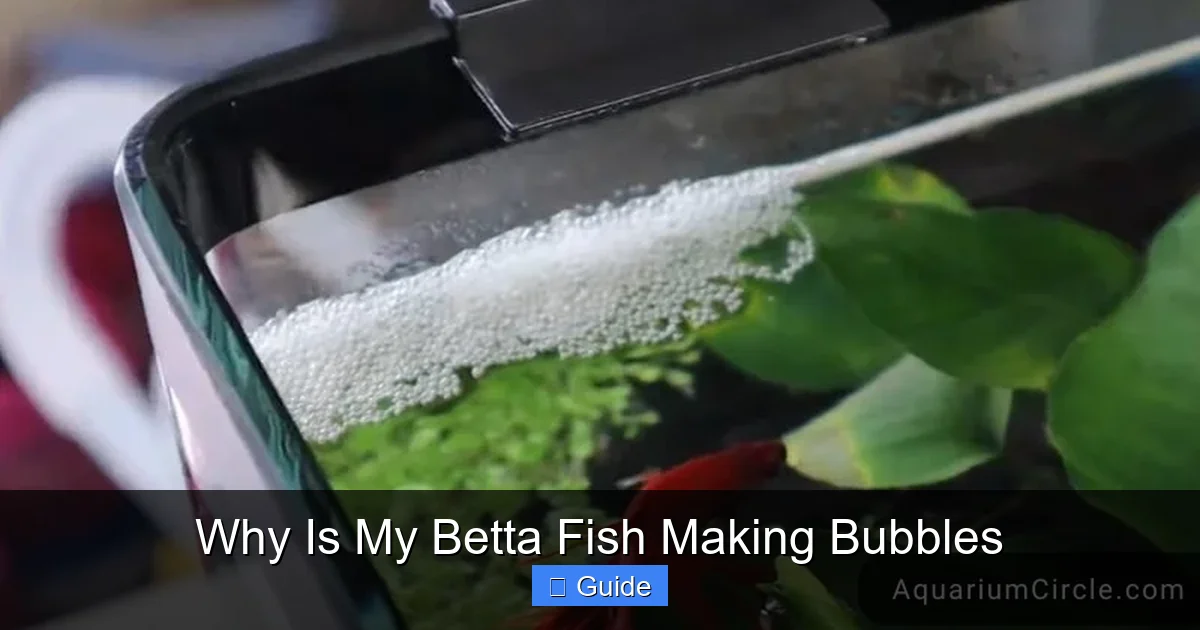
Visual guide about Why Is My Betta Fish Making Bubbles
Image source: aquariumcircle.com
Sign of Health and Contentment
This is the most common and reassuring reason. Building a bubble nest is an energy-intensive activity. A sick, stressed, or malnourished betta simply does not have the reserves or inclination to undertake such a task. If your betta is actively swimming to the surface, gathering air, and methodically placing bubbles, it’s a powerful testament to his physical state. He feels good. His immune system is strong, his fins are likely in good shape, and he isn’t battling parasites or bacterial infections. The act itself is also a form of environmental enrichment and exercise. A betta with nothing to do can become bored and depressed (yes, fish can get bored!). Constructing a nest gives him a goal, a purpose, which contributes to mental well-being. You’re essentially witnessing a happy, engaged pet.
Breeding Readiness and Courtship
This is the classic, textbook reason. In the betta world, the male is the homemaker. Before any courtship even begins, he must prove his suitability as a partner by preparing a proper nursery. A robust, well-constructed bubble nest is his resume. It tells a potential female, “I am healthy, strong, and capable of protecting our offspring.” If you introduce a receptive female into the tank (a process that requires careful research and preparation), she will inspect the nest. Her approval is often signaled by her swimming up to it and perhaps even prodding it. If she deems it acceptable, the famous spawning dance may begin. Even if you never plan to breed, this instinct is hardwired. A sudden increase in nest-building activity could coincide with seasonal changes in temperature or light cycles in your home, mimicking wild breeding seasons.
Environmental Triggers and Tank Conditions
Your betta’s environment is the direct catalyst. He won’t build a nest in a tank that feels hostile or unstable. The perfect storm for nest-building includes:
- Water Temperature: Warmer water (78-80°F or 25.5-26.5°C) increases metabolism and activity, often triggering nesting instincts. A sudden, slight rise in temperature can be a cue.
- Calm Surface: Strong water movement from filters or air stones will destroy bubbles. Bettas need a relatively still water surface to build and maintain their nests. This is why many betta owners use sponge filters or adjust filter outputs.
- Water Quality: Pristine, clean water is non-negotiable. High ammonia or nitrite levels are toxic and stressful. A betta in pristine water is a betta that can relax and express natural behaviors.
- Lighting: Some bettas seem to prefer building in slightly dimmer conditions, reminiscent of the shaded, vegetated waters of their native Thailand.
If you’ve recently improved any of these parameters—a water change, adjusting the heater, adding a floating plant—don’t be surprised to see a new nest appear as a thank-you from your fish.
Factors That Influence Bubble Nest Building
Not all bubble nests are created equal. The size, quality, and frequency of building are influenced by a constellation of factors within your control. Think of yourself as a property developer providing the ideal plot of land for your betta’s construction project. The better the conditions, the more impressive the structure he’ll create.
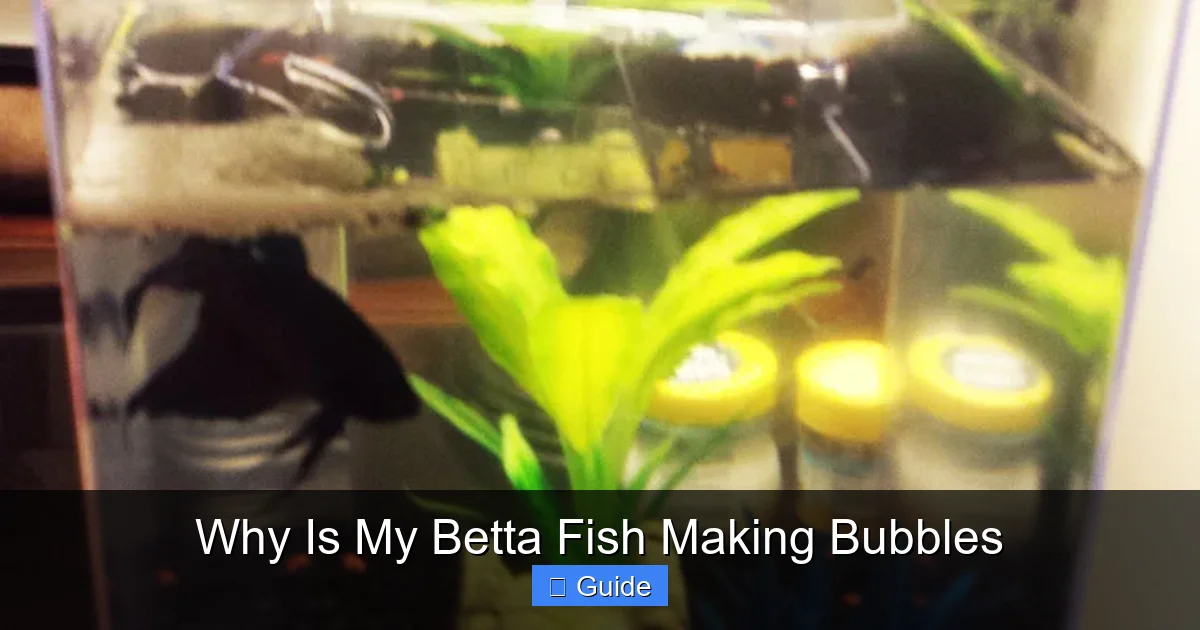
Visual guide about Why Is My Betta Fish Making Bubbles
Image source: bettafish.org
The Liquid Foundation: Water Temperature and Quality
We touched on this, but it deserves its own spotlight. Temperature is more than a comfort setting; it’s a biological dial. Bettas are tropical fish. Consistently cold water (< 76°F) slows their metabolism, leading to lethargy and a suppressed immune system. A cold betta is not a nest-building betta. Invest in a reliable, adjustable aquarium heater and a thermometer you trust. Water quality is equally vital. Perform regular partial water changes (25-30% weekly) with a dechlorinator. Test your water parameters (ammonia, nitrite, nitrate, pH) regularly. A stable, clean environment tells your betta, “You are safe here. This is your permanent home.” That security is the ultimate green light for instinctual behaviors like nest-building.
Tank Setup: Space, Plants, and Lighting
The physical layout of the tank plays a surprising role.
- Floating Plants are Game-Changers: In the wild, bettas anchor their nests to the undersides of floating leaves. In captivity, they seek out any material that breaks the surface tension and provides an anchor. Live plants like Salvinia, Duckweed, or Water Sprite are perfect. Even artificial floating plants or a piece of sterile Indian almond leaf can provide a “foundation” for the nest, encouraging building and making it more stable.
- Tank Size: While bettas can live in smaller setups (a minimum of 5 gallons is strongly recommended), a larger volume of water provides more stable parameters and more space for a sizable nest. A cramped betta may not feel secure enough to build.
- Lighting: As mentioned, very bright, harsh lighting can be stressful. Use a soft, adjustable light. Some bettas will build their nests under the shadow of a plant or in a corner of the tank that’s slightly darker, offering a sense of seclusion.
The Role of Tank Mates (or Lack Thereof)
Bettas are famously territorial. The presence of other fish, especially other males or fish with long, flowing fins (like some guppies), is a constant source of stress. A betta feeling threatened or needing to defend his space is in survival mode, not nesting mode. The ideal bubble-nesting environment is a species-only tank or a carefully chosen community of peaceful, short-finned fish that occupy different tank levels. The absence of stressors allows the betta to relax and express his more delicate, constructive behaviors. If you add a new tank mate and the nest disappears, it’s a clear sign the newcomer is causing anxiety.
Bubble Nest vs. Problem Bubbles: How to Tell the Difference
Here’s where critical observation comes in. Not all bubbles at the surface are created by your betta’s loving effort. Misinterpreting the source can lead to missing serious problems. You must become a bubble detective.
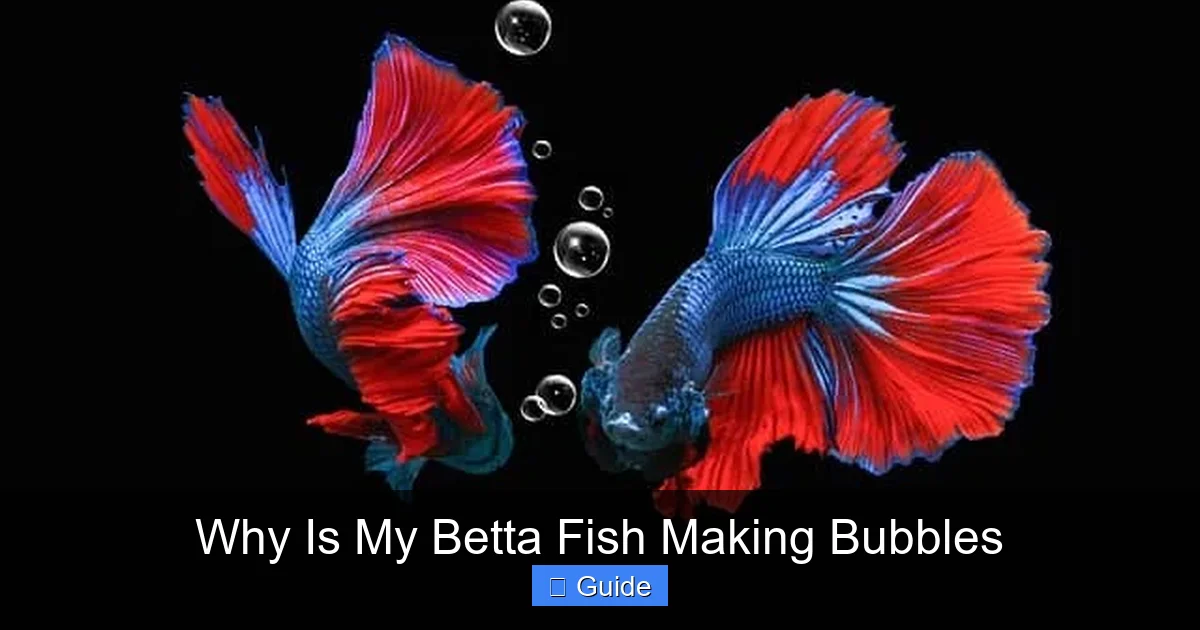
Visual guide about Why Is My Betta Fish Making Bubbles
Image source: expertaquarist.com
Recognizing a Healthy Bubble Nest
A true betta bubble nest has distinct characteristics:
- Location: It’s almost always in a calm corner, often near a plant, decoration, or the tank wall.
- Structure: It’s a cohesive, often circular or oval patch. The bubbles are uniform in size and stuck together. It looks intentional, like a raft.
- Maintenance: You might see your betta periodically adding to it or swimming through it. He shows interest in it.
- Context: Your betta is otherwise active, eating well, and displaying vibrant colors and flaring behavior.
This is a sign of a job well done by your fish.
When Bubbles Signal Stress or Illness
Random, uncontrolled bubbles are a red flag. They are caused by:
- Poor Water Quality (The #1 Culprit): High ammonia or nitrite is toxic and damages a fish’s gills. This impairs their ability to extract oxygen from water, forcing them to gasp air at the surface more frequently. The result is a steady stream of single, large, poorly-formed bubbles that pop quickly. This is a medical emergency. Test your water immediately.
- Inadequate Filtration/Aeration: If the water is stagnant and low in oxygen, your betta will gasp. However, bettas are labyrinth fish and can breathe atmospheric air, so they will gulp regardless of water oxygen levels. The key is the *pattern*. Gasping is frantic, repeated gulping. Nest-building is slow, deliberate, and methodical.
- Severe Stress: A betta terrorized by an aggressive tank mate, constant loud noises, or sudden changes may exhibit frantic behavior, including excessive surface gulping that looks bubbly.
If your betta is lethargic, has clamped fins, loss of appetite, AND there are random surface bubbles, you have a sick fish. The bubbles are a symptom, not the behavior itself.
Other Sources of Bubbles in the Aquarium
Don’t forget the equipment!
- Filter Output: A power filter that churns the surface will create a constant stream of tiny, white bubbles. This is mechanical, not biological. If the bubbles are coming directly from a spillway or outlet, that’s your source.
- Air Stones/Air Pumps: These are designed to create bubbles. If you have one, the bubbles are obviously from it.
- Water Changes: Agitating the water during a change can temporarily create bubbles that persist for a bit.
Always trace the bubbles to their origin before attributing them to your betta.
How to Respond: Care Tips for the Bubble-Building Betta
You’ve identified a genuine, healthy bubble nest. Now what? Your response can either support your betta’s natural instincts or inadvertently cause stress. Here’s your action plan.
Should You Remove the Bubble Nest?
The short, strong answer is: No, do not intentionally destroy a healthy bubble nest. That nest is your betta’s masterpiece. It represents his sense of security in your tank. Removing it is like someone coming into your home and tearing down a room you just finished decorating. It can cause frustration, anxiety, and a temporary cessation of natural behaviors. However, there are two exceptions:
- If you are introducing a female for breeding: Sometimes, a overly aggressive or enthusiastic male’s nest can be a hazard during spawning. A very large, thick nest can sometimes trap the female. In this specific, controlled scenario, a *gentle* removal with a cup or spoon just before introducing the female might be considered, but often it’s better to let nature take its course.
- If it’s interfering with equipment: If the nest is clogging your filter intake or preventing proper surface agitation (which you actually want minimal), you can carefully skim away a small portion with a net. Do it gradually over a day or two rather than in one fell swoop.
In 99% of cases, leave it be. Your betta will be proud of it, and it may even house infusoria (microscopic life) that could be beneficial. If it eventually dissolves on its own, that’s perfectly fine. He’ll build another when the mood strikes.
Optimizing the Tank for Natural Behaviors
Use this nest-building event as positive feedback! If your betta is building, your tank conditions are likely good. Reinforce them.
- Add Floating Plants: This is the single best thing you can do. A piece of Indian Almond Leaf is a classic, as it also slowly releases tannins that can lower pH slightly and has mild antibacterial properties. Live floating plants like Frogbit or Water Lettuce are even better, providing cover and a anchor.
- Ensure Calm Surface: Use a sponge filter or adjust your hang-on-back filter’s flow to be gentler. You can also use a spray bar or diffuser to break the flow before it hits the surface.
- Maintain Impeccable Water: Double down on your water change schedule. Clean water is the foundation of all health.
Observing and Enjoying Your Betta’s Behavior
Now for the fun part: watch! Bubble building is a process. You might see your betta:
- Swim to the surface and gulp a mouthful of air.
- Swim to a chosen spot, often under a plant or in a corner.
- Slowly release the air from his mouth, forming a bubble.
- Repeat this hundreds of times over several hours.
- Later, you might see him “patrolling” his nest, swimming through it, or adding to it.
This is mental stimulation for him and a joy for you to witness. It’s a sign you’re doing something right. Take a picture! Documenting the nest’s size and construction can be a fun way to track your betta’s health and moods over time. A thriving betta in a great tank will often have at least a small nest present most of the time.
Beyond Bubble Nests: Other Betta Behaviors to Know
Bubble nests are just one chapter in your betta’s behavioral encyclopedia. To be a true betta expert, connect this knowledge to their wider repertoire.
Flaring: The Display of Power
This is the dramatic extension and puffing up of the gill covers (opercula) and fins. It’s a sign of excitement, aggression, or courtship. A male will flare at his own reflection (a common issue), at a rival, or sometimes at you if you’re moving near the glass during feeding time. It’s a natural behavior but can be stressful if constant. If your betta is flaring at his reflection relentlessly, consider using a background on the outside of the tank or slightly tilting the tank to break up the reflection.
Labyrinth Breathing: Gasping for Air
This is the reason bettas *can* make bubbles at all. They possess a specialized organ called the labyrinth, which allows them to breathe atmospheric air. You’ll see your betta swim to the surface, take a quick gulp of air, and dive back down. This is perfectly normal and happens even in well-oxygenated water. It’s only a problem if the gulping is frantic, constant, and accompanied by other signs of distress (which would also cause random bubbles). Normal labyrinth breathing is a slow, rhythmic, once-every-30-seconds-or-so trip to the top.
Hiding vs. Exploring
A healthy betta will be curious. He’ll explore his domain, check out new decorations, and watch you. While they do appreciate hiding spots (plants, caves), a betta that is permanently hidden, especially if not building a nest, may be stressed or ill. Balance is key.
Conclusion: Your Betta’s Bubbles Are a Good Thing
So, why is your betta fish making bubbles? The overwhelming likelihood is that you are the proud owner of a healthy, instinct-driven little architect. That shimmering patch on the water’s surface is not a problem to be solved; it’s a privilege to be observed. It’s a living, breathing (well, bubbling) testament to the fact that you are providing a stable, clean, and secure environment. It means your betta feels comfortable enough to engage in one of his most vulnerable, energy-consuming natural behaviors. When you see that nest, take a moment to appreciate the complex creature before you. You’ve successfully catered to the needs of a wild animal in a glass box, and he’s showing his gratitude in the most beautiful way he knows. Continue your excellent water maintenance, enjoy his personality, and consider those bubbles your official “A+” report card from your betta.
Frequently Asked Questions
Is it normal for my betta to make bubbles all the time?
Yes, it’s completely normal for a male betta to periodically build or maintain a bubble nest. The nest may be present for days or weeks and then disappear, only to be rebuilt later. This is a natural cycle of their behavior and not a cause for concern.
Does making bubbles always mean my betta is happy and healthy?
While a well-constructed bubble nest is a very strong indicator of good health and contentment, it’s not the only sign. You must also observe your betta’s appetite, energy level, and fin condition. A betta can build a nest and still be developing a minor illness, so always look at the whole picture.
What if my betta isn’t making a bubble nest? Is something wrong?
Not necessarily. The absence of a bubble nest is not, by itself, a sign of illness. Many factors can suppress this instinct: cooler water temperatures, strong surface agitation from filters, lack of floating plants, a newly introduced or stressed betta, or simply an older or less genetically-inclined individual. Focus on providing excellent care rather than expecting a nest.
How can I encourage my betta to build a bubble nest?
Optimize his environment: ensure the water temperature is a steady 78-80°F, perform regular water changes to maintain pristine quality, minimize surface agitation from filters, and add floating plants or a piece of Indian almond leaf to provide an anchor and a sense of security.
Are bubbles a sign that my betta is sick or struggling to breathe?
Random, frantic, single bubbles at the surface, especially if paired with lethargy or loss of appetite, can be a sign of poor water quality (like high ammonia) or severe stress, as the fish gasps for air. A true bubble nest is structured, deliberate, and built in a specific location. Always test your water if you see unusual bubbling.
Should I clean or remove my betta’s bubble nest?
It is best to leave an intact bubble nest alone. Destroying it can stress your betta, as he has invested energy in its construction. Only consider gently removing a small portion if it is interfering with filter equipment. In most cases, let it be; he will appreciate it and may even rebuild it if it naturally dissolves.