How Many Bones Does a Betta Fish Have
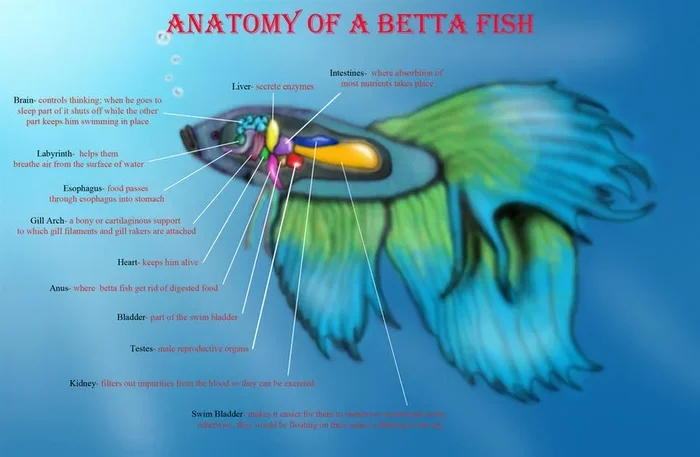
A betta fish has approximately 20 to 30 bones in its body, including its skull, spine, and fin bones. Their skeletal system is lightweight yet strong, designed to support swimming and flexibility. Understanding betta fish anatomy helps you care for your pet better and spot health issues early.
Key Takeaways
- Betta fish have around 20 to 30 bones that make up their entire skeletal system.
- Their bones are lightweight and flexible, which allows them to move gracefully through water.
- The swim bladder plays a key role in buoyancy and works closely with the skeletal structure.
- Bone-related health issues like swim bladder disorder are common and often preventable.
- Proper diet and tank conditions keep your betta’s skeleton strong and healthy.
- Betta fish are bony fish, meaning their skeleton is made of true bone, not cartilage.
- Knowing betta fish anatomy helps you become a better and more confident fish owner.
📑 Table of Contents
What Is a Betta Fish’s Skeletal System?
When you look at a betta fish, you might not think much about what’s happening inside its body. But beneath those flowing fins and bright colors lies a surprisingly interesting skeletal system. Understanding betta fish anatomy starts with knowing what holds this little creature together.
A betta fish is a bony fish, which means its skeleton is made of real bone tissue. This sets it apart from creatures like jellyfish or sharks, which have softer structures. The bones give the betta its shape, protect its organs, and help it move through the water with ease. If you have ever wondered about fish bones and what makes them work, you are in the right place.
The betta fish skeleton is built for life in the water. It is lightweight but sturdy enough to support swimming, turning, and even building bubble nests. Every bone has a job to do. Let us dive deeper into what makes up this system and how it all works.
How Many Bones Does a Betta Fish Have?
The exact number of bones in a betta fish can vary slightly depending on the individual and its size. On average, a betta fish has around 20 to 30 bones in its body. This number includes the bones in the skull, the spine, and the fin structures.
Compared to humans who have over 200 bones, this might seem small. But remember, a betta fish is a tiny creature. Its body does not need as many bones to function. Every single bone counts and plays an important role in keeping the fish alive and active.
If you are curious about how fish bones compare across different species, bettas fall on the simpler side. Their bone structure is streamlined for agility. This helps them dart through tight spaces and change direction quickly in the water. It is one of the reasons they are such fascinating pets to watch.
The Skull and Head Bones
The skull of a betta fish protects its brain and sensory organs. It is made up of several small bones fused together. These cranial bones are thin but strong. They also support the jaw, which the fish uses to eat food.
The head bones include structures that help the betta detect movement and vibrations in the water. This is part of why bettas can be so responsive to their surroundings. Even though the skull is small, it does a big job.
The Spine and Vertebrae
The spine is one of the most important parts of a betta fish’s skeletal structure. It is made up of a series of small bones called vertebrae. These vertebrae run along the body from head to tail.
Each vertebra connects to the next, creating a flexible chain. This flexibility is what allows the betta to swim gracefully. The spine also protects the spinal cord, which carries signals between the brain and the rest of the body. Without it, the fish could not move or function properly.
A healthy spine should be straight and firm. If you notice your betta curving or bending in unusual ways, it could be a sign of a problem. Keeping the water quality high and feeding a balanced diet helps maintain strong fish bones over time.
Fin Bones and Rays
Betta fish have several fins, and each one is supported by small bones or cartilage-like structures called fin rays. These rays give the fins their shape and allow them to move in different directions.
The dorsal fin, tail fin, and pectoral fins all rely on these tiny structures. Fin rays are delicate but essential for swimming and balance. They also play a role in how a betta displays its colors and fins during mating or territory disputes.
Fish skeleton experts note that fin rays are not true bones in all cases. Some are made of a softer material. But they still serve the same purpose of providing structure and support. Think of them as the fine-tuning tools of the betta’s body.
How Do Betta Fish Bones Support Their Body?
Now that we know how many bones a betta has, let us talk about what those bones actually do. The skeletal system of a betta fish does much more than just hold the body together. It plays an active role in everyday life.
Swimming is the most obvious function. Bones work with muscles to create movement. When a betta flexes its body, the spine bends, and the fins push against the water. This creates forward motion. Without bones, the fish would be a floppy, shapeless creature.
Bones also protect vital organs. The skull shields the brain. The rib-like structures around the body guard the heart and other internal organs. Even though bettas are small, their bodies need this protection just like any other animal.
Another important function is buoyancy. This is where the swim bladder comes in. The swim bladder is an organ filled with gas that helps the betta float at different depths. It works closely with the skeletal system to keep the fish balanced in the water. If the swim bladder is not working right, the fish might float sideways or sink to the bottom.
The Role of the Swim Bladder
The swim bladder is not a bone, but it works hand in hand with the skeletal system. It acts like an internal flotation device. By adjusting the gas inside the bladder, the betta can rise, sink, or hover in place.
Problems with the swim bladder are one of the most common health issues in bettas. Symptoms include floating at the top, sinking to the bottom, or swimming crooked. Many things can cause this, including overfeeding, poor water quality, or stress. Keeping a clean tank and feeding the right amount of food can prevent most of these issues.
If you want to learn more about keeping your betta’s tank environment healthy, check out how much space a betta fish really needs to thrive.
How Bones Help with Movement and Balance
Every time a betta turns, stops, or speeds up, its bones are at work. The vertebrae act like a flexible rod that bends in different directions. The fin rays provide steering and stability.
Think of it like a tiny underwater airplane. The spine is the fuselage, the fins are the wings and tail, and the muscles are the engines. All of these parts work together to create smooth, controlled movement. It is truly amazing how something so small can be so perfectly designed.
Young bettas are still growing, and their fish bones develop over time. A baby betta starts with a soft, flexible body that slowly hardens as it matures. Providing good nutrition during this growth phase helps build a strong foundation for the future.
Common Bone-Related Health Issues in Betta Fish
Even though betta fish bones are strong, they are not indestructible. Several health issues can affect the skeletal system. Knowing what to look for can help you catch problems early.
Swim bladder disorder is the most common issue. It affects the fish’s ability to control buoyancy. Signs include floating on one side, sinking, or struggling to stay upright. This condition is often caused by overfeeding, constipation, or sudden changes in water temperature.
Scoliosis is another condition where the spine curves to one side. This can be caused by genetics, poor nutrition, or physical injury. A curved spine can make swimming difficult and reduce the fish’s quality of life. Unfortunately, there is no cure for scoliosis, but proper care can help manage it.
Bone fractures can happen if a betta is injured. This might occur from rough handling, sharp decorations in the tank, or fights with other fish. While betta bones can heal to some extent, the process takes time and requires a stress-free environment.
Keeping your tank clean and free of sharp objects goes a long way. If you are wondering about tank setup, this guide on tank size can help you create a safe home.
Signs Your Betta Might Have a Bone or Skeletal Problem
- Curved or bent spine that does not straighten out
- Difficulty swimming or staying upright
- Floating or sinking uncontrollably
- Loss of appetite and low energy
- Clamped fins close to the body
- Visible swelling or deformities near the body
If you notice any of these signs, it is important to act quickly. Test the water parameters, adjust the feeding routine, and consider consulting a fish veterinarian if the problem persists. Early intervention can make a big difference.
How to Keep Your Betta Fish’s Skeleton Healthy
Prevention is always better than cure. There are several simple steps you can take to keep your betta’s skeletal system strong and healthy. Most of these involve basic tank maintenance and good feeding habits.
- Feed a balanced diet. High-quality pellets, frozen bloodworms, and brine shrimp provide the nutrients bettas need. A varied diet supports bone health and overall growth.
- Keep the water clean. Regular water changes and proper filtration prevent bacteria and parasites that can weaken bones and organs.
- Maintain stable water temperature. Betta fish thrive in water between 76 and 82 degrees Fahrenheit. Sudden temperature swings can stress the fish and affect its internal systems.
- Avoid overfeeding. Too much food can lead to constipation and swim bladder issues. Feed small amounts once or twice a day.
- Provide a stress-free environment. Keep the tank in a quiet area away from loud noises and sudden vibrations. Stress weakens the immune system and slows healing.
For more feeding tips, you might want to read how many times a day to feed a betta fish. Getting the feeding schedule right is one of the easiest ways to support your fish’s health.
Why Growth and Development Matter
Baby bettas, also known as fry, start life with very soft bodies. Their fish bones are still forming and need proper nutrition to develop correctly. As they grow, the bones harden and the skeleton takes shape.
During the first few weeks of life, fry need tiny, nutritious food like baby brine shrimp or micro worms. This early nutrition sets the stage for a strong skeletal system later on. If you are raising betta fry, this stage is critical and should not be overlooked.
Adult bettas also need ongoing care to maintain their bones. As fish age, they can experience bone density loss, just like older humans. A healthy diet and clean water help slow this process and keep your betta active for longer.
Speaking of lifespan, a well-cared-for betta can live for several years. To learn more about what affects their longevity, check out how long a betta fish lives and what you can do to help them thrive.
Fun Facts About Betta Fish Bones
Betta fish bones are full of surprises. Here are some fascinating facts that show just how remarkable these little creatures are:
- Betta fish bones are transparent when young, making them almost invisible under a microscope.
- Their vertebrae are incredibly flexible, allowing them to make sharp turns in the water.
- Fin rays can regrow if they are damaged, much like how some animals regenerate lost limbs.
- The skull bones are fused together to create a protective helmet for the brain.
- Bettas have a very small number of bones compared to larger fish species, which keeps them lightweight and agile.
These facts show just how cleverly nature designs even the smallest creatures. The next time you watch your betta glide through the water, remember that every movement is supported by a carefully built skeletal system.
Final Thoughts
So, how many bones does a betta fish have? Around 20 to 30 bones make up this tiny but perfectly designed creature. From the skull to the spine to the fin rays, every bone has a purpose. Together, they create a system that allows bettas to swim, eat, and thrive in their environment.
Taking care of your betta’s skeletal health comes down to the basics. Clean water, good food, and a stress-free home go a long way. When you understand betta fish anatomy, you become a more informed and confident owner. You can spot problems early and take action before they become serious.
Remember that every betta fish is unique. Their bones might be small, but they carry the weight of a wonderful pet that brings joy to your home. Treat them well, and they will reward you with vibrant colors, playful behavior, and years of companionship.
Frequently Asked Questions
Do betta fish have bones or cartilage?
Betta fish have true bones, making them bony fish. Their skeleton is made of bone tissue, not cartilage. This gives their body structure and support, similar to other freshwater fish species.
Can a betta fish break its bones?
Yes, betta fish can experience bone fractures from injuries or rough handling. However, their small size means bones can sometimes heal with proper care. Keeping the tank safe and free of sharp objects helps prevent fractures.
Why does my betta fish have a curved spine?
A curved spine in a betta fish can be caused by scoliosis, poor nutrition, or genetics. This condition affects the vertebrae and can make swimming difficult. Maintaining a clean tank and balanced diet can help reduce the risk.
How can I strengthen my betta fish’s bones?
Feed a varied diet with high-quality pellets and protein-rich foods. Keep the water clean and at a stable temperature. Avoid overfeeding and provide a calm environment. These steps support a healthy skeletal system over time.
Do baby betta fish have the same number of bones as adults?
Baby bettas start with fewer developed bones. Their skeletal structure grows and hardens as they mature. Proper nutrition during the fry stage is essential for healthy bone development.
Is swim bladder disorder related to bones?
The swim bladder works closely with the skeletal system to control buoyancy. While it is not a bone itself, swim bladder problems can affect how the fish uses its bones for movement and balance. Keeping the tank clean helps prevent these issues.